If you often rely on Uber or Lyft to get around with your little one, you’ve probably wondered: can you use a booster seat in these rideshare cars? Keeping your child safe is your top priority, but the rules around booster seats in Uber and Lyft can be…
If you often rely on Uber or Lyft to get around with your little one, you’ve probably wondered: can you use a booster seat in these rideshare cars? Keeping your child safe is your top priority, but the rules around booster seats in Uber and Lyft can be confusing.
What’s allowed? What’s not? And how can you make sure your kid stays secure during the trip? Stick with me, and you’ll get clear answers and practical tips that protect your child while making your ride stress-free. Let’s dive in!
Booster Seat Rules In Rideshares
Using a booster seat in rideshares like car seats in Uber and Lyft or Lyft is important for child safety. Rules about booster seats vary by state and company. Understanding these rules helps keep your child safe during rides.
State Laws On Booster Seats
Each state has its own laws about all booster seat guidess. Many states require children under a certain age or height to use a booster seat. Some states have strict rules for rideshares, while others treat them like taxis. Always check the local law before the ride. This keeps your child protected and avoids fines.
Rideshare Company Policies
Uber and Lyft have specific rules about booster seats. Usually, these companies do not provide booster seats. Riders must bring their own booster seat for their child. Drivers may refuse rides if the child does not have proper safety gear. Knowing company policies helps avoid problems during your trip.
Why Booster Seats Matter
Booster seats play a big role in keeping kids safe during rides. They help children sit properly and allow seat belts to work the right way. Using booster seats in Uber or Lyft rides protects kids from injuries and accidents.
Parents and caregivers must understand why these seats matter. The right seat can save lives and reduce harm. Let’s explore the key reasons booster seats are important for child safety.
Safety Benefits For Kids
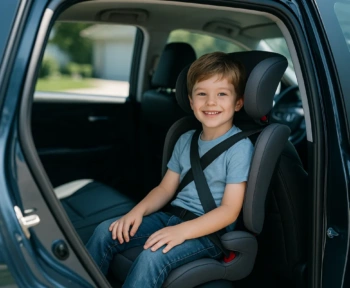
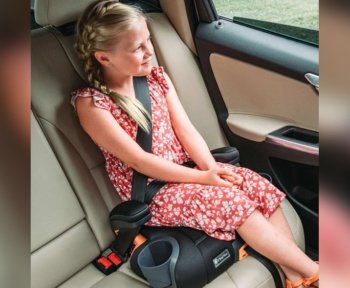
Booster seats lift children so seat belts fit their bodies correctly. This reduces the chance of injury in crashes. Kids sit higher, making belts rest on their shoulders and hips. This stops belts from hitting the neck or stomach.
Proper the 5-step seat belt fit test lowers the risk of serious harm. Booster seats also keep kids in place during sudden stops or sharp turns. This extra support improves overall safety during every ride.
Risks Without Proper Restraints
Without booster seats, seat belts may not fit children well. Belts can cut into soft parts of the body. This causes pain or serious injury in crashes. Kids can slip out of loose belts or get thrown forward.
Riding without proper restraints increases the chance of head and chest injuries. It also raises the risk of ejection from the vehicle. Using booster seats reduces these dangers significantly.
Using Booster Seats In Uber
Traveling with children in an Uber requires special care. Booster seats are important for child safety in cars. Knowing how to use booster seats in Uber rides helps keep kids safe. This section explains Uber’s rules and driver duties for booster seats.
Uber’s Child Safety Guidelines
Uber asks riders to follow local child safety laws. Booster seats must meet safety standards. Some cities require children under a certain age to use booster seats. Uber does not provide booster seats in most places. Riders need to bring their own booster seat for the trip.
Uber supports child safety but leaves booster seat use to riders. Parents should check local laws before booking a ride. Uber may refuse rides if rules are not followed. Safety rules protect children during the trip.
Driver Responsibilities
Uber drivers must follow traffic safety laws. They cannot install or provide booster seats. Drivers should help secure the booster seat if the rider asks. Drivers must ensure the child is safely buckled in.
Drivers have no legal duty to carry or installing a booster with LATCH seats. Their main job is to drive safely. Riders must communicate their needs before the trip starts. Clear communication helps avoid confusion and ensures child safety.
Using Booster Seats In Lyft
Using booster seats in Lyft rides is important for child safety. Many parents worry about how to keep their kids safe during rideshares. Lyft offers some guidance to help families use booster seats properly.
Lyft’s Safety Recommendations
Lyft advises riders to bring their own booster seats. Drivers usually do not carry booster seats in their cars. The company stresses the importance of following local child safety laws. Always use a booster seat that fits your child’s size and weight. Secure the booster seat tightly in the back seat. Make sure your child stays buckled during the entire ride.
How To Request A Booster Seat
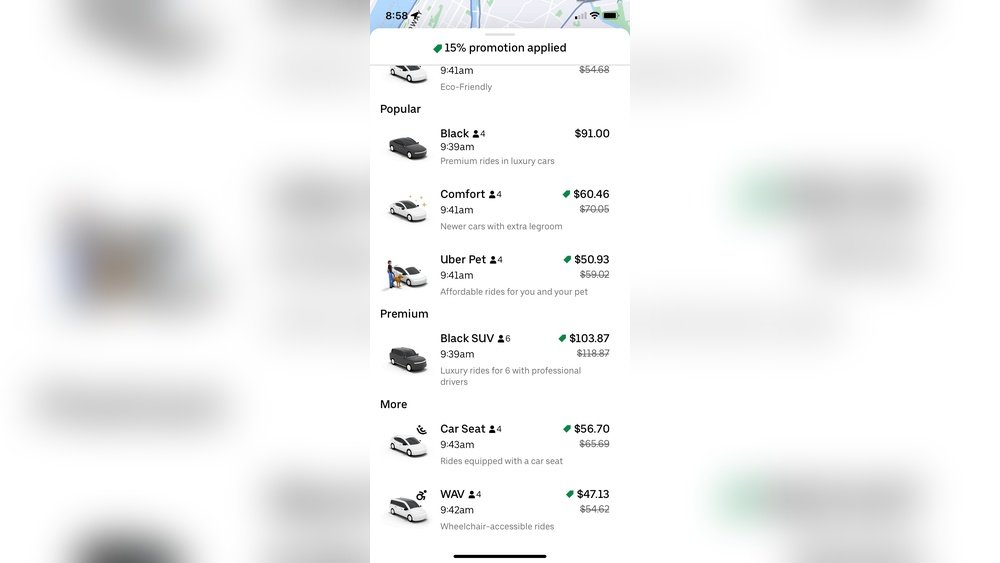
Lyft allows riders to request a car with a booster seat in certain cities. You can select the “Car Seat” option in the app. This option includes a car seat for toddlers, but it may not always fit older children needing booster seats. Call or message your driver to confirm if they have the right booster seat for your child. Planning ahead helps avoid last-minute problems at pickup.
Practical Tips For Parents
Parents need clear tips to keep their kids safe during rideshares. Using Uber or Lyft with children means extra care. Knowing what to do helps avoid stress and keep trips smooth. Here are practical tips for parents about booster seats in rideshares.
Bringing Your Own Booster Seat
Many rideshare drivers do not provide booster seats. Bringing your own ensures your child always has the right safety gear. Choose a lightweight, portable booster seat for easy carrying. Check the seat fits well in the car before your trip. This step avoids surprises and keeps your child safe.
Communicating With Drivers
Send a message to the driver before the trip starts. Let them know you will bring a booster seat for your child. Ask if they are okay with it and if the car has enough space. Clear communication avoids delays and misunderstandings. It also helps drivers prepare for your ride.
Timing And Booking Considerations
Book rides during less busy hours to reduce wait times. Some drivers may not have booster seats or space during peak times. Plan ahead and book early to secure the right car. Always allow extra time for installing the booster seat safely.
Alternatives When Booster Seats Aren’t Available
Sometimes, booster seats are not available in Uber or Lyft rides. Parents and caregivers need safe alternatives. Safety is the top priority for every child during rides. Below are some options to consider when booster seats are missing.
Car Seats And Harnesses
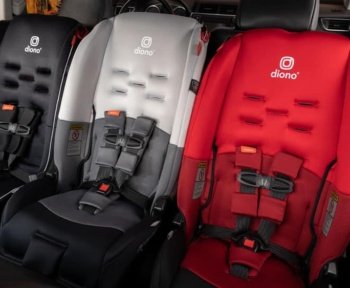
Using a car seat with a harness is a safe choice. Many parents carry portable car seats for rides. These seats provide extra protection for young children. Car seats fit securely using the vehicle’s seat belt. Always check that the car seat is checking if your car seat is installed correctly. Harnesses keep children snug and reduce injury risks.
Waiting For Suitable Rides
Waiting for a ride with a booster seat is another option. Some ride services offer family-friendly vehicles. These cars may have booster seats or car seats ready. Requesting a specific type of vehicle can improve safety. Planning ahead helps avoid last-minute problems. Patience can ensure your child rides safely.
Common Challenges And Solutions
Using a booster seat in ride-share services like Uber or Lyft can bring challenges. Parents want safety and comfort for their kids during every trip. Yet, some problems may arise with booster seats in these rides. Understanding these challenges helps find good solutions. This section covers common issues and how to handle them.
Driver Refusals
Some drivers refuse to carry booster seats. They worry about extra space or cleaning. Others may not feel trained to install these seats. This can cause delays or cancellations. Always carry your own booster seat. Offer to install it yourself. Politely explain the importance of child safety. Choosing rides with higher ratings can help. Some drivers may be more willing to accommodate families.
Safety Concerns In Shared Rides
Shared rides add safety challenges for children. Booster seats need proper installation. Moving between cars can be risky. Parents may worry about seat availability in shared trips. Requesting a private ride is safer. Always check the booster seat fits well. Buckle the child securely every time. Using your own booster seat ensures cleanliness and safety. Communicate clearly with the driver before the trip starts.
Common Questions Parents Ask
Can I Use My Booster Seat In An Uber Or Lyft?
Yes, you can use your booster seat in Uber or Lyft rides. Bring your own seat, as drivers usually don’t provide them. Installing it properly ensures your child’s safety during the trip. Always check local laws about child restraint requirements.
Are Booster Seats Required In Rideshare Vehicles?
Booster seat laws vary by state and city. Many places require children under a certain age or height to use booster seats in any vehicle, including rideshares. It’s best to follow local child safety laws to avoid fines and ensure safety.
Do Uber Or Lyft Drivers Provide Booster Seats?
Most Uber and Lyft drivers do not provide booster seats. Riders must bring their own child restraint devices. Some services may offer car seats upon request, but availability is limited and not guaranteed. Always confirm before booking.
How To Install A Booster Seat In An Uber Or Lyft?
Installing a booster seat in rideshare vehicles is similar to personal cars. Use the vehicle’s seat belts to secure the booster seat properly. Follow the manufacturer’s instructions for correct installation to keep your child safe during the ride.
Choosing a Booster That Fits Rideshare Life
Not every booster travels well. The seat that lives in your own car full time is usually too bulky to haul through a hotel lobby or hold on your lap while you wait at the curb. For rideshare trips, look for a model built around portability first.
- Backless over high back. A backless booster weighs a fraction of a high back model and slips into a backpack or tote. It works for kids who are mature enough to sit upright for the whole ride and whose head is supported by the vehicle headrest.
- Folding or collapsible design. Several boosters fold flat or compress into a small footprint. That matters when you are juggling a child, a phone, and a diaper bag at pickup.
- Simple belt guides. In a stranger’s car you want a seat you can position in seconds. Clear, easy to reach lap belt guides and a shoulder belt clip you can adjust one handed save real time at the curb.
- Wipeable fabric. Rideshare seats see spills, rain, and sidewalk grime. A cover you can wipe down beats one that needs a wash cycle.
Keep your travel booster by the door or in your everyday bag so it is never the thing you forgot. A second, dedicated travel seat is often cheaper than the stress of improvising without one.
A Curbside Routine That Makes Every Pickup Smooth
The hardest part of using a booster in a rideshare is not the seat itself. It is the ninety seconds at the curb with a car idling and a driver watching the clock. A practiced routine turns that scramble into a calm habit.
- Stage before the car arrives. Unpack the booster, raise the shoulder belt guide to roughly your child’s height, and have your child standing next to you ready to climb in.
- Load the booster first, child second. Place the seat in an outboard rear position, press it firmly against the seat back, then have your child climb up and sit all the way back.
- Run a ten second fit check. Lap belt low across the tops of the thighs, shoulder belt crossing the middle of the shoulder, no slack you can pinch into a fold. Tug the belt to confirm it locked into the buckle.
- Do a sweep on exit. Before you close the door, check the seat bight and floor for the booster, water bottles, and toys. Lost gear in a rideshare is rarely recovered.
Practice the routine once in your own car or a friend’s car before the first real trip. Kids settle faster when the steps feel familiar, and drivers relax when they see you move with confidence.
Troubleshooting Belt Fit in an Unfamiliar Car
Every rideshare car is different, and some back seats fight a booster. A few common problems have quick fixes that keep you from riding with a bad belt fit.
If the seat cushion is deeply contoured or slopes toward the center, the booster may rock side to side. Slide it toward the door side of the seating position where the cushion is usually flatter, then press down firmly while your child climbs in. If the buckle stalk is long and floppy, twist it no more than necessary and make sure the booster’s belt guide still routes the lap belt low on the hips.
Leather and faux leather seats can be slippery. Ask your child to sit still while you tighten the belt, then recheck the lap belt after the first few minutes of the ride. If the shoulder belt cuts across the neck even with the guide adjusted, move the booster to the other outboard position, since belt anchor geometry differs from side to side in many cars. If you cannot get a safe fit anywhere in the vehicle, it is reasonable to cancel and request another car. A short wait costs far less than a poorly restrained ride.
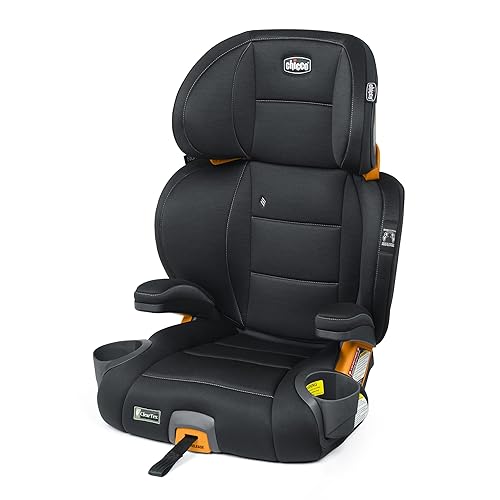
Chicco KidFit ClearTex Plus 2-in-1 Belt-Positioning Booster
- DuoGuard head and torso protection with 10-position height adjustment
- LATCH connectors with SuperCinch tightener keep the booster stable
- Flame retardant-free fabrics, removable and machine washable
As an Amazon Associate, topcarseats.com earns from qualifying purchases at no extra cost to you.
Key Takeaways for Parents
Using a booster seat in Uber or Lyft depends on local laws and driver policies. Many rideshare drivers do not provide booster seats. Bringing your own seat ensures your child’s safety. Always check the rules in your city before booking.
Safety should be the top priority for every ride. Plan ahead to avoid last-minute problems. Riding with a booster seat helps protect your child during travel. Choose rides that allow booster seats safely. Stay informed and keep your child safe on every trip.