you need a car seat when you take an Uber or Lyft with your child? It’s a common question that many parents face, especially when safety and convenience are top priorities.
you need a car seat when you take an Uber or Lyft with your child? It’s a common question that many parents face, especially when safety and convenience are top priorities.
You want to keep your little one safe, but you also want the ride to be hassle-free. This article will clear up the confusion and give you the simple answers you need.
Your peace of mind starts here.
Car Seat Laws For Rideshares
car seat laws by states for rideshares like Uber and Lyft vary widely across the United States. These laws protect children by ensuring they are safely secured during rides. Understanding these regulations helps parents and caregivers avoid fines and keep kids safe.
State Regulations
Each state has its own rules about car seats in rideshare vehicles. Some states require car seats for children under a certain age or height. Others may not enforce these rules strictly for rideshare cars. Always check the state law before traveling.
Age And Size Requirements
Most states base car seat laws on a child’s age, weight, or height. For example, toddlers usually need a rear-facing seat. Older kids might need a all booster seat guides until they reach a specific height. These rules ensure the car seat fits the child properly.
Variations By City
Cities can have different rules from their states. Some cities may require rideshare drivers to provide car seats. Others may allow riders to bring their own. Knowing city regulations helps avoid surprises during your trip.
Rideshare Company Policies
Rideshare companies have clear rules about car seats. These rules help keep children safe during rides. Each company has its own guidelines for passengers and drivers. Knowing these rules helps avoid confusion before your trip.
Uber’s Rules On Car Seats
Uber requires children under 8 years old to use a car seat. Drivers do not provide car seats by default. Riders must bring their own car seats. Uber offers a special option called Uber Car Seat in some cities. This service includes a car seat for children 2 to 6 years old. Always check availability before booking.
Lyft’s Car Seat Guidelines
Lyft asks passengers to bring a car seat for young children. Like Uber, Lyft drivers don’t carry car seats regularly. Lyft offers Lyft Car Seat, a service with a car seat included. This service is for kids between 2 and 6 years old. It is available in select cities only. Confirm the service when you request your ride.
Special Services With Car Seats
Both Uber and Lyft provide special rides with car seats in some areas. These rides cost more than regular trips. They allow parents to travel without carrying bulky car seats. Availability depends on the city and demand. Booking early helps secure a ride with a car seat. Always read the service details before ordering.
Types Of Car Seats For Rideshares
Choosing the right car seat for rideshares is important for child safety. Different types of car seats fit different ages and sizes. Knowing which seat to use helps keep children secure in Uber or Lyft rides.
Here are the main types of car seats used in rideshare vehicles.
Infant Seats
all infant car seat guidess are for babies from birth up to about 12 months. They face backward to protect a baby’s head and neck. These seats are small and light. Many have a handle to carry the baby easily. They fit well in most cars but need to be installed carefully.
Convertible Seats
all convertible car seat guidess work for toddlers and older children. They can face backward or forward. Kids start rear-facing, then switch to forward-facing as they grow. These seats are bigger and heavier than infant seats. They stay in the car longer because they fit children through several stages.
Booster Seats
Booster seats are for older kids who outgrow convertible seats. They lift the child so the car’s the 5-step seat belt fit tests correctly. Boosters do not have a harness. Children must use the car’s seat belt with the booster. These seats help keep kids safe until they are tall enough for the seat belt alone.
Using Your Own Car Seat
Using your own car seat in an Uber or Lyft is a smart choice for many parents. It ensures your child’s safety and comfort during the ride. Bringing your car seat means you control the installation and know it fits your child perfectly. This section covers important points about using your own car seat in rideshare vehicles.
Installation Tips
Install the car seat securely every time. Check the seat belt or latch system in the car. Follow the car seat manual carefully. Make sure the seat does not move more than one inch side to side. Position the harness straps at or below your child’s shoulders. Double-check the buckles and straps before the ride starts.
Portability And Convenience
Choose a car seat that is easy to carry. Lightweight and compact seats make travel easier. Many models fold or have handles for quick transport. Keep the seat in a travel bag to protect it. Plan ahead to avoid carrying the seat for too long. Using your own seat means no worries about availability in the car.
Cleaning And Maintenance
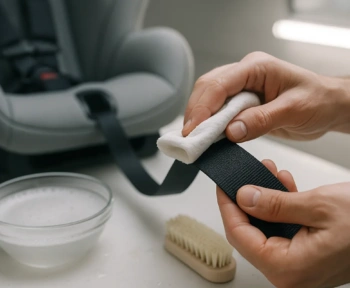
Keep your car seat clean for your child’s health. Remove the cover and wash it as per instructions. Wipe down the plastic and straps regularly with mild soap. Avoid harsh chemicals that can damage the materials. Check for wear and tear often. Replace the seat if it shows any damage or has expired.
Rideshare Options Offering Car Seats
Rideshare services like Uber and Lyft offer options for passengers who need car seats. This helps families travel safely with young children. Not all rides include car seats by default. Some services offer special rides with car seats ready to use.
Uber Car Seat Service
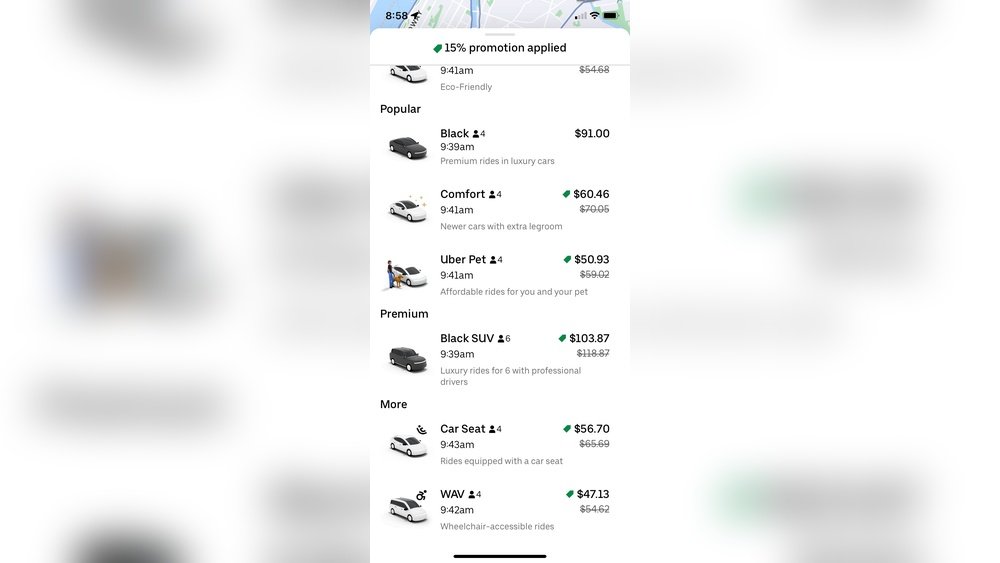
Uber provides a special service called Uber Car Seat. It includes a forward-facing car seat for children ages 2 to 6. Drivers who offer this service have the car seat installed. Passengers can choose this option through the app before booking a ride. This service helps parents avoid carrying bulky car seats.
Lyft Car Seat Options
Lyft has a similar option called Lyft Car Seat. It offers rides with car seats for kids between 2 and 4 years old. The car seat is built into the vehicle. Passengers select this option in the app before the trip. Lyft’s car seat rides are a good choice for short trips with young children.
Availability And Costs
Car seat rides are not available everywhere. These services are mostly in big cities. Availability depends on driver participation. The cost is usually higher than standard rides. Uber and Lyft add a small fee for the car seat service. This fee covers the use and maintenance of the car seat.
Safety Concerns Without A Car Seat
Riding in an Uber or Lyft without a car seat raises important safety concerns. Car seats protect children in case of sudden stops or crashes. Without them, kids face serious dangers that parents must consider.
Understanding these risks helps parents make smart choices for their child’s safety. It also highlights legal and insurance problems that can arise from skipping a car seat.
Risks For Children
Children not in car seats are at high risk of injury during a crash. Seat belts alone do not fit young kids properly. This can lead to severe injuries or even death in accidents. Car seats keep children secure and reduce the chance of harm.
Legal Consequences
Most states require car seats for children under a certain age or size. Not using a car seat in rideshares can break the law. Parents or drivers may face fines or tickets. Following car seat laws helps avoid legal trouble.
Insurance Implications
Insurance companies may not cover injuries if no car seat is used. This can lead to costly medical bills for families. Proper car seat use ensures insurance claims remain valid. It also shows responsible behavior after an accident.
Alternatives When A Car Seat Isn’t Available
Sometimes, a car seat is not available in an Uber or Lyft ride. This can create a challenge for parents with young children. Luckily, there are other safe ways to travel with kids without a car seat in a rideshare. These options help you keep your child secure and follow safety rules.
Public Transportation
Public transportation is an option for short trips in many cities. Buses and trains often have space for strollers. While car seats are not required on public transit, make sure your child stays seated and safe. This choice can save money and avoid waiting for a car seat.
Family Or Friend Ride
Ask family or friends for a ride if possible. They might have a car seat ready for your child. This option feels safer and more comfortable for kids. It also removes the stress of finding a seat in a rideshare vehicle.
Rental Car With Car Seat
Renting a car with a car seat is a smart solution. Many rental companies offer seats for children at a small fee. You control the schedule and keep your child safe. This method works well for longer trips or vacations.
Common Questions Parents Ask
Do Uber And Lyft Require Car Seats For Children?
Yes, some states legally require car seats in rideshares for young children. Uber and Lyft recommend using a car seat or booster for child safety.
Can I Bring My Own Car Seat In An Uber Or Lyft?
Yes, you can bring and install your own car seat in any rideshare. This ensures your child’s safety and meets legal requirements in most areas.
Are There Rideshare Options With Built-in Car Seats?
Uber and Lyft offer “Car Seat” options in select cities. These vehicles come equipped with appropriate car seats for toddlers aged 2-5 years.
What Happens If I Don’t Use A Car Seat In Rideshares?
Failing to use a car seat when required can lead to fines and legal trouble. It also increases injury risk for your child during a ride.
Match Your Travel Setup to Your Child’s Stage
The right rideshare plan looks completely different for a four month old than for a six year old. Decide what you will carry based on stage, not on what happens to be in your trunk.
| Child’s Stage | What to Bring | How It Installs |
|---|---|---|
| Infant | Infant carrier, leave the base at home | Seat belt routed through the carrier’s baseless belt path |
| Toddler and preschooler | Lightweight harnessed seat or travel convertible | Seat belt install, locked per the seat manual |
| School age booster rider | Compact or folding booster | Sits on the seat, child uses the lap and shoulder belt |
The toddler years are the hardest stage for rideshare travel because harnessed seats are the bulkiest. If you ride often, it can be worth keeping a second, lighter convertible just for trips rather than uninstalling your primary seat every time. Whatever you choose, weigh it once with one hand while holding your child’s hand with the other. If you cannot manage both at a curb, simplify the kit.
Learn the Baseless Install Before You Ever Need It
Most infant carriers are designed to install with just the vehicle seat belt and no base, and that skill is what makes rideshare travel with a baby realistic. The catch is that the first attempt should never happen at a curb with a driver waiting.
Open your manual and find the baseless or European belt routing section. Practice in your own car until the routine is automatic: route the lap portion through the marked belt guides, buckle, then lock the belt. In most vehicles you lock it by pulling the shoulder belt all the way out and letting it retract, which switches the retractor into its locking mode. Push down on the carrier while you feed slack back into the retractor until the seat moves less than an inch at the belt path.
Check the recline using the level line or indicator on the carrier, since rideshare seat cushions vary and a too upright carrier lets a newborn’s head slump. If your carrier supports European routing, where the shoulder belt wraps behind the carrier, learn that version too. It often produces a more stable install in unfamiliar cars. Time yourself with practice. Most parents get the whole process under two minutes, which keeps drivers patient.
Where Your Child Should Sit in a Rideshare
Seat position matters just as much in someone else’s car as in yours, and you have less information about the vehicle. A few rules keep the decision simple.
- Back seat, always. NHTSA recommends the back seat for children, and that does not change because the car is an Uber. A front passenger airbag is dangerous for a child in a car seat, and you cannot count on a stranger’s airbag settings.
- Outboard usually beats center in a rideshare. The center seat is a fine choice in your own car when you can achieve a solid install. In an unfamiliar vehicle, the outboard positions give you better access, a full lap and shoulder belt, and an easier install you can verify quickly.
- Sit beside your child, not up front. Riding next to your child lets you monitor the harness, fix a slipped shoulder belt, and keep them calm without distracting the driver.
- Skip vehicles that do not fit the plan. If the car arrives with a parcel shelf full of cargo, sagging seats, or belts that will not lock around your seat, cancel and rebook. You are never obligated to make a bad setup work.
Make the seat decision before the car arrives so you can direct things confidently at pickup. Drivers respond well to a parent with a clear plan.

Graco Extend2Fit Convertible Car Seat
- Rear-facing harness from 4 to 50 lb, forward-facing harness to 65 lb
- 4-position extension panel adds up to 5 inches of legroom for longer rear-facing
- No-rethread harness and headrest adjust together in one motion
As an Amazon Associate, topcarseats.com earns from qualifying purchases at no extra cost to you.
Key Takeaways for Parents
Using a car seat in an Uber or Lyft keeps your child safe. Many places have laws requiring car seats for young kids. Drivers may not provide one, so bringing your own helps. It also gives you peace of mind during the ride.
Always check local rules before traveling with children. Safety should be your top priority every time. Remember, a simple car seat can protect your little one. Don’t risk it -prepare before you book your ride.