Are you wondering when it’s the right time to switch your child from a high back booster to a backless booster? Making this change is important for your child’s comfort and safety during car rides.
But how do you know when your little one is ready? This guide will help you understand the signs to look for and the key factors to consider.
Signs Your Child Is Ready
Knowing when to switch your child from a high back booster to a backless booster is important for safety and comfort. Watch for clear signs that your child is ready. These signs include physical growth and behavior changes. Each child grows at their own pace, so look carefully for these indicators.
Paying attention to these signs helps ensure your child stays safe in the car. It also makes the ride more comfortable for them. Below are key points to watch for before making the switch.
Age And Weight Considerations
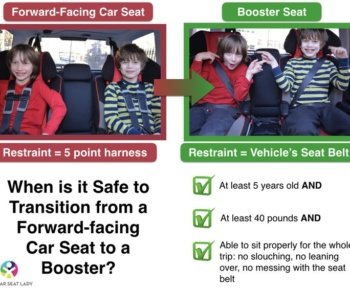
Most children move to a backless booster around ages 4 to 7. Weight matters too. Many backless boosters support kids weighing between 40 and 100 pounds. Check your booster’s weight limit. Make sure your child is within this range before switching.
Height Milestones
Height is a strong indicator of readiness. Children around 40 inches tall can often use a backless booster. The booster must position the seatbelt correctly across their chest and lap. If the belt fits right, your child may be ready for the change.
Behavioral Cues
Notice how your child behaves in the high back booster. If they try to climb out or seem cramped, it could be time to switch. Also, if they sit up straight without support, a backless booster might work better. These behaviors show growing independence and confidence.
Safety Factors To Consider
Choosing the right all booster seat guides is key for your child’s safety in the car. Moving from a high back booster to a backless booster requires careful thought. Safety factors help decide the best seat for your child’s protection and comfort. Consider these points before making the switch.
Proper Seat Belt Fit
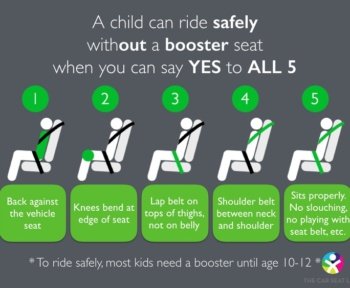
A backless booster works only if the the 5-step seat belt fit tests well. The lap belt should lie flat across the upper thighs, not the stomach. The shoulder belt must cross the chest, not the neck or face. Poor belt fit can cause serious injuries in a crash. Always test the belt fit before switching seats.
Car Seat Crash Test Ratings
Look at crash test ratings to check seat safety. High back and backless boosters have different ratings. Choose seats with good crash test results from trusted sources. These ratings show how well the seat protects children in accidents. Use this information to pick a safer booster.
Vehicle Compatibility
Not all boosters fit every car well. Check if your vehicle supports a backless booster securely. Some cars have seat shapes or belts that work better with high back boosters. Make sure the booster stays in place and the belt fits correctly in your car. This reduces risk during travel.
Benefits Of Backless Boosters
Backless boosters offer many benefits for children moving up from high back boosters. They provide freedom and simplicity while keeping safety in mind. These boosters are a good choice for kids who are ready for less bulk but still need a boost to use seat belts properly.
Parents often choose backless boosters for their ease and convenience. They are designed to fit well in most cars and support children comfortably during every ride. The benefits go beyond just saving space.
Ease Of Use
Backless boosters are simple to use. They fit quickly in the car without extra adjustments. Kids can get in and out faster, which helps during busy days. Parents appreciate the quick setup and hassle-free straps.
Portability
These boosters are lightweight and easy to carry. Families can move them between cars without trouble. They are great for travel or when visiting friends and relatives. Portability makes trips smoother and less stressful.
Comfort In Warm Weather
Backless boosters allow more air flow around the child. This helps keep kids cool during hot days. High back boosters can trap heat and cause discomfort. The open design of backless boosters improves comfort on warm rides.
Risks Of Moving Too Early
Switching from a high back booster to a backless booster too soon can cause safety problems. Parents often want to make the change quickly. This eagerness might put children at risk. Understanding the risks helps keep kids safe in the car.
Reduced Head And Neck Support
High back boosters provide important head and neck support. This helps protect children during sudden stops or crashes. Backless boosters do not offer the same support. Moving early leaves the head and neck vulnerable to injury.
Increased Injury Risk
Backless boosters position the seat belt differently. Without proper support, the belt may not fit correctly. This can cause injuries to the stomach or chest in a crash. Staying in a high back booster longer lowers this risk.
Regulatory Guidelines
Safety experts set rules for booster seat use. These rules are based on height, weight, and age. Moving to a backless booster before meeting these guidelines is unsafe. Following guidelines ensures children travel safely every time.
Comparing High Back And Backless Boosters
Choosing the right booster seat is important for your child’s safety and comfort. High back and backless boosters serve different needs. Understanding their differences helps decide when to switch. This section breaks down key points about both types.
Support Differences
High back boosters offer head and neck support. They help keep the seat belt in the right place. This is important for younger children or cars without headrests. Backless boosters provide less support. They mainly raise the child to fit the seat belt properly. Older kids often use backless boosters safely.
Installation Methods
High back boosters usually stay in place better. Many have side wings and straps to secure them. This makes them easier to install correctly. Backless boosters are simpler. They just sit on the car seat. Seat belts hold them in place. This makes them easy to move between cars.
Price And Durability
High back boosters tend to cost more. They have more materials and parts. They also last longer for smaller kids. Backless boosters are usually cheaper. They work well for older kids who need less support. Both types can last several years with proper care.
Tips For A Smooth Transition
Moving your child from a high back booster to a backless booster needs care. This change should be safe and comfortable. Small steps help your child adjust well. Follow these tips to make the switch easy.
Involving Your Child
Talk to your child about the new booster seat. Show them how it works and why it is safe. Let them try sitting in it while parked. This builds trust and excitement. Children feel more confident when they understand the change.
Trial Periods In Different Vehicles
Test the backless booster in all cars you use. Seats and seat belts differ in each vehicle. This helps find the best fit for your child’s safety. Use the booster for short trips at first. Watch how your child sits and adjusts to it.
Consulting Safety Experts
Ask a child passenger safety technician for advice. They check if your booster fits well and is correct for your child. Experts can show you how to install the seat properly. Their tips ensure your child’s safety on every ride.
Common Myths Debunked
Many parents worry about switching from a high back booster to a backless booster. Myths about safety and fit can confuse the decision. Let’s clear up some common misunderstandings.
Knowing the facts helps parents choose the best option for their child’s comfort and safety.
Backless Boosters Are Less Safe
Some believe backless boosters offer less protection. This is not always true. Backless boosters work well when used correctly. They position the seat belt properly on the child. This helps protect the child in a crash. The child must meet height and weight guidelines. The car seat and seat belt must fit well. Safety depends on proper use, not just the booster style.
Children Outgrow High Back Boosters Quickly
Parents think kids leave high back boosters fast. This is a myth. High back boosters often fit children for years. They provide head and neck support. This is useful if the car has low seat backs. Some children feel more comfortable with high backs. The switch to backless boosters happens when the child grows tall enough. It depends on the child’s size and car seat rules.
All Boosters Fit Every Car Equally
Not all boosters fit all cars the same way. Cars have different seat shapes and belt types. Some boosters work better in certain cars. High back boosters can help with poor seat belts. Backless boosters need a good seat belt fit. Testing boosters in your car is important. The right fit improves safety and comfort for the child.
Common Questions Parents Ask
When Should A Child Switch From High Back To Backless Booster?
A child should switch when they outgrow the high back booster. Typically, this happens around ages 8 to 12. The child must fit the seat belt properly without the high back support. Always check your local safety laws before switching.
What Are The Safety Benefits Of High Back Boosters?
High back boosters provide head and neck support in crashes. They help position the seat belt correctly across the child’s shoulder and chest. This type is ideal for cars without headrests. They offer better protection for younger or smaller children.
How Do I Know If A Backless Booster Fits My Child?
A backless booster fits if the seat belt lies flat across the chest and hips. The child’s knees should bend comfortably at the seat edge. The child must sit upright without slouching. Always follow manufacturer guidelines for proper fit and safety.
Can Backless Boosters Be Used In All Cars?
Backless boosters are best used in cars with headrests. They rely on the vehicle’s seat for head support. Avoid using them in cars without headrests or with low seat backs. Always ensure the booster fits securely and the seat belt routes correctly.
Run This Backless Readiness Check in Your Driveway
You do not need an appointment to find out whether your child is ready. Park in the driveway, set the backless booster in its intended position, and run through this sequence with your child in regular clothes, not a puffy coat.
- Check head support first. With your child sitting all the way back, the tops of their ears must be below the top of the vehicle headrest or seat back. If the head rises above that line, the high back stays.
- Watch the climb in. Your child should be able to get on the booster, scoot fully back, and buckle without the booster sliding out from under them.
- Inspect both belt sections. Lap belt low on the hips touching the thighs, shoulder belt centered on the collarbone. If the shoulder belt only behaves when you thread it through the booster’s clip and the clip will not stay put, note it.
- Run a twenty minute real trip. Drive somewhere ordinary and glance back at stops. A child who leans on the door, slumps, or ducks under the shoulder belt is telling you they still need the structure of the high back.
Repeat the whole check in every vehicle the child rides in regularly. Passing in your SUV does not mean passing in a small sedan with a recessed headrest.
Why Owning Both Boosters at Once Makes Sense
The move to backless does not have to be a single dramatic switch. Many families get the best results by running both seats in parallel for a season.
Keep the high back in the car where your child spends the most miles, especially the car used for highway trips and long drives where kids fall asleep. Use the backless booster for the second car, carpool days, grandparents’ vehicles, and travel, where its light weight and easy transfer shine. This gives your child the extra support where it matters most while building the sitting habits a backless seat requires.
If you own a 2-in-1 booster, you already have both modes in one shell. Before removing the back, read the manual for the conversion steps and check whether the shoulder belt guide strap moves over to backless mode. Store the removed back somewhere you can find it, because there is a good chance you will want to reattach it for a road trip or a younger sibling. Nothing about going backless is one way.
Signals That It Is Time to Bring the High Back Out Again
Plenty of families switch back for a while, and that is a sign of good judgment, not failure. Watch for these triggers after the transition.
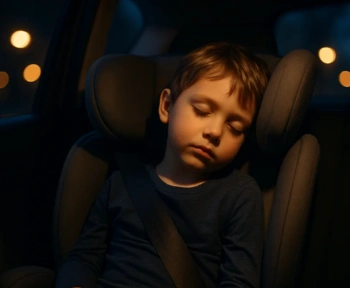
- Your child sleeps in the car. On a backless booster, a sleeping child’s head flops sideways and the torso can slide out of the shoulder belt. For road trips and late evening drives, reinstall the high back.
- A new vehicle changes the equation. A different car with low seat backs or no rear headrests can make a backless booster inappropriate overnight. Rerun the ear height check after any vehicle change.
- Slouching becomes a habit. If you keep catching the shoulder belt at the neck or your child sliding forward, the structure and belt guides of the high back will correct what reminders cannot.
- Long highway days. Even a child who does fine on school runs may do better with side support and a place to rest their head on a six hour drive.
Treat the booster decision as trip by trip rather than permanent. The right seat is the one that fits the child, the car, and the kind of driving you are doing that day.
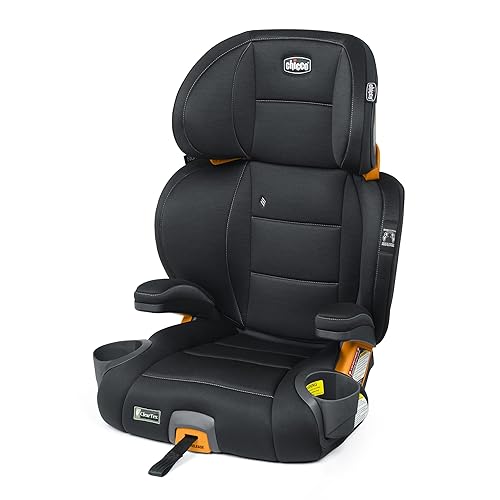
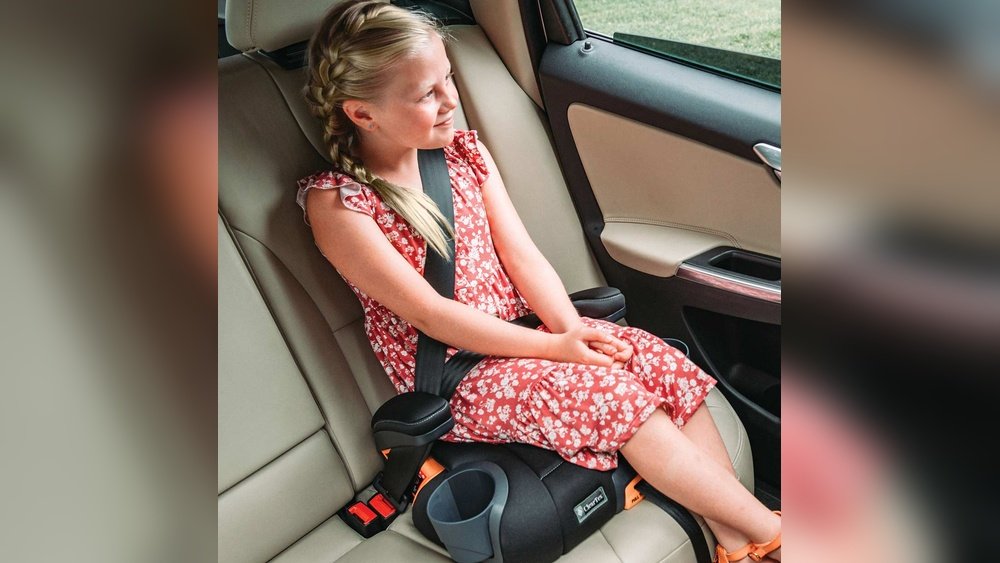
Chicco KidFit ClearTex Plus 2-in-1 Belt-Positioning Booster
- DuoGuard head and torso protection with 10-position height adjustment
- LATCH connectors with SuperCinch tightener keep the booster stable
- Flame retardant-free fabrics, removable and machine washable
As an Amazon Associate, topcarseats.com earns from qualifying purchases at no extra cost to you.
Key Takeaways for Parents
Choosing when to switch from a high back to a backless booster is important. Safety and comfort guide this change. Watch your child’s height and weight closely. Their ability to sit properly without the back support matters. A backless booster fits better in bigger cars or tight spaces.
Keep checking the car seat laws by states in your area. Always prioritize your child’s safety during every ride. This small change can help your child feel more grown-up. Trust your judgment and keep your child secure on the road.