Are you planning to fly with your little one soon? if you can use a booster seat on an airplane to keep your child safe and comfortable.
This question is more important than you think. Your child’s safety during the flight depends on using the right equipment. You’ll discover what the rules say, what options you have, and how to make your trip smoother.
Airline Policies On Booster Seats
Airline policies on all booster seat guidess vary widely between carriers. Some airlines allow them, while others have strict rules. Knowing these policies helps families plan better for air travel. Safety is always the top priority for airlines.
Each airline has its own guidelines on booster seat use. These rules cover which types of seats are allowed, size limits, and how to book seats for children. Following these policies ensures a smooth flight for everyone.
Which Airlines Allow Booster Seats
Most major airlines permit booster seats installing a car seat on a planes. Airlines like Delta, American Airlines, and United accept them. Some low-cost carriers may not allow booster seats. Checking airline websites before booking avoids surprises.
Size And Weight Restrictions
Booster seats must fit properly in airplane seats. Airlines often set size limits to ensure safety. Weight restrictions usually align with the booster seat’s design. Oversized boosters or those without proper certification may be banned.
Booking A Seat For Your Child
Booking a separate seat for your child using a booster seat is important. Airlines recommend reserving a window or aisle seat for easier access. Inform the airline about the booster seat during booking. This helps staff prepare for your child’s needs.
Safety Standards For Booster Seats
Booster seats help keep children safe during travel. Their safety standards are strict, especially on airplanes. Understanding these standards helps parents choose the right seat for their child.
Faa Regulations And Recommendations
The Federal Aviation Administration (FAA) sets clear rules for child safety seats. Booster seats must meet specific safety tests. The FAA recommends using seats approved for airplanes. This ensures the seat fits properly in the airplane seat.
Children under 40 pounds should use a child safety seat or CARES harness. Booster seats are usually for children over 40 pounds who still need extra height. The FAA advises parents to check with airlines before flying.
Approved Booster Seat Types
Not all booster seats are allowed on planes. Only those with a label saying “FAA approved” are safe to use. These seats have passed crash tests and fit airplane seats securely. The label is usually under the seat or on the side.
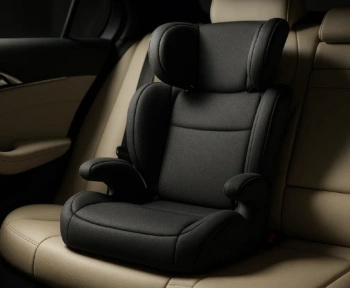
High-back and high-back vs backless booster guide seats can be FAA approved. High-back models offer more head support, which some children need. Backless boosters are lighter and easier to carry but still must be approved.
Comparing Booster Seats And Cares Harness
The CARES harness is another option for child safety on planes. It is a lightweight harness that fits over the airplane seat belt. The CARES harness is approved for children between 22 and 44 pounds.
Booster seats raise the child to use the airplane’s seat belt correctly. The CARES harness keeps the child securely fastened without a bulky seat. Parents should choose based on the child’s weight and comfort.
Preparing Your Booster Seat For Travel
Preparing your booster seat for air travel helps make the journey smooth. It involves choosing the right seat, packing it properly, and keeping it clean. Good preparation ensures safety and comfort for your child during the flight.
Portable And Travel-friendly Options
Select a booster seat that is light and easy to carry. Many travel-friendly models fold flat or fit into small bags. Look for seats with simple straps and no bulky parts. This saves space and reduces hassle at the airport.
Packing And Carrying Tips
Use a protective bag or cover to keep the seat clean during travel. Secure loose parts to avoid damage or loss. Carry the booster seat as a carry-on when possible. This keeps it safe and accessible during the flight.
Cleaning And Maintenance Before Flight
Clean the booster seat thoroughly before packing it. Remove crumbs, dirt, and stains with a damp cloth. Check all straps and buckles for wear or damage. Fix any issues to ensure the seat works properly on the plane.
Using Booster Seats During The Flight
Using booster seats during a flight helps keep your child safe and comfortable. Airplane seats are different from car seats, so special care is needed. Booster seats make sure your child’s seatbelt fits well. This section explains how to use booster seats properly on airplanes.
Proper Installation On Airplane Seats
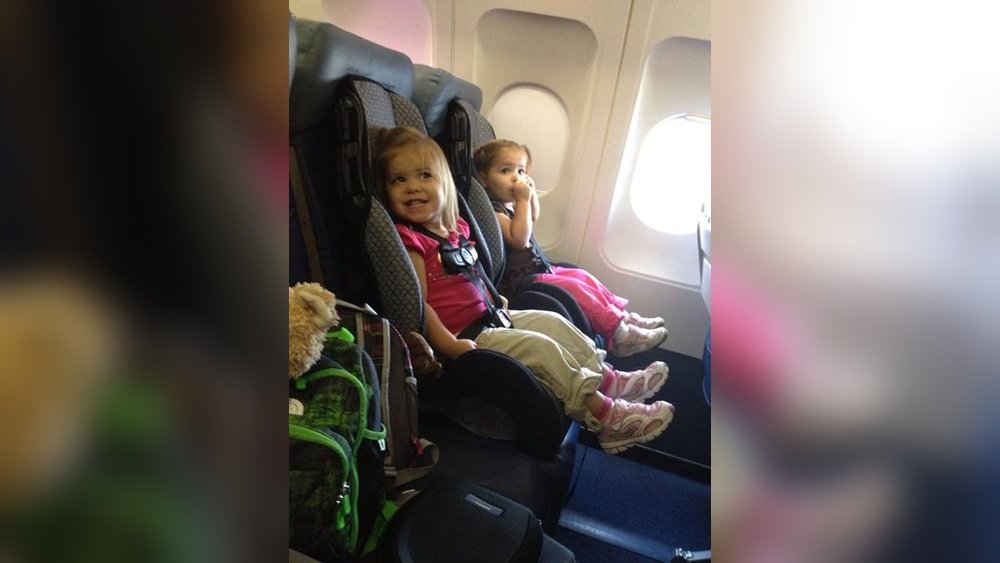
Place the booster seat directly on the airplane seat. Ensure it sits flat and does not slide around. Use the airplane seatbelt to secure the booster seat firmly. Check that the seatbelt fits tightly around the booster. Avoid placing the booster on a bulkhead or exit row seat. These seats often have restrictions for booster use.
Securing Your Child Safely
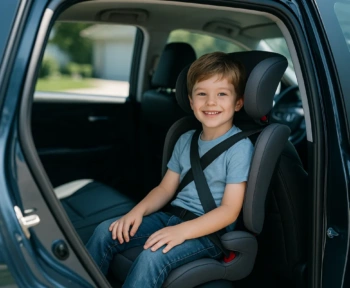
Help your child sit properly on the booster. Position the seatbelt across the child’s lap and shoulder. The lap belt should lie low on the hips, not the stomach. The shoulder belt should cross the chest, not the neck. Make sure the seatbelt clicks in securely. Keep the seatbelt fastened whenever the seatbelt sign is on.
Managing Comfort And Convenience
Bring a lightweight booster for easy carrying. Choose a booster with soft padding for comfort. Pack a small blanket or cushion for extra support. Encourage your child to sit still during the flight. Use the booster only during takeoff, landing, and turbulence. Remove it when moving around or during meal service for safety.
Alternative Child Safety Devices For Air Travel
Keeping children safe on airplanes is very important. Booster seats are not always allowed or safe for air travel. Parents need to know about other child safety devices. These devices help protect kids during a flight. They are made to fit airplane seats and rules. Here are some options to consider.
Car Seats Vs. Booster Seats
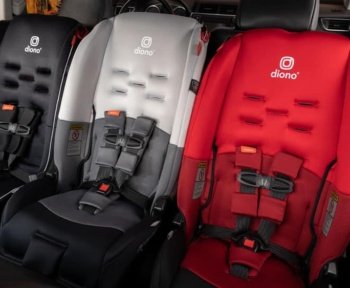
Car seats have their own harness system. They offer full support and protection for young children. Booster seats do not have a harness. They lift children so the airplane the 5-step seat belt fit tests better. Airlines often do not accept booster seats because of this. Car seats are usually safer and accepted on planes. They keep the child secure during turbulence or sudden stops.
Harness Systems And Travel Vests
Harness systems are another option for child safety. These are special belts that strap the child in securely. Travel vests use harnesses and fit over the child’s shoulders and chest. They are lightweight and easy to carry. Many airlines accept travel vests as a safety device. Harnesses add extra security beyond the airplane seat belt alone.
Choosing The Best Option For Your Child
Consider your child’s age, size, and comfort first. Check airline rules for allowed child safety devices. Car seats work well for younger children who need a harness. Travel vests fit smaller children and are easy to use. Booster seats are usually not recommended on planes. Always pick a device that fits well and meets safety standards.
Common Challenges And Solutions
Using a booster seat on an airplane comes with certain challenges. These can make travel feel stressful. Knowing common issues and how to fix them helps a lot. It makes flying with kids easier and safer. Below are some typical problems and practical solutions.
Dealing With Limited Space
Airplane seats are small and tight. Booster seats take up extra room. This makes it hard to fit your child comfortably. Try choosing a window seat. This gives more space to the side. Remove bulky clothing or coats before boarding. Use a booster seat that is slim and lightweight. This helps save space and fits better on the seat.
Handling Airline Staff And Security
Some airline staff may not know booster seat rules. This can cause confusion at the gate. Carry proof that your booster seat is FAA-approved. Show it politely if asked. Explain that the seat is safe and allowed. At security, remove the booster seat from your bag. Place it separately on the conveyor belt. This speeds up the check and avoids delays.
Tips For Smooth Boarding And Exit
Board early to get settled without rush. Keep your child calm and entertained. Use a small bag to carry the booster seat on board. This makes it easier to handle. When leaving the plane, wait for the aisle to clear. Remove the booster seat last to avoid blocking others. Planning helps keep the process smooth and stress-free.
Travel Tips For Families Using Booster Seats
Traveling with kids who use booster seats can be a smooth experience. Careful planning helps keep children safe and comfortable. Knowing how to manage seats, flight times, and activities makes a big difference. Here are some useful tips for families using booster seats on airplanes.
Booking Seats Strategically
Choose seats with extra space for your child and booster seat. Bulkhead seats often offer more legroom and room to install the booster. Avoid middle seats to make boarding and deplaning easier. Check airline rules about booster seats before booking. Some airlines require a window or aisle seat for booster use.
Timing And Flight Selection
Select flights during your child’s usual nap or sleep time. Shorter flights reduce restlessness and make booster use simpler. Early morning or late evening flights tend to be less crowded. This can give your family a more relaxed experience. Try to avoid long layovers when traveling with booster seats.
Keeping Kids Engaged And Comfortable
Bring small toys and books to keep children busy. Pack snacks and drinks for comfort and energy. Dress your child in layers for changing cabin temperatures. Use a cozy blanket or neck pillow for added comfort. Regularly check the booster seat fit to ensure safety throughout the flight.
Common Questions Parents Ask
Can You Use A Booster Seat On An Airplane?
Yes, you can use a booster seat on most airplanes if it meets FAA safety standards. The seat must fit properly in the airplane seat with the airplane seat belt.
Are Airplane Booster Seats Faa Approved?
Not all booster seats are FAA approved. Only those with a label stating they are certified for use on aircraft are allowed.
How Do You Secure A Booster Seat On A Plane?
You secure a booster seat using the airplane’s seat belt. The booster must be stable and positioned correctly for safety.
Can Booster Seats Be Used On All Flights?
Booster seat policies vary by airline and aircraft type. Always check with your airline before traveling to confirm their rules.
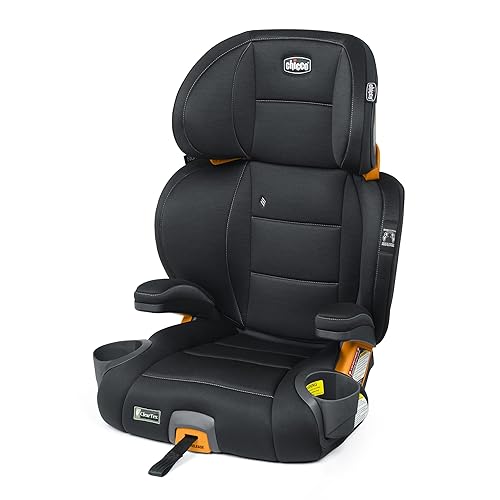
Chicco KidFit ClearTex Plus 2-in-1 Belt-Positioning Booster
- DuoGuard head and torso protection with 10-position height adjustment
- LATCH connectors with SuperCinch tightener keep the booster stable
- Flame retardant-free fabrics, removable and machine washable
As an Amazon Associate, topcarseats.com earns from qualifying purchases at no extra cost to you.
Key Takeaways for Parents
Booster seats can often be used on airplanes, but rules vary. Always check your airline’s policy before flying. Many airlines require FAA-approved car seats for safety. A booster seat without a harness may not be allowed. Safety comes first for your child during travel.
Planning ahead helps avoid stress at the airport. Keep your child secure and comfortable on the plane. Traveling with kids is easier when you prepare well. Safety rules protect your family every time you fly.