Are you planning to travel by plane with your little one and wondering if you can take your convertible car seat along? You want to keep your child safe and comfortable during the flight, but the rules about car seats on airplanes can be confusing.
What exactly is allowed? Will your car seat fit on the plane? Knowing the answers before you pack can save you stress and help your trip go smoothly.
Airline Policies On Car Seats
Airline policies about car seats vary greatly. Knowing these rules helps you plan better. Some airlines allow certain car seats on board. Others have strict rules about size and type.
Understanding these policies avoids last-minute problems at the airport. It also keeps your child safe during the flight. Here are key points about airline rules on car seats.
Approved Car Seat Types
Most airlines accept FAA-approved car seats. These seats meet specific safety standards for air travel. Convertible car seats often qualify if they have the right label. Check for the “This restraint is certified for use in motor vehicles and aircraft” sticker. Car seats without this label may not be allowed on the plane.
Size And Weight Restrictions
Airlines limit the size of car seats on board. Large or heavy seats might not fit in airplane seats. Some airlines require the seat to fit in a single airplane seat. Weight limits can vary but usually range around 40 pounds. Check the airline’s website for specific dimensions and weight rules.
Booking Seats For Children
Booking a separate seat for your child is often required. This allows proper installation of the car seat. Some airlines offer discounted child fares for these seats. Always inform the airline during booking about your car seat use. This ensures a smooth boarding and seating process.
Choosing The Right Convertible Car Seat
Choosing the right convertible car seat for airplane travel matters a lot. Safety, size, and ease of use affect your child’s comfort and security. Picking a seat that fits airline rules helps avoid stress at the airport. Focus on seats made for travel and check key features before buying.
Faa Certification
FAA certification means the car seat is approved for airplane use. It meets strict safety rules set by the Federal Aviation Administration. Look for a label or sticker that says “FAA approved.” This label shows the seat passed crash tests for aircraft. Without this, airlines may not allow the seat on the plane.
Rear-facing Vs Forward-facing
Rear-facing seats keep young children safer during travel. They support the head and neck better in turbulence. Many airlines prefer rear-facing seats for infants. Forward-facing seats suit older toddlers and can be easier to install on planes. Consider your child’s age and size when choosing the direction of the seat.
Compact And Lightweight Options
Compact car seats fit better in tight airplane spaces. They are easier to carry through airports. Lightweight seats reduce travel strain on parents. Choose a seat that balances size, weight, and safety. Seats with folding features or travel bags add convenience.
Preparing The Car Seat For Travel
Preparing your convertible car seat for air travel helps protect it and makes the journey smoother. Proper preparation reduces damage and keeps the seat clean. Follow simple steps to get your car seat ready before the flight.
Protective Covers And Bags
Use a protective cover or bag to shield your car seat. Covers guard against dirt, dust, and scratches. Choose a bag made for car seats to fit well. Avoid bulky bags that add extra weight. A good cover helps keep your seat safe during handling.
Detaching And Packing Accessories
Remove any loose parts like cup holders or toys. Pack these accessories separately in your carry-on bag. Detaching parts prevents them from breaking or getting lost. Secure straps to avoid tangling. Keep everything organized for quick reassembly after the flight.
Cleaning Tips Before Flight
Clean the car seat before you travel. Wipe off dust and dirt with a damp cloth. Check the manufacturer’s label for washing instructions. Remove any crumbs or spills. A clean seat feels fresh and comfortable for your child.
Installing The Car Seat On The Airplane
Installing a convertible car seat on an airplane requires careful attention. This ensures your child stays safe and comfortable during the flight. Understanding the correct steps helps avoid delays and frustration at the airport. Below are key methods to secure the car seat properly on the airplane seat.
Securing With Airplane Seat Belts
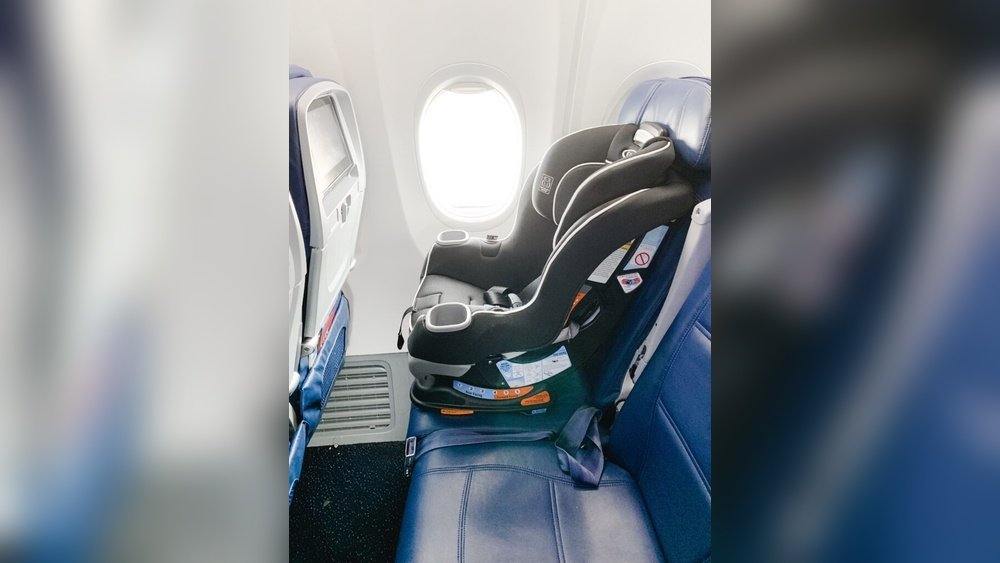
The most common way to install a car seat installing a car seat on a plane is using the airplane seat belt. Thread the airplane seat belt through the car seat’s belt path. Tighten it firmly to prevent any movement. Make sure the seat belt clicks securely. Check that the car seat does not shift more than one inch side-to-side or front-to-back.
Using Tether Straps
Some convertible car seats come with tether straps for extra security. Attach the tether strap to the airplane seat’s anchor point if available. Pull the strap tight to reduce movement. Not all airplane seats have tether anchors. Always check your airplane seat for these before your flight.
Common Installation Challenges
Airplane seats are smaller and narrower than car seats. This can make fitting the car seat tricky. Some car seats might not fit well in the airplane seat. Seat belts can be loose or hard to tighten fully. Tether anchors may not be present on all planes. Practice installing your car seat at home first. Arrive early to get help from flight attendants if needed.
Alternatives To Carrying A Car Seat
Carrying a car seat on a plane can be heavy and hard to manage. Many parents seek easier options for child safety during flights. There are several alternatives that keep your child safe without the need to carry a bulky car seat. These choices help reduce travel stress and still follow airline rules. Explore some practical ways to keep your child secure on an airplane.
Renting Car Seats At Destination
Some places offer car seat rentals for travelers. You can reserve a car seat at your hotel or car rental service. This option lets you avoid carrying your own seat through airports. Rental seats meet safety standards for travel and car use. Book ahead to ensure availability and avoid last-minute problems.
Using Cares Harness
The CARES harness is a lightweight, FAA-approved safety device. It fits children from 22 to 44 pounds and up to 40 inches tall. This harness attaches to the airplane seat belt for a secure fit. It is easy to carry and simple to use. The CARES harness offers a safe alternative without bulky equipment.
Holding Your Child During Flight
You may hold your child on your lap during the flight. Airlines allow infants under two years to fly without a seat. Holding your child can be comforting for both of you. Use the airplane’s seat belt to secure yourself during takeoff and landing. This option requires no extra equipment but offers less safety than a seat or harness.
Safety Tips And Regulations
Traveling with a child requires careful attention to safety. Using a convertible car seat on a plane can keep your child secure. Knowing the rules and tips helps make the trip smooth and safe. The following safety tips and regulations explain how to use car seats during air travel.
Faa Guidelines For Child Safety
The FAA allows children to use car seats on planes. The seat must be approved for aircraft use. Check for a label that says it meets FAA standards. Install the car seat in a window seat only. This keeps the aisle clear for others. Use the plane’s seat belt to secure the car seat. The child must be buckled into the car seat during takeoff and landing. Follow airline rules about car seat size and type. Always call the airline ahead to confirm their policies.
Tips For Long Flights
Bring familiar toys and snacks to keep your child calm. Plan breaks to let your child stretch and move. Dress your child in comfortable clothes for easy changes. Use the car seat as a safe resting spot during the flight. Bring extra blankets or pillows for comfort. Keep the car seat clean and dry. Carry a small bag with essentials like wipes and diapers. Prepare for any changes in cabin pressure by helping your child swallow or yawn.
Handling Layovers And Transfers
During layovers, remove the car seat carefully from the plane seat. Use a travel bag or cover to protect it from damage. Carry the car seat through the airport, avoiding rough handling. Check if the next airline accepts the same car seat. If not, plan an alternative child safety option. Store the car seat safely during layovers to prevent dirt or damage. Arrive early at the gate to reinstall the car seat securely. Stay calm and patient to manage the transfer smoothly.
Common Questions Parents Ask
Can You Use A Convertible Car Seat On An Airplane?
Yes, you can use a convertible car seat on an airplane. It must be FAA-approved for aircraft use. Check the label on the seat to confirm its approval before traveling.
Do Airlines Allow Convertible Car Seats On Flights?
Most airlines allow convertible car seats on flights if they meet FAA guidelines. Always notify the airline in advance about bringing a car seat.
How To Install A Convertible Car Seat On An Airplane?
Install the convertible car seat using the airplane seatbelt. Follow both the car seat and airline instructions carefully for secure installation.
Can A Convertible Car Seat Fit In Airplane Seats?
Convertible car seats usually fit in standard airplane seats. However, check the seat width on your flight to ensure proper fit and safety.
Bring It on Board or Check It: How to Decide
If your child has their own ticket, bringing the convertible on board is the strongest option. The FAA encourages parents to fly children in an approved child restraint rather than on a lap, and the seat rides the whole trip where you can see it.
Checking the seat is the fallback, and it carries a real tradeoff that has nothing to do with airline rules. Checked baggage gets thrown, stacked, and crushed, and a car seat can suffer damage you cannot see from the outside. You would never knowingly use a seat after a crash; a baggage-handling impact is the same kind of unknown.
- If you must check, gate check. The seat skips part of the baggage system and spends less time being handled. Counter check only when you have no other option.
- Use a padded travel bag, not just a courtesy plastic bag. Stuff the empty space with diapers or soft clothes so the shell cannot flex.
- Photograph the seat before handing it over. If it comes back cracked or with bent hardware, you want evidence for the airline claim.
- Inspect before reinstalling. Check the shell, belt paths, and harness for cracks or fraying before the seat goes into the rental car.
Match the Plan to Your Trip, Not Someone Else’s
There is no single right answer to flying with a convertible seat. The right setup depends on your child’s age, whether you will drive at the destination, and how many hands you have at the airport. Run your trip through this quick matrix before you pack.
| Trip scenario | On the plane | At the destination |
|---|---|---|
| Toddler, road trip on arrival | Bring the convertible, install on board | Same seat goes straight into the car |
| Toddler, city trip with transit | CARES harness if within its size range | No seat needed for trains and walking |
| Visiting family who drive | Travel light, child in their ticketed seat | Ask family to borrow or buy an inexpensive seat ahead of time |
| Rental car at arrival | Bring your own if you can manage it | Rental-counter seats vary in condition and history |
The rental-counter option deserves a hard look before you rely on it. You usually cannot verify the seat’s age, crash history, or even whether the right model will be available. Many traveling parents decide that hauling their own seat, or shipping an inexpensive one to their destination, beats that uncertainty.
Getting Through Security and Boarding Smoothly
The hardest part of flying with a convertible seat is often the half mile between the curb and your row. A little logistics planning turns it from an ordeal into a routine.
At security, the car seat goes through the X-ray machine like luggage. Empty the cup holders, pull off loose toys, and be ready to lift it onto the belt while also managing your child. If it does not fit the scanner, officers will inspect it by hand, which takes a few extra minutes.
- Make the seat roll. A folding luggage cart, a strap kit that mounts the seat to a rolling carry-on, or simply clipping it onto a stroller saves your arms and your patience.
- Use family preboarding. Installing a convertible in a narrow row takes a few minutes. Boarding early means you do it without an audience pressing past you.
- Practice the belt-path install at home. Run the routine once on a dining chair using just the lap portion of a belt. On the plane you will do it one-handed with a wiggling child, so muscle memory helps.
- Flip the buckle before tightening. Airplane belt buckles often land right in the belt path. Positioning the buckle so it can still open saves you from re-doing the install at landing.

Graco Extend2Fit Convertible Car Seat
- Rear-facing harness from 4 to 50 lb, forward-facing harness to 65 lb
- 4-position extension panel adds up to 5 inches of legroom for longer rear-facing
- No-rethread harness and headrest adjust together in one motion
As an Amazon Associate, topcarseats.com earns from qualifying purchases at no extra cost to you.
Key Takeaways for Parents
Taking a convertible car seat on a plane is possible and often helpful. Airlines usually allow it, but rules can vary. Always check with your airline before you travel. Use FAA-approved seats for safety and smooth boarding. Bringing your own seat can keep your child secure and comfortable.
Plan ahead to avoid surprises at the airport. Traveling with a car seat can make your trip easier and safer. Remember, your child’s safety matters most during flights. Simple steps and preparation make flying with a car seat stress-free.