Are you thinking about buying a used convertible car seat? It might seem like a smart way to save money, but is it really safe for your child?
Are you thinking about buying a used convertible car seat? It might seem like a smart way to save money, but is it really safe for your child?
Your little one’s safety is priceless, and choosing the right car seat is one of the most important decisions you’ll make. You’ll discover key facts and expert tips that will help you decide if a used all convertible car seat guides is the right choice for your family.
Risks Of Used Convertible Car Seats
Buying a used convertible car seat might seem like a good idea to save money. But there are some risks to know about. These risks can affect your child’s safety during travel. Understanding them helps you make a smarter choice.
buying a used car seats may look fine but have hidden problems. Safety rules change, and seats can expire. Also, some seats may have been in accidents or recalled. These factors can make a used seat unsafe.
Hidden Damage And Wear
Used car seats can have unseen damage. Cracks or broken parts may not be visible. Fabric can weaken or straps can fray over time. These issues reduce the seat’s ability to protect your child.
Previous accidents may cause internal damage. It might not be easy to detect. This damage can weaken the seat’s structure.
Expiration Dates And Safety Standards
Car seats have expiration dates for a reason. Materials break down and lose strength after years. Using an expired seat increases risk in a crash. Safety standards also change over time.
Older seats may not meet current safety rules. This means they might not protect as well as newer models.
Recall And Accident History
Some car seats are recalled for safety problems. Recalls fix dangerous defects or design flaws. A used seat may be part of a recall. It can be unsafe if not repaired or replaced.
Seats involved in accidents should never be reused. Their safety can be compromised even if they look fine.
Safety Guidelines For Buying Used Car Seats
Buying a used convertible car seat can save money. Safety must be the top priority. Follow these all car seat safety guideslines to protect your child.
Check every detail carefully. A used car seat may have hidden problems. Make sure it meets safety standards before use.
Checking Manufacturer Information
Locate the manufacturer’s label on the car seat. It shows the model number and manufacture date. Use this to confirm the seat’s age and make. This info helps check recalls and safety ratings.
Inspecting For Cracks And Missing Parts
Examine the car seat closely for cracks or damage. Look at the plastic and metal parts. Missing screws or buckles can be dangerous. Make sure all parts work properly and fit tightly.
Verifying Expiration And Recall Status
why car seats expire after a few years. Check the expiration date on the label. Expired seats lose protection in crashes. Search online for recall notices using the model number. Avoid seats with unresolved recalls.
Pros And Cons Of Used Convertible Seats
Buying a used convertible car seat can save money and help the environment. It also comes with risks that need careful thought. Knowing the pros and cons helps parents make smart choices for their child’s safety and comfort.
Cost Savings
Used convertible seats cost much less than new ones. This helps families on a tight budget. You can find good seats for a fraction of the price. Saving money means you can spend on other child needs. It makes quality car seats more affordable for many parents.
Potential Safety Compromises
Used seats might have hidden damage from accidents or wear. Older seats may not meet the newest safety rules. Missing parts or unclear history can risk your child’s safety. It is hard to be sure about a seat’s condition. Checking for recalls and expiration dates is very important.
Environmental Impact
Buying used seats reduces waste and saves resources. It keeps plastic and metal out of landfills. Reusing items helps lower pollution from making new products. Choosing used seats supports a greener lifestyle. It is a simple way to care for the planet.
Alternatives To Buying Used Seats
Buying a used convertible car seat can be risky. Safety is the top priority for your child. Many parents want safe options without spending too much. Several alternatives offer safety and savings. These options help you avoid the dangers of used seats.
Certified Refurbished Car Seats
Certified refurbished seats go through strict safety checks. Experts clean and repair every part. These seats meet the same safety rules as new ones. They come with a warranty for extra peace of mind. Certified seats cost less than brand new models.
Discounts On New Models
Many stores offer sales or discounts on new car seats. Seasonal promotions and clearance sales lower prices. You can find a new seat within your budget. Buying new means full safety and no hidden damage. Keep an eye out for special deals online or in stores.
Car Seat Loan And Exchange Programs
Some communities have programs to loan or exchange car seats. These programs ensure the seats are safe and up to date. You may borrow a seat for short-term needs. Exchange programs let you trade an old seat for a safer one. These options support families with limited budgets.
Tips For Installing Convertible Car Seats Safely
Installing a convertible car seat correctly is key to your child’s safety. Follow simple steps to ensure the seat fits well and protects your little one. Proper installation lowers injury risk in accidents.
Focus on three main areas: seat position, harness fit, and seeking professional help if needed. Each step matters for a secure and safe ride.
Proper Seat Positioning
Place the car seat in the back seat, the safest spot for children. Use the vehicle’s seat belt or LATCH system to secure the seat tightly. Check that the car seat does not move more than one inch side to side or front to back. Rear-facing seats should recline at the correct angle to keep your baby’s airway open.
Harness Adjustments
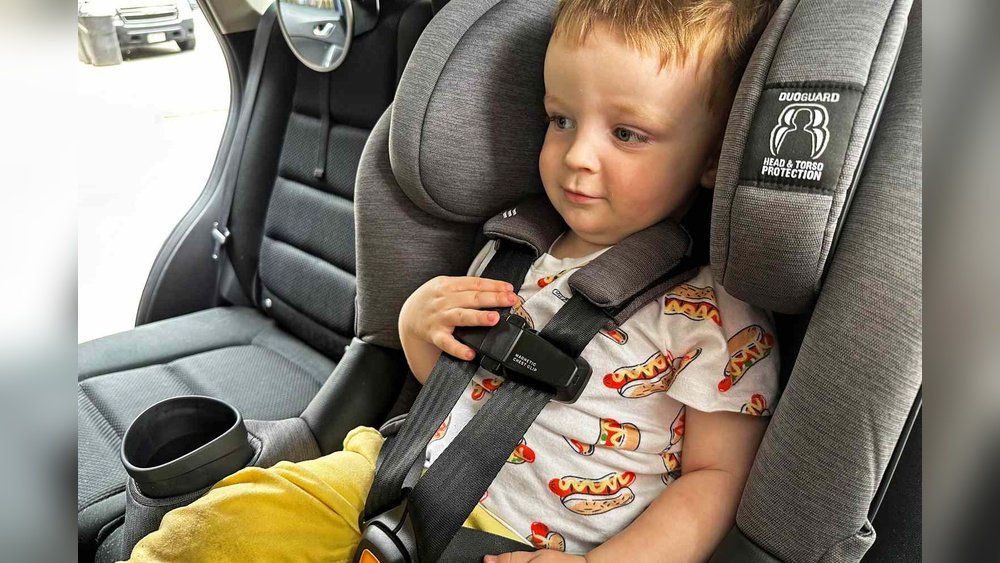
Adjust the harness straps so they are snug but not too tight. The chest clip should be at armpit level to keep straps in place. Straps must lie flat without twists. Check the fit each time you place your child in the seat. This step keeps your child secure in sudden stops or crashes.
Professional Installation Help
Car seat installation can be tricky. Visit a certified technician or local inspection station for free help. They check that the seat is checking if your car seat is installed correctly and fits your vehicle. Professionals can spot mistakes and teach you the right way to secure the seat. This ensures the highest safety for your child.
Common Questions Parents Ask
Is Buying A Used Convertible Car Seat Safe?
Buying a used convertible car seat can be risky. Check for recalls, expiration dates, and crash history before buying. Ensure it has all parts and no visible damage to guarantee safety.
How To Check A Used Car Seat’s Expiration Date?
Locate the expiration date on the car seat’s label or molded into the plastic. Expired seats may have weakened materials, reducing crash protection. Avoid using car seats past their expiration for your child’s safety.
What Should I Inspect Before Buying A Used Car Seat?
Inspect for cracks, missing parts, and worn straps. Confirm the seat hasn’t been in a crash. Verify the harness system works smoothly. Cleanliness and proper labels are also important for safe use.
Can A Car Seat Be Reused After A Crash?
No, car seats should never be reused replacing a car seat after an accident. Crash impacts can damage the seat’s structure, compromising safety. Always replace a car seat that has been involved in any accident.
Why the Seller Matters More Than the Seat
The single most useful question in the used seat decision is not about the seat. It is about the person selling it. A car seat’s biggest dangers are invisible, so you are really buying the seller’s honesty and memory, not just the plastic.
Think of it as a trust ladder:
- Your own family or a close friend. This is the only tier most safety technicians are comfortable with. You know whether the seat was in a crash, how it was stored, and that nobody would knowingly pass you a damaged seat.
- A trusted acquaintance, like a coworker or neighbor. Reasonable, but ask direct questions and watch how confidently they answer. Vague answers are a no.
- A stranger on a marketplace app or at a yard sale. Skip it. A stranger has every incentive to say “never crashed” and no way for you to verify it. Even an honest seller may not know the seat’s full history if they were not the first owner.
- A thrift store or curb find. Never. There is zero history, and donated seats are often given away precisely because something is wrong with them.
If the seat does not come from the top of this ladder, the money you save is buying you uncertainty in the one product whose entire job is a single moment of crash protection.
Questions to Ask Before Any Money Changes Hands
Treat the purchase like a short interview. An honest seller with a genuinely safe seat will answer all of these quickly and without hedging. Hesitation or annoyance is itself an answer.
- Are you the original owner? If not, the chain of history is already broken and you should walk away.
- Has it ever been in any crash, even a parking lot tap? Ask it exactly this way. Many people only count “real” accidents and forget minor ones.
- Do you still have the manual and all original parts? Missing locking clips, padding inserts, or recline feet can change how the seat performs.
- How was it stored between kids? Years in a hot attic or damp garage age plastic and webbing far faster than years of normal use.
- Has the cover or harness ever been replaced or washed in a machine? Aftermarket covers and machine washed harness straps both compromise the seat.
- Why are you selling it? “Our child outgrew it” is a good answer. A long pause is not.
Ask for the model number and date of manufacture by text before you drive anywhere. If the seller cannot find the label, you have your answer without leaving the house.
Setting Up a Secondhand Seat the Right Way
If the seat passed every check and came from someone you trust, a short setup routine puts it on equal footing with a new one.
Start by registering the seat with the manufacturer in your own name, using the model number and date of manufacture from the label. Registration is free, takes a few minutes online, and means future recall notices come to you instead of the previous owner. This matters because recalls can be issued years after a seat ships.
Next, download the exact manual for your model from the manufacturer’s website, even if you got the paper copy. Then do a deep clean by the book. Most covers can be removed and washed per the manual’s instructions, but harness straps should only be wiped with mild soap and water. Never machine wash, soak, or use strong cleaners on the webbing, because that can weaken the fibers that hold your child in a crash. Finally, practice rethreading the harness to your child’s current height before the first drive, since the previous family almost certainly had it set for a different kid.

Graco Extend2Fit Convertible Car Seat
- Rear-facing harness from 4 to 50 lb, forward-facing harness to 65 lb
- 4-position extension panel adds up to 5 inches of legroom for longer rear-facing
- No-rethread harness and headrest adjust together in one motion
As an Amazon Associate, topcarseats.com earns from qualifying purchases at no extra cost to you.
Key Takeaways for Parents
Buying a used convertible car seat can be risky. Safety matters most for your child. Check the seat’s history carefully before buying. Look for recalls and expiration dates. Avoid seats with visible damage or missing parts. Always follow the manufacturer’s instructions for installation.
A good car seat keeps your child safe. Choose wisely and stay cautious to protect your little one. Safety is not worth taking chances. Trust your judgment and stay informed.