Keeping your toddler warm in their car seat without using a bulky puffy coat can feel tricky. You want your child cozy and safe, but thick jackets can affect how the car seat fits.
Keeping your toddler warm in their car seat without using a bulky puffy coat can feel tricky. You want your child cozy and safe, but thick jackets can affect how the car seat fits.
If you’re worried about cold rides and uncomfortable layers, this guide is for you. You’ll discover simple, effective ways to keep your little one warm, comfortable, and secure -without the hassle of a heavy coat.
Risks Of Puffy Coats In Car Seats
Keeping toddlers warm in car seats is important during dressing baby for the car seat in winter. Puffy coats might seem like the best choice. But they can cause safety problems. Understanding the risks helps parents keep children safe and cozy without bulky jackets.
How Puffy Coats Affect Harness Fit
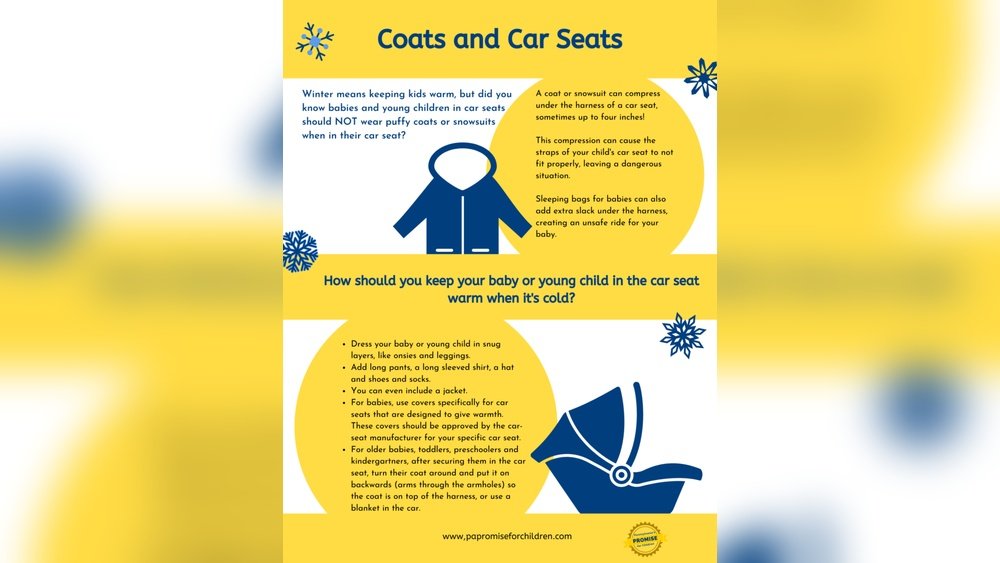
Puffy coats add thick layers between the child and the harness. This extra padding makes the harness straps loose. Loose straps cannot hold the child securely. The child may slip out or move too much in a crash. Proper harness fit means the straps lie flat and snug against the body. Puffy coats prevent this important fit.
Potential Safety Hazards
In a crash, the air trapped in the coat compresses quickly. This causes the harness to loosen at the worst moment. A loose harness increases the risk of injury. Puffy coats also make it hard to buckle and adjust the straps correctly. Parents might think the child is secure when they are not. Using thin layers or blankets is safer than thick coats in car seats.
Choosing The Right Clothing
Choosing the right clothing helps keep your toddler warm in a car seat without a puffy coat. Thick coats can block the car seat straps and make safety less effective. Instead, dress your child in soft, warm clothes that fit well. This method keeps your toddler cozy and safe during car rides.
Layering With Thin, Warm Fabrics
Start with a thin, long-sleeve shirt as the base layer. Add a light sweater or vest on top for extra warmth. Thin layers trap heat without adding bulk. Layers are easy to remove if your child gets too warm. This method keeps your toddler comfortable and warm.
Using Fleece And Wool Materials
Choose fleece or wool for middle layers because they keep heat well. These materials are soft and gentle on your toddler’s skin. Wool can stay warm even if it gets damp from sweat. Fleece dries quickly and feels cozy. Both materials add warmth without extra weight or puffiness.
Safe Alternatives To Puffy Coats
Keeping toddlers warm in car seats without puffy coats needs smart choices. Puffy coats can make car seats unsafe by affecting the harness fit. Parents need safe ways to keep kids cozy without bulky jackets. Simple alternatives help keep your toddler warm and secure during rides.
Car Seat Covers Designed For Safety
Car seat covers made for safety provide warmth without bulk. These covers go around the seat, not under the harness. They trap heat and protect from cold air. Many covers have soft, warm fabrics like fleece or wool. They keep your toddler warm and do not affect harness tightness. Always choose covers that fit your car seat model. Check for safety labels before buying. These covers are easy to use and clean.
Wearable Blankets And Ponchos
Wearable blankets and ponchos are great warm options. They fit over the harness, so straps stay snug. These items wrap around your child like a cozy cape. They block cold wind and keep heat close. Look for soft, breathable materials that feel good on skin. Ponchos and blankets are easy to put on and take off. They work well for quick trips and long drives. These alternatives make your toddler comfortable and safe.
Proper Harnessing Techniques
Proper harnessing techniques keep your toddler safe and warm without bulky coats. Puffy coats can create gaps between the child and the harness. These gaps reduce the harness’s effectiveness in a crash. Using correct harnessing methods ensures safety and comfort.
Ensuring Snug Harness Fit
The harness should fit snugly against your toddler’s body. Tighten the straps until you cannot pinch any slack. The harness must lie flat without twists or slack. A snug fit keeps your child secure and warm.
Adjusting Straps Over Layers
Dress your toddler in thin, warm layers under the harness. Avoid thick coats or jackets under the straps. Adjust the harness straps to fit over the layers snugly. This approach keeps your child warm without compromising safety.
Keeping Feet And Hands Warm
Keeping your toddler’s feet and hands warm in a car seat is important for comfort and safety. Cold hands and feet can make your child fussy during the ride. Without a puffy coat, it is essential to find other ways to protect these areas from the cold. Simple items can help keep your toddler cozy and happy.
Using Socks And Mittens
Choose thick, soft socks to keep little feet warm. Wool or fleece socks work best in cold weather. Avoid thin cotton socks, as they do not provide enough warmth. Mittens are easier to put on than gloves. They trap heat better because fingers stay together. Look for mittens with a soft lining for extra comfort. Put socks and mittens on before placing your child in the car seat.
Footmuffs And Hand Covers
Footmuffs are like sleeping bags for car seats. They keep your toddler’s feet warm without adding bulk. Many footmuffs have a soft inner lining and a water-resistant outside. Hand covers attach to the car seat straps to shield hands from cold air. These covers are easy to remove and clean. Both footmuffs and hand covers allow your child to move freely while staying warm. They are good choices for cold days without using thick coats.
Additional Tips For Cold Weather Travel
Traveling with a toddler in cold weather needs some extra care. Keeping your child warm in the car seat without a puffy coat can be safe and simple. Some small steps make a big difference. These tips help protect your toddler from cold without bulky clothes.
Pre-warming The Car Seat
Before placing your toddler in the car seat, warm it up. Use a car heater or a warm towel for a few minutes. This helps the seat feel cozy. It stops the cold from shocking your child’s body. A warm seat makes your toddler more comfortable and calm during the ride.
Using Blankets After Securing Harness
Always buckle your toddler in first. The harness must be snug and secure. Then, wrap a soft blanket over them. The blanket keeps your child warm without adding bulk under the straps. Choose blankets made from fleece or wool for extra warmth. This method keeps your toddler safe and cozy at the same time.
Common Questions Parents Ask
How To Keep Toddler Warm Without Bulky Coats In Car Seats?
Use thin, insulated layers like fleece or wool clothing. Add a warm blanket over the harness. Avoid bulky coats that affect safety. Ensure snug, comfortable clothing to maintain warmth without compromising the car seat’s fit or protection.
Why Avoid Puffy Coats In Toddler Car Seats?
Puffy coats create extra space between the harness and child. This can reduce harness effectiveness in crashes. It increases injury risk by allowing too much movement. Always dress toddlers in slim layers for car seat safety and warmth.
What Are Safe Alternatives To Puffy Coats For Warmth?
Opt for fleece jackets, wool sweaters, or thermal onesies. Use car seat covers designed for safety. Add a blanket on top after securing the harness. These alternatives keep toddlers warm without compromising car seat protection.
Can Blankets Replace Coats In Car Seats?
Yes, blankets can keep toddlers warm if used correctly. Secure the harness first, then cover with a warm blanket. Avoid bulky coats under harnesses. This method ensures safety and warmth during car rides.
The Two Minute Coat Test for Any Jacket
Not every coat is a puffy coat, and some slim jackets are perfectly fine in a harness. Instead of guessing, run the test that child passenger safety technicians teach. It takes two minutes in your driveway and gives you a clear yes or no for any specific jacket.
Here is how it works:
- Step one. Put the coat on your toddler, buckle them into the seat, and tighten the harness until you cannot pinch any webbing at the shoulder.
- Step two. Unbuckle your child and take the coat off without touching the harness adjuster.
- Step three. Buckle them back in wearing just their regular clothes, again without tightening anything.
- Step four. Try the pinch test at the shoulder. If you can now pinch a fold of strap between your fingers, that slack was nothing but coat. The jacket fails and should not be worn under the harness.
If the harness is still snug in step four, that particular jacket is thin enough to ride in. Retest whenever you buy new outerwear or your child moves up a clothing size, because two jackets that look identical on the rack can compress very differently.
A Quick Dressing Guide by Outside Temperature
Most cold weather mistakes come from dressing for the walk to the car instead of the ride in it. The cabin warms up within minutes, so the goal is a base outfit that works in a heated car, plus removable warmth for the time outside. Use this as a starting point and adjust for your own child, since some kids run hot and others always have cold hands.
| Outside Feel | Under the Harness | On Top, After Buckling |
|---|---|---|
| Cool, light jacket weather | Long sleeves and pants | Nothing extra needed |
| Cold, frost on the windshield | Thin thermal layer plus a fleece | Blanket over the harness, hat on |
| Bitter, deep winter cold | Thermal layer, fleece, warm socks | Blanket plus coat worn backward over the buckled harness |
The backward coat trick deserves a special mention. After the harness is snug, slide your toddler’s arms into their coat sleeves with the coat facing backward, so it drapes over their chest like a blanket with sleeves. They stay warm, nothing sits between their body and the straps, and they can shrug it off themselves if they get hot.
Watch for Overheating, the Problem Nobody Mentions
Parents worry so much about cold that the opposite problem sneaks by. A toddler dressed for the outdoors in a car that has been blasting heat for twenty minutes can get genuinely overheated, and a kid who cannot unzip anything is stuck with whatever you dressed them in.
Check the back of your child’s neck at red lights on longer drives. Sweaty hair, a damp shirt collar, or flushed cheeks mean it is time to pull a layer off at the next safe stop. Crankiness that starts ten minutes into a warm drive is often heat, not boredom.
A simple rule keeps this easy: dress your toddler in roughly what you are comfortable wearing inside the car, plus one thin layer. Put the serious warmth in things you can remove without unbuckling, like hats, blankets, and the backward coat. That way the harness fit never changes, and you can tune your child’s temperature on the move instead of committing to one outfit for the whole trip.

Graco Extend2Fit Convertible Car Seat
- Rear-facing harness from 4 to 50 lb, forward-facing harness to 65 lb
- 4-position extension panel adds up to 5 inches of legroom for longer rear-facing
- No-rethread harness and headrest adjust together in one motion
As an Amazon Associate, topcarseats.com earns from qualifying purchases at no extra cost to you.
Key Takeaways for Parents
Keeping your toddler warm in a car seat without a puffy coat is simple. Use thin layers and cozy blankets. Choose clothes that fit well and do not block straps. A warm hat and mittens help a lot. Always check your child’s temperature during the ride.
Stay safe and comfortable on every trip. Small steps make a big difference in cold weather. Your child will stay snug without bulky coats. Enjoy stress-free travel with these easy tips.