Are you wondering why your 10-year-old still needs a booster seat? they’re too big for it by now, but the truth could surprise you.
Keeping your child safe in the car is more than just a rule -it’s about protecting what matters most. You’ll discover the real reasons behind all booster seat guides recommendations and how they keep your child safer than you might expect.
Booster Seat Basics
Booster seats help children ride safely in cars. They raise kids so seat belts fit right. This stops injuries during sudden stops or crashes. Even at 10 years old, many kids need booster seats for the best protection.
Understanding booster seat basics can guide parents to make smart safety choices. These seats come in different types and designs. Knowing what works best helps keep kids secure and comfortable.
What Is A Booster Seat?
A booster seat lifts a child higher in the car seat. This helps the seat belt sit across the child’s chest and hips, not the neck or stomach. It makes the seat belt safer and more effective.
Booster seats are for kids who outgrow car seats but are too small for regular belts. They improve the 5-step seat belt fit test for better safety. These seats reduce the risk of injury in crashes.
Types Of Booster Seats
There are two main types of booster seats: high-back and backless. High-back boosters offer head and neck support. They work well in cars without headrests or with low seat backs.
high-back vs backless booster guides are smaller and easier to carry. They work best in cars with good headrests. Both types help seat belts fit properly and protect kids during travel.
Age Vs. Size Factors
Parents often wonder why their 10-year-old still needs a booster seat. The answer lies in understanding age versus size factors. Age alone does not determine the need for a booster seat. A child’s height and weight play a bigger role in safety. Booster seats protect children by making seat belts fit properly. This section explains why size matters more than age.
Height And Weight Requirements
Most booster seats have height and weight limits. A child should use a booster seat until the seat belt fits correctly. This usually happens around 4 feet 9 inches tall. Weight limits vary, but many booster seats support children up to 100 pounds. Children under these size limits need booster seats for proper seat belt positioning. Proper fit prevents injuries during crashes.
Why Age Alone Isn’t Enough
Children grow at different rates. Some 10-year-olds may be smaller than average. Using only age to decide can risk safety. Seat belts designed for adults can hurt smaller children. Booster seats help position the seat belt on the shoulder and lap correctly. This reduces the chance of serious injury. Size and fit are the real all car seat safety guidess, not just age.
Safety Benefits Of Booster Seats
Booster seats play a big role in keeping children safe in cars. They help children sit correctly and use seat belts the right way. This improves protection during a crash. Understanding these safety benefits shows why kids still need booster seats at age 10.
Booster seats are not just about comfort. They are about safety and reducing harm. Let’s look at how they help keep children safe.
Proper Seat Belt Positioning
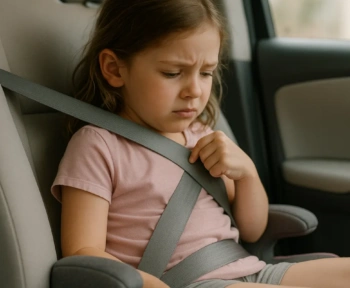
Booster seats lift children up to fit seat belts properly. The belt should lie across the chest and shoulder. It must never touch the neck or face. The lap belt should sit low on the hips, not the stomach. Proper belt placement keeps pressure on strong bones. This prevents serious injuries during crashes. Without a booster, seat belts often fit poorly on kids.
Reducing Injury Risks
Booster seats reduce the chance of injury in many ways. They spread crash forces over stronger body parts. The risk of cuts, bruises, or internal injuries lowers. Kids who use booster seats have fewer injuries in car accidents. These seats also help prevent dangerous head and neck injuries. Using a booster is a simple step to protect children on every trip.
Legal Requirements By Region
Legal rules about booster seats vary widely. These laws protect children by ensuring they use the right safety seat. Knowing these rules helps parents keep their kids safe and avoid fines.
State And Country Laws
Each state or country has its own booster seat rules. Some require booster seats until age 8 or 9. Others focus on a child’s height and weight instead of age. Always check local laws before traveling or changing seats. This keeps children safe and follows the law.
Penalties For Non-compliance
Breaking booster seat laws leads to fines and tickets. Penalties differ by place but often include fines over $100. Some areas add points to your driving record. Repeated offenses can increase fines. Following booster seat laws avoids these problems and protects your child.
When To Transition Out
Knowing when to transition your child out of a booster seat is very important. It keeps them safe and comfortable during car rides. Age alone does not decide this change. You must watch for clear signs that your child is ready.
Signs Your Child Is Ready
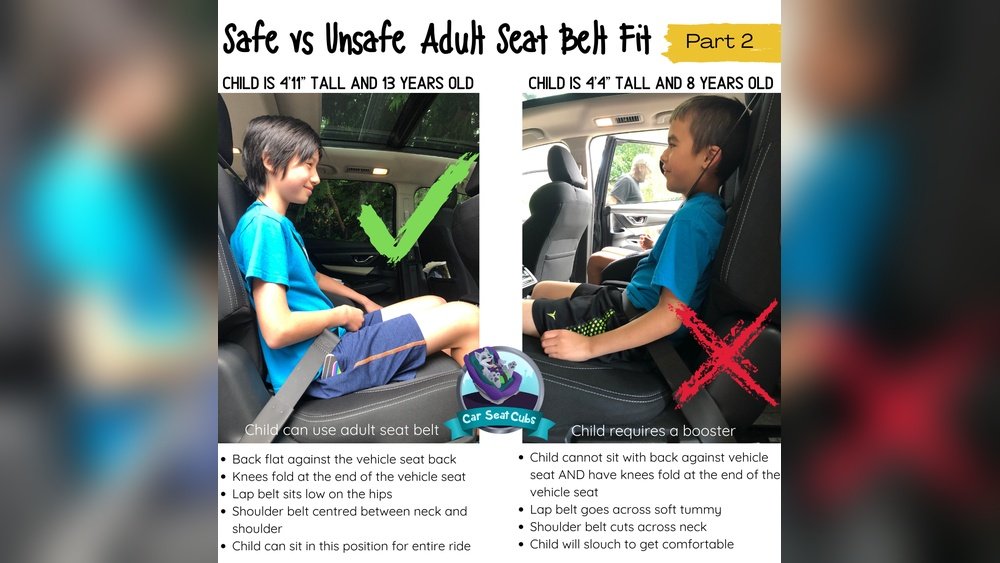
Your child can sit properly with the seat belt. The belt should lie across the middle of their chest and shoulder. It must not touch their neck or face. The lap belt should fit low on the hips, not the stomach.
They must be tall enough. Usually, this means reaching 4 feet 9 inches. Sitting still for the whole trip is also key. If your child slouches or moves around too much, the seat belt won’t fit right.
Alternatives To Booster Seats
Once your child is ready, the adult seat belt is the best option. Some cars offer adjustable seat belts for better fit. Seat belt adjusters can help guide the belt properly too.
For kids who need more support, high-back booster seats offer extra protection. They provide head and neck support for longer trips. Choosing the right option keeps your child safe as they grow.
Common Myths About Booster Seats
Many parents wonder why their 10-year-old still needs a booster seat. Myths about booster seats cause confusion and unsafe choices. Clearing these myths helps parents keep children safe in cars.
Age Limits Misconceptions
Some believe children outgrow booster seats by age 8. Safety experts say age is not the only factor. Size and weight matter more than age. A child may need a booster seat past age 10 if they are small. Booster seats help position seat belts correctly for safety. Using a booster seat until the child fits the car belt properly is best.
Comfort And Convenience Concerns
Many think booster seats are uncomfortable or inconvenient. Modern booster seats are designed for comfort and easy use. Children can sit better and safer with proper belt fit. Booster seats do not take much space in the car. Removing or installing booster seats is simple and fast. Comfort and safety go hand in hand with booster seats.
Tips For Choosing The Right Booster
Choosing the right booster seat for your 10-year-old matters. It keeps them safe and comfortable during every ride. The right booster fits their size and works well with your car. Good choices help children sit properly and wear seat belts correctly. This section shares simple tips to find the best booster for your child.
Fit And Comfort Considerations
Check the booster seat size to match your child’s height and weight. A seat that is too big or small can cause discomfort and reduce safety. Look for adjustable boosters that grow with your child. Soft padding makes long trips more pleasant. Make sure the seat belt fits across the chest and lap, not the neck or stomach. Comfort helps kids stay seated properly every time.
Installation And Usage Tips
Follow the booster seat instructions carefully for checking if your car seat is installed correctly. A loose or wrong fit can be dangerous. Use the car’s seat belt to secure the booster firmly. Some boosters have clips or anchors to keep them stable. Teach your child how to sit still and wear the belt right. Regularly check the booster’s position and straps. Proper use ensures the best protection on every drive.
Common Questions Parents Ask
Why Does A 10-year-old Still Need A Booster Seat?
A 10-year-old may need a booster seat for proper seatbelt fit. Booster seats position the seatbelt correctly over the child’s shoulder and lap. This ensures maximum safety during a crash. Kids under 4 feet 9 inches tall often require boosters.
At What Age Can Kids Stop Using Booster Seats?
Children can when a child can stop using a booster seats when they reach 4 feet 9 inches tall. This is usually between ages 8 and 12. The seatbelt must fit properly without a booster to ensure safety. Height, not just age, determines booster seat use.
Are Booster Seats Legally Required For 10-year-olds?
Booster seat laws vary by state or country but often require use until age 8 or 10. Many laws also specify height requirements. It’s important to check local regulations to ensure compliance and child safety on the road.
How Do Booster Seats Improve Child Safety?
Booster seats help seatbelts fit properly on a child’s body. Proper fit reduces injury risk in crashes by spreading forces across stronger body parts. They prevent the seatbelt from cutting the neck or slipping off the shoulder.
When Your 10 Year Old Pushes Back: Handling the Embarrassment Factor
By age 10, the hardest part of booster use is rarely the seat itself. It is the social side. Friends have moved on, carpool windows reveal everything, and “babyish” is the worst insult in the fifth grade vocabulary. Plan for this resistance instead of being surprised by it.
Start by changing the equipment, not the rule. A low-profile backless booster looks more like a seat cushion than a car seat, and many kids who fight a tall high-back booster accept a backless one without a word. If your child still needs head support for sleeping or your vehicle lacks proper headrests, keep the high-back, but let your child pick the color and treat it as their gear.
Then change the framing. Compare it to equipment, not age: hockey players wear helmets, cyclists wear gloves, and riders under a certain height use a booster because adult belts are built for adult bodies. The booster is about geometry, not maturity. Some parents also find it helps to point out that plenty of small adults would be safer with better belt fit too; this is physics, not a verdict on being a big kid.
Finally, hold the line quietly. Skip lectures, skip negotiations at the curb, and make the booster as routine as the seat belt itself. Kids escalate what gets a reaction.
The Same Child Can Pass in One Car and Fail in Another
Here is the detail that surprises most parents: belt fit is not just about your child’s body. It is about how your child’s body meets a specific vehicle seat. Seat depth, cushion angle, belt anchor positions, and headrest design all vary from car to car.
That means a 10 year old might genuinely sit well without a booster in one vehicle and clearly need one in another. Deep seat cushions are the usual culprit. If the seat pan is long, your child slides forward so their knees can bend, and the lap belt rides up off the hips onto the soft abdomen, exactly where you do not want crash forces to land.
- Check fit in every car your child rides in regularly. Your sedan, your partner’s SUV, and grandpa’s truck are three separate tests.
- Check every seating position too. The belt geometry behind the driver may differ from the middle or the passenger side.
- When in doubt, use the booster. A booster in a car where it was not strictly needed costs nothing. A bad belt fit in a car where it was needed can cost a great deal.
Keeping an inexpensive backless booster in each regular vehicle removes the daily decision entirely.
The Law Is a Floor, Not a Finish Line
Many parents stop booster use the day their state law allows it, often around age 8. It is worth understanding what that date actually means. Child restraint laws are minimum standards shaped by enforcement practicality and politics as much as by biomechanics. They tell you the point below which you can be ticketed, not the point at which the adult belt fits your child.
Safety guidance from groups like the American Academy of Pediatrics points to fit, not age: a child should stay in a booster until the adult belt fits correctly on its own, which for most kids happens somewhere between ages 8 and 12 as they approach 4 feet 9 inches. A typical 10 year old can be fully legal riding without a booster and still be poorly protected by a belt that crosses their neck and stomach.
So when your child argues that “the law says I don’t need one,” you can agree and redirect: the law sets the minimum, and your family runs on the fit test. That distinction also serves them later as a teen driver, when legal speed and safe speed will not always be the same number either.
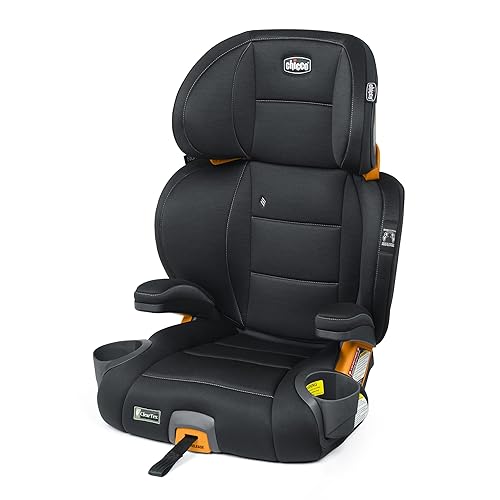
Chicco KidFit ClearTex Plus 2-in-1 Belt-Positioning Booster
- DuoGuard head and torso protection with 10-position height adjustment
- LATCH connectors with SuperCinch tightener keep the booster stable
- Flame retardant-free fabrics, removable and machine washable
As an Amazon Associate, topcarseats.com earns from qualifying purchases at no extra cost to you.
Key Takeaways for Parents
Keeping your 10-year-old in a booster seat helps protect them better. Their bones and muscles are still growing and need support. Seat belts fit correctly only with a booster seat. It reduces the risk of injury during sudden stops or crashes.
Safety should always come first, no matter their age. Trust experts who recommend booster seats for older kids too. Remember, every child grows at a different pace. Staying cautious ensures your child travels safely every time. A booster seat is a small step for big safety.