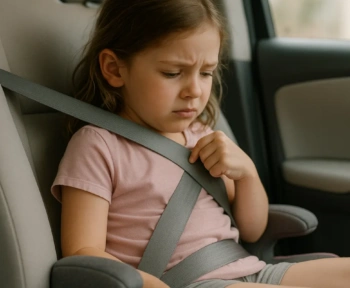
Is your child constantly slouching in their booster seat? You’re not alone, and it can be frustrating to see them uncomfortable or unsafe during car rides.
Is your child constantly slouching in their booster seat? You’re not alone, and it can be frustrating to see them uncomfortable or unsafe during car rides.
Slouching affects their posture and can reduce the all booster seat guides‘s effectiveness. But don’t worry -you can help your child sit properly and stay comfortable every trip. You’ll discover simple, practical tips to keep your child sitting upright and secure.
Importance Of Proper Posture
Proper posture in a booster seat helps your child sit comfortably and safely. Good posture supports their growing bones and muscles. It also keeps them alert during the ride. Teaching your child to sit correctly prevents bad habits that can cause pain later. A simple adjustment can make a big difference in their health and safety.
Health Risks Of Slouching
Slouching puts extra pressure on the spine. It can cause back and neck pain over time. Poor posture may lead to muscle strain and headaches. Children who slouch might have trouble breathing deeply. This reduces oxygen flow and can make them feel tired or restless. Teaching proper posture helps avoid these health problems.
Safety Concerns In Booster Seats
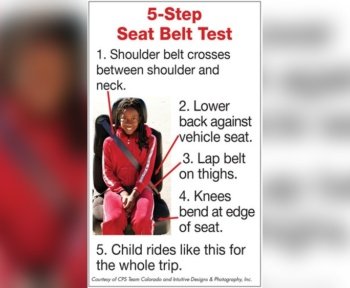
Slouching can affect how the the 5-step seat belt fit tests your child. A loose or twisted belt may not protect them well during a crash. Sitting improperly increases the risk of injury in an accident. Proper posture keeps the seat belt in the right place. This improves your child’s safety and comfort on every trip.
Choosing The Right Booster Seat
Choosing the right booster seat plays a big role in keeping your child from slouching. A well-fitted seat supports good posture. It helps your child sit comfortably and safely. Picking the correct booster seat reduces slouching and improves car rides.
Not all booster seats fit every child. Size and special features matter a lot. These details help keep your child upright and secure. Understanding what to look for makes a difference.
Size And Fit Matters
Booster seats come in different sizes. Choose one that fits your child’s height and weight. The seat should support their back and bottom fully. If the seat is too big, your child may slide down. If too small, it feels uncomfortable and unsafe.
Proper fit keeps the seatbelt in the right place. It prevents the belt from cutting into the neck or stomach. Check the seat’s instructions for age and size limits. Measuring your child before buying ensures the best fit.
Features That Promote Good Posture
Look for booster seats with back support. A high back helps your child sit up straight. Some seats have padded side wings to keep the head and neck stable. Armrests also encourage proper arm positioning.
Seats with adjustable height help align the seatbelt correctly. Firm cushions prevent your child from sinking and slouching. These features keep your child comfortable and upright during trips.
Adjusting The Booster Seat Correctly
Adjusting the booster seat correctly is key to keeping your child comfortable and safe. A well-adjusted seat helps prevent slouching. It supports your child’s posture during every ride. Small changes can make a big difference in their seating position.
Seat Height And Positioning
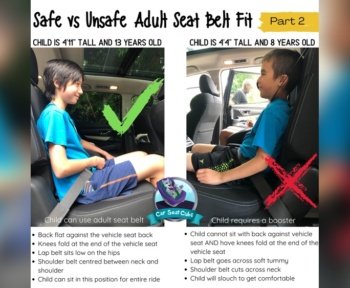
The booster seat should raise your child enough so the seatbelt fits well. Their knees should bend comfortably at the edge of the seat. Make sure their back rests fully against the car seat. Position the booster seat in the middle or back seat for safety. Adjust the seat height so your child can sit upright without leaning forward.
Proper Seatbelt Placement
The seatbelt must lie across the strongest parts of the body. The lap belt should sit low on the hips, not the stomach. The shoulder belt should cross the chest and rest on the shoulder. Avoid placing the belt behind your child’s back or under the arm. Correct seatbelt placement helps your child stay in a good posture and prevents slouching.
Encouraging Good Sitting Habits
Helping your child sit properly in a booster seat is important. Good sitting habits keep your child safe and comfortable during rides. Encouraging these habits early makes a big difference. It builds awareness and helps avoid slouching. Here are two simple ways to support good sitting habits.
Setting Clear Expectations
Explain to your child how to sit correctly. Tell them to keep their back straight and feet on the floor. Use simple words and show them how to sit. Make sure they know why it matters. Consistent reminders help them remember these rules. Keep the instructions short and clear.
Using Positive Reinforcement
Praise your child when they sit properly. Say things like, “Great job sitting up straight!” Rewards like stickers or extra playtime work well. Positive feedback encourages them to keep good habits. Avoid scolding or harsh words if they slouch. Focus on celebrating their progress instead.
Using Supportive Accessories
Using supportive accessories can help keep your child comfortable and upright in a booster seat. These tools give extra support where the child needs it most. They prevent slouching and promote good posture during the ride.
Choosing the right accessories can make a big difference. It helps your child stay safe and comfortable on every trip. Two common accessories to consider are lumbar support cushions and seat positioning tools.
Lumbar Support Cushions
Lumbar support cushions fit behind your child’s lower back. They fill the gap between the seat and the spine. This support helps maintain the natural curve of the back.
These cushions reduce pressure on the lower back. They encourage your child to sit up straight. Many cushions come with soft covers for extra comfort.
Look for cushions that attach securely to the booster seat. This prevents the cushion from moving during the ride. A stable cushion keeps your child’s posture steady and correct.
Seat Positioning Tools
Seat positioning tools help adjust the child’s position in the booster seat. They guide your child to sit properly and avoid slipping forward.
Some tools include adjustable straps or side supports. These keep the child centered and upright. They prevent leaning or sliding sideways.
Simple tools like seat wedges or boosters with built-in positioning features also work well. They improve the overall fit of the booster seat.
Using these accessories creates a safer and more comfortable ride. Your child stays supported and less likely to slouch.
Engaging Children During Rides
Keeping children engaged during car rides helps them stay comfortable and maintain good posture. When kids are busy and interested, they are less likely to slouch in their booster seats. Simple activities and regular movement breaks can make rides more enjoyable and healthier for your child.
Interactive Activities
Offer toys or books that your child likes. Choose items that fit easily in their hands. Use storybooks with colorful pictures to keep their eyes on the road. Play simple games like “I spy” to make the ride fun. Singing songs together can also keep your child alert. These activities keep kids focused and sitting upright.
Frequent Breaks For Movement
Stop the car every hour for a short break. Let your child stretch and walk around. This reduces stiffness and helps avoid slouching. Moving around also refreshes their mind and body. Use rest stops or parks for breaks. These moments make longer trips easier for both of you.
Monitoring And Correcting Posture
Watching your child’s posture in a booster seat is important. Poor posture can cause discomfort and even affect their spine. Monitoring and correcting posture helps your child sit properly. This keeps them safe and comfortable during every ride.
Parents should stay alert to how their child sits. Small habits like slouching can turn into bigger problems. Regular attention helps catch these habits early. Gentle corrections guide your child to sit straight. This support builds good posture habits over time.
Regular Checks
Make posture checks a part of every trip. Look at your child’s back and shoulders. Make sure they sit upright and not slouched. Check if their feet touch the floor or footrest. Notice if the booster seat fits well and supports them.
Ask your child simple questions about comfort. A quick check keeps posture in mind. It shows your child you care about their safety and health. Regular checks stop bad posture before it starts.
Gentle Reminders
Use soft words to remind your child to sit up. Avoid harsh tones or making them feel bad. Say things like, “Please sit up straight,” or “Let’s keep your back tall.” Praise them when they correct their posture.
Make reminders fun and positive. Turn posture into a game or challenge. This encourages your child to remember on their own. Gentle guidance helps them learn good habits willingly.
Common Questions Parents Ask
How Can I Prevent My Child From Slouching In A Booster Seat?
Ensure the booster seat fits well and supports your child’s back. Encourage good posture by explaining its importance. Adjust the seatbelt properly to avoid discomfort that causes slouching. Regularly remind your child to sit upright during the ride.
What Features Make A Booster Seat Good For Posture?
Look for booster seats with high backrests and side supports. These features promote proper spinal alignment. A seat with adjustable height and armrests can enhance comfort and reduce slouching. Choose seats with firm cushioning to maintain posture throughout the trip.
How Often Should I Check My Child’s Seating Position?
Check your child’s seating posture every time before starting the trip. Frequent reminders during long rides help maintain good posture. Adjust the booster seat and seatbelt as your child grows. Regular checks prevent habitual slouching and improve safety.
Are There Exercises To Improve My Child’s Sitting Posture?
Yes, simple back and core strengthening exercises help. Encourage activities like stretching, yoga, and playful posture games. Strong muscles support better posture in the booster seat. Include these exercises in your child’s daily routine for lasting benefits.
Diagnose Why Your Child Slouches Before You Fix It
Most slouching is not defiance. It is a child solving a comfort problem with the only tool they have, which is moving their body. If you treat the cause instead of repeating “sit up,” the behavior usually fades on its own.
Watch your child for one full ride and match what you see to the likely cause below.
| What you see | Likely cause | What helps |
|---|---|---|
| Scooting hips forward | Vehicle seat too deep, knees cannot bend at the edge | A booster with a shorter seating depth or different seating position |
| Leaning hard to one side | Falling asleep or looking out the window | High-back with side wings, swap which side of the car they sit on |
| Sliding down under the belt | Shoulder belt rubbing the neck | Adjust the belt guide height so the belt crosses mid-shoulder |
| Constant wiggling and arching | Hot, itchy, or pressure discomfort | Check clothing seams, fabric breathability, and cabin temperature |
The deep-seat problem deserves special attention. When a child’s legs stick straight out, hanging knees get uncomfortable fast, and scooting forward to bend them pulls the lap belt up onto the belly. Fixing the geometry beats a hundred verbal corrections.
Handling the Sleep Slouch on Longer Rides
A sleeping child cannot hold posture, so willpower-based fixes fail the moment they doze off. Plan for sleep instead of fighting it.
- Choose equipment that supports a sleeping head. A high-back booster with deep side wings and an adjustable headrest catches a flopping head far better than a backless booster against a flat vehicle seat.
- Time the drive honestly. If the ride overlaps nap time, assume sleep will happen and set up for it, rather than hoping conversation keeps them awake.
- Pull over and reposition when they flop out of the belt. If your sleeping child has folded over the shoulder belt or twisted out of position, stop when safe and reset them. An out-of-position belt cannot do its job in a sudden stop.
- Never reroute the belt to manage sleep. Tucking the shoulder belt behind the back or under the arm because “they sleep better that way” trades a comfort problem for a serious safety one.
If sleep slouching happens on nearly every ride, that pattern itself is information. It often means the child was moved out of a harnessed seat a bit early, which leads to the bigger question below.
When Slouching Means the Equipment Is Wrong
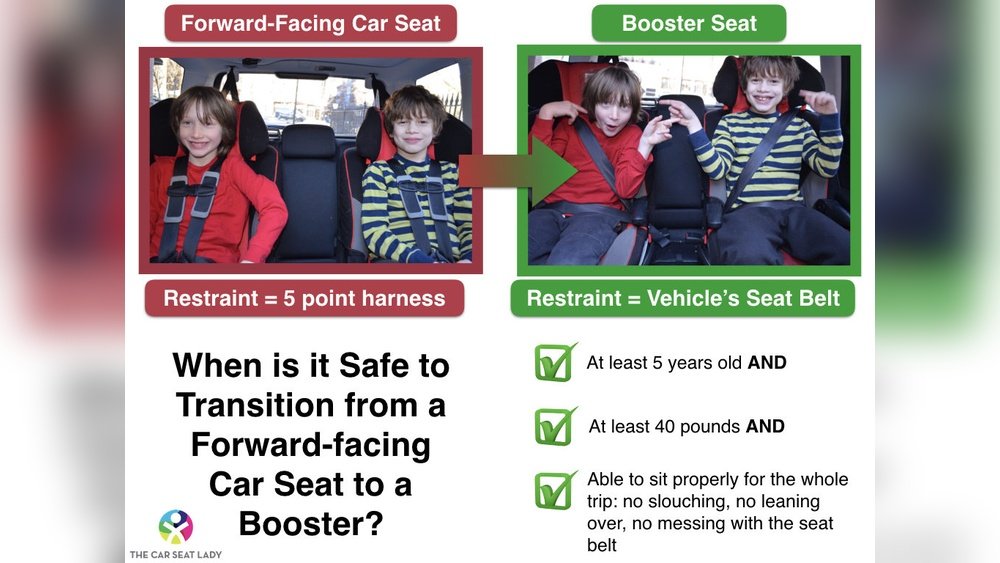
Sometimes no amount of coaching works because the child and the seat are mismatched. Persistent slouching is one of the clearest signs that a booster transition happened too soon. A booster only protects a child who can hold the correct position for the entire ride, awake or asleep, and plenty of kids meet the size requirements before they meet that maturity requirement.
Moving back to a harnessed seat is not a step backward. Combination seats harness children to higher weights than many convertibles, which makes them a practical reset for a booster-aged child who cannot stay positioned yet. A few months in a harness while maturity catches up costs nothing and removes the daily posture battle entirely.
Two other equipment red flags are worth checking. If your child’s ears sit above the high-back’s fully raised headrest, the seat is outgrown and a larger booster is due. And before adding any cushion or insert to fix posture, confirm the booster manufacturer allows it, because padding that changes how the belt sits on the body can quietly undo the booster’s whole purpose. When in doubt, a free CPST appointment settles the question in fifteen minutes.
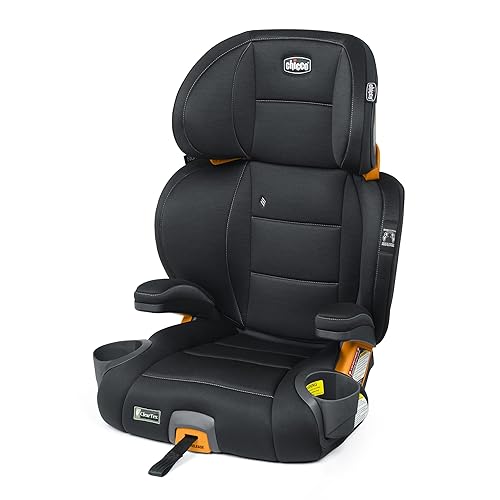
Chicco KidFit ClearTex Plus 2-in-1 Belt-Positioning Booster
- DuoGuard head and torso protection with 10-position height adjustment
- LATCH connectors with SuperCinch tightener keep the booster stable
- Flame retardant-free fabrics, removable and machine washable
As an Amazon Associate, topcarseats.com earns from qualifying purchases at no extra cost to you.
Key Takeaways for Parents
Keeping your child from slouching in a booster seat takes patience and care. Check the seatbelt fit often and adjust the seat as your child grows. Encourage your child to sit upright by making it fun and comfortable. Small reminders help build good habits.
Consistent practice ensures better posture and safety during every ride. A straight back means a safer, happier trip for your little one. Keep trying, and you will see positive changes soon.