When it comes to your child’s safety in the car, you want to be absolutely sure every choice you make is the right one. if an inflatable booster seat is a safe option for your little one.
When it comes to your child’s safety in the car, you want to be absolutely sure every choice you make is the right one. if an inflatable booster seat is a safe option for your little one.
It sounds convenient and easy to carry, but is convenience worth risking safety? Before you decide, you need to know the facts -how these seats work, what experts say, and what risks might be hidden beneath the surface.
Inflatable Booster Seat Basics
Inflatable all booster seat guidess are a popular choice for parents and caregivers. They offer a lightweight and compact way to keep children safe in cars. These seats can be easily packed and carried, making them ideal for travel or short trips. Understanding the basics helps you decide if this type of booster seat suits your needs.
Safety and convenience are key points with inflatable booster seats. Knowing their features and types gives a clear picture of what to expect. This knowledge helps in making a smart choice for your child’s car safety.
What Are Inflatable Booster Seats
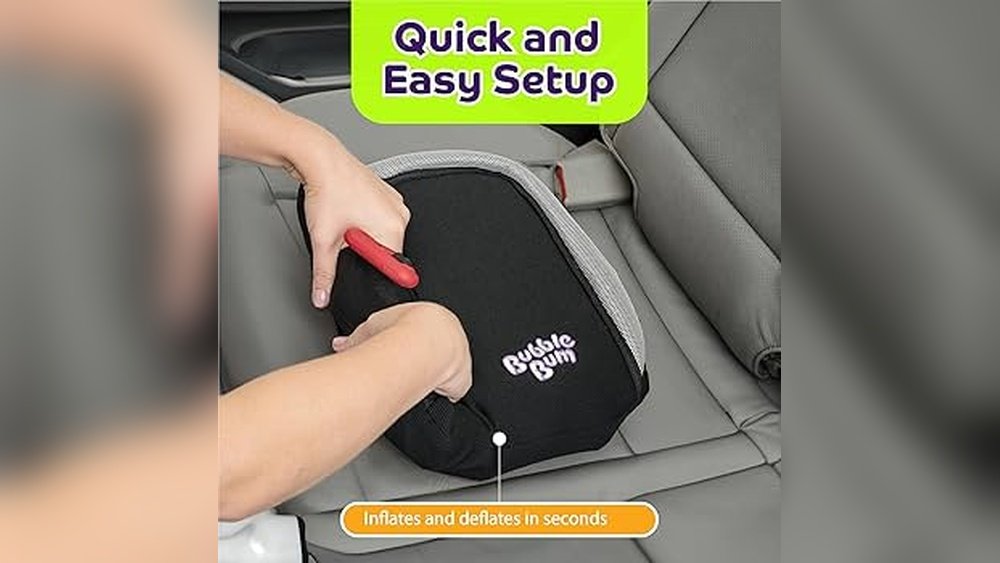
Inflatable booster seats are air-filled cushions designed to raise a child. They position the seat belt correctly on the child’s body. These seats are made from durable materials that can hold air safely. They are easy to inflate and deflate within minutes. Their main goal is to provide proper belt fit without bulk.
These seats fit most cars and are often used for kids aged 4 to 12. They are lightweight, making them easy to move between vehicles. Some models have extra padding for comfort. Portable design allows quick storage in bags or trunks.
Types And Designs Available
Inflatable booster seats come in various shapes and sizes. Some are simple flat cushions that lift the child. Others have backrests or side supports for added safety. Designs range from minimalistic to those with extra comfort features.
Some models include adjustable straps to keep the seat secure. Others focus purely on being lightweight and compact. Color and pattern options vary to suit different preferences. Each design aims to balance safety, comfort, and ease of use.
Safety Standards And Regulations
Safety standards and regulations are key for any child car seat, including inflatable booster seats. These rules ensure products protect children well during car rides. Knowing these standards helps parents choose safe and reliable booster seats.
Certification Requirements
Inflatable booster seats must meet strict certification rules. These rules test seat strength and how well they hold the child. The seat must pass crash tests and secure the child properly.
Look for labels showing the seat meets federal or international safety standards. This proves the seat has passed important tests. Without certification, the seat may not protect your child enough.
Comparing With Traditional Booster Seats
Traditional booster seats are tested and certified for safety over many years. They use hard materials that protect children well in crashes. Inflatable booster seats are softer and newer to the market.
Some inflatable seats meet safety rules but may not be as strong as traditional ones. They can work for short trips but may not offer full crash protection. Traditional seats often provide more security and stability.
Potential Risks Of Inflatable Booster Seats
Inflatable booster seats offer convenience and portability for travel. Yet, they come with potential risks that parents must consider. Safety is the top priority when choosing any child car seat. Inflatable options may not always meet the same safety standards as traditional booster seats. Understanding these risks helps make a safer choice for your child.
Durability And Puncture Issues
Inflatable booster seats rely on air to stay firm. A small puncture can cause sudden deflation. This reduces protection during a crash or sudden stop. Sharp objects in the car can easily damage the seat. The material may wear out faster than hard plastic. Continuous checking for leaks becomes necessary to ensure safety.
Proper Fit And Stability Concerns
Booster seats must fit the child and vehicle properly. Inflatable seats may shift or slide more than rigid seats. This affects the seat belt’s position on the child. An improper fit can increase injury risks in an accident. Some inflatable boosters lack side support needed for stability. Parents must test the seat’s fit before every trip.
Safe Usage Tips
Using an inflatable booster seat can be safe if you follow some key tips. These tips help protect your child and make the seat work properly. Safety depends on careful use and regular checks.
Correct Installation Techniques
Place the booster seat firmly on the vehicle seat. Make sure it does not slide around. Inflate the seat fully according to the instructions. Check that the the 5-step seat belt fit tests across the child’s lap and shoulder. The belt must not be twisted or loose. Use the vehicle’s seat belt locking system if available. Avoid placing the booster seat in the front seat of the car.
Regular Inspection And Maintenance
Check the booster seat before every ride. Look for holes, tears, or weak spots in the material. Ensure the inflation valve works and holds air tightly. Clean the seat with mild soap and water only. Avoid harsh chemicals that may weaken the material. Store the seat in a cool, dry place away from sharp objects. Replace the seat if it shows signs of damage or does not hold air well.
When To Avoid Inflatable Booster Seats
Inflatable booster seats offer convenience but are not always safe for every child or situation. Knowing when to avoid these seats helps keep children secure during travel. Some limits and conditions mean other options work better.
Age And Weight Limitations
Inflatable booster seats are not for very young children. Most brands recommend use only for kids who are at least 4 years old. Children under this age need seats with more support and safety features.
Weight limits matter too. Usually, inflatable boosters suit children between 40 and 100 pounds. Using them outside this range can reduce protection. Always check the seat’s manual for specific guidelines.
Situations Requiring Alternative Seats
Inflatable booster seats are not ideal for long trips. They may lose air or become uncomfortable. Hard booster seats provide better durability and support for extended travel.
Children who need extra support due to medical conditions should avoid inflatable boosters. Specialized car seats with proper harnesses offer better security and comfort.
Cars without adjustable seat belts may not secure inflatable boosters properly. Traditional seats often fit better and reduce injury risk in crashes.
Expert Recommendations
Experts offer clear advice on using inflatable booster seats. Safety is the top priority for any child’s travel gear. Understanding expert views helps parents make smart choices. Here is what safety organizations and caregivers say about these seats.
Advice From Safety Organizations
Most safety groups warn against inflatable booster seats. They lack proper crash protection compared to hard booster seats. Inflatable models can deflate during an accident, increasing risk of injury. Experts recommend using seats that meet strict safety standards. Always check for certification from recognized safety authorities. Durable materials and firm support matter most in booster seats.
Parent And Caregiver Experiences
Many parents share caution about inflatable booster seats. Some report quick deflation or poor fit on car seats. Others find them useful for short trips or as a backup seat. Caregivers advise testing the seat before each ride. Comfort and secure belt positioning are important factors. Parents often choose traditional booster seats for daily use. Experience shows that safety should never be compromised for convenience.
Travel And Convenience Benefits
Using an inflatable booster seat offers several travel and convenience benefits. These seats are designed to be easy to carry and use in many different situations. Parents and caregivers find them helpful during trips and outings.
Portability Advantages
Inflatable booster seats are lightweight and compact when deflated. They fit easily in backpacks or small bags. This makes them perfect for travel or visits to friends and family. You can take them installing a car seat on a planes or use them in taxis without hassle. Inflating the seat takes just a few seconds, saving time and effort.
Use In Different Vehicles
These booster seats work well in many types of vehicles. They fit in cars, SUVs, and even rental vans. This flexibility helps when switching between vehicles during trips. The seat adjusts to fit securely in different seat shapes and sizes. It is easy to move the seat from one vehicle to another. This makes traveling with children simpler and more comfortable.
Common Questions Parents Ask
Are Inflatable Booster Seats Safe For Children?
Inflatable booster seats can be less safe than traditional seats. They often lack proper side impact protection and sturdy construction. Always check for safety certifications and manufacturer guidelines before use.
How Do Inflatable Booster Seats Compare To Regular Ones?
Inflatable booster seats are lightweight and portable but may compromise on safety. Regular booster seats offer better stability, comfort, and crash protection. Consider usage duration and safety standards when choosing.
Can Inflatable Booster Seats Cause Injury In A Crash?
Yes, inflatable booster seats may increase injury risk due to insufficient support. Their materials might not absorb crash forces effectively. Use only approved booster seats designed for child safety.
Are Inflatable Booster Seats Approved By Safety Authorities?
Most inflatable booster seats are not approved by major safety authorities. Always verify if the product meets local safety standards before purchasing or using one.
How to Vet an Inflatable Booster Before You Buy
The inflatable booster market has a quality problem: legitimate, crash-tested products share search results with unbranded imports that have never seen a test sled. Online marketplaces make the two look nearly identical, so the vetting falls to you. Run any seat you are considering through this checklist before checkout.
- Look for the federal certification statement. A child restraint sold for use in the United States must state that it conforms to FMVSS 213 on its labeling. No certification language, no purchase.
- Find the manufacturer, not just the listing. A real company has a website, a customer service contact, a printed manual, and a product registration option. A listing with a random brand name and no company behind it is a red flag.
- Check for a model number and date of manufacture. These are required for recall tracking. Their absence tells you the maker is not operating inside the recall system at all.
- Read the manual before the reviews. Reputable makers publish manuals online. If you cannot find one, you cannot confirm weight ranges, belt routing, or inflation requirements.
- Be suspicious of universal claims. “Fits all children, all cars” is marketing language, not engineering language. Legitimate products specify limits.
Five minutes of vetting filters out most of the products that give this category its bad reputation.
Inflatable vs Other Portable Boosters: Pick the Right Travel Tool
Parents usually consider an inflatable booster because they need something packable, not because they love air-filled seats specifically. It is worth knowing the whole portable category before settling, because several options solve the same suitcase problem with different trade-offs.
| Option | Best For | Trade-Offs |
|---|---|---|
| Inflatable booster | Lightest possible packing, occasional taxi or rental use | Needs inflation checks; firmness varies with temperature; quality varies widely by brand |
| Folding rigid booster | Frequent travelers who want hard-shell structure | Heavier and bulkier than inflatable, but rigid where it counts |
| Wearable belt-positioning vest | Carpools and travel where carrying any seat is impractical | Must be fitted to the child; some models need a top tether |
Whatever you choose, apply the same standard: certified to federal requirements, within your child’s size range, and able to produce a correct belt fit in the actual vehicle. A rigid booster left at home protects no one, which is the honest argument for owning a portable option. The portable seat’s job is to beat riding on the bare vehicle seat, and all three options above clear that bar when used correctly.
Heat, Cold, and Altitude All Change an Inflatable Seat
An inflatable booster is the only child restraint whose firmness changes with the weather, and most owners never think about it. Air expands when heated and contracts when cooled, so the seat you inflated perfectly in the driveway is not the same seat after a day of temperature swings.
A booster left in a hot parked car can become drum-tight by afternoon, stressing seams and the valve. The same seat on a cold morning can turn noticeably soft, which matters because a soft booster lets the child sink and shifts where the lap belt sits. Altitude plays the same game: inflate at sea level, drive into the mountains, and the seat firms up as outside pressure drops.
- Squeeze-test before every ride, not just the first one. The seat should feel firm with no obvious give, matching what your manual describes.
- Top off or burp air as conditions change. A few seconds with the valve keeps firmness in the intended range.
- Do not store it inflated in a hot car. Deflate fully or partially between uses in summer, and keep it out of direct sun on the rear shelf.
- Re-check after flights and elevation changes. If your trip involves mountains or air travel, treat arrival as a fresh setup.
None of this is hard, but it is a maintenance habit rigid boosters never ask of you. If you know your family will not keep up with it, that alone is a fair reason to choose a folding rigid booster instead.
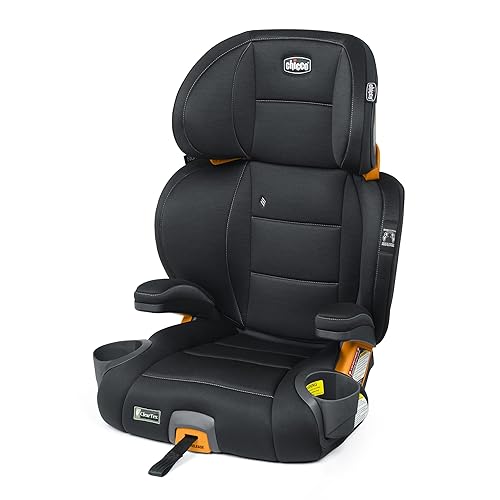
Chicco KidFit ClearTex Plus 2-in-1 Belt-Positioning Booster
- DuoGuard head and torso protection with 10-position height adjustment
- LATCH connectors with SuperCinch tightener keep the booster stable
- Flame retardant-free fabrics, removable and machine washable
As an Amazon Associate, topcarseats.com earns from qualifying purchases at no extra cost to you.
Key Takeaways for Parents
Inflatable booster seats offer convenience and easy storage. They are lightweight and simple to carry. Safety depends on quality and proper use. Always check for safety certifications before buying. Follow the instructions carefully every time you use it. Keep in mind, they may not protect as well as traditional seats.
Choose a seat that fits your child’s size and weight. Stay alert and never leave your child unattended. A safe ride matters most for every family. Choose wisely and drive safely.