Are you wondering when it’s time to switch your child from a 5-point harness to a booster seat? Making this change is an important step in keeping your little one safe on every ride.
But how do you know the right moment? Switching too early or too late can affect your child’s safety and comfort. You’ll discover clear signs to look for and expert tips to help you make the best decision for your child’s protection.
Keep reading to learn exactly when and why this transition matters for your family.
Credit: thecarseatlady.com
Signs Your Child Is Ready
Knowing the right time to switch your child from a 5-point harness to a booster seat is important. It helps keep your child safe and comfortable during car rides. Several signs show your child is ready for this change. These signs include age, weight, height, and behavior. Understanding these can guide you in making the best decision.
Age And Weight Benchmarks
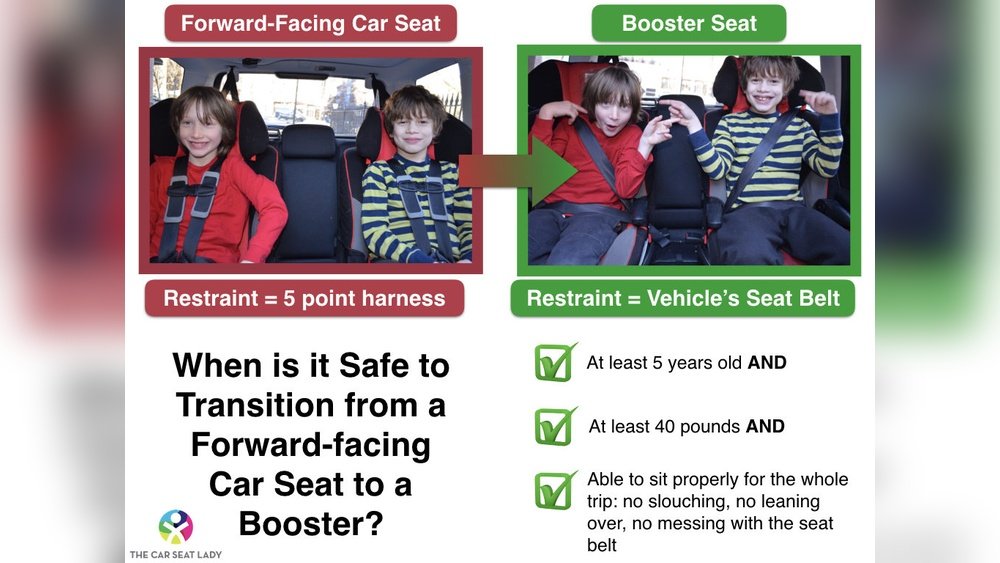
Most children can move to a booster seat after they turn 4 years old. Weight is also a key factor. Your child should weigh at least 40 pounds. These numbers match safety guidelines from experts. They ensure the child’s body is strong enough for the booster seat’s belt system.
Height Considerations
Height matters because the seat belt must fit properly. Your child should be tall enough for the belt to lie across the chest and lap correctly. Usually, children around 40 inches tall meet this requirement. The belt should not touch the neck or slide off the hips. Proper fit reduces injury risk in a crash.
Behavioral Cues
Watch how your child behaves in the car seat. If they try to climb out or seem uncomfortable in the 5-point harness, it may be time to switch. Children ready for a booster often sit still and use the seat belt correctly. They understand the importance of staying seated during the ride.
Credit: sigra.com
Comparing Harness And Booster
Choosing between a 5 point harness and a booster seat is important for your child’s safety and comfort. Both options have clear differences. Knowing these helps you decide the right time to switch seats. Below, we compare the two by safety, comfort, and ease of use.
Safety Differences
The 5 point harness holds your child firmly with straps over shoulders and hips. It spreads crash forces better across the body. Boosters use the car’s seat belt, which fits differently. Boosters need your child to sit properly for safety. The harness suits younger kids, while boosters fit older kids who are taller.
Comfort Factors
Harness seats have padded straps and snug fits. They keep children secure but may feel tight for older kids. Boosters offer more freedom to move and less strap pressure. They let kids sit higher, improving view and comfort. Choosing the right seat depends on your child’s size and preference.
Ease Of Use
Harness systems take time to buckle and adjust. They require careful fitting for each ride. Booster seats are simpler, just position the seat belt properly. Older children can buckle themselves in a booster. This makes boosters easier for daily use and travel.
Legal Requirements And Recommendations
Understanding legal rules helps parents keep children safe in cars. Laws and guidelines tell when to switch from a 5 point harness to a booster seat. These rules vary by place but share the same goal: protect kids properly during travel.
State Laws Overview
Each state sets its own rules for child car seats. Most require children to stay in a 5 point harness until a certain age or size. Usually, kids must be at least 4 years old and meet height or weight limits. After that, they can move to a booster seat. Some states also set rules on how long a booster seat is needed. Parents should check their state’s current laws to follow the right rules.
Manufacturer Guidelines
Car seat makers give clear instructions on when to switch seats. They base advice on child size, weight, and safety tests. Each 5 point harness has a maximum weight and height limit. Children should stay in the harness until they reach these limits. Booster seats also have specific requirements for use. Following manufacturer guidelines ensures the seat fits well and works correctly. Always read and follow the seat’s manual before switching.

Credit: fsv-rudolstadt.de
Choosing The Right Booster Seat
Choosing the right booster seat is important for your child’s safety and comfort. The switch from a 5-point harness to a booster seat marks a key step in your child’s car seat journey. Picking a booster seat that fits your child and car well helps keep them secure. Understand the types and features of booster seats to make a smart choice. Consider your budget to find a seat that meets your needs without overspending.
Types Of Booster Seats
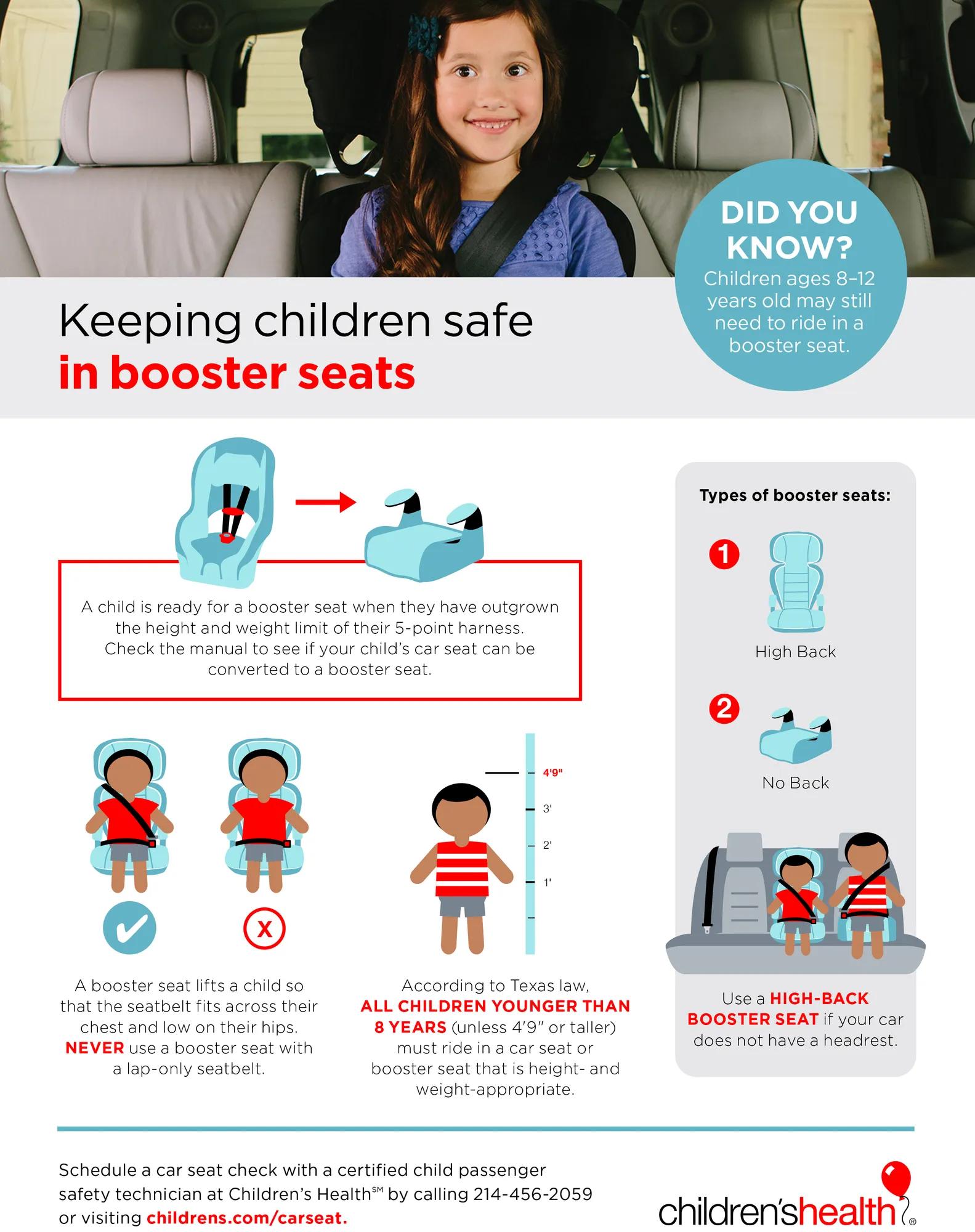
There are two main types of booster seats: high-back and backless. High-back boosters offer head and neck support. They work well in cars without headrests or with low seat backs. Backless boosters are smaller and easy to move between cars. They need a good seat belt fit and car seat back for support. Each type suits different cars and child needs.
Features To Look For
Look for a booster seat with adjustable headrests for growing children. Padded armrests add comfort on long rides. Some booster seats have cup holders for snacks and drinks. Check if the seat belt guides keep the belt in the right place. A booster with easy installation reduces hassle and errors.
Budget Considerations
Booster seats vary in price. Set a budget before shopping. Basic models often cover all safety needs. More expensive seats may offer extra comfort or features. Prioritize safety and fit over luxury. You can find good quality boosters at reasonable prices.
Transition Tips For Parents
Switching from a 5 point harness to a booster seat is a big step for your child. It needs care and attention. Parents should plan the transition carefully. This helps your child feel safe and comfortable. The following tips will guide you through the process. They cover preparation, installation, and seat belt adjustments.
Preparing Your Child
Talk to your child about the new booster seat. Explain why it is important for safety. Show them how the seat works. Let them sit in the booster before using it on the road. Practice buckling and unbuckling together. Praise their efforts to build confidence. Make the change exciting, not scary.
Proper Installation
Follow the car seat manual for correct booster placement. Place the booster on the vehicle seat, not the floor. Check that the booster does not move more than one inch side to side. Use the vehicle seat belt to secure your child, not the booster itself. Double-check all connections before each ride. A well-installed booster keeps your child safe.
Adjusting Seat Belts
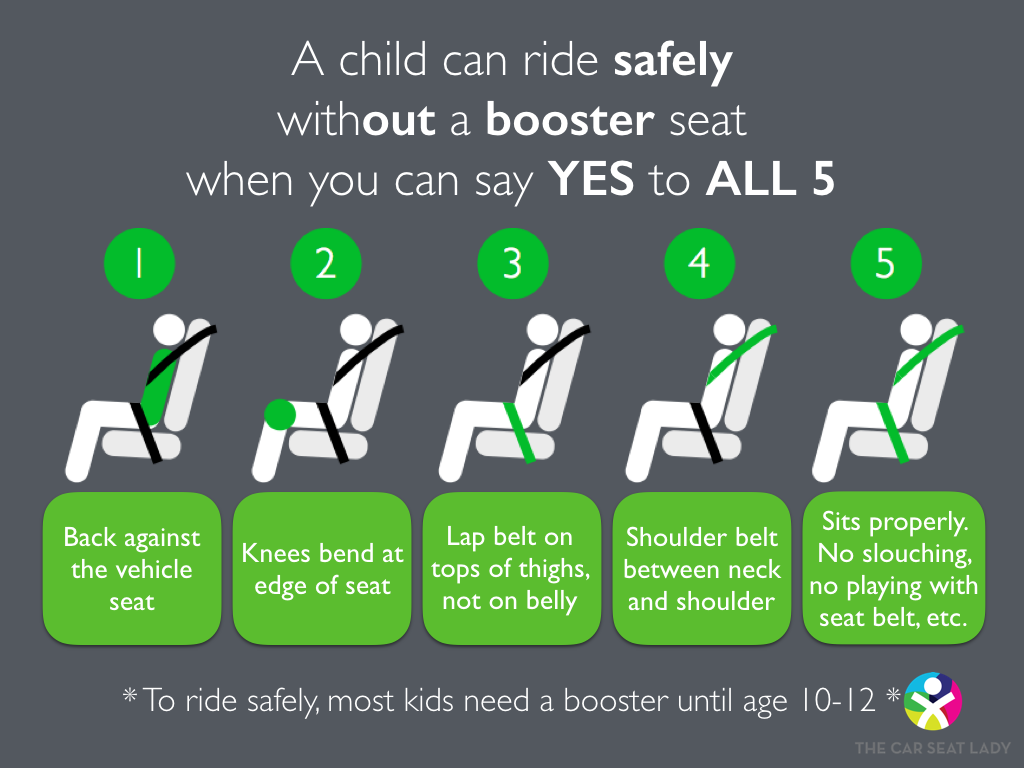
Make sure the seat belt fits your child properly. The lap belt should lie flat across the upper thighs. The shoulder belt must cross the chest, not the neck or face. Adjust the seat belt height if your vehicle allows. Never let the belt twist or slack. Proper belt fit reduces injury risk in a crash.
Common Mistakes To Avoid
Switching from a 5-point harness to a booster seat is a big step for your child’s safety. Many parents make mistakes during this transition. These errors can reduce protection and cause discomfort. Avoiding common mistakes helps keep your child safe and comfortable.
Premature Switching
Switching too early puts your child at risk. Children should stay in a 5-point harness until they reach the height and weight limits. Moving to a booster before that can expose them to injury. Always check your child’s size against safety guidelines.
Incorrect Seat Belt Positioning
Booster seats use the car’s seat belt. The belt must fit correctly across the chest and hips. A belt that sits on the neck or stomach can cause injuries. Adjust the seat belt so it lies flat and snug on your child’s body.
Ignoring Manufacturer Instructions
Every car seat has specific rules. Not following the manufacturer’s instructions can be dangerous. Read the manual carefully before switching seats. Proper installation and use ensure maximum safety for your child.
Frequently Asked Questions
When Is The Right Time To Switch From 5 Point Harness?
Switch from a 5 point harness when your child exceeds the height or weight limit set by the car seat manufacturer. Typically, this is around 40-65 pounds or when your child can sit upright comfortably without slouching. Always follow safety guidelines for the best protection.
How Do I Know If My Child Is Ready For A Booster?
Your child is ready for a booster when they outgrow their 5 point harness seat and can sit with their back against the seat, knees bent at the edge, and feet flat on the floor. They should also be mature enough to stay seated properly.
What Are The Key Signs To Switch To A Booster Seat?
Key signs include your child’s shoulders being above the harness straps, reaching the maximum weight limit, or the harness no longer fitting snugly. Additionally, if your child’s legs are too long to sit comfortably in the harness seat, it’s time to switch.
Why Is Switching To A Booster Seat Important?
Switching to a booster seat ensures that the vehicle’s seat belt fits your child correctly, providing optimal protection. It prevents injuries by positioning the belt across the shoulder and lap, reducing the risk of harm in case of a crash.
Conclusion
Choosing the right time to switch matters for your child’s safety. Watch their height, weight, and age closely. The child must fit well in the booster seat’s belt. Keep checking the car seat’s manual for exact limits. Always prioritize comfort and secure fit.
A proper switch helps protect your child better on every trip. Stay informed and trust your instincts. Safety comes first, always.