When you buckle your toddler into a rear-facing car seat, you might notice their little legs often touch the back of the front seat. This can make you wonder: is it safe for your child’s legs to be pressed against the seat like that?
You’re not alone in asking this question. Many parents worry if this position might cause discomfort or harm during the ride. Understanding what’s normal and what’s safe can help you feel more confident every time you hit the road with your child.
Keep reading to discover why those tiny legs resting against the seat aren’t usually a problem—and what you can do to keep your toddler safe and comfortable.
Credit: blancmagazine.com
Safety Of Rear-facing Seats
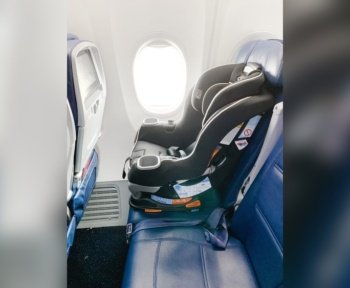
Rear-facing car seats offer the best protection for toddlers in vehicles. These seats support the head, neck, and spine during sudden stops or crashes. Experts recommend keeping toddlers rear-facing as long as possible. This position reduces injury risk by spreading crash forces across the body.
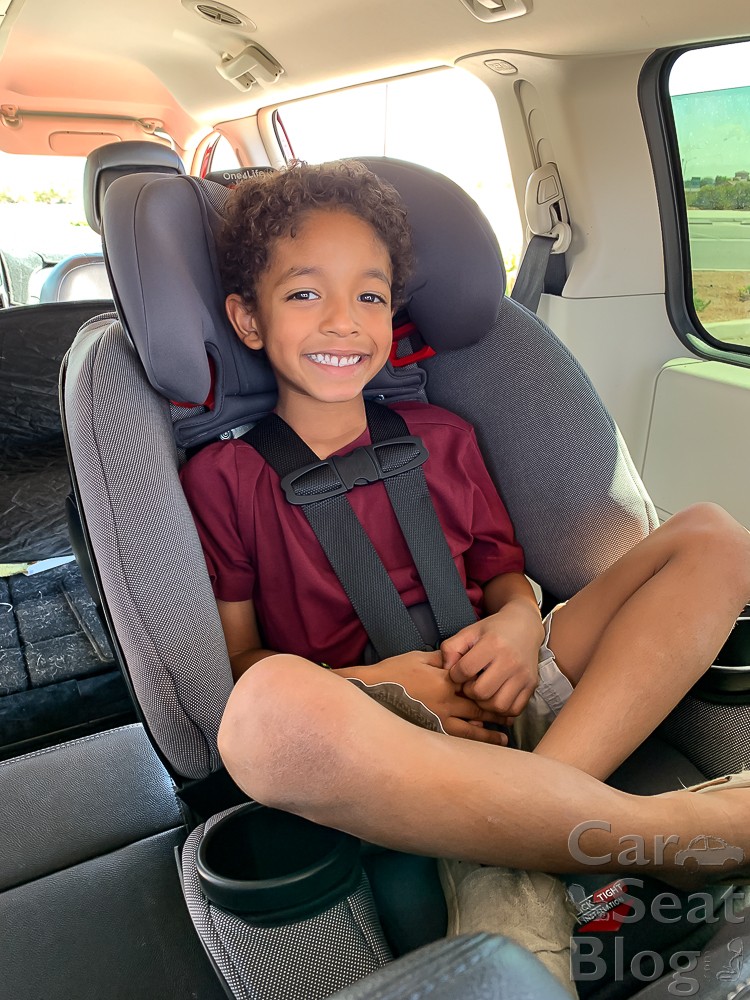
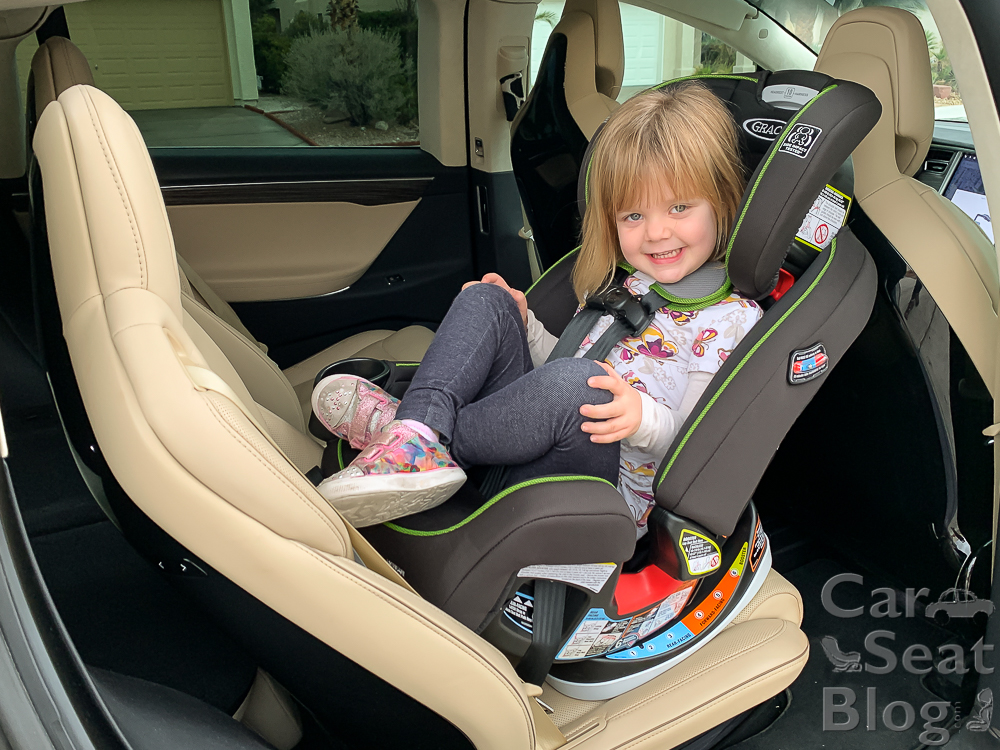
Many parents worry about their toddler’s legs touching the car seat back. This is normal and does not cause harm. Toddlers have flexible joints that handle bending comfortably. Safety rules focus on how the seat protects the body, not leg position.
Benefits For Toddlers
Rear-facing seats protect the most vulnerable parts of a toddler’s body. The seat absorbs crash forces and keeps the head and neck aligned. Toddlers are less likely to suffer serious injury in this position. Staying rear-facing longer supports healthy spine development. It also helps toddlers feel more secure during rides.
Common Concerns About Leg Position
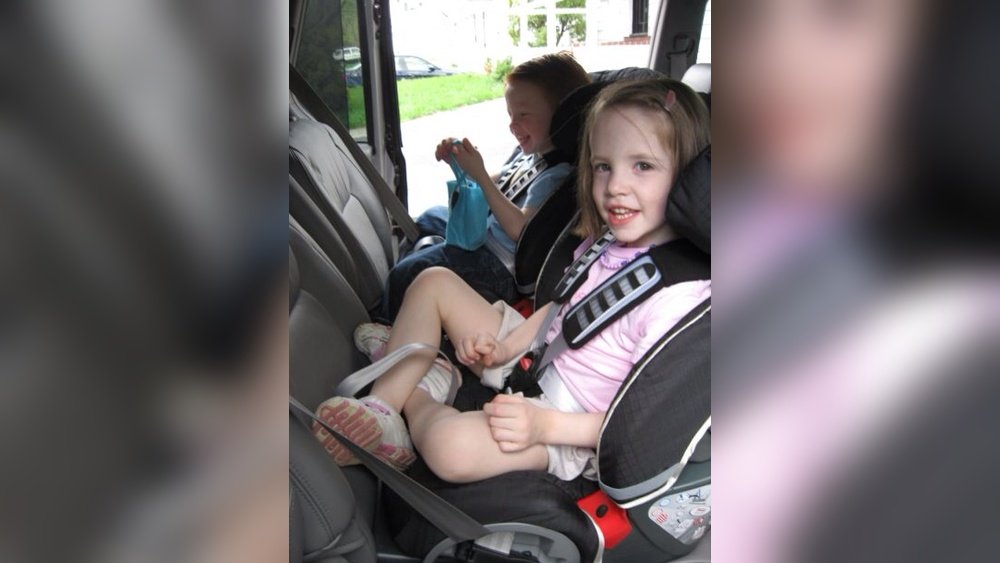
Parents often worry if their toddler’s legs look cramped or bent. This is usually safe and does not cause pain. Toddlers naturally curl their legs in tight spaces. The legs bend easily and do not get injured by touching the seat. Car seats are designed to protect the body, not to restrict leg movement.
Expert Opinions On Leg Contact
Many parents worry if toddler legs touching the seat in rear-facing car seats is safe. Experts have studied this concern closely. Their opinions help guide safe travel for young children. Understanding these views can ease parent worries and improve child safety.
Pediatricians’ Views
Pediatricians say leg contact in rear-facing seats is normal. Toddlers’ legs often bend or touch the seat back. This does not cause harm or injury. The child’s spine and head receive the main protection. Legs are flexible and can handle some pressure safely.
They stress the importance of keeping the child rear-facing as long as possible. This position protects the head and neck in crashes. Leg space is less important than proper seat installation and harness use. Pediatricians advise parents not to rush turning the child forward-facing.
Child Safety Specialists’ Insights
Child safety experts agree that leg contact is common in rear-facing seats. They say seats are designed to protect the child even with bent legs. The main focus is on the car seat’s fit and secure installation. A tight harness and correct angle keep toddlers safe.
Specialists warn against forcing a child to straighten legs unnaturally. This can cause discomfort or unsafe positioning. They recommend checking the seat manual for proper usage. Experts encourage parents to follow weight and height limits strictly for safety.
Impact On Toddler Comfort
Toddler comfort is important when their legs touch the back of a rear-facing seat. Some toddlers may feel cramped or restless in this position. Their legs touching the seat does not cause harm, but it might affect how relaxed they feel during the ride. Parents often worry if this contact limits movement or causes discomfort.
Understanding how to improve comfort helps toddlers enjoy car rides more. Small changes can make a big difference in their sitting experience. Comfort impacts their mood and safety while traveling.
Adjusting Seat Size And Position
Choose a car seat that fits your toddler’s size well. Seats that are too small or too large can cause discomfort. Adjust the recline angle to give extra legroom without compromising safety. Position the seat slightly away from the front seat if possible. This creates more space for the legs to rest comfortably.
Tips For Reducing Discomfort
Use soft blankets or cushions around the legs for gentle padding. Encourage toddlers to move their legs carefully during long trips. Take breaks on longer drives to let your child stretch and walk around. Dress them in loose clothing to avoid tightness around the legs. These simple steps help reduce any discomfort from leg contact with the seat.

Credit: viajestejedor.com
Car Seat Design Considerations
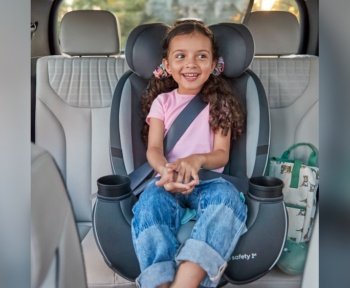
Car seat design plays a key role in toddler safety and comfort. Parents often worry about their toddler’s legs touching the seat back when rear-facing. Good design helps solve this issue. It allows toddlers to sit safely without discomfort. Understanding these design features helps make better choices.
Car seats must fit toddlers of different sizes. Taller toddlers need more space for their legs. Seats designed with this in mind improve both safety and comfort. Let’s look at models and features that support this.
Models Accommodating Taller Toddlers
Some car seats offer extra legroom for taller toddlers. These models have deeper shells and wider bases. They give more space for legs to rest naturally. This reduces the chance of cramped legs or discomfort. Many brands now include extended rear-facing options. This lets toddlers stay rear-facing longer and safer.
Look for seats with adjustable recline and removable padding. These help fit toddlers as they grow. They create more room without losing safety. Choosing the right model means toddlers can sit comfortably and safely.
Features Enhancing Safety And Comfort
Good car seats have safety features to protect toddlers. Side impact protection cushions the head and torso. Energy-absorbing foam reduces crash forces. These features keep toddlers safe even if legs touch the seat back.
Comfort features matter too. Soft, breathable fabrics keep toddlers cool. Adjustable harnesses and headrests provide a better fit. Padding supports the legs and back. These designs prevent soreness and discomfort on trips.
Some seats have flexible leg room settings. Parents can customize space for each child. This ensures safety does not get compromised by tight legs. Overall, these features make rear-facing travel safer and more comfortable.
Guidelines For Parents
Parents often worry about toddler safety in car seats. Knowing clear guidelines helps keep your child safe while traveling. Understanding when to change the car seat position is important. Watching your toddler’s growth helps decide the right time to switch seats.
This section gives simple advice for parents. It focuses on safety and comfort during car rides. Following these tips reduces risks and helps toddlers stay safe.
When To Transition To Forward-facing
Keep toddlers rear-facing as long as possible. Most safety experts say at least until age two. Rear-facing offers better protection for the head and neck. Only switch to forward-facing when the child outgrows the rear-facing limits. Check the car seat manual for height and weight limits. Moving too soon can increase injury risk in crashes.
Monitoring Toddler’s Growth And Safety
Regularly check your toddler’s height and weight. Ensure they fit within the rear-facing car seat guidelines. Look for signs like the top of the head near the seat top. Also, check if legs touch the seat back. This is normal and safe in rear-facing seats. Comfort is key; adjust harness straps properly for security. Always follow the car seat instructions carefully. Keep your child secure on every trip.
Credit: marcosandreadvogados.com.br
Frequently Asked Questions
Is It Harmful If Toddler Legs Touch The Seat Rear Facing?
No, toddler legs touching the rear-facing seat is generally safe. Rear-facing seats support the whole body, reducing injury risk during crashes. Toddlers naturally bend their legs in this position, and it’s normal for their legs to touch or rest against the seat back.
Can Toddler Leg Position Affect Rear-facing Car Seat Safety?
Toddler leg position does not compromise rear-facing seat safety. The car seat is designed to protect the head, neck, and spine. Legs can bend or rest against the seat without impacting protection. Proper harnessing and seat installation are more critical for safety.
Should I Adjust Toddler Legs In A Rear-facing Seat?
Adjusting toddler legs is usually unnecessary. Toddlers often sit with bent knees comfortably in rear-facing seats. Forcing legs straight may cause discomfort or stress. Ensure the seat fits well and follow manufacturer guidelines for best positioning and safety.
How Long Can Toddlers Stay Rear-facing With Bent Legs?
Toddlers can stay rear-facing as long as they meet weight and height limits. Bent legs do not limit rear-facing duration. Experts recommend rear-facing until at least age 2 or until the car seat’s maximum limits are reached for optimal safety.
Conclusion
Toddler legs touching the seat in a rear-facing car seat is usually safe. Space is limited, but comfort and safety come first. Make sure the car seat fits well and follows safety rules. Keep checking your child’s position on every trip.
Trust the car seat design to protect your toddler. Safety experts say rear-facing seats reduce injury risks. Remember, a snug fit is better than extra legroom. Your child’s safety matters most on every ride. Stay calm and confident while driving with your toddler.