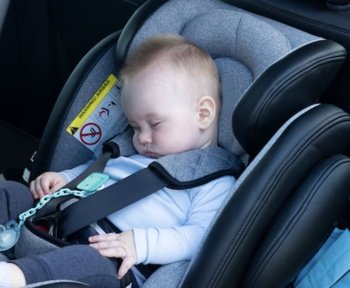
Is your infant car seat too big for your tiny newborn? You’re not alone, and this can be a real worry.
A seat that feels too large might make you question if your baby is safe and comfortable during every ride. But don’t stress—there are simple, effective solutions you can use right now. You’ll discover practical tips to make sure your little one stays secure and cozy, no matter their size.
Keep reading to find out exactly what you need to do to protect your newborn on the road.

Credit: www.benoliel.com.br
Signs The Car Seat Is Too Big
Knowing if your infant car seat is too big for your newborn is important for safety. A seat that is too large can cause problems during travel. It might not support your baby properly. Watch for key signs to make sure the seat fits well.
Loose Straps And Padding Gaps
Straps should fit snugly around your baby. If they feel loose or slip easily, the seat may be too big. Padding gaps around your newborn’s body also show poor fit. These spaces can let your baby move too much. A good seat holds your baby firmly without discomfort.
Newborn Slouching Or Sliding
Observe your baby’s posture in the seat. Slouching or sliding down means the seat is too large. Your baby needs good head and back support. If the seat allows your newborn to slump, it is not safe. A properly sized seat keeps your baby upright and secure.
Improper Harness Fit
The harness should rest at or below your baby’s shoulders. If it sits too low or too high, it is not fitting correctly. Harness straps that cannot be tightened properly indicate a too-big seat. Check the harness fit every time you buckle your baby in.

Credit: www.benoliel.com.br
Risks Of Using An Oversized Car Seat
Using an infant car seat that is too big for a small newborn can cause serious problems. The risks go beyond just comfort. Safety is the main concern. This section explains the dangers of using an oversized car seat.
Safety Concerns
An oversized car seat may not secure a small baby properly. The harness might not fit tightly. This can allow the baby to move too much during travel. Loose fits increase the chance of injury in accidents. A poorly fitted seat can also shift or tip over. This reduces the protection the seat is meant to provide.
Discomfort And Potential Injuries
Big car seats can cause discomfort for newborns. The baby might slide down or slouch inside the seat. This can block airways and make breathing harder. Pressure points may form, causing pain or bruises. Prolonged use of the wrong seat can lead to posture problems and skin irritation.
Reduced Effectiveness In Crashes
Car seats work best when they fit the child well. An oversized seat cannot absorb crash forces correctly for small babies. The harness may not hold the infant securely. This increases the risk of injury during sudden stops or collisions. Correct fit ensures the car seat protects the baby as designed.
Adjusting The Car Seat For Small Newborns
Adjusting a car seat for a small newborn is important for safety and comfort. Many infant car seats are designed for a range of sizes. Small newborns may feel loose or not fit well at first. Proper adjustments help secure your baby and keep them snug during rides. Simple fixes can make a big difference in fit and protection.
Using Infant Inserts And Padding
Infant inserts provide extra support and fill empty space. These soft pads fit inside the car seat. They help keep your newborn’s head and body stable. Use only inserts that come with the car seat or are approved by the manufacturer. Avoid adding thick blankets or pillows, as they can be unsafe.
Proper Harness Positioning
The harness should fit snugly against your baby’s body. Adjust the straps to sit at or below the baby’s shoulders. Make sure the harness is flat and not twisted. Tighten the straps so you cannot pinch any slack. Proper harness positioning keeps your newborn secure and prevents movement.
Ensuring Secure Installation
Check that the car seat is tightly installed in the vehicle. The base should not move more than an inch side to side or front to back. Use the seat belt or LATCH system, following the car seat instructions. A secure installation protects your baby by keeping the seat stable during travel.

Credit: tokodanno.hu
Choosing The Right Car Seat
Choosing the right car seat is very important for your newborn’s safety and comfort. The seat must fit your baby well and protect them during travel. A car seat that is too big can cause problems. It may not support your baby’s head and body properly. Knowing what to look for helps you pick the best seat for your child’s size and weight.
Weight And Size Limits
Check the car seat’s weight and size limits before buying. Every seat has a range of weights it supports safely. Newborns need seats designed for smaller weights. Seats for older babies may be too large and unsafe. Follow the manufacturer’s guidelines strictly. The right size keeps your baby snug and secure.
Convertible Vs. Infant-only Seats
Infant-only seats are made just for newborns. They are smaller and have extra padding. These seats usually come with a handle for easy carrying. Convertible seats grow with your child. They start rear-facing for babies and switch to forward-facing later. Convertible seats are bigger and might not fit tiny newborns well. Choose infant-only seats first for the best fit.
Features For Newborn Comfort
Look for seats with soft padding and head support. Newborns need extra cushioning around their heads and necks. Adjustable straps help keep your baby snug but not tight. Some seats include removable inserts to fill extra space safely. Good ventilation keeps your baby cool on warm days. Comfort features make travel safer and more pleasant for your newborn.
When To Upgrade To A Larger Seat
Knowing when to upgrade your baby’s car seat is important for safety and comfort. A seat that is too big may not protect a small newborn properly. On the other hand, using a seat that is too small can be unsafe as your baby grows. Understanding the right time to move to a larger seat helps keep your child secure during every trip.
Signs Your Baby Has Outgrown The Seat
Check your baby’s height and weight often. Most car seats have limits printed on the label. If your baby’s head is above the top of the seat, it is time to upgrade. Also, if the straps feel tight or the baby’s body is cramped, the seat is too small. Loose fits or slack harnesses mean the seat is too big.
Transitioning Safely
Move to the next car seat size slowly. Keep the baby rear-facing as long as possible. Rear-facing seats protect the head and neck better. Adjust the harness straps to fit snugly on your child. Make sure the seat is installed correctly in the car. Test the fit every time you use the seat.
Legal And Manufacturer Guidelines
Follow your state laws about car seat use. Laws may require rear-facing until a certain age or weight. Always read the car seat manual before upgrading. Manufacturers provide clear instructions on size limits. Using the seat past these limits can reduce safety. Check for recalls or safety notices regularly.
Additional Safety Tips
Keeping your newborn safe in a car seat is very important. Sometimes, the car seat might feel too big for a small baby. There are key safety steps you can take to protect your child. These tips help make sure the car seat fits right and keeps your baby secure.
Regular Seat Checks
Check the car seat every time before driving. Look for any loose straps or parts. Make sure the harness is tight but comfortable. The chest clip should be at armpit level. Fix any problems before starting the trip.
Avoiding Bulky Clothing
Do not dress your baby in thick coats or bulky clothes in the car seat. Bulky clothes can stop the harness from fitting snugly. Use thin layers and cover your baby with a blanket after buckling. This keeps your baby warm and safe.
Proper Seat Angle For Newborns
Set the car seat at the correct angle for newborns. The seat should recline enough to support the head and neck. Too upright can cause the head to flop forward. Check the car seat manual for the right angle. This helps your baby breathe easily and stay safe.
Frequently Asked Questions
Can A Car Seat Be Too Big For A Newborn?
Yes, a car seat can be too big for a small newborn. It may not provide proper support or safety, increasing risk during travel.
How To Keep A Small Newborn Safe In A Big Car Seat?
Use infant inserts or rolled blankets to fill gaps. Ensure snug harness fit and follow manufacturer guidelines for safety.
When Should I Switch To A Bigger Car Seat For My Baby?
Switch when your baby outgrows infant seat limits. Check weight, height, and head position to decide the right time.
Are Infant Inserts Safe For Newborns In Large Car Seats?
Yes, approved infant inserts are safe. Always use products designed for your car seat model to maintain proper protection.
Conclusion
Choosing the right car seat keeps your newborn safe and comfortable. A seat too big can cause risks during travel. Consider using an infant insert or a smaller seat designed for newborns. Always check the car seat’s fit and harness snugness.
Safety should never be compromised for convenience. Your baby’s well-being matters most on every trip. Take time to find the best option for your little one. Traveling with a properly fitting car seat gives peace of mind. Small steps protect your child every time you drive.