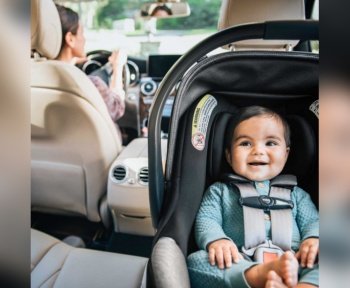
Planning a road trip with your baby? You’re probably wondering, how long can your little one safely stay in a car seat without getting uncomfortable or restless?
Planning a road trip with your baby? You’re probably wondering, how long can your little one safely stay in a car seat without getting uncomfortable or restless?
Knowing the right answer can keep your baby happy and safe, and save you from unexpected stress on the road. You’ll discover practical tips and expert advice to make your trip smooth and worry-free.
Safe Riding Time Limits
Keeping your baby safe and comfortable during a road trip is very important. Babies should not stay in a car seat for too long. Long rides in a car seat can cause discomfort and affect their health. Understanding safe riding time limits helps parents plan breaks and keep their baby happy.
Short rides with regular stops are best. Babies need to stretch and move often. Parents should watch for signs that their baby needs a break. This helps avoid fussiness and keeps the trip smooth.
Recommended Duration Per Ride
Experts suggest babies should not stay in a car seat for more than two hours at a time. After about 90 to 120 minutes, it is best to stop and let the baby out. This helps prevent pressure on the baby’s back and neck. It also reduces the risk of breathing problems. Breaks allow the baby to move freely and relax.
During a long road trip, plan stops every two hours. Use these breaks for feeding, changing diapers, and some playtime. This approach keeps the baby calm and comfortable throughout the journey.
Signs Baby Needs A Break
Babies cannot tell us when they are uncomfortable. Parents must watch their behavior closely. Crying and fussiness are common signs the baby needs a break. Look for restlessness or arching of the back. Babies may also show changes in breathing or skin color.
If your baby starts to look tired or irritable, it is time to stop. Taking a break helps the baby calm down. It also prevents stress and discomfort during the ride. Always listen to your baby’s cues and act quickly.
Choosing The Right Car Seat
Choosing the right car seat is very important for your baby’s safety on a road trip. The correct car seat protects your infant in case of sudden stops or accidents. It also ensures your baby stays comfortable during the journey. Picking the right type and installing it properly makes a big difference.
Types Of Car Seats For Infants
all infant car seat guidess are rear-facing and designed for babies up to 22 to 35 pounds. They have a handle for easy carrying. Convertible car seats can be used rear-facing for infants and forward-facing for toddlers. They last longer but are heavier. Some seats come with extra padding for newborns. Choose a seat that fits your baby’s size and weight.
Proper Installation Tips
Place the car seat in the back seat, the safest spot in the car. Use the vehicle seat belt or LATCH system to secure the seat tightly. Check that the car seat does not move more than one inch side to side. Adjust the harness straps to fit snugly on your baby. The chest clip should be at armpit level. Always read the car seat manual for exact instructions.
Planning Breaks On Road Trips
Planning breaks on road trips is very important, especially with a baby in a car seat. Babies cannot stay in a car seat for too long. They need fresh air and time to move. Taking breaks helps keep your baby happy and safe. It also makes the trip easier for parents.
Ideal Break Frequency
Stop every 1 to 2 hours to give your baby a break. Babies get uncomfortable after sitting too long. Regular breaks help prevent fussiness and tiredness. Short stops work best to stretch and change positions. Watch your baby’s mood to decide if you need more breaks.
Activities During Stops
Use breaks to feed and change your baby’s diaper. Let your baby stretch arms and legs gently. Walking around with your baby helps reduce fussiness. Talk and play softly to calm your baby. Avoid too much noise or bright lights during stops.
Comfort Tips For Baby
Keeping your baby comfortable during a long car ride is very important. Comfort helps your baby stay calm and happy. Small changes make a big difference in how your baby feels. Follow these tips to improve your baby’s comfort in their car seat.
Keeping Baby Cool And Comfortable
Dress your baby in light, breathable clothes. Use a thin blanket if it is cold. Avoid heavy layers that cause sweating. Make sure the car temperature is just right. Use sunshades on windows to block direct sunlight. Open a window slightly for fresh air. Stop regularly to let your baby stretch and breathe fresh air.
Using Supportive Accessories
Use a head and body support designed for car seats. These cushions keep your baby’s head and neck steady. Avoid bulky pillows that affect seat safety. Choose soft, breathable fabrics for comfort. A small, soft toy can soothe and distract your baby. Always check that accessories do not interfere with the car seat harness.
Safety Precautions
Keeping your baby safe during a road trip is very important. Car seats provide protection, but safety depends on more than just the seat. Parents must take extra steps to protect their child. Always watch for signs of discomfort or danger. A few simple rules help keep your baby secure and happy.
Avoiding Overheating
Babies cannot cool down easily. Heat builds up quickly inside the car seat. Dress your baby in light clothes for trips. Use a sunshade on car windows to block direct sunlight. Stop regularly to check your baby’s temperature. Never cover the baby with heavy blankets while in the seat.
Monitoring Baby’s Position
Correct positioning is crucial for safety. Your baby should always lie flat and face the back of the car. Check the straps often to ensure they are snug but not too tight. A slouched or bent position can block breathing. Use a small rolled towel for support if needed, placed under the baby’s back.
Preparing For Long Journeys
Preparing for a long road trip with a baby requires careful planning. Comfort and safety must be top priorities. Babies have limited tolerance for sitting long hours in car seats. Parents must think about their baby’s needs during the journey.
Good preparation reduces stress and keeps the baby calm. It also helps avoid frequent stops and delays. Parents should pack smart and plan travel times that suit the baby’s routine. This approach makes the trip smoother for everyone.
Packing Essentials
Pack all items your baby needs for the trip. Bring extra diapers, wipes, and changing mats. Include enough baby food, snacks, and formula. Keep toys and comfort items handy to distract the baby. A first aid kit with baby-safe medicine is crucial. Dress the baby in comfortable clothes suited for travel. Carry blankets to keep the baby warm or cool as needed.
Scheduling Travel Around Baby’s Routine
Plan travel times during the baby’s nap or sleep hours. This helps the baby stay relaxed and reduces fussiness. Avoid peak times when the baby is usually active or hungry. Break the trip into smaller sections with regular stops. Use these breaks to feed and change the baby. Follow the baby’s usual feeding and sleeping schedule as much as possible. This keeps the baby comfortable and less restless in the car seat.
Common Questions Parents Ask
How Long Can A Baby Safely Ride In A Car Seat?
Babies should not be in a car seat for more than two hours at a stretch. Frequent breaks are essential to prevent discomfort and ensure safety during long trips.
What Are Signs Baby Needs A Break From Car Seat?
Look for fussiness, crying, or restlessness as signs your baby needs a break. Regular stops help your baby stretch and stay comfortable.
Can Prolonged Car Seat Use Affect A Baby’s Health?
Yes, extended time in a car seat can cause breathing or posture issues. Limit continuous use to avoid health risks and ensure proper support.
How Often Should You Stop On A Road Trip With A Baby?
Stop every 1. 5 to 2 hours to let your baby move and rest. These breaks reduce stress and promote healthy circulation during travel.
Do the Real Math Before You Commit to the Drive
The most common road trip mistake with a baby is planning around the map’s drive time. The map says six hours, so you tell grandma you will arrive by dinner. But six hours of driving with stops every two hours is really three full breaks, and a genuine baby break almost never takes ten minutes. By the time you park, feed, change a diaper, let your baby stretch, and rebuckle, thirty to forty five minutes is normal.
So build your estimate honestly. Take the map’s drive time, count how many two hour blocks it contains, and add at least half an hour for each break between them. A six hour drive becomes a seven and a half to eight hour travel day. Tell your hosts the longer number, not the optimistic one. A schedule with slack means you can take an extra unplanned stop for a blowout diaper or a crying spell without feeling like the day is ruined.
It also helps to assign roles before you pull out of the driveway. One adult drives the next leg while the other handles the baby tasks at each stop, then you swap. Decided in advance, it prevents the tired negotiation at hour five.
Driving Overnight: Tempting, but Weigh It Carefully
Many parents consider leaving at bedtime so the baby sleeps through the miles. It can work, but the tradeoffs deserve a clear-eyed look before you choose it.
The upside is real. A baby who sleeps at their normal bedtime fusses less, and you may cover long stretches in peace. The downsides are just as real. You will be driving during the hours your own body wants to sleep, and a drowsy driver is a far bigger danger to your baby than any amount of car seat fussing. It is also harder to monitor a sleeping baby in a dark car, and overnight stops offer fewer safe, open places to take a proper break.
If you do drive at night, set non-negotiable guardrails. Two alert adults, with one always awake to watch the baby and the driver. Planned stops at lit, open locations, still on a regular schedule even if the baby is asleep. And a hard agreement to stop for the night the moment either driver feels heavy-eyed. If you cannot meet those conditions, daytime driving with more stops is the better trade.
When to Split the Trip Into Two Days
There is a point where no amount of clever scheduling beats simply booking a room halfway. Consider splitting the trip when any of these apply:
- The honest travel day passes eight to nine hours. Past that, breaks get skipped, tempers fray, and the last leg happens with a screaming baby and a frazzled driver.
- Your baby is a newborn. Very young infants need more frequent feeds and have the least tolerance for the semi-upright seat position, so shorter days are kinder all around.
- You are driving solo with the baby. Every stop takes longer alone, and you have no one to swap with when fatigue hits.
- Weather or traffic could add hours. A buffer night turns a crisis into an inconvenience.
When you book the overnight, pick lodging with the gear to do bedtime properly, such as a crib or play yard, so your baby gets a real flat sleep between travel days. Arrive early enough for a normal evening routine instead of rolling in at midnight. A two day trip with a relaxed pace usually beats a one day forced march, and your baby starts day two rested instead of already over it.

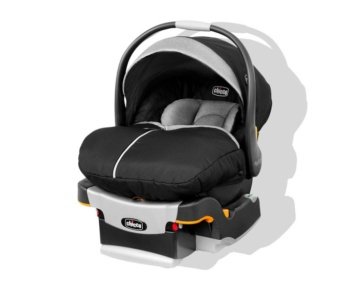
Chicco KeyFit Max Zip ClearTex Infant Car Seat
- Anti-rebound bar and 5-position headrest help maximize rear-facing time
- Two bubble level indicators and premium LATCH for an accurate base install
- Flame retardant-free ClearTex fabrics, GREENGUARD Gold certified
As an Amazon Associate, topcarseats.com earns from qualifying purchases at no extra cost to you.
Key Takeaways for Parents
Babies should not stay in car seats for too long. Stop every one to two hours to let your baby stretch. Use breaks for feeding, changing, and cuddling. Always watch your baby’s comfort and safety during the trip. Plan your journey with short rides and rest times.
This keeps your baby happy and healthy on the road. Remember, careful planning makes road trips easier for both you and your baby. Safe travels!