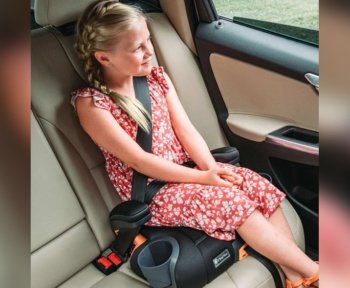
Have you noticed your child fidgeting or complaining about their booster seat belt digging into their neck? It’s a common problem that many parents face but often overlook.
When the shoulder belt cuts into your child’s neck, it’s not just uncomfortable—it can also be unsafe. You want to keep your child secure, but how can you do that without causing pain or irritation? Keep reading to discover why this happens and what simple steps you can take to protect your child while keeping them comfortable and safe on every ride.
Why Shoulder Belt Placement Matters
Shoulder belt placement is key for child safety in booster seats. A belt that cuts into the neck can hurt or scare your child. Proper placement spreads crash forces over stronger body parts. This reduces injury risk and helps your child feel safe.
Incorrect belt position can cause discomfort and lead kids to move the belt. This makes the seatbelt less effective and increases injury chances. Parents must check the belt fits well every time.
Proper Belt Position For Kids
The shoulder belt should lie across the middle of the child’s shoulder. It must never rest on the neck or face. The lap belt should fit low on the hips, touching the thighs. This holds the child firmly in the seat. The booster seat helps position the belt correctly for smaller kids.
Common Belt Fit Issues
Many kids get a belt that is too high or too loose. A belt that rubs the neck often means the booster seat is too low or the child is too small. Some belts twist or don’t lie flat, causing discomfort. Kids may shift the belt to avoid pain, which is unsafe. Regular checks and adjustments keep the belt in the right place.
Risks Of Shoulder Belt On Neck
Booster seats help keep children safe in cars. But sometimes, the shoulder belt can press against a child’s neck. This can cause several risks. Parents should know what these risks are. It helps keep kids comfortable and protected.
Skin Irritation And Discomfort
The shoulder belt rubbing on a child’s neck can irritate the skin. This causes redness and soreness. Children may feel itchy or fussy during the ride. Constant rubbing can even cause small cuts or bruises. Discomfort can make children resist wearing the seat belt properly.
Potential For Injury In Crashes
If the shoulder belt rests on the neck, it may not protect well during a crash. The belt can press hard against the neck, causing serious injury. Neck injuries can include bruises, cuts, or worse. Proper belt placement is vital to keep the child safe. The belt should lie across the shoulder and chest, not the neck.
Factors Causing Poor Belt Fit
Poor belt fit is a common problem with booster seats. It can cause the shoulder belt to cut into a child’s neck. Many factors affect how the belt fits. Understanding these helps keep children safe and comfortable.
Child’s Size And Posture
Children come in different shapes and sizes. Some children are too small for standard booster seats. Their shoulders might not line up with the belt properly. Slouching or poor posture makes the belt sit wrong. This can push the belt against the neck.
Proper posture is key. Sitting up straight helps the belt rest on the shoulder. It keeps the belt away from the neck and face. A child who slouches risks belt discomfort and injury.
Booster Seat Design Flaws
Not all booster seats fit every child well. Some have poor shoulder belt guides. These guides may place the belt too close to the neck. Designs that do not adjust well cause poor belt position. Seats without side wings or proper padding increase discomfort.
Choosing a booster with good belt guides improves fit. Seats that grow with the child offer better protection. Poor design can cause the belt to rub or cut into skin.
Vehicle Seat Belt Design
Car seat belts differ by vehicle make and model. Some belt anchors sit too high or too low for children. This changes how the belt lies across the shoulder. A belt designed for adults may not fit children well.
Fixed shoulder belt anchors can cause the belt to press into the neck. Adjustable anchors help move the belt to a safer position. Vehicles with poor belt design increase the risk of poor fit.
Choosing The Right Booster Seat
Choosing the right booster seat is key to keeping your child safe and comfortable. A proper booster seat helps the seatbelt fit correctly on your child’s body. This prevents the shoulder belt from cutting into their neck. Understanding the types of booster seats and features that improve belt fit will guide you to the best choice for your child.
Types Of Booster Seats
There are two main types of booster seats: high-back and backless. High-back boosters offer head and neck support. They are good for cars without headrests or with low seat backs. Backless boosters are smaller and easier to move between cars. They work well if your car has good head support. Both types raise your child so the seatbelt fits over the shoulder and lap properly.
Features That Improve Belt Fit
Look for booster seats with adjustable belt guides. These guides help position the shoulder belt away from the neck. Some models have padded belt guides for extra comfort. A contoured seat helps keep your child in the right position. Non-slip bases prevent the booster from sliding. These features reduce the risk of the seatbelt causing discomfort or injury.
Adjusting Seat Belts For Comfort
Adjusting seat belts for comfort is important to keep children safe and happy during car rides. A seat belt that digs into a child’s neck can cause pain and distraction. Proper adjustment helps the belt sit correctly across the shoulder and chest. This reduces discomfort and improves safety. Small changes can make a big difference in how the seat belt fits your child.
Using Belt Positioners
Belt positioners help guide the seat belt to the right place. They keep the belt from cutting into the neck. These devices move the belt off the neck and onto the shoulder. Belt positioners are easy to install and adjust. They improve comfort without reducing safety. Always choose a positioner that fits your child’s size and seat type.
Proper Seat And Booster Seat Setup
Setting up the seat and booster seat correctly is key. The booster seat raises the child to fit the seat belt properly. The belt should lie flat across the chest and shoulder. The lap belt must fit snugly over the hips, not the stomach. Check the seat and booster seat instructions for correct placement. A well-set seat helps the belt stay in the right place.
When To Move Beyond Booster Seats
Booster seats help keep children safe in cars. They lift kids up so seat belts fit better. Yet, sometimes the shoulder belt cuts into a child’s neck. This can cause discomfort and make kids avoid using seat belts properly. Knowing when to move beyond booster seats is key to comfort and safety.
Moving to seat belts alone is not just about age. It depends on a child’s size and how the seat belt fits. A good fit helps protect the child in a crash. It also stops the belt from causing pain or injury.
Signs Child Is Ready For Seat Belts Alone
Check if the child is tall enough for seat belts alone. Usually, children who are 4 feet 9 inches tall can use seat belts without boosters. The lap belt should lie flat across the upper thighs, not the stomach. The shoulder belt must cross the chest and shoulder, not the neck or face. The child should sit with their back against the car seat. They should keep their knees bent at the edge of the seat. If the child can sit still like this, they may be ready for seat belts alone.
Safety Guidelines And Recommendations
Follow the car seat manual and local laws for child safety. Many places require booster seats until a child reaches a certain height or age. Always use lap and shoulder belts together. Never allow children to use only the lap belt. Adjust the seat belt if possible to fit the child well. Avoid letting the shoulder belt cut into the neck. Make sure children sit properly during the whole trip. Regularly check the fit as your child grows. Safety is about fit and comfort working together.
Addressing Safety Concerns With Experts
Booster seat shoulder belts cutting into a child’s neck is a serious safety concern. This issue can cause discomfort and affect the belt’s effectiveness. Experts play a key role in solving these problems. They provide clear guidance to keep children safe and comfortable during car rides.
Consulting Child Passenger Safety Technicians
Child Passenger Safety Technicians (CPSTs) are trained to ensure child seats are used correctly. They check the fit of booster seats and seat belts. CPSTs teach parents how to adjust shoulder belts to avoid neck cuts. They also recommend the best booster seat models for each child. Their advice reduces risks and improves seat belt comfort.
Resources For Parents And Caregivers
Many helpful resources exist for parents and caregivers. Instruction manuals often explain proper booster seat use. Online videos show how to position shoulder belts safely. Local safety clinics offer hands-on help with seat adjustments. Trusted websites provide tips on choosing the right booster seat. These resources help adults protect children from belt discomfort and injury.
Frequently Asked Questions
Why Does The Shoulder Belt Cut Into A Child’s Neck?
The shoulder belt cuts into a child’s neck because the booster seat or belt is not positioned correctly. A poor fit causes discomfort and safety risks. Proper booster seat adjustment ensures the belt rests across the chest and shoulder, avoiding the neck area.
How Can I Prevent Shoulder Belt Neck Cuts?
To prevent neck cuts, adjust the booster seat height and belt position. Use booster seats with belt guides to keep the belt aligned. Ensure the child sits upright with the shoulder belt crossing the middle of the shoulder, not the neck or face.
When Should A Child Stop Using A Booster Seat?
Children should stop using booster seats once they are 4 feet 9 inches tall, typically between ages 8-12. At this height, seat belts fit properly without cutting into the neck or shoulder. Always follow local safety laws and manufacturer guidelines.
Are Booster Seat Shoulder Belt Injuries Common?
Yes, shoulder belt injuries are common if booster seats are misused. Incorrect belt placement can cause neck cuts, bruises, and discomfort. Proper booster seat use and correct belt positioning significantly reduce the risk of injury.
Conclusion
Booster seat shoulder belts cutting into a child’s neck cause discomfort. This issue can distract the child and driver, increasing risk. Adjust the seat belt position to fit the child properly. Choose booster seats designed to guide seat belts correctly.
Always check the belt fit before starting any trip. Safety and comfort go hand in hand for children in cars. Keeping children secure helps protect them during travel. Small changes make a big difference in safety and comfort.