If you’re planning a long drive with your baby, how long your little one can safely stay in a car seat. You want to keep your baby comfortable and secure, but you also worry about their health and well-being during the trip.
If you’re planning a long drive with your baby, how long your little one can safely stay in a car seat. You want to keep your baby comfortable and secure, but you also worry about their health and well-being during the trip.
Finding the right balance can be tricky, and it’s easy to feel unsure about what’s best. You’ll discover practical tips and expert advice to help you understand the limits and keep your baby safe and happy on the road.
Recommended Car Seat Duration
Keeping a baby safe and comfortable during long car rides is very important. Knowing the recommended time a baby can stay in a car seat helps prevent discomfort and health issues. Babies need breaks to stretch and move. Parents must follow guidelines to keep their little ones safe.
Maximum Time Limits
Babies should not stay in a car seat for more than two hours at a time. This limit helps avoid pressure on their developing bodies. Long periods in the car seat can cause breathing problems or muscle strain. Plan stops every one and a half to two hours. Use these breaks to remove the baby from the seat and let them move freely.
Signs Baby Needs A Break
Watch for signs that show the baby needs a break. Crying or fussiness often means discomfort. Squirming or trying to change position is another sign. If the baby’s face looks red or pale, stop immediately. Babies cannot tell us when they feel bad. Parents must be alert and respond quickly.
Risks Of Prolonged Sitting
Babies need breaks from sitting in car seats during long drives. Staying in one position for too long can cause several problems. Parents must know the risks linked to prolonged sitting. Understanding these dangers helps keep babies safe and comfortable on trips.
Physical Discomfort
Babies can feel uncomfortable after sitting too long. Their muscles may become stiff and sore. The car seat might press too hard on their bodies. This pressure can cause redness or marks on their skin. Babies cannot tell us when they hurt. Watch for fussiness or crying as signs of discomfort.
Breathing And Circulation Concerns
Long sitting can affect a baby’s breathing. The position in the car seat may make it harder to breathe deeply. This can reduce oxygen flow in the body. Blood circulation can also slow down in tiny legs and arms. Poor circulation may cause swelling or numbness. Regular breaks help keep breathing and blood flow normal.
Choosing The Right Car Seat
Choosing the right car seat is key for your baby’s safety and comfort on long drives. The right seat helps keep your baby secure and reduces the risk of injury. It also supports proper posture during travel. Picking a suitable car seat means checking size, fit, and safety features carefully. This choice affects how long your baby can sit comfortably and safely. Focus on seats that offer good support and meet safety rules.
Proper Fit And Support
A car seat must fit your baby’s size and weight exactly. Too big or too small seats can cause discomfort and danger. The seat should hold your baby snugly without tightness. Look for adjustable straps and padding for a better fit. Good support helps keep your baby’s head and neck safe. It also prevents the baby from slumping forward, which can block airways. Check that the seat reclines properly to keep your baby comfortable on long trips.
Safety Standards To Look For
Choose car seats that meet current safety standards. Look for labels showing approval from recognized safety groups. These seats have passed crash tests and quality checks. Make sure the seat has a strong frame and secure harness system. Check expiration dates; old seats may not protect well. Avoid used seats if you don’t know their history. Safety standards change over time, so newer seats usually offer better protection.
Planning Breaks During Long Drives
Planning breaks during long drives is very important for your baby’s safety and comfort. Babies should not stay in a car seat for too long without a break. Regular stops help your baby stretch and move, reducing fussiness and discomfort. These breaks also give parents a chance to check on the baby and adjust the car seat if needed.
Ideal Break Frequency
Experts recommend stopping every 1 to 2 hours during long trips. This time allows the baby to get out of the car seat and stretch. Short breaks prevent the baby from feeling trapped or restless. Always watch for signs of discomfort or tiredness. More frequent stops may be needed for younger babies or those who get upset easily.
Activities To Comfort The Baby
Use breaks to calm and soothe your baby. Gently holding and rocking helps your baby relax. Offer a bottle or breastfeed if the baby is hungry. Play soft music or sing to keep the baby happy. Allow the baby to lie down on a soft blanket outside the car seat. These simple actions make breaks more enjoyable for the baby.
Positioning Tips For Baby’s Comfort
Keeping your baby comfortable during long drives is very important. Proper positioning in the car seat helps prevent fussiness and keeps your baby safe. Small changes can make a big difference in comfort.
Adjusting The Seat Angle
The right seat angle supports your baby’s head and neck. Too upright can cause strain. Too flat may block airways. Aim for a recline between 30 and 45 degrees. Most car seats have built-in angle indicators. Adjust the seat to keep your baby’s airway open and comfortable. Check the angle often during the trip.
Using Supportive Accessories
Soft, safe accessories add extra comfort. Use rolled-up blankets to support the head and sides. Avoid bulky pillows that can interfere with safety straps. Choose products made for car seats. They help keep your baby in place and reduce movement. Replace accessories if they shift or loosen during the drive.
Monitoring Baby’s Behavior
Monitoring your baby’s behavior during a long drive is very important. Babies cannot tell you when they feel uncomfortable or need a break. Watching them closely helps you keep them safe and happy. Regular checks can stop problems before they start. Pay attention to your baby’s mood and movements. These clues tell you if they need help or rest.
Recognizing Signs Of Distress
Babies show distress in many ways. Crying is the most common sign. But look for other signals too. Fidgeting or sudden movements may mean discomfort. A change in breathing or skin color can also be warning signs. Babies may arch their backs or pull at straps if the seat is tight. Watch for these signs often during the drive. Early action can prevent stress and keep your baby calm.
Keeping Baby Engaged
Keeping your baby busy helps reduce fussiness. Soft toys or colorful objects can catch their attention. Singing or talking gently soothes your baby’s mind. Short breaks to stretch or feed also help. Use a mirror to let your baby see you. This connection feels safe and comforting. A happy baby is easier to manage on long trips.
Additional Safety Precautions
Ensuring your baby’s safety during a long drive involves more than just limiting car seat time. Taking extra safety steps helps protect your child and keeps the journey smooth. These precautions focus on comfort and secure setup.
Temperature Control
Keep the car temperature steady and comfortable. Babies can get too hot or cold quickly. Use the car’s air conditioning or heating to maintain a mild temperature. Avoid direct sunlight on your baby’s face. Use sunshades on windows to block harsh rays. Dress your baby in layers. This way, you can add or remove clothing as needed. Check your baby often for signs of discomfort.
Proper Installation Checks
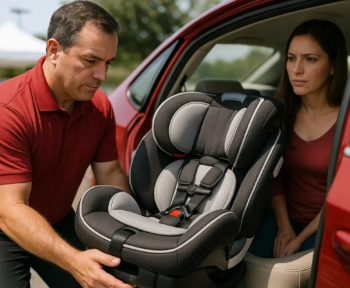
Check the car seat installation before every trip. A poorly installed seat can be dangerous. Ensure the seat is tightly secured with the seat belt or LATCH system. The seat should not move more than one inch side-to-side or front-to-back. Confirm the harness fits snugly on your baby. The chest clip should be at armpit level. Regularly inspect the seat for wear or damage. Proper installation saves lives and prevents injuries.
Common Questions Parents Ask
How Long Can A Baby Safely Sit In A Car Seat?
Babies should not sit in a car seat for more than 2 hours at a time. Extended periods can cause discomfort and breathing issues. Take breaks every 1. 5 to 2 hours to remove the baby, stretch, and feed for safety and comfort.
Why Is It Unsafe For Babies To Sit Long In Car Seats?
Prolonged sitting can restrict airflow and cause breathing difficulties. It can also lead to poor circulation and flat head syndrome. Frequent breaks help prevent these risks and keep the baby comfortable and healthy during long drives.
How Often Should I Take Breaks On Long Drives With A Baby?
Take breaks every 1. 5 to 2 hours to remove the baby from the car seat. Use this time for feeding, changing, and movement to avoid discomfort and maintain safety. Regular breaks keep your baby relaxed and reduce stress during travel.
Can Long Car Rides Affect A Baby’s Development?
Extended time in car seats may impact muscle development and posture if breaks are not taken. Babies need varied movement for healthy growth. Limiting car seat time and allowing supervised play outside the seat supports proper development.
Build the Trip Around Your Baby’s Rhythm
The easiest long drive is the one scheduled around sleep your baby was going to do anyway. Instead of leaving at a time that suits adult habits, look at your baby’s nap pattern and plan the longest driving leg to overlap the most reliable nap.
Many families swear by leaving very early, getting a long first leg done while the baby finishes the night’s sleep, then taking a generous mid-morning break. Night driving works for some too, but be honest about driver fatigue. A drowsy driver is a bigger risk than a fussy baby.
- Split big days in half. Two five-hour days with an overnight stop are far kinder to a baby than one ten-hour push, and kinder to the adults as well.
- Put an adult in the back seat when you can. With two drivers, rotate so one sits beside the baby. They can replace a pacifier, watch breathing, and keep the baby engaged without anyone turning around from the front.
- Scout your stops before you leave. Look along the route for rest areas, parks, or restaurants with grass or floor space. A planned stop where the baby can stretch beats an improvised shoulder-of-the-road pause every time.
- Add buffer to your arrival plans. Tell whoever is expecting you a window, not a time. Pressure to arrive by a deadline is what tempts parents to skip the breaks their baby needs.
A Pit Stop Routine That Actually Resets Your Baby
Not all breaks are equal. A stop where the baby stays buckled while adults grab coffee does nothing for the baby. A good reset follows a consistent order so nothing gets skipped, and it usually takes about twenty to thirty minutes.
- Unbuckle completely first. Get the baby fully out of the seat before anything else. The whole point of the stop is time out of the semi-reclined position.
- Change the diaper early. A clean, dry baby settles into the next leg faster. Doing it first also leaves room for a relaxed feed afterward.
- Feed outside the car seat. Hold your baby for the feed rather than propping a bottle in the seat. Upright feeding and a proper burp now prevent twenty miles of spit-up misery later.
- Give a few minutes of floor or lap time. A blanket on clean grass or the back of the cargo area lets your baby kick, stretch, and reset their posture.
- Re-check the harness before rolling. Confirm the chest clip is back at armpit level and the straps pass the pinch test. Hurried re-buckles after a stop are where loose harnesses happen.
When to Cut the Driving Day Short
Most fussiness on a long drive is ordinary and fixable with a stop. But there are moments when the right call is to end the day early, find a place to stay, and regroup. Pushing through rarely saves time anyway, because a distressed baby forces stop after stop.
Stop for the day, or at least for several hours, if your baby cries inconsolably across multiple stops, refuses two feeds in a row, or has repeated vomiting beyond normal spit-up. A baby who feels hot, looks unusually pale, or seems limp and hard to rouse needs more than a rest stop. Trust the change from their normal, not any single symptom.
Call your pediatrician’s nurse line from the road if you are unsure. They handle travel questions constantly and can tell you whether to watch, find urgent care along your route, or simply slow down. Save the number in your phone before the trip so the decision is one tap away instead of a stressed search at a gas station.

Graco Extend2Fit Convertible Car Seat
- Rear-facing harness from 4 to 50 lb, forward-facing harness to 65 lb
- 4-position extension panel adds up to 5 inches of legroom for longer rear-facing
- No-rethread harness and headrest adjust together in one motion
As an Amazon Associate, topcarseats.com earns from qualifying purchases at no extra cost to you.
Key Takeaways for Parents
Babies should not sit in a car seat for too long. Take breaks every hour to keep your baby safe and comfortable. Watch for signs that your baby needs a stretch or feeding. Choose a car seat with good support and proper fit.
Always follow safety rules during long drives. A happy baby makes the journey better for everyone. Keep your baby’s health and comfort as the top priority. Safe trips start with smart planning and careful attention.