Are you thinking about buying a used booster seat to save money? Before you make that decision, it’s important to know if it’s really safe for your child.
all booster seat guidess protect your little one in a crash, so you want to be sure the one you choose will do its job. You’ll discover the key things to check when buying secondhand and learn how to keep your child safe without breaking the bank.
Risks Of Secondhand Booster Seats
Buying a used booster seat might seem like a good deal. But used seats can have hidden risks. Safety is the top concern when it comes to child seats. Understanding these risks helps you make a safer choice for your child.
Potential Hidden Damage
Used booster seats may have cracks or weak spots. These damages might not be visible. A seat that looks fine could be unsafe in a crash. Past accidents can weaken the seat’s structure. Always check carefully, but some damage can be invisible.
Recalls And Safety Standards
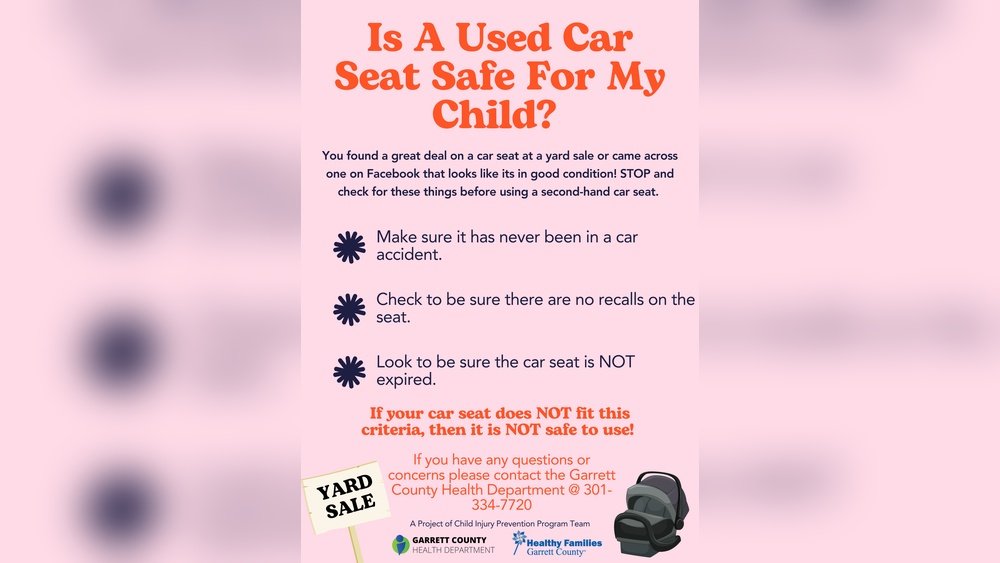
Not all secondhand booster seats meet current safety rules. Some may have been recalled due to defects. A recalled seat might cause injury during use. It is hard to know if a used seat has been recalled. Checking recall lists before buying is important.
Expiration Dates
Booster seats have expiration dates. Over time, materials break down and become less safe. A used seat might be expired or near expiration. Using an expired seat can increase injury risk. Always find out the seat’s age before buying it secondhand.
Checking The Seat’s History
Checking the seat’s history is very important before buying a used booster seat. It helps ensure the seat is safe for your child. Some seats may look fine but could have hidden problems. These problems can make the seat unsafe in a crash. You must learn about the seat’s past use and condition. This way, you protect your child and make a smart purchase.
Verifying Previous Accidents
Ask the seller if the booster seat was ever in an accident. Even a small crash can damage the seat’s structure. A seat with crash damage might not protect your child well. Check for cracks, dents, or broken parts. If the seat was in a crash, do not buy it. Safety standards say never use a seat replacing a car seat after an accident.
Confirming Manufacturer Details
Find the seat’s make, model, and manufacturing date. Use this information to check for recalls online. Recalls mean the manufacturer found safety problems with the seat. If the seat is recalled, do not use it. Also, seats older than 6-10 years may not meet current safety rules. Avoid very old booster seats even if they look good.
Inspecting Labels And Instructions
Look for the original labels on the seat. Labels show important safety and weight limits. Check if the instructions manual is still with the seat. Manuals give clear rules on how to install and use the seat. Missing labels or instructions can lead to wrong use. Always pick a seat with clear labels and a manual.
Physical Inspection Tips
Checking a used booster seat carefully is very important. Safety depends on its condition. A close physical inspection helps spot problems. This step protects your child from harm.
Assessing Structural Integrity
Look for cracks or breaks in the plastic frame. Check all edges and corners. Press and wiggle parts to see if they feel loose. The seat should be solid and stable. Avoid seats with any signs of damage.
Examining Straps And Buckles
Inspect all straps for frays, tears, or worn areas. Test the buckles to ensure they click and hold firmly. Pull on straps to check strength. Replace any straps or buckles that seem weak or broken.
Looking For Missing Parts
Count all the pieces the seat should have. Check the manual or manufacturer’s website for a parts list. Missing parts can reduce safety and effectiveness. Do not buy seats without all original components.
Comparing New Vs. Used Seats
Choosing between a new and used booster seat is a big decision for parents. Both options have pros and cons. It’s important to weigh these factors carefully. Safety should always be the top priority when selecting a booster seat. Understanding the differences helps you make a smart choice.
Cost Savings Vs. Safety Risks
Used booster seats cost less than new ones. This helps families save money. But used seats may have hidden damage. Cracks, wear, or missing parts can reduce safety. You might not know the full history of a used seat. New booster seats come with full safety assurance. They have no previous damage or wear. Choosing cheaper can put children at risk.
Warranty And Support Differences
New seats come with a warranty from the manufacturer. This covers defects and safety issues. You can get customer support if problems arise. Used seats usually have no warranty. Sellers rarely offer support after purchase. This means no help if the seat has problems. Buying new gives peace of mind and backup help.
Latest Safety Features
New booster seats include the latest safety technology. They meet current safety standards and tests. Used seats might be older models without new features. Safety rules change over time to protect kids better. New seats offer improvements like better side impact protection. Older seats may lack these important upgrades. Choosing new ensures the best safety for your child.
Where To Buy Used Booster Seats Safely
Finding a safe place to buy a used booster seat is very important. Not all sellers check the seat’s history or safety. Choosing the right source helps ensure the booster seat is still in good condition. It reduces risks for your child’s safety.
Here are some trusted places to buy used booster seats safely. Each option has its own way to protect buyers and maintain product quality.
Reputable Sellers And Platforms
Buy from well-known websites with buyer protection policies. These platforms often require sellers to provide clear product details. They may offer customer reviews and ratings. This feedback helps you judge the seller’s trustworthiness. Some platforms have return policies for faulty items. Always check the seller’s history before buying.
Community Safety Programs
Local safety programs sometimes offer used booster seats. These programs inspect seats to meet safety standards. They may provide seats for free or at low cost. Buying through these channels ensures the booster seat is safe. Community programs also offer advice on correct use and installation.
Certified Refurbished Options
Some manufacturers and stores sell certified refurbished booster seats. These seats undergo thorough cleaning and safety checks. They often come with a warranty or guarantee. Certified refurbished seats provide more safety assurance than regular secondhand seats. Choose this option for extra peace of mind.
Legal And Safety Regulations
Buying a used booster seat requires careful attention to legal and safety rules. These rules protect children and ensure the seat works properly. Understanding these regulations helps parents make safe choices.
State And Local Laws
Each state has rules about booster seats. Laws may require children to use booster seats until a certain age or height. Some places need seats with specific safety features. Check your area’s rules before buying a used seat. Following these laws keeps children safe and avoids fines.
Manufacturer Guidelines
Manufacturers set rules for booster seat use. These include expiration dates and damage checks. Used seats might be expired or unsafe. Always read the label and manual. Using a seat past its expiry is risky. Seats may lose protection after years or accidents.
Child Passenger Safety Recommendations
Experts say only use booster seats in good condition. They advise against seats with missing parts or unknown history. Booster seats must fit the child and car properly. Proper use reduces injury risk in crashes. Safety checks and checking if your car seat is installed correctly are vital for protection.
Alternatives To Buying Secondhand
Choosing a booster seat is important for child safety. Buying secondhand seats can be risky. There are safer alternatives that can still save money. These options offer peace of mind and protect your child.
Borrowing From Trusted Sources
Borrowing a booster seat from family or friends you trust is a smart option. You know the seat’s history and how it was used. Make sure the seat has no damage and meets safety standards. This option can save money and provide safety assurance.
Rental Programs
Many stores and organizations offer booster seat rentals. These seats are inspected and cleaned regularly. Renting gives access to newer, safer models. It is ideal for short-term needs or travel.
Discounts On New Seats
Look for sales and discounts on new booster seats. Many stores offer promotions during holidays or special events. Buying new ensures the latest safety features. It can be affordable with a good deal.
Common Questions Parents Ask
Is Buying A Used Booster Seat Safe?
Buying a used booster seat can be risky. Check for recalls, damage, and expiration dates before purchase. Safety features may degrade over time.
How To Check A Used Booster Seat’s Safety?
Inspect for cracks, missing parts, and cleanliness. Verify the seat’s history and ensure it hasn’t been in an accident. Confirm the expiration date.
What Risks Come With Secondhand Booster Seats?
Used seats may lack updated safety standards or have hidden damage. Expired materials can weaken protection, increasing injury risk in crashes.
Are Recalled Booster Seats Safe To Buy Secondhand?
No. Recalled booster seats have known safety defects. Avoid buying or using any model flagged by recall notices.
Questions to Ask the Seller Before You Hand Over Money
A physical inspection only tells you what you can see. The seller’s answers tell you what you cannot. Ask these questions in order, and pay as much attention to how the person answers as to what they say.
- Are you the original owner? If not, walk away. Once a seat has changed hands, nobody can truthfully vouch for its crash history.
- Has this seat ever been in a vehicle during a crash, even a minor one? Ask it exactly that way. Many people only count crashes where the seat was occupied, but the seat rode through the forces either way.
- Why are you selling it? “My child outgrew it” is the answer you want. Vague or shifting reasons deserve follow-up questions.
- Do you have the manual and the original receipt? Neither is strictly required, but an owner who kept the paperwork tends to be the kind of owner who followed the rules.
- Where was it stored? Years in a hot attic or damp garage age plastic faster than years in a climate-controlled closet.
One more tell: a seller who answers quickly, specifically, and without defensiveness is showing you their relationship with the seat. Hesitation, irritation, or “I don’t know” on the crash question should end the conversation politely. There will always be another booster.
Why a Booster Is a Different Used Purchase Than a Harnessed Seat
Not all secondhand car seats carry the same level of risk, and it helps to understand where boosters sit on that spectrum. A belt-positioning booster, especially a backless one, is mechanically simpler than a harnessed seat. There is no harness webbing to degrade, no buckle and chest clip assembly to fail, and no complicated recline or LATCH-tightening hardware. Fewer parts means fewer hidden failure points and an easier inspection.
That said, simpler does not mean exempt. The plastic shell still fatigues with age and sun exposure, the seat still has an expiration date, it can still be recalled, and it still must be replaced after a significant crash. Every rule in this article applies; the difference is that with a booster, your inspection can actually cover most of what matters, while a used harnessed seat hides far more from view.
There is also a budget reality worth naming. Backless boosters are among the least expensive seats you can buy new, so the gap between a used price and a new price is often small. Run that comparison before you spend an afternoon vetting a stranger’s seat. For harnessed seats the savings can be meaningful; for a basic booster, new is frequently within reach.
What to Do the Day You Bring a Used Booster Home
The work is not finished when the seat is in your trunk. A short setup routine turns a secondhand seat into one you can actually trust.
- Register it with the manufacturer. Use the model number and manufacture date from the label. Registration costs nothing and means recall notices come straight to you instead of to the previous owner.
- Download the manual. If the paper copy is missing, nearly every manufacturer posts manuals online. Read the sections on belt routing, headrest position, and cleaning before first use.
- Clean it the approved way. Mild soap and water on the shell, and follow the manual for the cover. Skip harsh degreasers and bleach, which can weaken materials you are counting on.
- Do a full fit check in your own car. Belt guides at the right height, lap belt low on the hips, shoulder belt across the middle of the chest, child able to sit back with knees bending at the seat edge.
- Write the expiration date somewhere you will see it. Add it to your phone calendar with a reminder, because the label under the seat is easy to forget for years at a time.
Fifteen minutes of setup closes most of the gap between buying used and buying new. The seats that fail families are usually the ones that went straight from the trunk into service.
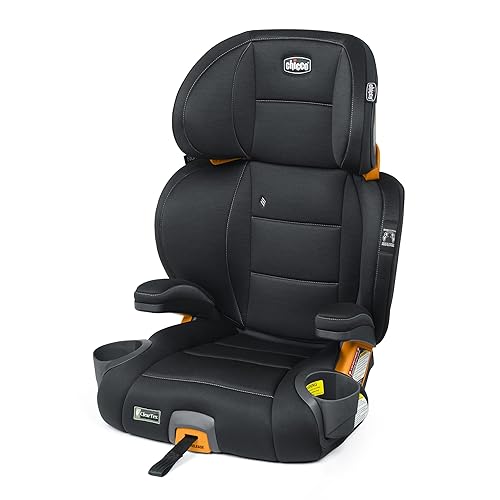
Chicco KidFit ClearTex Plus 2-in-1 Belt-Positioning Booster
- DuoGuard head and torso protection with 10-position height adjustment
- LATCH connectors with SuperCinch tightener keep the booster stable
- Flame retardant-free fabrics, removable and machine washable
As an Amazon Associate, topcarseats.com earns from qualifying purchases at no extra cost to you.
Key Takeaways for Parents
Buying a used booster seat can save money but needs caution. Check for any damage or missing parts before buying. Make sure the seat has never been in a crash. Look for the expiration date on the label. Clean the seat well before use.
Safety should always come first for your child. Choosing a reliable seller helps avoid problems. A good booster seat keeps your child safe on the road. Think carefully and choose wisely to protect your little one.