If you want to keep your child safe and comfortable during car rides, knowing how to install a booster seat with the LATCH system is a must. it’s tricky, but with the right steps, you can do it quickly and correctly every time.
If you want to keep your child safe and comfortable during car rides, knowing how to install a booster seat with the LATCH system is a must. it’s tricky, but with the right steps, you can do it quickly and correctly every time.
This guide will walk you through the process in simple terms, so you can feel confident that your all booster seat guides is secure.
Choosing The Right Booster Seat
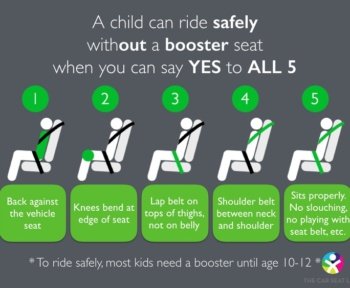
Choosing the right booster seat is important for your child’s safety and comfort. The correct seat fits your child’s size and works well with your car. A good booster seat keeps your child secure and helps the the 5-step seat belt fit test properly. Understanding the types, size limits, and safety marks helps you pick the best seat.
Types Of Booster Seats
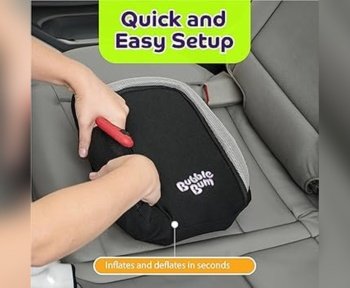
Booster seats come in two main types: high-back and backless. High-back boosters give head and neck support. They work well in cars without headrests. high-back vs backless booster guides are smaller and easier to carry. They need a car seat with a headrest for support. Choose the type that fits your car and your child’s needs.
Age And Weight Recommendations
Booster seats are for kids who outgrow car seats but are too small for adult seat belts. Usually, children from 4 to 12 years old use boosters. Weight limits vary but often range from 40 to 100 pounds. Follow the seat’s rules for age and weight to keep your child safe.
Safety Certifications To Look For
Check for safety labels on the booster seat. Look for certifications like FMVSS 213 or ECE R44. These show the seat meets safety tests. Also, find the date of manufacture. Avoid seats older than ten years. Certified seats give peace of mind and better protection.
Preparing Your Vehicle
Preparing your vehicle is the first step to install a booster seat with the LATCH system. This process ensures the seat fits safely and correctly. Taking time to prepare helps protect your child during travel. Follow these simple steps before installing the booster seat.
Locating The Latch Anchors
Find the LATCH anchors in your car’s back seat. These metal bars are usually between the seat cushion and backrest. Look for small symbols or labels that show their location. Knowing where the anchors are makes installation easier and safer.
Clearing The Seat Area
Remove any items from the back seat before installing the booster seat. Clear toys, bags, and other objects that might block the seat or interfere with the LATCH system. A clean seat area helps the booster seat sit flat and secure.
Checking Vehicle Compatibility
Check your vehicle’s manual to confirm it supports the LATCH system. Some cars have weight limits or special rules for booster seats. Make sure your car and booster seat are compatible for a safe fit.
Attaching The Booster Seat
Attaching the booster seat with the LATCH system is a simple process. This step is important to keep your child safe. The LATCH system uses special straps to connect the seat to your car.
Follow each step carefully to ensure the seat is secure and stable. A properly attached booster seat protects your child during every ride.
Connecting The Latch Straps
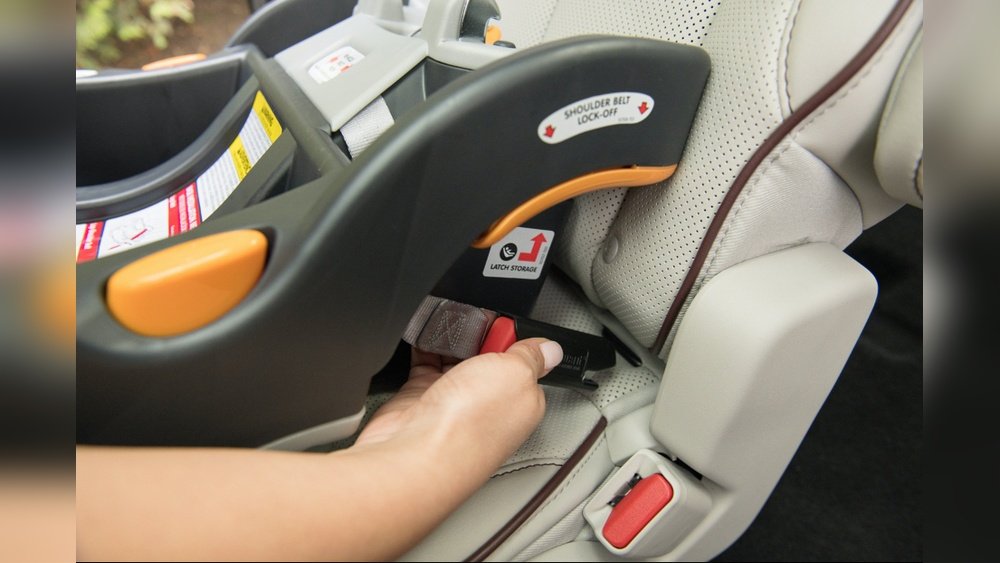
Start by finding the lower anchors in your car seat. They are usually between the seat cushions. Clip the LATCH straps from the booster seat to these anchors.
Make sure each strap clicks into place. A secure connection stops the seat from moving side to side.
Securing The Seat Base
Push the booster seat base firmly against the car seat. Pull the LATCH straps tight. This keeps the base from shifting.
Check for any slack in the straps. Tighten them until the seat base feels solid and does not wiggle.
Adjusting The Seat For Stability
Once the base is secure, adjust the booster seat to fit your car’s seat shape. Some booster seats have adjustable bases or supports. Use these to make the seat steady.
Double-check all connections and the seat’s position. The booster should not move more than one inch side to side or front to back.
Positioning Your Child
Positioning your child correctly in a booster seat is key for safety and comfort. It helps protect them during travel. Proper positioning ensures the seat and belt work as designed. This section guides you on how to seat your child right using the LATCH system.
Correct Seating Posture
Your child should sit upright with their back flat against the booster seat. Avoid slouching or leaning forward. Feet should rest on the vehicle floor. This posture helps the booster seat support your child properly.
Proper Seat Belt Placement
The seat belt must lie across the child’s chest and shoulder, not the neck or face. The lap belt should rest low on the hips, touching the upper thighs. This placement helps keep your child secure in case of a sudden stop.
Adjusting Headrests And Harness
Adjust the booster seat headrest to fit just above the child’s shoulders. Make sure the harness fits snugly without being too tight. Proper adjustment protects your child’s head and neck during travel.
Double-checking Installation
Double-checking the installation of your booster seat with the LATCH system is very important. It ensures your child’s safety during every ride. Taking a few extra minutes to verify the setup helps avoid mistakes that could cause harm. Follow these simple steps to confirm the seat is secure and ready.
Performing A Tug Test
Grab the booster seat near the LATCH connectors. Give a firm tug to see if it moves. The seat should stay firmly in place. Any wobbling means it needs tightening. Keep pulling and adjusting until the seat feels solid. This test shows if the seat is locked properly.
Inspecting For Loose Straps
Look closely at all LATCH straps and connectors. Make sure none are twisted or slack. Straps should be straight and tight. Loose straps can let the seat shift in a crash. Pull each strap to check its tension. Tighten any strap that feels loose or slack.
Ensuring No Excess Movement
Push and pull the booster seat at the base. It should not move more than one inch side to side. Check front to back movement too. The seat must stay firmly attached to the vehicle. Too much movement lowers protection during sudden stops. Adjust straps and connectors until the seat is stable.
Common Mistakes To Avoid
Installing a booster seat with the LATCH system needs care and attention. Many parents make simple errors that reduce safety. Avoiding these mistakes ensures your child is secure and comfortable. Here are common mistakes to watch out for.
Ignoring Vehicle Manual Instructions
Every car is different. The vehicle manual has important steps for LATCH use. Ignoring it can lead to wrong installation. Always read the manual before starting. It shows the exact location of LATCH anchors. Follow the car maker’s directions closely.
Using Expired Or Damaged Seats
Booster seats have expiration dates. Using an old seat can be unsafe. Plastic parts weaken over time. Cracks or damage reduce protection during crashes. Check the seat’s label for expiration. Inspect the seat for visible wear. Replace damaged or expired seats immediately.
Improper Belt Routing
Routing the seatbelt incorrectly is a common error. The belt must lie flat and snug on the child. Twisted or loose belts reduce safety. Follow the booster seat’s instructions for proper belt path. Ensure the belt crosses the correct parts of the seat. Double-check before every ride.
Maintenance And Care Tips
Proper maintenance and care keep your booster seat safe and comfortable. Regular attention helps the seat last longer and protects your child. Follow simple steps to maintain your booster seat with the LATCH system.
Regularly Inspecting The Seat
Check the booster seat before every use. Look for cracks, tears, or loose parts. Make sure the LATCH connectors attach firmly to the vehicle anchors. Test the straps for wear or fraying. Replace any damaged parts immediately. Safety depends on a well-maintained seat.
Cleaning Guidelines
Remove the booster seat cover for washing. Use mild soap and cold water to clean the fabric. Avoid harsh chemicals that can damage the material. Wipe the plastic parts with a damp cloth. Let everything air dry completely before reassembling. Keep the seat fresh and hygienic for your child.
Storage Recommendations
Store the booster seat in a dry, cool place. Avoid direct sunlight to prevent fading and cracking. Keep it away from sharp objects or heavy items. Store the seat upright to maintain its shape. Proper storage helps the seat stay in good condition for future use.
Common Questions Parents Ask
What Is The Latch System For Booster Seats?
The LATCH system secures booster seats using built-in anchors in vehicles. It ensures a safer and easier installation without seat belts. This system is designed for children who have outgrown car seats but still need extra support. Proper use of LATCH improves child passenger safety significantly.
How Do I Attach A Booster Seat With Latch?
Locate the lower anchors in your vehicle’s seat crease. Connect the booster seat’s LATCH connectors to these anchors firmly. Ensure the seat is tight and does not move more than an inch side-to-side. Always follow the booster seat manufacturer’s instructions for best results.
Can I Use Latch And Seat Belt Together?
It is generally recommended to use either LATCH or a seat belt, not both. Using both can cause improper installation and reduce safety. Choose one method based on your booster seat’s guidelines and your vehicle’s compatibility. Proper installation is critical for child safety.
When Should I Stop Using The Latch System?
Stop using LATCH when your child outgrows the booster seat’s weight or height limit. Most boosters have a maximum LATCH weight of around 65 pounds. After this, secure the booster with the vehicle seat belt only. Always check your booster seat manual for specific limits.
What LATCH Actually Does on a Booster
Here is the detail that surprises many parents: on a belt positioning booster, the LATCH connectors do not restrain your child in a crash. The vehicle seat belt does that job. The LATCH straps exist to hold the booster itself in place, which matters in two situations.
First, an anchored booster does not slide around while your child climbs in, which makes it easier for kids to buckle themselves correctly. Second, and more important, an empty booster that is not anchored becomes a loose projectile in a sudden stop or crash. A few pounds of rigid plastic moving at highway speed can injure anyone in the car.
This changes how you think about the install. You do not need to lean your knee into a booster and crank the straps the way you would with a harnessed seat. Snug and stable is the goal. And if your booster has no LATCH connectors at all, that is not a defect. Just buckle the empty booster with the seat belt whenever your child is not riding in it.
No Lower Anchors in Your Seating Position? Do This Instead
Many vehicles only have lower anchors in the two outboard rear seats. If you want the booster in the center, or you drive an older car with no anchors at all, you still have safe options.
- Install with the seat belt only. A booster secured by nothing but the seat belt holding your child is a completely correct installation. LATCH is a convenience on boosters, not a requirement.
- Never borrow inner anchors for the center seat. Using the innermost anchor from each outboard position is prohibited by most vehicle and seat makers unless both manuals specifically allow it, because the anchor spacing was not tested that way.
- Check the top tether rules. Some high back boosters include a top tether, others forbid one. Follow your booster manual exactly rather than assuming all anchor hardware should be connected.
- Buckle the empty seat. Without lower anchors, make it a habit to belt the booster in whenever it rides unoccupied, even on short errands.
If your vehicle manual and booster manual disagree on any of these points, the stricter rule wins. When in doubt, a certified child passenger safety technician can check your specific combination for free.
When Connectors Will Not Click: Quick Fixes
The most common LATCH frustration is mechanical. The anchors are buried deep in the seat crease, the connector will not click, or it clicks but will not release when you want to move the seat. A few techniques solve most of it.
If the anchor bar is hard to reach, press your hand straight down into the seat crease to compress the cushion, then guide the connector onto the bar by feel. Approaching at a slight downward angle usually works better than pushing straight in. For hook style connectors, make sure the hook opening faces down toward the floor before you attach it, and confirm the strap is not twisted along its length.
If a push on connector clicks but the strap will not tighten, the strap is probably caught under the booster or twisted at the adjuster. Loosen everything, flatten the strap, and pull the tail at a low angle parallel to the strap path rather than straight up. To release a stubborn connector, push it slightly deeper onto the anchor first to take tension off the latch, then press the release. Forcing it while the strap is tight is why so many parents think their connectors are broken when they are simply loaded.
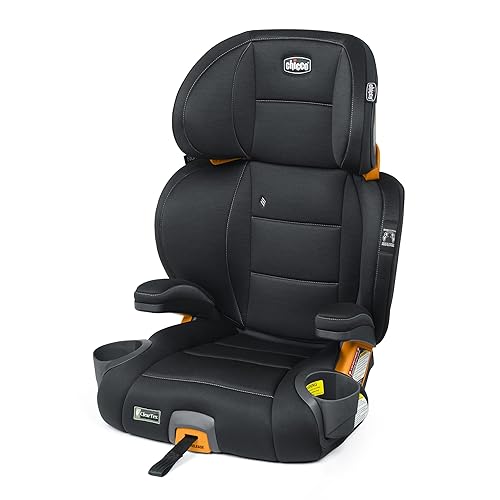
Chicco KidFit ClearTex Plus 2-in-1 Belt-Positioning Booster
- DuoGuard head and torso protection with 10-position height adjustment
- LATCH connectors with SuperCinch tightener keep the booster stable
- Flame retardant-free fabrics, removable and machine washable
As an Amazon Associate, topcarseats.com earns from qualifying purchases at no extra cost to you.
Key Takeaways for Parents
Installing a booster seat with the LATCH system keeps children safe in cars. Follow each step carefully and double-check the fit. Make sure the seat does not move more than an inch side to side. Tighten the straps firmly but comfortably.
Keep the booster seat instructions handy for future use. Regular checks help maintain safety as your child grows. A properly installed booster seat gives peace of mind on every trip. Safety first -always secure your child before driving.