Struggling to fit three booster seats across your back seat? You’re not alone.
Struggling to fit three booster seats across your back seat? You’re not alone.
It can feel like a puzzle, trying to keep your kids safe and comfortable without overcrowding your car. But don’t worry -there are smart, simple ways to make it work. In this guide, you’ll discover easy tips and tricks that help you maximize your space and keep every child secure.
Choosing The Right Booster Seats
Choosing the right booster seats is key to fitting three across your back seat. The right seats ensure safety and comfort for your children. It also helps make the most of your car’s space. Consider size, shape, safety, and type to pick the best booster seats.
Size And Shape Considerations
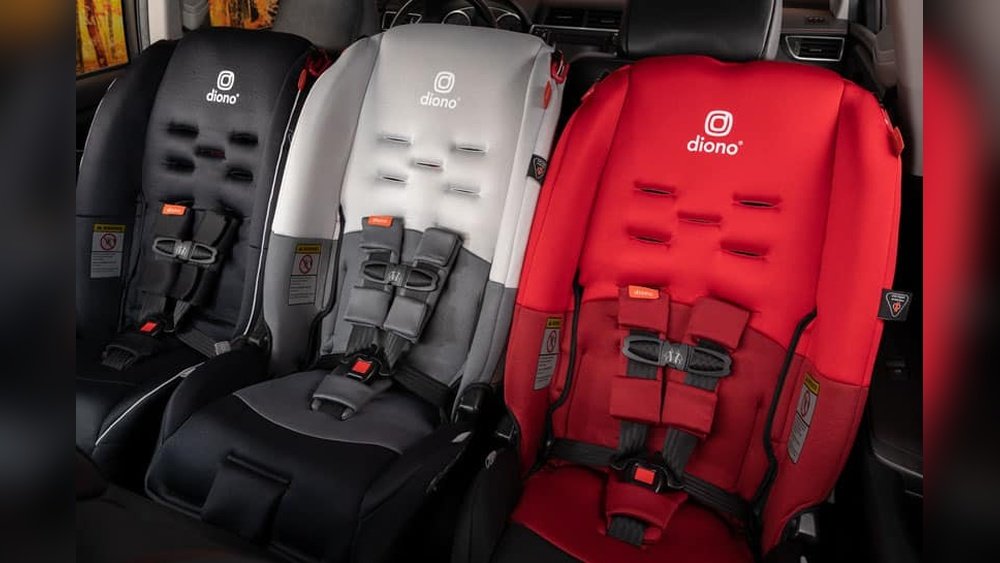
Booster seats come in many sizes and shapes. Slim and narrow seats save space and fit better side by side. Check the width of each booster seat before buying. Think about the shape too. Seats with low backs fit better in smaller cars. Make sure the seats do not block the seatbelt buckle or door.
Safety Ratings To Check
Always check safety ratings before choosing a booster seat. Look for seats that meet national safety standards. Higher-rated seats offer better protection in crashes. Read reviews and test results from trusted sources. Safety is the top priority for your child’s seat.
Types Of Booster Seats
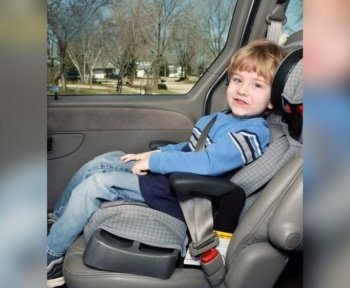
There are three main types of booster seats: backless, high-back, and combination seats. high-back vs backless booster guides are slim and good for fitting three across. High-back boosters offer more support and head protection. Combination seats grow with your child and work as harness seats too. Pick the type that suits your child’s age and your car space.
Measuring Your Vehicle’s Back Seat
Measuring your vehicle’s back seat is the first step to fitting three booster seats safely. Accurate measurements help you understand the space available. This prevents tight fits that can be unsafe or uncomfortable. Knowing the dimensions also guides your choice of booster seats.
Width And Depth Measurements
Start by measuring the width of the back seat from door to door. Measure the flat seating area, not including the seat edges. Note the total width in inches or centimeters. Next, measure the seat depth from the backrest to the front edge. This shows how much legroom the booster seats need. Write down these numbers for comparison with booster seat sizes.
Seat Belt Placement
Check the location of seat belts across the back seat. Measure the distance between each belt buckle and anchor point. Confirm if the belts are lap-only or lap-and-shoulder types. Proper belt placement is crucial for booster seat safety. It ensures the the 5-step seat belt fit tests the child correctly over the booster.
Car Seat Anchors And Latch System
Find out if your vehicle has lower anchors for car seats. These anchors are part of the LATCH system. Measure the space between each anchor point. Make sure the anchors can fit three booster seats side by side. Knowing anchor placement helps with proper installation and stability.
Positioning Three Booster Seats
Positioning three booster seats across the back seat can be challenging. It needs careful planning to keep children safe and comfortable. Proper arrangement helps use space well and keeps seat belts effective. This section explains how to place three booster seats correctly in your car.
Optimal Seat Arrangement
Place the booster seats side by side with little space between them. Start with the middle seat, then fit the outer seats next to it. Make sure each booster sits flat and stable on the seat. Check that seat belts easily reach each child without twisting. This setup helps keep all three children secure during the ride.
Using Seat Belt Extenders
Seat belt extenders add length to short seat belts. Use extenders only if seat belts do not fit properly over the booster seats. Always choose extenders approved for your car model. Avoid extenders that change how the seat belt clicks or locks. Proper extenders improve comfort and safety for all kids.
Avoiding Overcrowding
Leave enough space between booster seats to prevent crowding. Crowding can cause discomfort and make seat belts hard to use. Ensure children can sit naturally without pushing against each other. Overcrowding raises the risk of seat belts not fitting right. Spread the seats evenly to keep kids safe and happy.
Installation Tips For Security
Installing three booster seats across the back seat needs care and attention. Safety comes first. Each seat must fit tightly and stay secure during travel. This section shares simple steps to keep booster seats safe and comfortable for your children.
Securing Booster Seats Properly
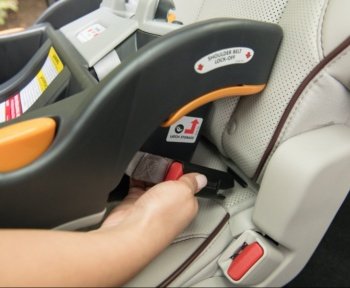
Place each booster seat flat on the seat bottom. Use the vehicle’s seat belts to lock each booster in place. Make sure the seat belt clicks and holds firmly. Follow the booster seat manual for belt path instructions. Check that no belt is twisted or loose.
Checking For Movement
Push and pull each booster seat at the base. It should not move more than an inch side to side or front to back. A tight fit means better protection. If a seat moves too much, adjust the seat belt or reposition the booster. Repeat until all seats stay firmly in place.
Adjusting For Child Comfort
Make sure each child sits comfortably and upright. The seat belt should lie across the shoulder and chest, not the neck or face. The lap belt must rest low on the hips. Adjust booster height or use seat belt guides if needed. Comfort helps children stay seated properly throughout the trip.
Managing Challenges And Solutions
Fitting three booster seats across a back seat can be tough. Many parents face challenges with space and safety. Finding the right way to fit all three seats is important for every trip. The solutions depend on your car’s size and seat design.
Dealing With Narrow Back Seats
Narrow back seats make fitting three booster seats hard. Measure your car’s seat width before buying boosters. Choose slim booster seats designed for tight spaces. Booster seats without backs often take less room. Make sure all seats fit securely without gaps. Check if seat belts lock properly with each booster.
Alternatives For Small Vehicles
Small vehicles may not fit three boosters side by side. Consider using a combination of booster and car seats. Some car seats can be narrower and still safe. Use booster seats with a lower profile to save space. Rear-facing car seats can fit in the middle if needed. Rotate children’s seating positions to share space better.
When To Upgrade Your Vehicle
Sometimes, your vehicle limits booster seat arrangement. Larger cars or SUVs offer more room and safety features. If space is always tight, think about a bigger vehicle. More width means easier fitting for three boosters. Newer models often include LATCH anchors for better seat installation. Prioritize safety and comfort for your kids over vehicle size.
Legal And Safety Guidelines
Understanding legal and all car seat safety guideslines is key when fitting three booster seats across the back seat. These rules protect children and ensure proper use of booster seats. Following these guidelines helps avoid fines and keeps kids safe on the road.
State Laws On Booster Seat Use
Each state has specific laws about booster seat use. Rules differ by age, height, and weight of the child. Some states require booster seats until age 8 or older. Always check your local laws before installing seats. This ensures compliance and avoids penalties.
Height And Weight Requirements
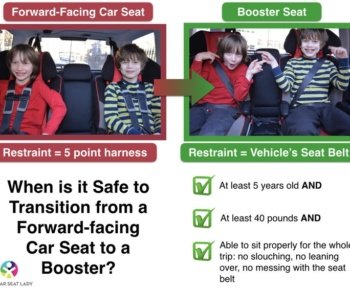
Booster seats have clear height and weight limits. Children must meet these limits to use a booster seat safely. Most require children to be at least 4 years old. Weight limits usually range from 40 to 100 pounds. Follow the manufacturer’s instructions carefully for best fit.
Regular Safety Checks
Check booster seats regularly for proper installation. Make sure seat belts fit correctly over the child’s shoulder and lap. Inspect for any damage or wear that could affect safety. Tighten seats firmly to avoid movement during travel. Regular checks maintain safety and comfort.
Additional Accessories And Tools
Adding the right accessories makes fitting three booster seats easier. These tools protect your car and keep seats organized. They also help during travel. Accessories improve safety and comfort for kids.
Seat Protectors And Covers
Seat protectors shield your car’s upholstery from damage. They stop dents and scratches from booster seats. Covers also catch spills and crumbs. Many protectors are easy to clean and fit under booster seats. This keeps your car neat and lasting longer.
Booster Seat Storage Options
Storage helps keep booster seats tidy when not in use. Some seats fold flat for easy storage. Others come with bags or straps for carrying. Storage solutions save space and reduce clutter. They make handling three booster seats simple and stress-free.
Travel-friendly Booster Seats
Travel-friendly boosters are lightweight and compact. They fit well in small cars with three seats. These seats often have quick installation features. Perfect for road trips or moving seats between vehicles. They provide comfort without taking up too much room.
Common Questions Parents Ask
How Can I Fit Three Booster Seats Across Back Seat?
Measure your back seat width first. Choose narrow booster seats designed for compact spaces. Position seats tightly side by side and use seat belts securely for each child.
Are All Booster Seats Suitable For Three-across Installation?
No, not all booster seats fit three-across. Look for slim-profile or compact models. Check vehicle seat width and booster seat dimensions before purchase.
What Safety Tips Ensure Proper Booster Seat Installation?
Always follow manufacturer instructions carefully. Secure booster seats with seat belts tightly. Ensure no excessive gaps between seats to prevent shifting during travel.
Can I Use Seat Belt Extenders For Three Booster Seats?
Seat belt extenders are generally not recommended. They may affect seat belt effectiveness and compromise safety. Consult your vehicle manual and local laws before use.
Solve the Buckle Access Problem First
Ask any parent who has actually run a three-across booster row and they will tell you the hard part is not width. It is buckles. Three boosters side by side tend to bury the buckle stalks, and a buckle nobody can reach is a buckle that gets clicked wrong or skipped on a rushed morning.
Before you settle on a final arrangement, test every buckle with all three seats in place and all three kids loaded. Then build a boarding order around what you find.
- Load the middle child first. Buckle the center position while you still have working room from both doors, then add the outboard kids. Reverse the order when unloading.
- Watch for buckle confusion. With three buckles inches apart, kids regularly click into a neighbor’s buckle. Teach each child which one is theirs and do a visual check before pulling away.
- Mind buried stalks. If a booster base sits on top of the adjacent position’s buckle, shift seats an inch or swap which booster sits where. Never let a child ride with the belt latched at an awkward angle over a neighboring seat.
- Check that kids cannot reach each other’s buttons. Bored siblings discover the red button fast. Seating the most reliable child in the middle reduces mid-drive surprises.
Assign Seats by Child, Not Just by Seat Width
Once the hardware fits, the next puzzle is which child goes where. The right lineup depends as much on personalities and independence as on inches.
Put your most capable self-buckler in the hardest position for an adult to reach, usually the center. Children who still need help buckling belong at the doors where you can lean in comfortably. If two siblings turn every ride into a wrestling match, the third child becomes a human buffer in the middle.
Think about exits too. The child who gets dropped off first should sit on the curb side at the door, so nobody climbs over anyone. For carpool weeks where the lineup changes daily, a quick seating chart taped inside the door sounds silly and saves real arguing. Revisit the arrangement every few months, because the kid who could not self-buckle in the fall often can by spring, which unlocks better configurations.
Do a Full Dress Rehearsal Before the First Real Morning
A three-across setup that works in theory can fall apart under real conditions. Run one complete practice session in the driveway before the configuration has to perform on a school morning.
- Load everyone in normal gear. Three kids in bulky winter coats are wider than three kids in T-shirts. If the row only works in summer clothes, you have a November problem waiting. Thinner layers plus a blanket over the buckled belt beats a puffy coat under it anyway.
- Time the routine. Run the full load, buckle, check, unload cycle twice. If it takes longer than you can tolerate daily, simplify now, not in the school pickup lane.
- Shake test after the kids climb around. Children boarding over and past boosters can shift them. Confirm each seat is still flat and each belt still routed correctly after a realistic scramble.
- Check door clearance and pinch points. Make sure the outboard boosters do not block the door from opening fully and that no armrest catches a seat belt during closing.
- Recheck after the first week. Seats settle, kids invent shortcuts, and belts migrate. One five-minute audit after a few real rides catches the drift before it becomes habit.
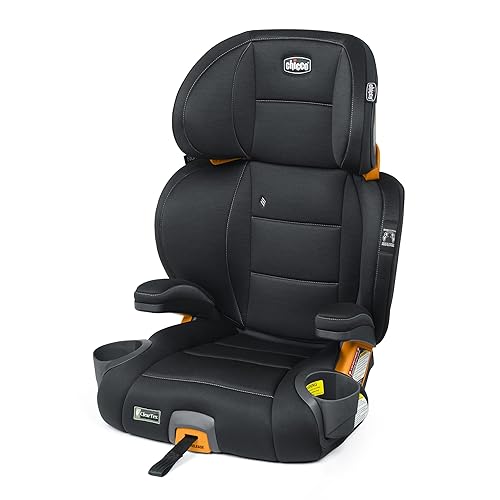
Chicco KidFit ClearTex Plus 2-in-1 Belt-Positioning Booster
- DuoGuard head and torso protection with 10-position height adjustment
- LATCH connectors with SuperCinch tightener keep the booster stable
- Flame retardant-free fabrics, removable and machine washable
As an Amazon Associate, topcarseats.com earns from qualifying purchases at no extra cost to you.
Key Takeaways for Parents
Fitting three booster seats across the back seat takes planning and care. Measure your car’s seat width first. Choose slim, well-fitting booster seats to save space. Secure each seat tightly for safety. Give your kids enough room to sit comfortably.
Check your car’s manual for seat belt rules. Practice installing the seats a few times. Stay patient and careful during the process. This helps keep your children safe on every trip. Safe and snug -everyone rides happy.