you can use a convertible car seat right from the moment your baby is born? Choosing the right car seat can feel overwhelming, especially with so many options and safety concerns.
you can use a convertible car seat right from the moment your baby is born? Choosing the right car seat can feel overwhelming, especially with so many options and safety concerns.
What if there was a simple answer that could keep your little one safe and comfortable from day one? You’ll discover exactly how all convertible car seat guidess work for newborns, what to look for, and how to make the best choice for your family’s peace of mind.
Convertible Car Seats Basics
Choosing the right car seat for your child is important. Convertible car seats offer a flexible option for many parents. These seats grow with your child, making them a popular choice. Understanding the basics helps you make a safe choice.
Convertible car seats can be used for newborns and toddlers. They switch from rear-facing to forward-facing as your child grows. This means fewer changes and longer use.
What Are Convertible Car Seats
Convertible car seats are designed to adapt to your child’s size. They can be installed facing the rear or forward. These seats usually have extra padding for comfort and safety. Parents like them for their convenience and durability. They can fit children from birth to around 4 years old.
Rear-facing Vs Forward-facing
Rear-facing seats protect a baby’s head, neck, and spine better. Experts recommend keeping children rear-facing as long as possible. Forward-facing seats are for older toddlers who outgrow rear-facing limits. Switching too soon can increase injury risks in a crash. The convertible seat allows easy switching when your child is ready.
Weight And Height Limits
Each convertible car seat has specific weight and height limits. These limits tell you when to switch from rear-facing to forward-facing. Most rear-facing seats support children up to 40 pounds. Forward-facing limits can go up to 65 pounds or more. Check the car seat manual to be sure. Staying within limits ensures your child’s safety and comfort.
Using Convertible Seats From Birth
Using a convertible car seat from birth is a common choice for many parents. These seats grow with your child, saving money and space. They can be used both rear-facing for infants and forward-facing for toddlers. Starting with a convertible seat early requires careful attention. Safety and correct use are key for protecting your newborn.
Is It Safe For Newborns
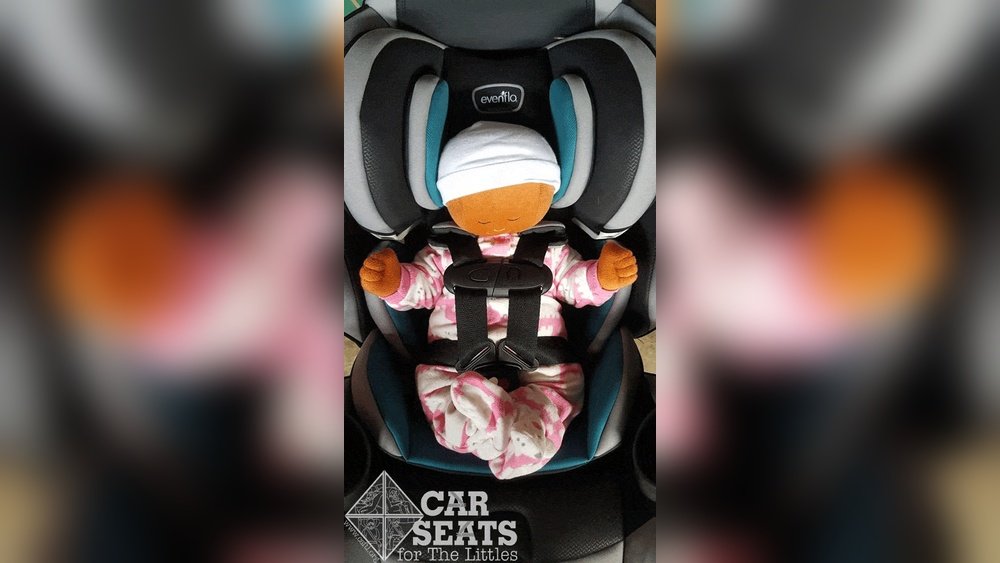
Convertible car seats are designed to be safe for newborns if used correctly. They must be installed rear-facing, which supports the baby’s head and neck. Rear-facing positions reduce injury risk in crashes. Check the seat’s weight and height limits to make sure your baby fits. Always follow the manufacturer’s guidelines for newborn use.
Proper Installation For Infants
Installing the seat properly is crucial for safety. Place the seat at the correct the correct infant-seat recline angle to keep the baby’s airway open. Use the vehicle’s seat belt or LATCH system tightly. The seat should not move more than an inch side to side. Double-check all attachments before every trip. Proper installation reduces injury risks significantly.
Adjusting Harness And Straps
Adjusting the harness and straps is important for comfort and safety. The harness must be snug with no slack. Straps should lie flat without twists. Position the harness at or below the baby’s shoulders. The chest clip should be at armpit level. Regularly check and adjust as your baby grows to ensure a secure fit.
Safety Tips For Newborns
Keeping newborns safe in a convertible car seat needs careful attention. Safety is the top priority for parents. Small details can make a big difference in protection. Understanding how to use the car seat correctly helps prevent injuries.
Below are key safety tips for newborns in convertible car seats. Follow these to keep your baby secure on every trip.
Correct Recline Angle
Newborns need a recline angle that supports their head and neck. Too upright can cause the head to fall forward. This can block their airway and cause breathing problems. Most car seats have angle indicators to guide you. Adjust the seat so the baby’s head stays stable and open for breathing. Always check the angle after installation and before every ride.
Avoiding Common Mistakes
Many parents make simple errors with car seats. Avoid loose harness straps. Straps should fit snugly without slack. The chest clip must be at armpit level. Never use bulky clothes or blankets under the harness. These can reduce the seat’s effectiveness. Remove head supports not approved by the manufacturer. Always follow the car seat manual carefully to prevent misuse.
Checking Seat Expiration And Recalls
why car seats expire after several years. Using an expired seat can be unsafe. Materials weaken over time, reducing protection. Check the label on the seat for the expiration date. Also, register your car seat with the maker. This way, you get alerts about recalls. A recalled seat may have defects affecting safety. Stay updated to keep your newborn secure.
Additional Considerations
Choosing and using a convertible car seat involves more than just buying the seat. Several important factors affect your child’s safety and comfort. Understanding these helps you make better choices for your car seat use.
Choosing The Right Seat For Your Vehicle
Not all convertible car seats fit every vehicle. Check your car’s manual for seat compatibility. Measure the space where the seat will go. Look for seats with adjustable features for a better fit. A snug fit means safer travel for your baby.
Using Car Seat Accessories Safely
Many parents use accessories like head supports or covers. Use only those approved by the car seat maker. Some products can reduce the seat’s safety. Avoid bulky padding or loose blankets. These items can interfere with the harness and cause harm.
When To Transition Out Of Rear-facing
Keep your child rear-facing as long as possible. Most experts suggest at least until age two. Check the car seat’s height and weight limits. Switch to forward-facing only when your child exceeds these limits. Rear-facing seats offer the best protection in crashes.
Common Questions Parents Ask
Can A Convertible Car Seat Be Used From Birth?
Yes, many convertible car seats are designed for newborns. They offer rear-facing positions suitable from birth. Always check the seat’s weight and height limits before use.
Is A Convertible Car Seat Safer For Infants?
Convertible car seats meet safety standards for infants when used rear-facing. They provide extended use but must fit your baby properly. Proper installation is crucial for maximum safety.
When Should I Switch From Infant To Convertible Car Seat?
Switch to a convertible seat when your infant outgrows the all infant car seat guides‘s limits. Rear-facing use is recommended until at least age 2 or longer for safety.
How Do I Install A Convertible Car Seat For A Newborn?
Install the seat in a rear-facing position using the vehicle’s seat belt or LATCH system. Adjust the harness snugly and follow the manufacturer’s instructions carefully.
Newborn Fit Checklist For Convertible Seats
A convertible seat is only a safe newborn seat when it actually fits your newborn. Run through this checklist in the store or on day one at home, with the seat reclined to its rear facing newborn angle.
- Lowest harness position. With your baby in the seat, the harness must come through the shell at or below the shoulders. Many convertibles bottom out around 7 to 8 inches, which suits most full term newborns, but measure against your baby, not the average.
- Minimum weight rating. The seat must be rated down to your baby’s weight. Many convertibles start at 4 or 5 pounds, but some start higher.
- Crotch buckle position. The buckle should sit close to the body so your newborn cannot slouch into the gap. Use the innermost slot if the seat offers several.
- Recline angle. Newborns need the fully reclined rear facing angle to keep the airway open. Confirm the seat’s level indicator shows the newborn range once installed in your actual car.
- Approved insert use. If the seat ships with an infant insert, the manual will say exactly when it is required and when it must be removed. Follow it precisely, and never add aftermarket padding.
The Cost Math Over The First Four Years
Skipping the infant seat stage is usually pitched as a money saver, and it can be. But the comparison is less lopsided than it first appears once you price the full path.
| Path | Typical Spend | What You Get |
|---|---|---|
| Convertible only | One mid range convertible, roughly 100 to 250 dollars | One purchase that lasts from birth to roughly age four or beyond, no carrier convenience |
| Infant seat then convertible | Infant seat plus base around 100 to 250 dollars, then a convertible at 100 to 250 dollars | Carrier portability and stroller compatibility for the first year, then a fresh convertible with a later expiration date |
| Infant seat then all in one | Infant seat now, one seat covering harness through booster later | Maximum lifespan from the second purchase, often the cheapest road to age ten |
The honest summary: the convertible only path saves one purchase, around 150 dollars for most families. What you give up is the carrier stage, which many parents of newborns describe as the single most used piece of gear they owned. Neither answer is wrong. It is a lifestyle decision more than a safety one, provided the convertible truly fits from birth.
When A Convertible Is The Wrong Choice For A Newborn
There are a few situations where starting with a convertible is not just inconvenient but genuinely unsuitable.
- Preterm or low birth weight babies. Many hospitals run a car seat tolerance screening before discharge, and small babies often need the semi reclined fit and lower harness slots of a dedicated infant seat. Some preemies need a car bed instead. Follow the hospital’s guidance exactly.
- Babies below the seat’s minimum weight. If the convertible starts at 5 pounds and your baby comes home at 4 pounds 12 ounces, the seat is not usable yet.
- Families that move the seat between cars daily. Convertibles install semi permanently. If your newborn rides with grandparents or a nanny in a different car every day, the click in and out workflow of an infant seat base in each car is dramatically safer than reinstalling a convertible in a rush.
- City life without a car. If most trips are taxis and rideshares, a lightweight infant carrier that belts in quickly beats wrestling a convertible into a different back seat every time.
If any of these describe your situation, buy the infant seat and treat the convertible as the planned second purchase. If none do, a well fitting convertible from birth is a legitimate, budget friendly choice backed by the same crash standards as every other seat on the shelf.

Graco Extend2Fit Convertible Car Seat
- Rear-facing harness from 4 to 50 lb, forward-facing harness to 65 lb
- 4-position extension panel adds up to 5 inches of legroom for longer rear-facing
- No-rethread harness and headrest adjust together in one motion
As an Amazon Associate, topcarseats.com earns from qualifying purchases at no extra cost to you.
Key Takeaways for Parents
A convertible car seat can be used from birth if it meets safety rules. Always check weight and height limits before use. Rear-facing position is safest for newborns. Proper installation is key to protect your baby. Follow the car seat manual carefully every time.
Regularly inspect the seat for any damage or wear. Choosing the right seat helps keep your child safe on every trip. Safety first, always.