Flying with your baby can feel overwhelming, especially when it comes to keeping them safe and comfortable. how to use an infant car seat on an airplane and whether it’s even allowed.
Flying with your baby can feel overwhelming, especially when it comes to keeping them safe and comfortable. how to use an infant car seat on an airplane and whether it’s even allowed.
Understanding the rules and best practices can make a huge difference in your travel experience. You’ll discover simple, clear steps to secure your infant car seat installing a car seat on a plane, making your trip smoother and giving you peace of mind.
Choosing The Right Infant Car Seat
Choosing the right all infant car seat guides for airplane travel is important. Safety and comfort matter most for your baby. Not every car seat fits well on an airplane seat. Some seats are not allowed by airlines. Knowing what to pick helps you avoid problems at the airport.
Faa-approved Seats
Only use car seats approved by the FAA. These seats meet strict safety rules for air travel. You can find an FAA label on the seat. It shows the seat passed crash tests for airplanes. Without this label, the seat might not be safe for flight use. Always check for the FAA approval before buying or using a car seat on a plane.
Size And Weight Limits
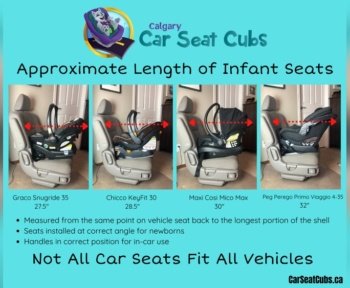
Airplane seats are smaller than car seats. Pick a car seat that fits in the airplane seat space. Check the size of the car seat before your trip. Weight limits matter too. Your baby must fit the seat’s weight and height rules. Too big or too heavy means the seat won’t work well. Measure your baby and compare with the seat’s limits. This ensures comfort and safety during the flight.
Booking Your Flight With An Infant
Booking a flight with an infant requires special care. Planning ahead helps ensure a smooth trip. Airlines have different rules for infants and car seats. Knowing these rules before booking saves time and stress.
Informing The Airline
Tell the airline about your infant during booking. Mention you will use an infant car seat on the plane. Some airlines require advance notice for car seat use. Confirm any extra fees or documentation needed. This helps avoid surprises at the airport.
Selecting Seats
Choose seats that allow car seat installation. Bulkhead seats often have more space for car seats. Window seats can provide extra protection. Avoid seats near emergency exits; car seats may not be allowed there. Check seat dimensions to fit your infant car seat properly.
Preparing The Car Seat For Travel
Getting your infant car seat ready for airplane travel takes some care. Proper preparation helps keep your baby safe and comfortable. It also makes the travel experience smoother for you.
Start early to avoid last-minute stress. Check the car seat carefully and pack it right. These steps help protect your car seat and keep it clean during your trip.
Cleaning And Inspecting
Clean the car seat before you travel. Use mild soap and water for the fabric parts. Avoid harsh chemicals that can damage the material.
Check all straps and buckles for wear or damage. Make sure they work properly and hold tight. Look for cracks or broken parts in the frame.
Remove any loose items from the seat. These can get lost or cause trouble during the flight. A clean and inspected car seat is safer and more comfortable for your baby.
Packing Tips
Use a car seat travel bag or cover to protect the seat. Look for padded bags that shield against dirt and scratches. If you don’t have a bag, wrap the seat in a soft blanket.
Label the bag with your name and contact information. This helps if the bag is misplaced. Keep the car seat straps tight and secure to prevent shifting.
Carry the car seat as a personal item if allowed. This keeps it close and reduces damage risk. Always check your airline’s rules for car seat transport.
At The Airport: Check-in And Security
At the airport, using an infant car seat on an airplane requires some planning. You need to handle the check-in and security steps carefully. This will make your travel smoother and less stressful. Knowing what to expect helps you move quickly through the airport.
Checking The Car Seat
When you arrive at the airport, decide if you will carry the car seat or check it. Many airlines allow you to check the car seat at the gate. This keeps it safer than checking it with your luggage. You can also bring the car seat on board if you bought a seat for your baby.
At the check-in counter, tell the staff you have a car seat. They will guide you on the best way to handle it. Make sure the car seat has a label or tag with your contact information. This helps if it gets lost or misplaced.
Passing Through Security
Security can be tricky with a car seat. You will need to take your baby out of the seat. Carry your baby through the metal detector or scanner. The car seat must go through the X-ray machine alone.
Prepare your baby by removing any heavy clothing or blankets before security. This speeds up the process. Stay calm and polite. TSA officers know how to assist families with young children.
Installing The Car Seat On The Airplane
Installing an infant car seat on an airplane seat is important for safety. It keeps your baby secure during the flight. Knowing how to install it correctly helps prevent accidents and gives peace of mind.
The process is simple but must be done carefully. Follow airline rules and car seat instructions to ensure proper use. The seatbelt on the airplane is your main tool for installation.
Using The Airplane Seatbelt
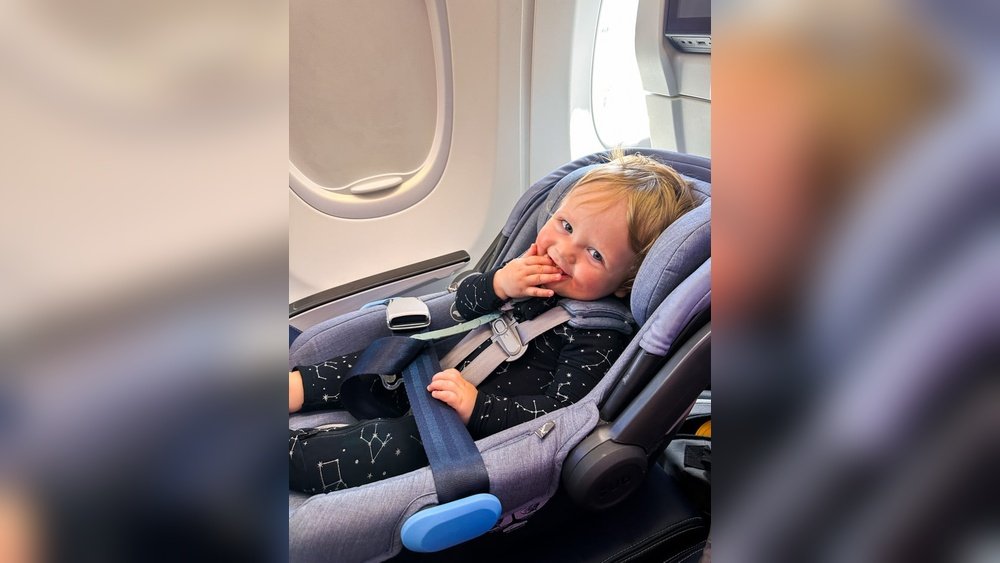
Place the car seat on the airplane seat facing forward. Thread the airplane seatbelt through the car seat’s belt path. Pull the seatbelt tight to remove slack. Buckle the seatbelt securely. Check that the car seat does not move more than one inch side to side or front to back.
Do not use the car seat’s own straps to attach it to the airplane seat. Only the airplane’s seatbelt should hold the car seat in place. This keeps your baby safe during takeoff, landing, and turbulence.
Positioning Tips
Choose a window seat for the car seat installation. It offers more space and less disturbance to others. Make sure the car seat base is flat against the airplane seat back.
Keep the car seat upright to protect your baby’s head and neck. Adjust the recline only if allowed by the car seat manual. Avoid placing the car seat in an exit row or where there is no seatbelt.
Double-check the car seat’s stability before the plane moves. Adjust the seatbelt or the correct infant-seat recline angle if needed. A well-positioned car seat keeps your infant comfortable and safe.
Safety Tips During The Flight
Flying with an infant in a car seat needs extra care. Safety during the flight is the top priority. Knowing how to keep your baby secure helps avoid risks. This section covers key safety tips for the flight.
Keeping The Infant Secure
Always fasten the car seat tightly to the airplane seat. Use the airplane seat belt, not the car seat straps, to secure it. Make sure the car seat does not move more than an inch side to side. Keep the infant strapped inside the car seat at all times. Never hold the baby in your arms during takeoff and landing. These are the most critical times for safety. Check that the straps fit snugly around the baby. Loose straps reduce protection in case of sudden movements.
Handling Turbulence
Turbulence can happen without warning. Keep the baby in the car seat during turbulence. Do not try to hold or move the infant during bumps. Secure the car seat firmly before the flight takes off. Listen to crew instructions about safety precautions. Use the car seat’s harness to protect the baby from sudden jolts. Avoid opening the car seat straps unless necessary. Staying calm helps your infant feel safe too.
Managing Infant Comfort
Keeping your baby comfortable during a flight is very important. A calm and happy infant makes the trip easier for everyone. Managing your infant’s comfort involves paying attention to their needs and creating a soothing environment. Small efforts can help your baby feel safe and relaxed in the car seat on the airplane.
Feeding And Hydration
Feeding helps calm and comfort infants during flights. Breastfeeding or bottle feeding during takeoff and landing eases ear pressure. Offer small, frequent sips of water or milk to keep your baby hydrated. Avoid sugary drinks or juices that may upset their tummy. Proper hydration prevents fussiness and keeps your baby content.
Soothing Techniques
Soft rocking or gentle patting can soothe your baby in the seat. Bring a favorite blanket or toy to provide comfort and familiarity. Singing or talking softly helps relax your infant. White noise apps or soft music can drown out airplane sounds. Keeping your baby calm reduces stress for both baby and parents.
Dealing With Airline Policies
Dealing with airline policies is important when flying with an infant car seat. Each airline has its own rules about using car seats on planes. Knowing these rules before you travel helps avoid stress at the airport. It also keeps your baby safe during the flight.
Understanding Different Rules
Airlines may allow or restrict car seats differently. Some require the seat to have a FAA approval label. Others may limit the use of car seats in certain seats on the plane. Some airlines offer car seat rentals, but many do not. Check the airline’s website or call their customer service. Confirm if your car seat fits the rules and the plane seat size.
Handling Unexpected Issues
Problems can happen despite planning. Your car seat might not fit the airplane seat well. Flight attendants may ask you to remove the car seat. Keep calm and explain your need for safety. Show the FAA approval label if asked. Pack your car seat in a protective bag to avoid damage. Be ready to hold your baby if the car seat cannot be used. Always have a backup plan for traveling safely.
Traveling With Multiple Infants
Traveling with more than one infant can be challenging. It requires extra planning and care. Parents need to think about safety and comfort for each child. Airlines have rules for infants and car seats. Knowing these rules helps make the trip smoother. Managing multiple car seats and gear is part of the process.
Additional Seat Needs
Each infant needs their own seat for safety. Airlines usually require a ticket for every child using a car seat. Check with the airline about seat size and weight limits. Some seats may not fit well on narrow airplane seats. Booking seats together helps keep infants close. Reserving bulkhead seats provides extra space for car seats. Always inform the airline about the number of infants traveling. This helps them prepare for seating and equipment needs.
Extra Equipment
Bringing extra equipment makes travel easier. A lightweight stroller that folds small is useful. Diaper bags with easy access keep essentials close. Portable changing pads are good for quick changes. Travel pillows and blankets help infants stay comfortable. Some airlines allow bassinets, but space is limited. Carry toys or pacifiers to soothe infants during the flight. Organize all gear in one bag for easy handling. Prepare for security checks by having items ready to show.
Post-flight Car Seat Care
After a flight, caring for your infant car seat is very important. Air travel can expose the seat to dirt, dust, and wear. Proper care keeps the seat safe and clean for future use. Follow these simple steps for post-flight car seat care.
Cleaning And Maintenance
Remove the car seat cover and wash it according to the label. Use mild detergent and cold water to avoid damage. Wipe down the plastic shell with a damp cloth and mild soap. Check the straps and buckles for dirt or sticky spots. Clean these parts with a soft brush and warm water. Avoid harsh chemicals that can weaken the materials. Let all parts dry completely before reassembling the seat.
Storage Advice
Store the car seat in a dry, cool place away from sunlight. Avoid damp or hot areas that can damage the seat. Keep the seat upright to maintain its shape. Cover it with a breathable cloth to protect from dust. Avoid placing heavy items on top of the seat. Regularly check the seat for signs of wear or damage. Proper storage extends the life of your infant car seat.
Common Questions Parents Ask
Can I Use An Infant Car Seat On Any Airplane?
Most airlines allow infant car seats if they meet safety standards. Check your airline’s policy before booking your ticket.
How Do I Install An Infant Car Seat On A Plane?
Use the airplane seat belt to secure the car seat tightly. Follow the car seat manual for checking if your car seat is installed correctly steps.
Is A Car Seat Required For Infants On Airplanes?
Car seats are not always required but highly recommended for safety. Many experts advise using one for better protection.
What Type Of Car Seat Works Best On Airplanes?
Choose a car seat labeled FAA-approved or certified for air travel. Lightweight and compact seats are easier to handle.
Can I Bring My Infant Car Seat As Carry-on Luggage?
Car seats are usually not accepted as carry-on. They must be checked or used on the airplane seat.
How Early Should I Inform The Airline About Using A Car Seat?
Inform the airline when booking or at least 48 hours before your flight. This helps secure a suitable seat for the car seat.
Are There Size Restrictions For Car Seats On Airplanes?
Yes, car seats must fit within the airplane seat dimensions. Check your airline’s size limits to avoid issues at the gate.

Chicco KeyFit Max Zip ClearTex Infant Car Seat
- Anti-rebound bar and 5-position headrest help maximize rear-facing time
- Two bubble level indicators and premium LATCH for an accurate base install
- Flame retardant-free ClearTex fabrics, GREENGUARD Gold certified
As an Amazon Associate, topcarseats.com earns from qualifying purchases at no extra cost to you.
Key Takeaways for Parents
Using an infant car seat on an airplane keeps your baby safe and comfortable. Always check airline rules before you travel. Install the seat correctly in the airplane seat. Bring the car seat manual for guidance. Book a window seat for extra space.
Secure your baby well during takeoff and landing. This simple step can make flying less stressful. Your baby deserves the best protection while flying. Safe travels start with good preparation and care.