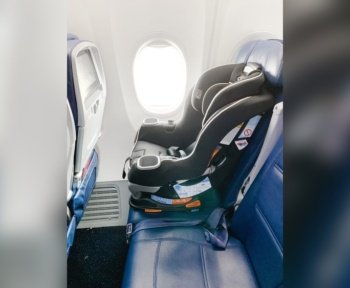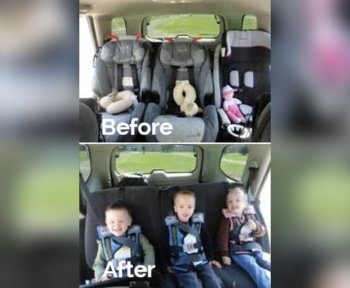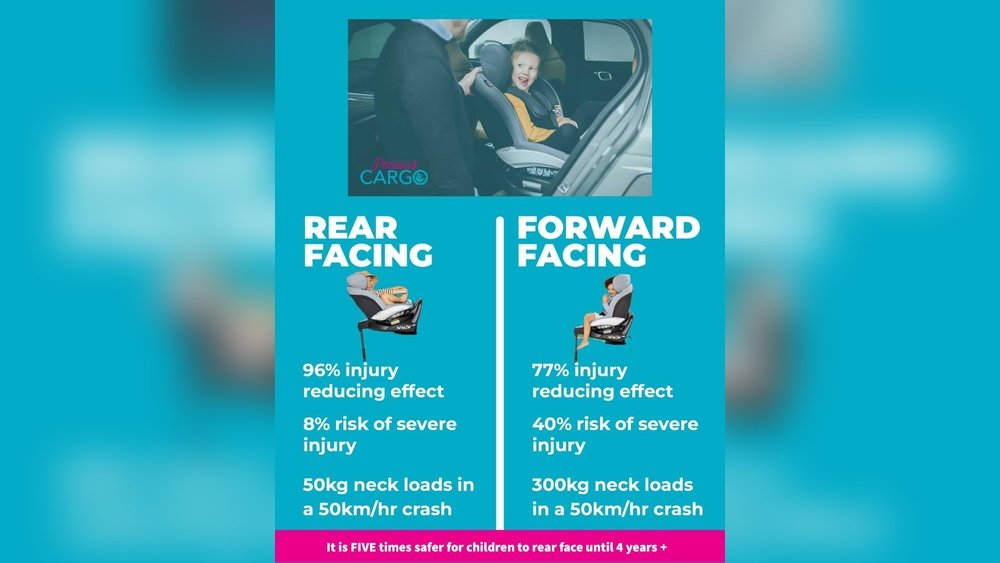
When it comes to protecting your toddler in the car, every decision you make matters. You might wonder why experts insist that rear facing is safer for toddlers during a crash.
The answer isn’t just about rules—it’s about keeping your little one’s fragile body safe when it matters most. Understanding this simple but powerful fact could change how you buckle up your child forever. Keep reading to discover why rear facing seats offer unmatched protection and how this choice can give you peace of mind every time you drive.
Benefits Of Rear-facing Seats
Rear-facing seats offer many safety benefits for toddlers in cars. These seats support the child’s body better during a crash. Toddlers have softer bones and weaker neck muscles. Rear-facing seats protect their most fragile parts. This protection helps lower the chance of serious injuries. Parents should know why rear-facing seats are safer for toddlers.
How Rear-facing Protects The Head And Neck
In a crash, a toddler’s head can move violently. Rear-facing seats cradle the head and neck together. This reduces the risk of whiplash or spinal injuries. The seat absorbs the impact, keeping the head stable. Toddlers’ necks are weaker and need this support the most.
Distribution Of Crash Forces
Rear-facing seats spread the force of a crash across the child’s body. Instead of hitting one spot, the energy spreads to the back and shoulders. This reduces pressure on any single part. The seat acts like a shield, lessening the impact on vital organs and bones.
Reducing Risk Of Serious Injuries
Studies show toddlers in rear-facing seats have fewer serious injuries. The design helps protect the brain, spine, and chest. Injuries to these areas can be life-threatening. Rear-facing seats lower the risk of broken bones and internal damage.
Credit: www.marsu.edu.ph
Scientific Evidence And Crash Tests
Scientific studies and crash tests provide clear proof about the safety of rear-facing car seats for toddlers. These tests compare how different seat positions protect young children during accidents. Results help parents understand why rear-facing seats reduce injury risk.
Researchers use crash test dummies that mimic toddlers’ bodies. They measure forces on the head, neck, and spine in crashes. The data shows how rear-facing seats spread crash forces over stronger parts of the body. This reduces stress on fragile areas like the neck.
Findings From Impact Studies
Impact studies show toddlers in rear-facing seats have fewer head and neck injuries. These seats support the head and neck better by keeping them aligned with the body. This alignment lowers the chance of whiplash and spinal damage during sudden stops.
Studies find that forward-facing seats expose the neck to greater strain. Toddlers’ heads are heavier in proportion to their bodies, making neck injuries more likely in forward-facing positions. Rear-facing seats cradle the head, reducing movement in a crash.
Real-life Accident Case Studies
Real accident cases confirm the test results. Toddlers in rear-facing seats often walk away with minor or no injuries. Forward-facing toddlers face a higher risk of serious harm in similar crashes.
Emergency reports show fewer hospital visits for children in rear-facing seats. Parents share stories of how rear-facing seats saved their toddlers’ lives. These cases prove the science works outside the lab too.
Recommendations From Safety Experts
Safety experts strongly support rear-facing seats for toddlers. They highlight clear benefits that help protect young children during crashes. Following expert advice can make a real difference in child safety on the road.
Guidelines From Pediatricians
Pediatricians recommend keeping toddlers rear-facing as long as possible. The child’s head, neck, and spine are better supported this way. This reduces the risk of serious injury in a crash. Many doctors suggest using rear-facing seats until at least age two.
They emphasize that toddlers grow fast but their bones stay fragile. Rear-facing seats spread crash forces across the entire body. This protection is vital in sudden stops or collisions.
Child Passenger Safety Organizations
Organizations focused on child passenger safety also back rear-facing seats. They provide clear rules for parents and caregivers. These rules aim to keep toddlers safe on every trip.
The National Highway Traffic Safety Administration (NHTSA) and similar groups advise rear-facing seating. They recommend using the car seat’s highest weight or height limit. This approach allows children to stay rear-facing longer, increasing crash protection.
These groups teach proper installation and seat use. Correct use ensures the safety benefits of rear-facing seats are fully realized.

Credit: compassbank.us
Common Myths About Rear-facing Seats
Many parents worry about rear-facing car seats for toddlers. Some believe these seats are uncomfortable or limit space. Others think children outgrow them quickly. These ideas stop some families from using rear-facing seats longer. Clearing up these myths helps keep toddlers safer in cars.
Concerns About Toddler Comfort
Some parents think toddlers dislike rear-facing seats. They say kids complain or cry more. Actually, toddlers adjust well to rear-facing seats. These seats support the head and neck better. They also offer a cozy, secure feeling. Comfort is not a big issue for most toddlers.
Misconceptions On Legroom
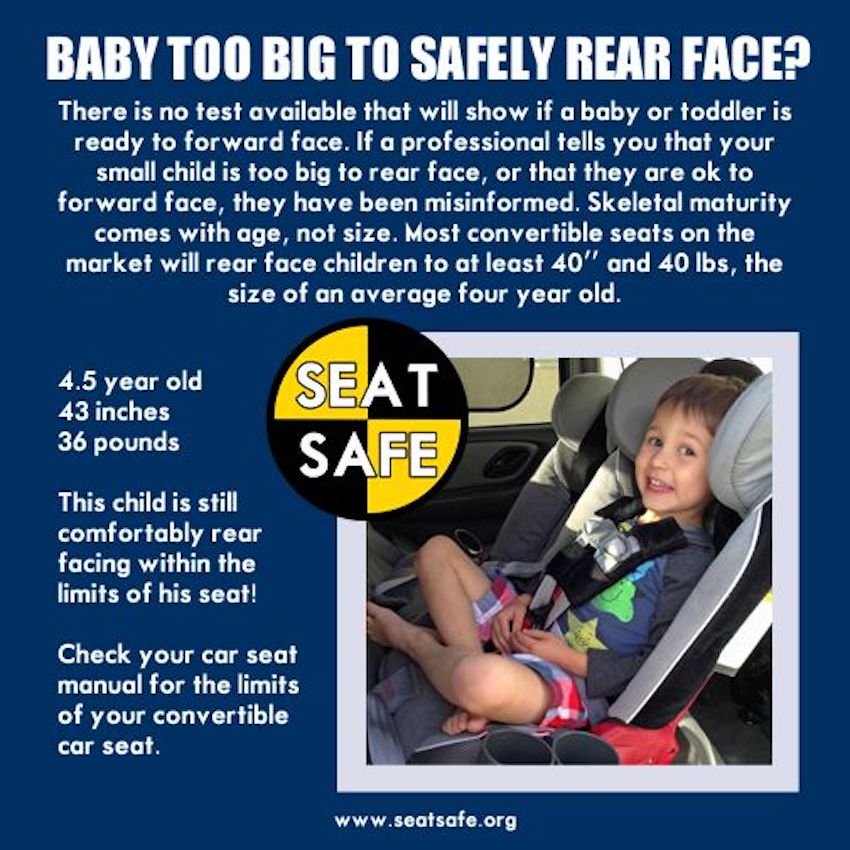
Many believe toddlers need lots of legroom. They worry rear-facing seats squeeze legs too much. Toddlers often bend their legs naturally. Legs can rest comfortably against the seat back. No harm comes from bent legs in crashes. Legroom is less important than safety.
Age And Weight Limits Clarified
Parents hear different rules about when to stop rear-facing. Some switch toddlers too early. Experts recommend keeping kids rear-facing until at least age two. Many seats allow use up to 40 pounds or more. Age and weight limits vary by seat. Follow the specific car seat’s guidelines for best safety.
Proper Installation Tips
Proper installation of a rear-facing car seat is essential for toddler safety. A correctly installed seat offers the best protection in a crash. Small mistakes can reduce its effectiveness. Focus on choosing the right seat, securing it firmly, and ensuring a tight fit.
Choosing The Right Car Seat
Select a car seat made for rear-facing use. Check the weight and height limits. Make sure it fits your vehicle’s seat. Look for seats with good safety ratings. Use one that meets current safety standards. Avoid second-hand seats without full history.
Securing The Seat Correctly
Use either the seat belt or the LATCH system to secure the seat. Follow the car seat manual carefully. Tighten the straps to keep the seat stable. Avoid twisting or slack in the belt or LATCH. The seat should not move more than an inch side to side.
Ensuring A Tight Fit
Place the seat at the correct recline angle. This supports the toddler’s head and neck. Check that the harness fits snugly around your child. The chest clip should be at armpit level. Remove bulky clothing before buckling your child in. A tight fit keeps your toddler safe and secure.
Transitioning To Forward-facing Seats
Transitioning a toddler from a rear-facing car seat to a forward-facing one is a big step. It means your child is growing and ready for a new stage of safety. This change should happen carefully to keep your child protected during rides. Knowing the right time and what to check helps make this process smooth and safe.
Signs Your Child Is Ready
Look for clear signs before switching seats. Your child should have outgrown the rear-facing height or weight limit. Check the car seat manual for exact numbers. Also, your child should sit upright without slouching. Strong neck muscles show they can handle a forward-facing seat. Your child’s age matters too. Experts recommend staying rear-facing until at least age two.
Safety Considerations During Transition
Secure the forward-facing seat tightly in your car. Use the top tether strap to reduce seat movement. Make sure the harness fits snugly on your child’s shoulders. The straps should be at or above shoulder level. Avoid using bulky clothes under the harness. Always follow the car seat manufacturer’s instructions for installation. Check the seat often for wear and tear. Keep your child in a forward-facing seat until they reach the seat’s limits.

Credit: www.microcomenviro.com
Frequently Asked Questions
Why Is Rear Facing Safer For Toddlers In Crashes?
Rear facing seats better support a toddler’s head, neck, and spine during crashes. They distribute crash forces evenly, reducing injury risk. This position absorbs impact more effectively than forward-facing seats, providing superior protection for toddlers in car accidents.
When Should Toddlers Switch From Rear Facing Seats?
Toddlers should remain rear facing until at least age 2 or until they reach the car seat’s height and weight limit. Experts recommend keeping children rear facing as long as possible for maximum safety, as it better protects their developing bodies in a crash.
How Does Rear Facing Protect A Toddler’s Head And Neck?
Rear facing seats cradle the toddler’s head and neck, preventing forward movement in a crash. This reduces the risk of severe spinal and brain injuries. The seat’s design absorbs crash forces, providing critical support where toddlers are most vulnerable.
Are Rear Facing Seats Legally Required For Toddlers?
Many regions legally require toddlers to use rear facing car seats until age 2 or until they exceed size limits. These laws aim to improve child safety based on extensive research showing rear facing is safer in crashes.
Conclusion
Rear facing seats protect toddlers best during crashes. They support the head, neck, and spine well. Toddlers stay safer because forces spread over the body. Car safety experts recommend keeping children rear facing longer. This small choice can prevent serious injuries or worse.
Parents want the best for their little ones. Choosing rear facing helps keep kids safe on every ride. It’s a simple step with big benefits. Safety matters most when driving with toddlers. Remember, the right car seat saves lives.