Have you ever noticed your baby sweating a lot while sitting in their car seat? It can be worrying and uncomfortable for both you and your little one.
You might wonder why this happens and if it’s something to be concerned about. Understanding why your baby sweats so much in their infant car seat can help you keep them safe and comfortable during every trip. Keep reading to discover the surprising reasons behind this common issue and simple ways you can fix it right now.
Credit: maxicosi.com
Common Reasons For Baby Sweating
Babies often sweat a lot in their car seats. This can worry parents. Understanding why babies sweat helps ease concern. Several common reasons explain this sweating.
Babies have a harder time controlling their body temperature. Their sweat glands work differently than adults. The car seat environment can add to this effect.
Temperature And Overdressing
Car seats can trap heat around babies. Thick clothes or blankets add to the warmth. This makes babies sweat more to cool down.
Limited Airflow In Car Seats
Many car seats have padding that blocks airflow. Without fresh air, heat builds up quickly. Babies sweat as their bodies try to stay cool.
Baby’s Natural Body Response
Babies sweat more than adults naturally. Their small bodies lose heat through sweating. This helps keep their temperature steady.
Stress Or Discomfort
Being in a car seat can make some babies uneasy. Stress causes the body to sweat. It is a normal reaction to discomfort.
Heat Retention In Car Seats
Babies often sweat a lot in their car seats due to heat retention. Car seats trap heat close to the baby’s body. This makes the baby feel warmer than the surrounding air. The materials used in car seats can hold in warmth. This causes the baby to sweat more to cool down.
Understanding how heat builds up in car seats helps parents keep babies comfortable. It also shows why babies might sweat even in mild weather.
How Car Seat Materials Trap Heat
Car seats use foam and fabric for comfort and safety. These materials absorb and hold heat from the baby’s body. The padding stops air from moving freely. This stops heat from escaping. As a result, the baby’s skin stays warm and sweaty.
Poor Air Circulation Inside Car Seats
Car seats have tight spaces and covers. These block air from flowing around the baby. Without fresh air, sweat can’t dry quickly. The trapped warm air makes the baby sweat more. This is common in car seats with thick padding or covers.
Effect Of Car Seat Position On Heat
The baby’s position can increase heat buildup. Sitting in a reclined or snug position limits airflow. The baby’s body heat stays close to the seat’s surface. This raises the temperature near the skin. It leads to more sweating than usual.
Materials And Padding Impact
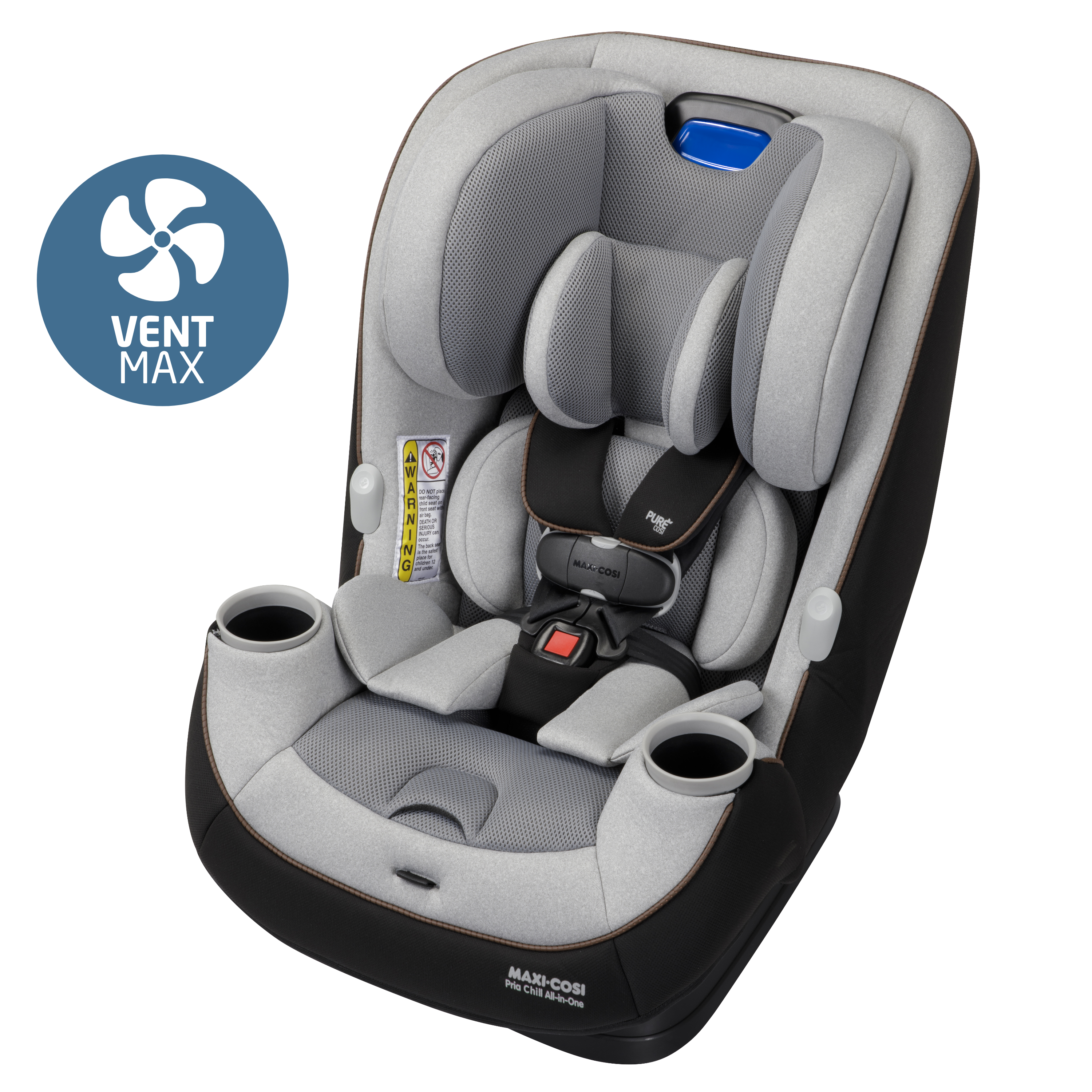
Materials and padding in infant car seats play a big role in baby sweat levels. Some fabrics trap heat, causing more sweating. Others allow air to flow, keeping babies cooler. Choosing the right materials helps reduce discomfort for your little one.
Breathable Fabrics Reduce Heat Build-up
Fabrics like cotton and mesh allow air to pass through. This helps sweat evaporate quickly. Babies feel cooler and less sticky in car seats with breathable covers. Avoid synthetic materials that trap heat and moisture.
Thick Padding Can Increase Sweating
Soft, thick padding feels cozy but can hold heat close to the skin. This warmth makes babies sweat more. Thin padding with good airflow is better for long rides. It balances comfort and temperature control well.
Removable And Washable Covers Help Hygiene
Car seats with removable covers make cleaning easy. Sweat can build up bacteria and cause rashes. Washing covers often keeps the seat fresh and safe. Choose seats with simple, easy-to-remove padding.
Credit: orbitbaby.com
Baby’s Natural Temperature Regulation
Babies sweat a lot in car seats because their bodies work differently to control temperature. Their natural system to keep cool is still growing. This makes them sweat more easily than adults.
Understanding how a baby’s body regulates heat helps explain why sweating happens. It also shows why extra care is needed when placing them in car seats.
How Babies Control Their Body Heat
Babies have fewer sweat glands than adults. Their sweat glands are also less active. This means they do not cool down as fast. Instead, their bodies use other ways to manage heat.
One way is by increasing blood flow to the skin. This helps release heat. Another way is by sweating, but it is not as strong as in adults.
Why Babies Sweat More In Car Seats
Car seats can trap heat close to the baby’s body. The materials used may not allow air to flow well. This makes the baby feel hotter and sweat more.
The baby’s skin is sensitive and reacts quickly to warmth. The tight space of the car seat can increase sweating. This helps the baby try to cool down.
Factors Affecting Baby’s Temperature Regulation
Babies cannot adjust their clothes or move away from heat easily. Their small size means they lose heat faster but also gain it quickly. This makes their temperature balance delicate.
Other factors like weather, car seat padding, and clothing affect sweating. Parents should watch for signs of overheating and adjust accordingly.
Signs Of Overheating In Infants
Babies can sweat a lot in their car seats. This may be a sign they are too warm. Knowing the signs of overheating helps keep your baby safe. Watch your baby closely. Look for these key signs to know if your baby is overheating.
Increased Sweating
Sweating more than usual is a clear sign. Babies sweat to cool down their bodies. If your infant sweats a lot, especially on the head and neck, they might be too hot.
Red Or Flushed Skin
Check your baby’s skin color. Overheated babies often have red or flushed skin. The skin may feel warm or hot to touch. This shows their body is struggling to cool down.
Rapid Breathing
Notice your baby’s breathing rate. Overheating can cause faster, shallow breaths. If your baby is breathing quickly, it could mean they are too warm.
Fussiness Or Irritability
An uncomfortable baby often cries or becomes fussy. Heat can make infants restless and uneasy. Watch for sudden changes in mood or crying that doesn’t stop.
Warm Or Hot To Touch
Feel your baby’s skin often. Overheated babies usually feel warm or hot. Use the back of your hand to check the neck or back. A hot body is a warning sign of overheating.
Lethargy Or Weakness
Too much heat can make a baby tired. Overheating might cause your baby to be less active. Watch for unusual sleepiness or difficulty waking up.
Choosing Breathable Car Seat Covers
Choosing breathable car seat covers helps reduce baby sweat in infant car seats. Breathable materials let air flow, keeping your baby cooler. These covers also absorb moisture, helping your baby feel dry and comfy. Picking the right cover makes car rides better for your child.
What Makes A Car Seat Cover Breathable?
Breathable covers use fabrics that allow air to pass through. Cotton and mesh are common breathable materials. They stop heat from building up around your baby. This helps prevent sweating and skin irritation.
Benefits Of Breathable Car Seat Covers
These covers keep your baby cooler and more comfortable. They reduce sweating by improving air circulation. Breathable covers also help avoid rashes caused by moisture. Your baby stays dry, safe, and happy during trips.
How To Choose The Best Breathable Cover
Look for covers made from natural fabrics like cotton. Check if the material feels soft and light. Choose covers with mesh panels for extra ventilation. Ensure the cover fits your car seat snugly without slipping.
Adjusting Clothing For Comfort
Babies often sweat a lot in their car seats. Their skin is sensitive and they can get warm quickly. Choosing the right clothes helps keep them cool and comfortable. Adjusting what your baby wears can reduce sweating and fussiness during trips.
Choose Breathable Fabrics
Pick clothes made from cotton or other natural fibers. These fabrics let air pass through easily. They help your baby’s skin stay dry and cool. Avoid thick or synthetic materials that trap heat.
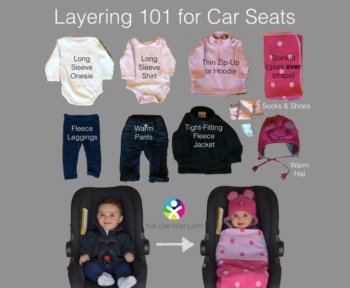
Dress In Layers
Put on thin layers instead of one heavy outfit. Layers let you add or remove clothes fast. This helps keep your baby comfortable as the temperature changes. A light onesie under a soft sweater works well.
Avoid Overdressing
Babies do not need too many clothes in the car seat. Overdressing causes them to sweat more. Use just enough clothing for the weather outside. Check your baby’s neck or back for warmth to decide.
Use Lightweight Sleepwear
Choose lightweight pajamas for naps in the car seat. These pajamas are soft and allow air flow. They reduce sweating and keep your baby calm. Thick sleepwear can trap heat and cause discomfort.
Proper Ventilation In The Car
Proper ventilation in the car helps reduce baby sweat in the infant car seat. Good airflow keeps the baby cool and comfortable. It stops heat from building up around the baby. Without fresh air, the baby’s skin can get hot and sticky. This makes the baby sweat more and feel unhappy.
Cars can trap warm air, especially on hot days. Windows closed tight block air movement. The baby’s body heat and the car’s heat combine. This causes the baby to sweat a lot in the car seat. Proper ventilation allows cool air to enter and hot air to leave. It creates a better environment for the baby.
Open Windows Slightly For Airflow
Opening the car windows a little helps air circulate. Even a small gap makes a big difference. It lets fresh air flow in and pushes warm air out. This airflow lowers the temperature inside the car. The baby feels less hot and sweats less. Never open windows wide enough for safety risks.
Use Car Air Conditioning Wisely
Car air conditioning cools the air quickly. It reduces the temperature around the baby. Set the AC to a gentle, steady cool setting. Avoid blowing air directly on the baby’s face. This keeps the baby comfortable without chills. Air conditioning also lowers humidity, reducing sweat.
Choose Breathable Car Seat Covers
Breathable covers improve air circulation around the baby. They allow heat and moisture to escape. Materials like mesh and cotton work best. Avoid thick or padded covers that trap heat. Breathable covers help keep the baby dry and cool. They support proper ventilation in the car seat.
Timing And Duration Of Car Rides
Timing and duration of car rides affect how much a baby sweats in their car seat. Babies can sweat more if the ride is too long or happens during warm parts of the day.
Short rides often cause less sweating. Long trips keep the baby in one position for a long time. This limits air flow and raises body heat.
Choosing the right time to travel can help. Cooler times of day reduce sweating. Early mornings or evenings are better for car rides.
Short Vs. Long Car Rides
Short rides allow the baby to stay cool. Movement helps air reach the skin. Long rides trap heat around the baby.
Car seats have padding that holds heat in long trips. This can make babies sweat more than usual.
Best Time Of Day For Car Rides
Heat is highest during midday. Babies sweat more during this time. Early mornings and late afternoons are cooler.
Traveling during cooler hours lowers the chance of sweating. It keeps the baby comfortable and calm.
Breaks And Ventilation During Travel
Stopping for breaks helps cool the baby down. Fresh air reduces sweat buildup. Open windows or use air conditioning.
Ventilation inside the car is important. It helps keep air moving. This lowers heat around the baby.
When To Seek Medical Advice
Babies often sweat in their car seats due to warmth and snug fits. Most sweating is normal and not a problem. Still, some signs mean a doctor should check your baby. Knowing these signs helps keep your baby safe.
When Sweating Is Excessive
Heavy sweating that soaks clothes quickly needs attention. If your baby sweats a lot even when cool, it could signal a health issue. Watch for sweating that happens during sleep or feeding.
Signs Of Illness Along With Sweating
Sweating plus fever, rash, or unusual tiredness needs a doctor’s check. Also, if your baby shows trouble breathing or persistent crying, seek advice. These signs can mean infection or other problems.
Difficulty In Breathing Or Skin Color Changes
If your baby’s skin looks pale, blue, or very red, call a doctor. Breathing fast or struggling to breathe with sweating is serious. These symptoms require immediate medical attention.
Persistent Sweating Despite Cooling Measures
When you try to cool your baby and sweating does not stop, consult a doctor. Using lighter clothes and a cooler room should help. If not, it might indicate an underlying condition.
Credit: maxicosi.com
Frequently Asked Questions
Why Does My Baby Sweat A Lot In The Car Seat?
Babies sweat more in car seats because they sit still for long periods. The car seat can trap heat, making your baby warm and sweaty.
Is It Normal For Infants To Sweat In Car Seats?
Yes, it is normal. Babies have active sweat glands and car seats often reduce airflow, causing more sweating.
How Can I Reduce My Baby’s Sweating In A Car Seat?
Dress your baby in light clothes and use breathable fabrics. Also, ensure the car temperature is cool and ventilated.
Does Baby Sweating In Car Seats Mean They Are Too Hot?
Sweating usually means your baby is warmer than they should be. Check their clothes and car temperature to keep them comfortable.
Can Sweating In Infant Car Seats Cause Health Problems?
Sweating alone is not harmful, but too much heat can cause discomfort or skin rash. Always keep your baby cool and dry.
What Materials In Car Seats Cause More Sweating For Babies?
Car seats with poor ventilation and synthetic covers trap heat. Choose seats with breathable fabric and good airflow for less sweating.
Should I Worry If My Baby Sweats Only In The Car Seat?
Sweating only in the car seat is common due to limited airflow and close contact with the seat’s surface. Monitor your baby’s comfort regularly.
Conclusion
Babies sweat in car seats because they feel warm and tight. The seat covers and straps can trap heat and stop air flow. This makes your baby’s body work harder to cool down. Choosing breathable fabrics and dressing your baby lightly helps a lot.
Taking breaks during long rides lets your baby cool off too. Watching your baby closely keeps them safe and comfortable. Understanding why babies sweat helps you care for them better. Keep your little one cool and happy on every trip.