Are you wondering when it’s the right time to switch your little one from an infant car seat to a convertible car seat? Making this change can feel confusing and even a bit stressful.
You want to keep your child safe and comfortable, but how do you know when it’s the best moment to make the move? This article will guide you through the key signs and important factors to watch for, so you can make the switch with confidence.
Keep reading to discover what every parent needs to know to protect their child on every ride.

Credit: www.babylist.com
Signs Baby Is Ready
Switching from an infant car seat to a convertible car seat is a big step. Parents often wonder when the right time is. Babies grow fast and their needs change quickly. Recognizing the signs helps keep your child safe and comfortable during travel.
Several key factors show that your baby might be ready for the next seat. These include their size, strength, and age. Paying attention to these signs ensures you switch at the best time for your child’s safety.
Weight And Height Limits
Every infant car seat has a maximum weight and height limit. Check the labels on your seat to find these numbers. When your baby grows beyond these limits, it is time to switch. Using a seat that fits your baby properly helps prevent injuries.
Convertible car seats usually support higher weight and height. They can be used for a longer time. Make sure to follow the manufacturer’s guidelines for both types of seats.
Head And Neck Control
Good head and neck control is important for car seat safety. Babies who can hold their head steady are ready to move to a convertible seat. This control protects their neck during sudden stops or turns.
Watch your baby closely. If they can sit up with support and keep their head up, it is a strong sign they are ready. Poor head control means they need to stay in an infant seat longer.
Age Recommendations
Experts suggest infants stay in rear-facing seats until at least 2 years old. Some convertible seats allow rear-facing use for longer. Following age recommendations from safety authorities is wise.
Remember, age is just one factor. Combine age with weight, height, and physical ability to decide. This approach keeps your child safer on every trip.

Credit: compassbank.us
Infant Car Seat Limits
Understanding infant car seat limits helps keep your child safe. Each seat has clear rules about weight, height, and time. These limits ensure the car seat fits your baby well and protects them during travel.
Parents should check these limits carefully. Exceeding them can reduce the seat’s safety and comfort. Knowing when to switch to a convertible car seat depends on these key factors.
Typical Weight Caps
Most infant car seats support babies up to 22 to 35 pounds. Weight limits vary by brand and model. Watch your baby’s weight closely. Once your baby reaches the top weight, it’s time to switch seats.
Height Restrictions
Height limits usually range from 26 to 32 inches. Babies must not exceed the top of the car seat’s shell. Check the seat’s label for exact height limits. A taller child may not fit safely in an infant seat.
Expiration Dates
Car seats have expiration dates, usually six years after manufacture. Over time, materials can weaken and safety features may fail. Always check the expiration date on the seat. Use only car seats that have not expired for your child’s safety.
Benefits Of Convertible Seats
Convertible car seats offer many benefits for parents and children. They grow with your child, saving you time and money. These seats provide flexible options for safety and comfort. Understanding their advantages helps decide the best time to switch from an infant car seat.
Extended Use
Convertible seats last longer than infant seats. They can fit newborns and toddlers. This means you do not need to buy a new seat as often. The seat supports children through multiple stages of growth.
Rear And Forward Facing
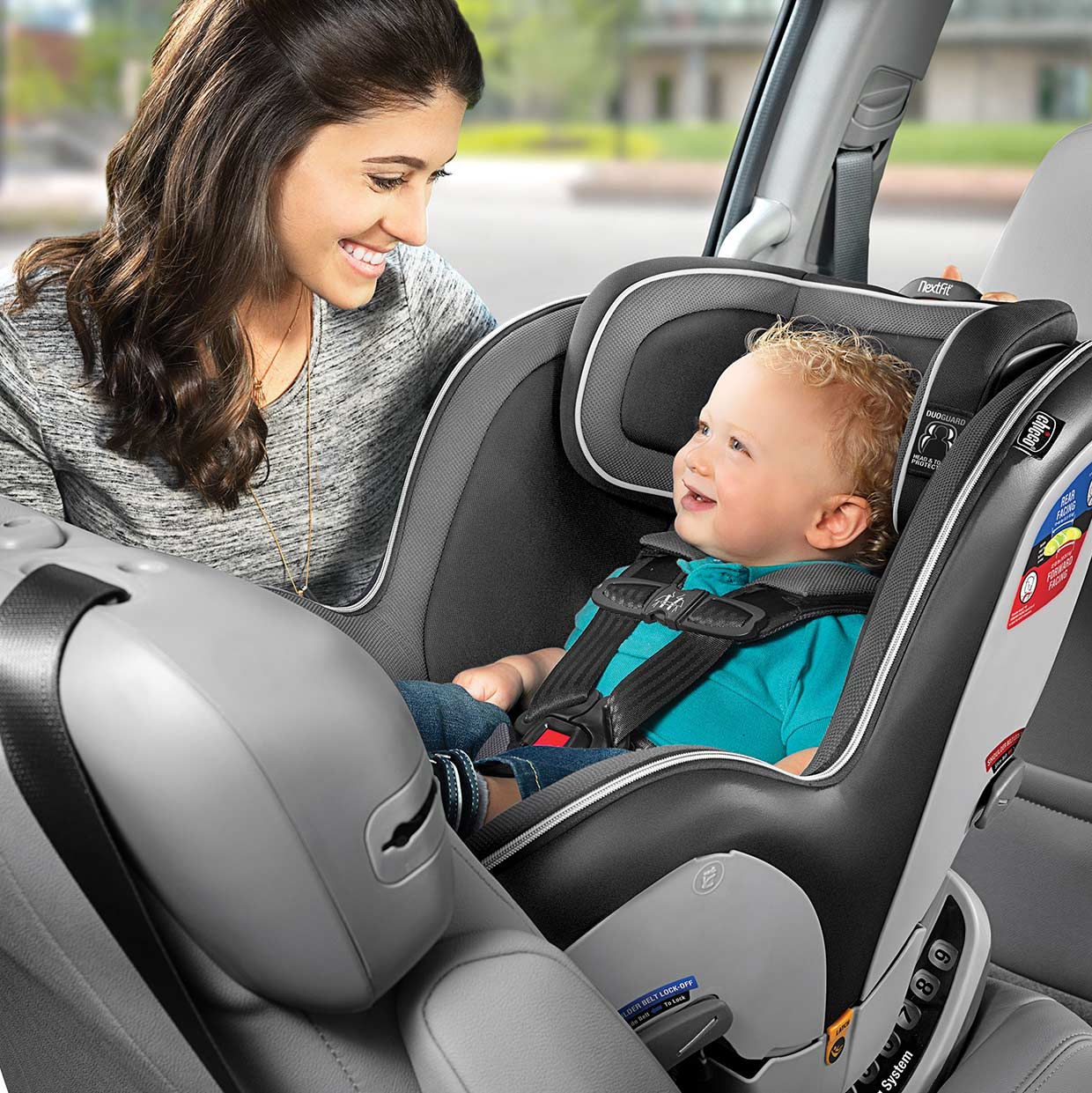
These seats allow both rear and forward-facing positions. Rear-facing is safer for babies and small toddlers. Later, you can switch the seat to face forward as your child grows. This flexibility keeps your child safe for a longer time.
Cost Efficiency
Buying one convertible seat saves money over time. You avoid purchasing multiple seats for different ages. This makes it a smart choice for families on a budget. The seat’s durability adds extra value to your investment.
Credit: www.chiccousa.com
Safety Guidelines
Choosing the right time to switch from an infant to a convertible car seat affects your child’s safety. Follow key safety rules to protect your child during every ride. Proper use and correct fitting help prevent injuries in case of an accident.
Car seats must fit your child’s size and weight. Check the seat labels for limits. Also, ensure the car seat is installed firmly and the harness fits snugly. These steps keep your child secure and comfortable.
Proper Installation Tips
Place the car seat in the back seat, away from airbags. Use either the seat belt or LATCH system, not both. Tighten the straps until the seat does not move more than one inch side to side. Follow the car seat manual and your vehicle’s guide for exact instructions.
Harness Adjustments
Adjust the harness straps so they sit at or below your child’s shoulders. The straps should be snug but not too tight. You should not be able to pinch any slack at the shoulder. Make sure the chest clip is at armpit level to keep straps in place.
Common Mistakes To Avoid
Do not use a car seat past its weight or height limit. Avoid loose straps or incorrect harness placement. Never place the chest clip below the child’s armpits. Avoid installing the seat where it moves easily. Double-check all connections before every trip.
When To Transition
Knowing when to switch from an infant car seat to a convertible car seat is important for your baby’s safety and comfort. Every child grows at a different pace, so watching for key signals helps. This transition is not just about age but also size, comfort, and safety rules.
Signs Baby Is Uncomfortable
Your baby may show signs of discomfort in the infant seat. Look for fussiness during rides or frequent crying. If the head or legs seem cramped, it might be time to change. Babies who can no longer sit with proper support need a bigger seat.
Manufacturer Recommendations
Check the car seat’s manual for weight and height limits. Most infant seats fit babies up to 22 to 35 pounds. Exceeding these limits means switching to a convertible seat is safer. Follow the instructions carefully to avoid risks.
Pediatrician Advice
Doctors can give personalized advice based on your baby’s growth. They watch your baby’s development and can suggest the best time to switch. Scheduling a checkup before changing seats helps ensure your baby’s safety.
Choosing The Right Convertible Seat
Choosing the right convertible car seat is important for your child’s safety and comfort. Convertible seats last longer than infant seats. They grow with your child, saving money over time.
Many options exist, so knowing what to pick helps. Think about features, budget, and real user experiences. These points guide you to make a smart choice.
Top Features To Look For
Safety is the top feature. Look for seats with side-impact protection and strong harness systems. Adjustable headrests keep your child comfortable as they grow. Easy installation saves time and reduces errors. Seats with removable covers make cleaning simple. Check if the seat fits well in your car model. A seat that reclines offers better comfort for naps.
Budget Considerations
Convertible seats come in many price ranges. Set a budget that fits your family. Higher price does not always mean better safety. Focus on key safety features first. Some seats offer good quality at lower prices. Think about how long the seat will last. Investing in a durable seat can save money later.
User Reviews And Ratings
Reading reviews gives real insights. Parents share honest opinions about comfort and ease of use. Look for consistent comments about safety and durability. Pay attention to any complaints about installation or materials. Ratings help compare many seats quickly. Choose seats with many positive reviews for peace of mind.
Tips For A Smooth Switch
Switching from an infant car seat to a convertible car seat can feel like a big step. Preparing well makes the change easier and safer. Follow these tips to help your child adjust smoothly and keep travel stress low.
Practice Installations
Try installing the convertible seat several times before using it. Practice helps you learn how to secure it tightly. Check the seat manual and your car’s instructions. Use the seat belt or LATCH system as directed. A correct installation keeps your child safe.
Getting Baby Used To New Seat
Let your child sit in the new seat at home first. Do this for short times while playing or reading. This helps your baby feel comfortable and less scared. Praise and comfort your child during this time. Familiarity makes the switch easier on travel days.
Travel And Convenience
Plan trips with the new seat in mind. Check the seat’s weight and size for easy handling. Choose a seat that fits well in your car and suits your travel needs. Keep essentials like toys and snacks nearby. This keeps your child happy and calm during rides.
Frequently Asked Questions
When Should I Switch From An Infant To A Convertible Car Seat?
Switch when your baby outgrows the infant seat’s height or weight limits. Usually around 1 year and 20 pounds. Convertible seats accommodate larger children and offer longer use.
How Do I Know My Baby Is Ready For A Convertible Seat?
Check if your baby’s head is within 1 inch of the infant seat top. Also, confirm your baby exceeds the weight or height limits. Safety guidelines recommend switching then.
Can I Use A Convertible Car Seat From Birth?
Yes, convertible seats can be used rear-facing from birth. However, infant seats are often more compact and portable. Choose based on your convenience and your baby’s size.
Is Rear-facing Safer In Convertible Car Seats?
Yes, rear-facing is safest for toddlers and infants. Convertible seats allow extended rear-facing use, which better protects the head and spine during crashes.
Conclusion
Choosing the right time to switch car seats keeps your child safe. Watch your baby’s weight and height closely. When they outgrow the infant seat, it’s time to change. Convertible seats last longer and fit bigger kids. Always follow the car seat manual for proper use.
Safety comes first, so don’t rush the switch. A good car seat protects your child on every trip. Trust your instincts and keep your child secure. Safety matters most, every time you drive.