Are you wondering when your child is ready to switch to a booster seat? It’s a big step in keeping your little one safe during every car ride.
Using the right seat at the right time can make all the difference in protecting your child from injury. But how do you know the exact moment to make this change? Keep reading, and you’ll discover clear signs and simple guidelines to help you make the best decision for your child’s safety and comfort.
Don’t leave this to guesswork—your child’s well-being depends on getting it right.
Credit: www.childrens.com
Signs Of Readiness
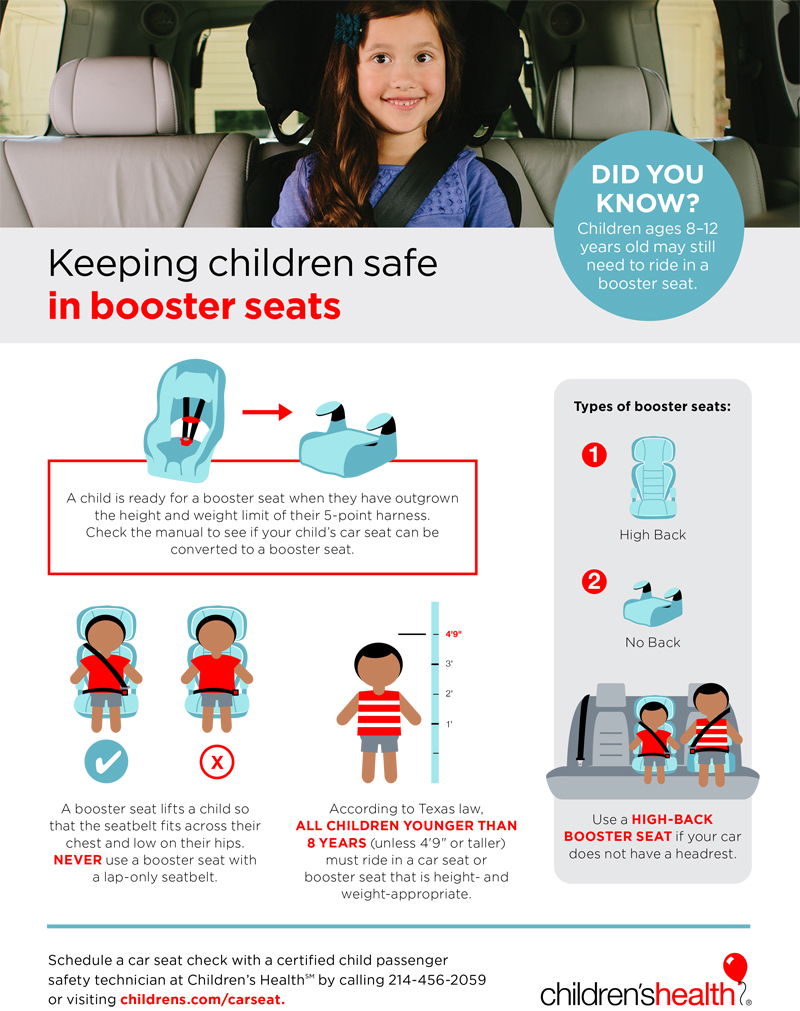
Knowing when a child is ready for a booster seat is important for safety. Parents should watch for certain signs that show the child can use a booster seat safely. These signs include age, weight, and height. Each factor helps decide the right time to switch from a car seat to a booster seat.
Age And Weight Benchmarks
Children usually start using booster seats between ages 4 and 8. Weight is a key factor. Most booster seats fit children who weigh between 40 and 100 pounds. A child should reach the minimum weight limit before moving to a booster seat. Too light and the seat may not protect well.
Height Requirements
Height is also important for booster seat readiness. A child should be tall enough for the car’s seat belt to fit properly. Usually, this means the child is at least 40 inches tall. The seat belt should lie across the chest and shoulder, not the neck or face. This fit ensures the best protection during travel.
Importance Of Booster Seats
Booster seats play a key role in child car safety. They help position the seat belt correctly on a child’s body. This reduces the risk of injury during a car crash. Many parents do not know when to switch to a booster seat. Understanding the importance of booster seats can keep children safer on the road.
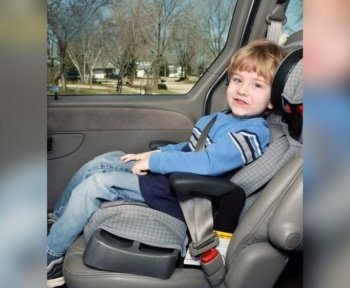
A booster seat lifts a child to fit the seat belt right. The lap belt sits low on the hips, not the stomach. The shoulder belt rests across the chest and shoulder. This fit prevents serious injuries from a bad belt position.
Improved Safety In Crashes
Booster seats reduce the chance of injury in accidents. They keep the child stable and secure during sudden stops. Studies show children in booster seats have fewer injuries than those using seat belts alone.
Comfort For Growing Children
Booster seats provide better comfort for kids who outgrow car seats. They help children sit properly, making trips safer and more pleasant. A comfortable child is less likely to move out of position.
Legal Requirements
Many places require booster seats by law until a certain age or height. Following these laws protects children and helps avoid fines. Knowing the rules helps parents keep their children safe and legal.
Types Of Booster Seats
Choosing the right booster seat helps keep your child safe and comfortable. Booster seats come in two main types. Each type suits different needs and car setups. Understanding these types can help you decide the best fit for your child.
High-back Boosters
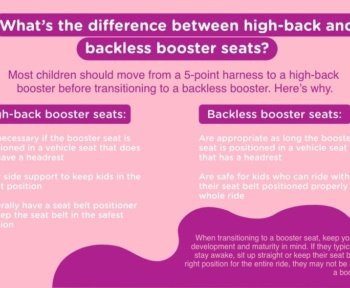
High-back boosters have a tall backrest that supports your child’s head and neck. They are ideal for cars without headrests. The backrest also helps position the seat belt correctly. Many high-back models come with side-impact protection. These seats offer extra comfort on long trips.
Backless Boosters
Backless boosters are smaller and easier to move between cars. They raise your child so the seat belt fits properly. These seats work best in vehicles with headrests. They are lightweight and simple to store. Backless boosters are a good choice for older children.

Credit: www.magic-vacation.com
Proper Seat Belt Fit
Proper seat belt fit is key for child safety in cars. A good fit keeps the child secure and lowers injury risk in crashes. Parents must check how the seat belt sits on the child’s body. The belt should lie flat and snug without twisting. It must not dig into the neck or stomach. Below are important points about lap belt positioning and shoulder belt placement.
Lap Belt Positioning
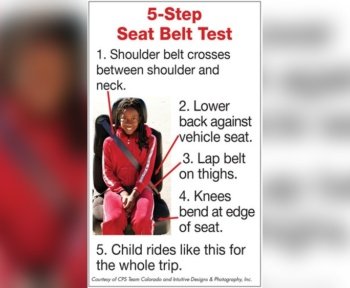
The lap belt must rest low on the hips. It should touch the upper thighs, not the stomach. A belt across the stomach can cause injury in a crash. The child should sit all the way back in the seat. The belt stays in place better this way. Adjust the booster seat if needed to help the belt fit right.
Shoulder Belt Placement
The shoulder belt should cross the middle of the shoulder. It should never touch the neck or face. The belt must lie flat and not be loose. A belt that slips off the shoulder is unsafe. Use a booster seat that guides the belt to the right spot. Check the belt fit every ride as children grow.
Common Mistakes To Avoid
Choosing the right time for a child to move to a booster seat is important for their safety. Many parents make common mistakes that can put children at risk. Knowing these errors can help keep kids safe during car rides.
Some mistakes happen because of rushing. Others come from not understanding safety rules. Avoiding these errors helps children stay secure and comfortable.
Moving To Booster Seat Too Early
Many parents switch to a booster seat before the child is ready. This can be unsafe. The child’s height, weight, and age should meet the booster seat guidelines. Using a booster seat too soon can cause injury in a crash.
Incorrect Seat Belt Positioning
Improper seat belt placement is a common problem. The belt must lie across the child’s shoulder and chest, not the neck or face. The lap belt should rest low on the hips, not the stomach. Wrong positioning reduces protection during impact.
Using The Wrong Booster Seat Type
Booster seats come in different types. Some are high-back, others are backless. Choosing the wrong type for the child’s needs can affect safety. High-back boosters offer better support for younger or smaller kids. Match the seat to your child’s size and car seat design.
Ignoring Manufacturer Guidelines
Every booster seat has rules for use. Ignoring these instructions leads to unsafe setups. Read and follow the manufacturer’s weight and height limits. Check installation steps carefully to ensure the seat fits properly.
Not Checking Car Seat Fit Regularly
Children grow fast. What fits one month may not fit the next. Regularly check the booster seat fit as your child grows. Adjust straps and positions to keep the seat secure and comfortable.
Transitioning From Car Seats
Transitioning from a car seat to a booster seat is a key step in a child’s safety journey. It means your child is growing and ready for a new type of protection in the car. Knowing the right time helps keep your child safe and comfortable.
Parents often wonder how to tell if their child is ready to move on. There are simple signs and rules to watch for. These help make the switch smooth and safe.
Check Your Child’s Age And Weight
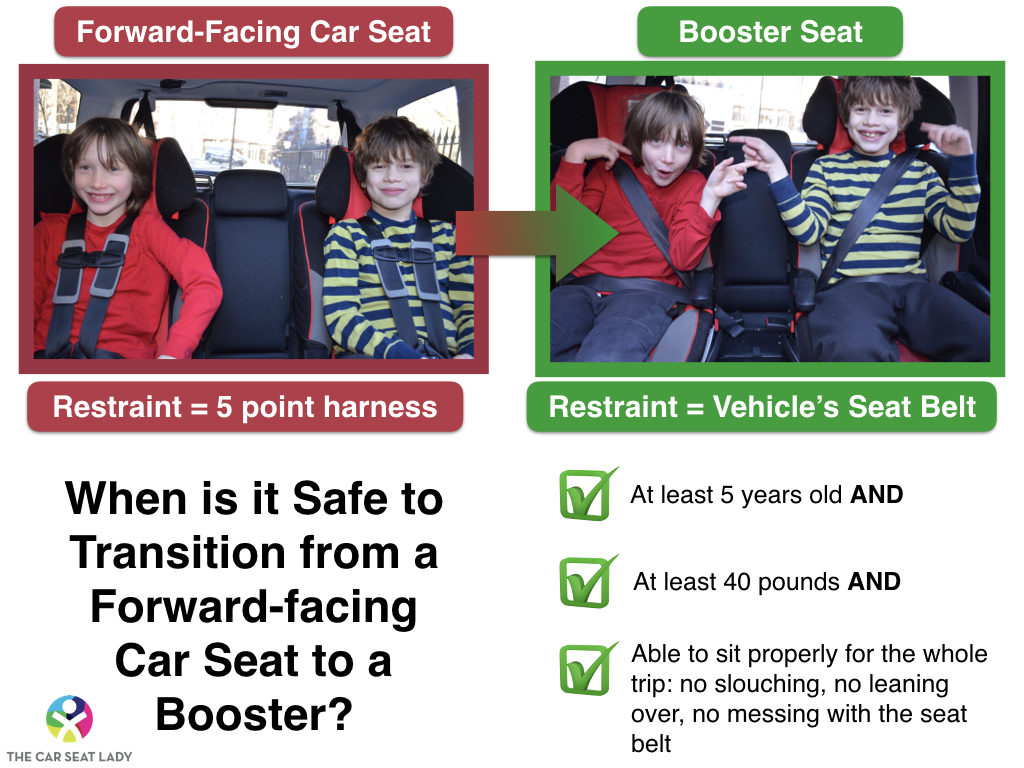
Most car seats have weight and height limits. Your child should reach the minimum weight before moving to a booster seat. Usually, this is around 40 pounds. Age matters too; many kids switch after age four.
Look At Your Child’s Ability To Sit Properly
Your child must sit still during the ride. They need to keep the seat belt in the right place. If your child cannot sit properly, it is better to stay in the car seat longer.
Seat Belt Fit Is Crucial
The booster seat helps the seat belt fit your child’s body. The belt should lie across the chest and lap, not the stomach or neck. Check this fit before making the switch.
Follow State Laws And Guidelines
Each state has rules about child car seats. Some require booster seats until a specific age or height. Know your local laws to keep your child safe and legal.
Booster Seat Installation Tips
Installing a booster seat correctly is very important for your child’s safety. A well-installed booster seat can protect your child better in a crash. Follow simple steps to make sure the seat fits well and works as it should.
Check The Booster Seat Manual
Always read the booster seat manual before installation. It explains how to fit the seat in your car. Manuals include important safety tips and instructions. Keep the manual handy for future reference.
Position The Booster Seat Properly
Place the booster seat on the vehicle’s back seat. The middle seat is safest if it fits well. Make sure the booster seat sits flat and does not move side to side.
Use The Vehicle’s Seat Belt Correctly
Thread the seat belt through the booster seat guides. The lap belt must lie low on the child’s hips. The shoulder belt should cross the chest and shoulder, not the neck or face.
Secure The Booster Seat Tightly
Push down on the booster seat while pulling the seat belt tight. This reduces seat movement in case of a crash. The booster seat should not slide more than one inch.
Check The Fit Every Time
Check the booster seat and seat belt fit before every ride. Adjust the belt if it feels loose or twisted. A proper fit keeps your child safe and comfortable.
Credit: thecarseatlady.com
State Laws And Regulations
Each state has specific rules about booster seat use. These laws protect children and keep them safe during travel. Knowing your state’s rules helps you follow the right guidelines. Rules often vary by age, weight, and height.
Age Requirements For Booster Seats
Most states require children to use booster seats until they reach a certain age. This age usually ranges from 6 to 8 years old. Children younger than the required age must stay in booster seats. These laws aim to ensure children get the right protection.
Height And Weight Limits
States set height and weight limits for booster seat use. Commonly, children must weigh between 40 and 80 pounds. Height limits often start around 4 feet 9 inches. Meeting these limits means your child might be ready to stop using a booster seat.
Seat Belt Fit And Booster Seat Laws
Good seat belt fit is important for safety. Many states require booster seats until the seat belt fits properly. A proper fit means the lap belt lies across the upper thighs. The shoulder belt should rest on the chest, not the neck or face.
When To Move Out Of Booster Seats
Knowing the right time to stop using a booster seat keeps your child safe. Children grow at different rates, so size and age are key guides. Moving out too early can be dangerous. Staying too long can be uncomfortable and limit car seat safety.
Parents must watch for specific signs to decide when to transition. These signs help ensure the seat belt fits correctly without a booster. Proper seat belt fit is the main factor in moving out of a booster seat.
Height And Weight Requirements
Most children leave booster seats between 4 feet 9 inches tall and 8 to 12 years old. Weight limits vary, but many booster seats support up to 100 pounds. Check your booster seat manual for exact limits. Height matters more than age for safety.
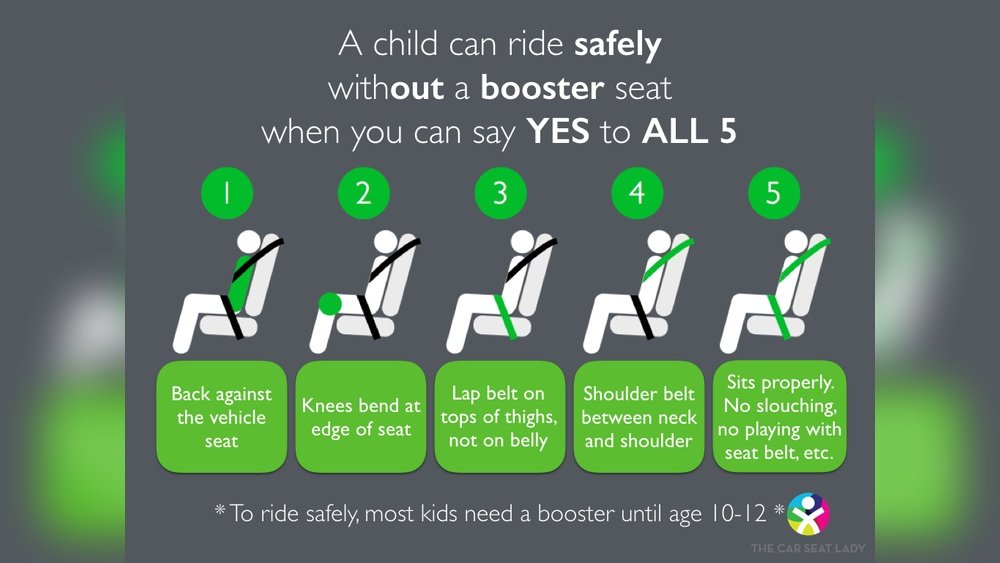
Seat belts must fit your child well without a booster. The lap belt should lie flat across the upper thighs, not the stomach. The shoulder belt should cross the chest and rest on the shoulder, not the neck or face. Poor fit increases injury risk in crashes.
Comfort And Behavior In The Car
Your child should sit comfortably without slouching or leaning. If they try to slide under the belt or adjust it often, the fit might be wrong. Comfort helps children stay safely seated during every ride. Watch for signs they need a change.
Tips For Keeping Kids Safe
Keeping kids safe in the car is a top priority for every parent. Knowing when your child is ready for a booster seat is important. Using the right safety tools helps protect them during every trip. Small actions can make a big difference in safety. Here are some practical tips to help keep your child safe on the road.
Encouraging Seat Belt Use
Teach your child to always wear a seat belt. Make it a habit before starting the car. Praise them when they buckle up without reminders. Explain how seat belts protect their head and body. Never let children ride without buckling up. Show by example and always wear your seat belt too.
Regular Safety Checks
Check the booster seat and seat belt every time you drive. Make sure the seat belt fits snugly across the chest and lap. Inspect the booster seat for any damage or wear. Adjust the seat as your child grows. Keep the car clean and free from loose objects. Regular checks keep safety gear working well.
Frequently Asked Questions
When Should A Child Start Using A Booster Seat?
Children should use a booster seat once they outgrow their forward-facing car seat. Usually, this is when they weigh about 40 pounds or are at least 4 years old.
How Long Can A Child Stay In A Booster Seat?
A child can stay in a booster seat until they reach 4 feet 9 inches tall. This is typically between 8 and 12 years old.
Why Is A Booster Seat Important For Child Safety?
Booster seats position the seat belt correctly on a child’s body. This helps prevent injuries during a car crash by securing the child safely.
What Signs Show A Child Is Ready To Stop Using A Booster Seat?
A child ready to stop booster seat use fits the seat belt across their shoulder and lap. Their feet should touch the car floor comfortably.
Can A Child Use A Booster Seat Without A Backrest?
Yes, many booster seats come without backrests and are safe if the car has headrests. Check local laws and recommendations before using one.
Are There Height Or Weight Limits For Booster Seats?
Yes, booster seats have specific height and weight limits. Always check the manufacturer’s guidelines to ensure the seat fits your child properly.
How Do I Know If My Booster Seat Fits My Child Correctly?
The seat belt should lie flat across the child’s shoulder and chest, not the neck or face. The lap belt must fit low on the hips.
Conclusion
A child is ready for a booster seat when they reach the right height and weight. The seat belt should fit properly across their shoulder and lap. Using a booster seat keeps children safe during car rides. Always check your local laws and safety guidelines.
Make sure the child stays comfortable and secure. Safety comes first, so take your time to choose the right seat. This small step helps protect your child every trip. Keep these points in mind to travel safely together.