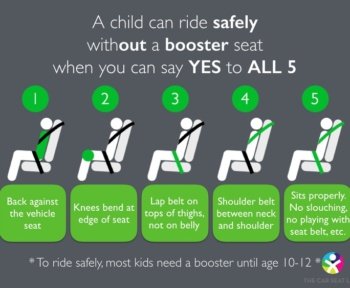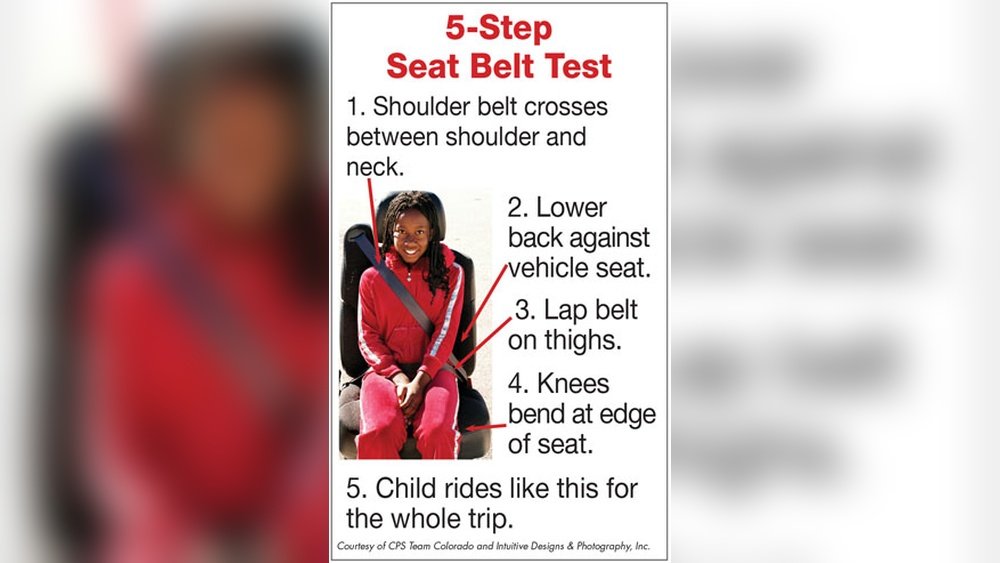
Have you ever wondered if your seat belt is truly protecting you the way it should? You might think fastening it is enough, but the fit of your seat belt plays a huge role in your safety.
The 5 Step Seat Belt Fit Test is a simple way to check if your seat belt fits you perfectly every time you get behind the wheel. Knowing these five easy steps can make the difference between a secure ride and a risky one.
Keep reading to discover how you can ensure your seat belt is doing its job—and keep yourself safer on the road.
Purpose Of The Seat Belt Fit Test
The 5 Step Seat Belt Fit Test ensures the seat belt fits properly. It checks if the belt can protect a passenger well during a crash. A good fit lowers the risk of injury. This test helps parents and caregivers know if a child’s seat belt is safe.
Proper seat belt fit is not the same for every child. Kids grow at different rates, so a fit that worked before may no longer be safe. The test helps adjust or change the seat or belt to keep children safe in the car.
Ensuring Safety For Children
The main goal is to protect children from harm. The fit test confirms the seat belt rests on the right body parts. The belt should lie across the shoulder and chest, not the neck or face. The lap belt must sit low on the hips, not the stomach. This positioning reduces injury risks during accidents.
Helping Parents And Caregivers
The test guides adults on proper seat belt use. It shows if a child needs a booster seat or can use the car’s seat belt. This helps adults make safe choices without guesswork. Clear steps make it easy to follow and check regularly.
Preventing Misuse Of Seat Belts
Many children wear seat belts incorrectly. The test identifies poor fits that might look okay but are unsafe. It stops dangerous habits like placing the belt under the arm or behind the back. Correct use improves protection in crashes.
Meeting Safety Standards
The test aligns with safety rules and recommendations. It supports laws that require proper seat belt use for kids. By following the test, families comply with legal and safety guidelines. This promotes safer travel for all passengers.
Step 1: Positioning The Seat Belt
Step 1 of the 5 Step Seat Belt Fit Test focuses on positioning the seat belt correctly. This step is important for safety. A well-positioned seat belt protects the body in a crash. It reduces the risk of injury.
Proper seat belt placement helps the belt work as designed. It also increases comfort during travel. Let’s explore the key points of positioning the seat belt.
Placing The Shoulder Belt Across The Chest
The shoulder belt should lie flat across the chest. It must not touch the neck or face. Positioning it too close to the neck can cause discomfort or injury.
The belt should rest on the collarbone. This allows it to spread crash forces over a strong part of the body.
Positioning The Lap Belt Low And Tight
The lap belt needs to sit low on the hips. It should fit snugly across the upper thighs, not the stomach. A low lap belt helps prevent injury to internal organs.
Keep the belt tight, but comfortable. Loose belts increase injury risk in a crash.
Checking For Twists Or Slack
The seat belt should be straight and untwisted. Twisted belts can cause uneven pressure in a crash. This increases the chance of injury.
Also, remove any slack. A tight, flat belt is safest.
Step 2: Checking The Shoulder Strap
Step 2 of the 5 Step Seat Belt Fit Test focuses on checking the shoulder strap. This step ensures the strap sits correctly on the body. A proper fit helps protect the chest and shoulders during a crash.
The shoulder strap should lie across the middle of the shoulder. It must not rest on the neck or slip off the shoulder. This positioning prevents injury and keeps the belt effective.
Position Of The Shoulder Strap
The strap should cross the collarbone area. It should never touch the throat or the face. If it does, the strap can cause pain or injury in an accident.
Adjusting The Shoulder Strap
Many cars allow the shoulder strap height to be changed. Adjust it to fit the person’s height. The goal is to have the strap snug but comfortable.
Checking For Twists
The shoulder strap must lie flat against the body. Twisted belts reduce protection and can cause harm. Straighten any twists before moving to the next step.
Why Shoulder Strap Fit Matters
The shoulder strap helps control upper body movement. A poor fit can cause the person to slide or hit the dashboard. Correct fit reduces injury risk during sudden stops.
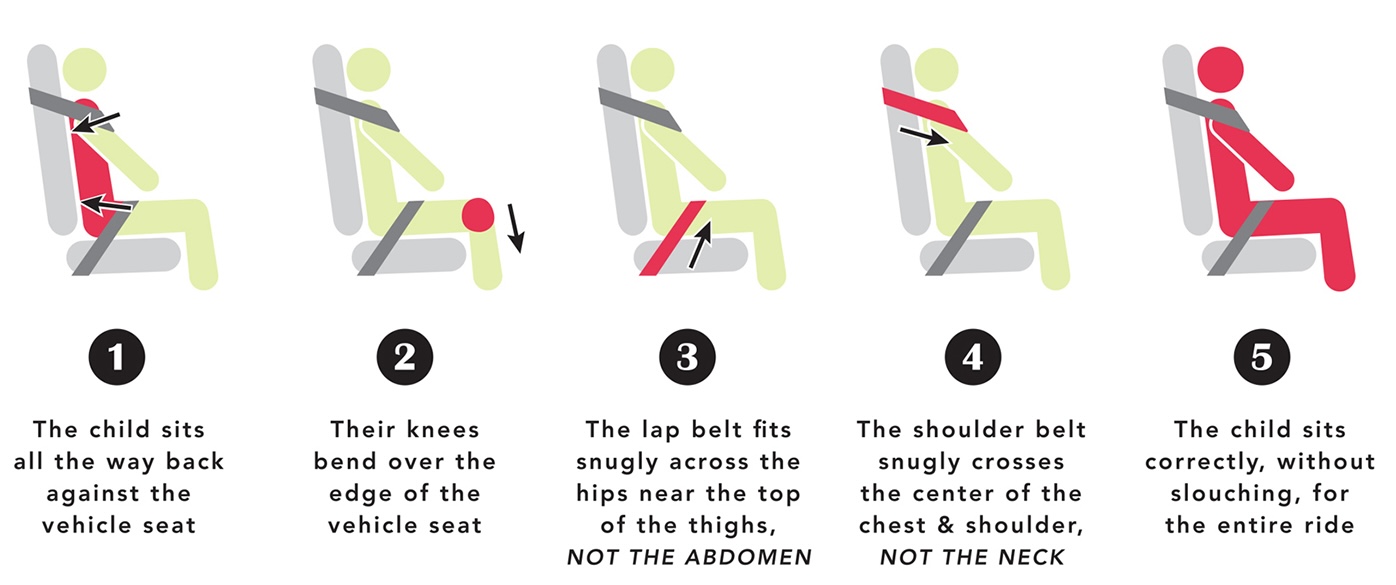
Credit: buckleupmn.org
Step 3: Assessing The Lap Belt Placement
Step 3 of the 5 Step Seat Belt Fit Test focuses on checking the lap belt placement. This step ensures the lap belt sits correctly on the body for safety and comfort.
The lap belt should lie low and snug across the hips, not the stomach. Proper placement helps protect vital organs during a crash.
Position The Lap Belt Across The Upper Thighs
Make sure the belt rests on the upper thighs, touching the hip bones. This position reduces injury risk by spreading crash forces over strong bones.
Check For A Snug Fit
The lap belt must fit tightly without slack. A loose belt can cause serious injuries in an accident.
Avoid Placement Over The Abdomen
Never let the lap belt lie across the stomach. Pressure on the abdomen can cause internal damage during a collision.
Adjust The Seat Or Belt If Needed
Move the seat or belt to achieve the correct lap belt position. Some cars have adjustable anchors or seat height options for this purpose.
Confirm Comfort And Security
The lap belt should feel secure but not painful. Comfort encourages consistent seat belt use, which saves lives.
Step 4: Ensuring Proper Belt Tension
Step 4: Ensuring Proper Belt Tension is a crucial part of the 5 Step Seat Belt Fit Test. This step checks that the seat belt fits snugly across the body. A properly tightened belt helps keep passengers safe during sudden stops or crashes.
Loose belts can cause serious injuries. The belt should lie flat without any slack. It must hold the body firmly without causing discomfort.
How To Check Belt Tension
Pull the seat belt across your lap and shoulder. Try to move it back and forth. The belt should not slide easily. If it moves, tighten it until it fits firmly.
Why Tightness Matters
A tight seat belt keeps the body in place. It prevents the person from sliding under the belt during a crash. This reduces the risk of injury to the abdomen and chest.
Common Mistakes To Avoid
Do not twist the seat belt. Twists can reduce the belt’s strength. Also, avoid leaving extra slack. Slack reduces protection in an accident.
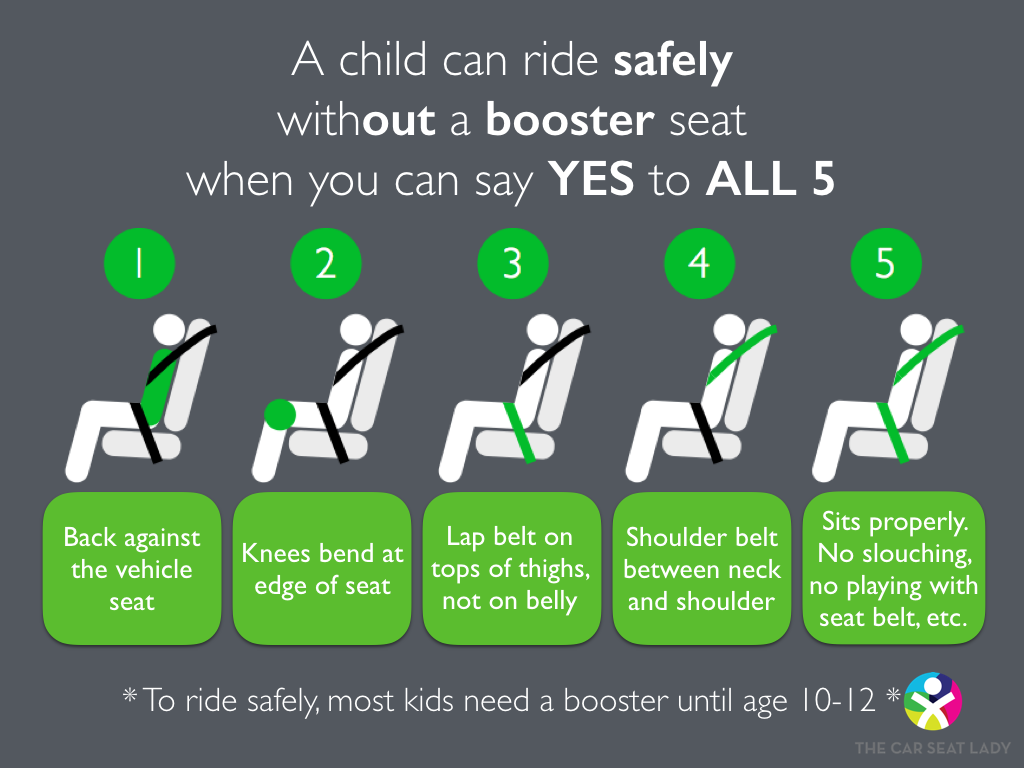
Credit: thecarseatlady.com
Step 5: Confirming Comfort And Security
Step 5 of the 5 Step Seat Belt Fit Test focuses on confirming comfort and security. This step ensures the seat belt fits well and feels comfortable. A belt that is too tight or too loose can be unsafe. Comfort plays a key role in making sure the belt is worn every time.
Checking comfort and security helps prevent injuries during a crash. It also encourages regular seat belt use. This step is the final check to make sure the belt fits the body correctly.
Checking For Proper Tightness
The seat belt should lie flat across the body. It must not be twisted or bunched up. The belt should feel snug but not painful. Tighten the belt until it fits firmly against the chest and hips.
Ensuring The Belt Lies Correctly
The lap belt should rest low on the hips. It must not press on the stomach. The shoulder belt should cross the middle of the chest. Avoid placing the belt under the arm or behind the back.
Assessing Comfort During Movement
Ask the person to sit and move slightly. The seat belt should stay in place without digging into the skin. Comfort during normal movements is important for long rides. Discomfort may cause the person to adjust or remove the belt.
Double-checking For Security
Secure the buckle and pull the belt firmly. It should not loosen or slip. Proper locking ensures the belt holds tight in an accident. A secure buckle is a must for safety.
Final Thoughts On Comfort And Security
Comfort and security go hand in hand for seat belt safety. A well-fitting belt protects and feels good to wear. This step helps keep everyone safe on the road.
Common Fit Issues And Fixes
Seat belts save lives, but they must fit correctly to work well. The 5 Step Seat Belt Fit Test helps check this fit. Many people face common fit issues. Knowing these problems and their fixes keeps you safer on the road.
Sometimes, seat belts sit too high or too low. Other times, they feel too loose or twist. These problems reduce protection in a crash. Fixing them is simple but important.
Improper Shoulder Belt Position
The shoulder belt should lie across the middle of the shoulder. If it rests on the neck or arm, it can cause injury. To fix this, adjust the seat height or belt anchor point. Make sure the belt stays flat and snug over the shoulder.
Loose Lap Belt
The lap belt must fit low and tight across the hips. If it rides up on the stomach, it can cause harm in a crash. Pull the belt tight. Use a booster seat if the belt does not fit properly.
Twisted Seat Belt
A twisted belt does not spread crash forces correctly. It can cut into the body or fail in a crash. Untwist the belt and keep it flat against your body. Check the belt before every trip to prevent twists.
Seat Belt Too Long
A belt that is too long may not hold you firmly. Use a seat belt adjuster to shorten the belt length. Some vehicles have adjustable anchors for this. Ensure the belt fits snugly without discomfort.
Child Seat Belt Fit Issues
Children often need booster seats to fit seat belts correctly. The belt should cross the chest and hips properly. Use the 5 Step Fit Test to confirm the child is secure. Adjust or change seats as needed.

Credit: www.thorfamilylaw.com
Safety Benefits Of A Correct Fit
Wearing a seat belt properly saves lives and reduces injuries. The 5 Step Seat Belt Fit Test helps ensure the belt fits correctly. A correct fit improves safety during a crash or sudden stop. It protects vital parts of the body and keeps passengers secure. Understanding the safety benefits of a correct fit is important for everyone.
Prevents Serious Injuries
A seat belt that fits well spreads crash forces across strong body parts. It keeps the chest, hips, and shoulders protected. This reduces the risk of broken bones and internal injuries. A poor fit can cause the belt to cut into soft tissues or miss key areas.
Reduces Risk Of Ejection
A snug seat belt holds the passenger firmly in the seat. It stops passengers from being thrown out during a crash. Ejection greatly increases the chance of death or severe injury. The 5 Step Seat Belt Fit Test helps prevent this risk by ensuring tight, proper placement.
Improves Comfort And Wearability
A correct fit feels comfortable and encourages regular use. Discomfort often leads people to wear the belt incorrectly or skip it. The fit test helps adjust the belt to avoid irritation or pressure points. Comfortable belts increase safety by promoting constant use.
Supports Airbag Effectiveness
Seat belts and airbags work together to protect passengers. A well-fitted belt keeps the body in the right position for airbags to work best. Poorly fitted belts can cause passengers to move incorrectly during a crash. This reduces the protective effect of airbags and raises injury risk.
When To Perform The Fit Test
Knowing the right time to perform the 5 Step Seat Belt Fit Test is very important. This test helps ensure the seat belt fits properly for safety. It is not just a one-time check. The fit can change over time or with different passengers.
Perform the fit test at key moments to keep everyone safe. This simple check can prevent injuries in case of a crash. Understanding when to do the test helps parents and caregivers maintain the best seat belt fit.
Before Using A Seat Belt For The First Time
Always do the fit test before using a seat belt on a child for the first time. This step confirms the seat belt fits correctly and safely. It avoids risks that come with an improper fit.
After Any Change In Child’s Size Or Age
Children grow fast. Their height and weight can change the seat belt fit. Perform the test after any big change in size or age. It helps to adjust the seat belt or switch to a different car seat if needed.
When Changing Vehicles
Different vehicles have different seat belt designs. The fit can vary from one car to another. Always check the seat belt fit when your child rides in a new vehicle. This keeps safety consistent everywhere.
After Any Car Seat Adjustment
Car seats and boosters often require adjustments. These changes may affect how the seat belt fits. Perform the fit test after adjusting the car seat. This ensures the belt still fits properly.
Regularly As Part Of Safety Checks
Regular seat belt fit tests help catch problems early. Make it a habit to check the fit every few months. Consistent checks protect your child’s safety on every trip.
Tips For Educating Children On Seat Belt Safety
Teaching children about seat belt safety is very important. It helps keep them safe in the car. Children learn best with clear, simple instructions. Use easy words and short sentences. Make learning fun and interactive to keep their attention.
Start early. Teach children the right way to wear a seat belt. Show them how the belt should fit on their body. Use the 5 Step Seat Belt Fit Test as a guide. This test helps check if the seat belt fits properly.
Explain Why Seat Belts Are Important
Tell children that seat belts protect them during a crash. Use simple examples they can understand. Say, “Seat belts keep you safe like a hug.” This helps them see the reason behind wearing belts.
Demonstrate The Correct Seat Belt Fit
Show children how the belt lies across the chest and hips. Explain the belt should not touch the neck or stomach. Use the 5 Step Seat Belt Fit Test to check the fit. Practice with them until they get it right.
Use Stories And Role Play
Create short stories about seat belt safety. Act out situations where wearing a seat belt helps. Role play makes learning active and fun. Children remember lessons better this way.
Set A Good Example
Always wear your seat belt in the car. Children copy what they see. Praise them when they buckle up correctly. Positive feedback encourages safe habits.
Make It A Routine
Turn buckling up into a daily habit. Remind children each time before the car moves. Consistency builds strong safety habits. Soon, wearing a seat belt will feel natural to them.
Frequently Asked Questions
What Is The 5 Step Seat Belt Fit Test?
The 5 Step Seat Belt Fit Test checks if a seat belt fits a child correctly. It helps keep children safe in vehicles. The test uses five simple steps to ensure proper fit.
Why Is The 5 Step Seat Belt Fit Test Important?
This test helps prevent injuries by ensuring the seat belt fits well. A good fit keeps children safer in crashes. It also helps parents know when kids need booster seats.
Who Should Use The 5 Step Seat Belt Fit Test?
Parents and caregivers use this test for children transitioning from car seats. It is best for kids who are big enough for seat belts. Schools and safety programs also recommend it.
How Do You Perform The 5 Step Seat Belt Fit Test?
The test involves checking the child’s height, sitting position, belt placement, lap belt fit, and shoulder belt fit. Each step ensures the belt fits the child’s body properly. Follow all five steps for safety.
What Happens If A Child Fails The 5 Step Seat Belt Fit Test?
If a child fails, they should keep using a booster seat. Booster seats help the belt fit better. Retesting should happen as the child grows.
Can Adults Use The 5 Step Seat Belt Fit Test?
This test is designed for children, not adults. Adults usually fit seat belts without issues. Adults should always wear seat belts correctly for safety.
Where Can I Learn More About The 5 Step Seat Belt Fit Test?
Many safety websites and government agencies provide guides. Car seat manuals often include this test. Local safety programs may also offer demonstrations.
Conclusion
The 5 Step Seat Belt Fit Test helps ensure safety in cars. It checks if the seat belt fits correctly on a child. A proper fit reduces injury risk during accidents. Always follow these steps before driving with children. Safety is easy when the seat belt fits well.
Remember, a good fit keeps everyone safer on the road. Take a moment to test the fit every time. Simple steps can make a big difference in safety. Keep your loved ones protected with the right seat belt fit.