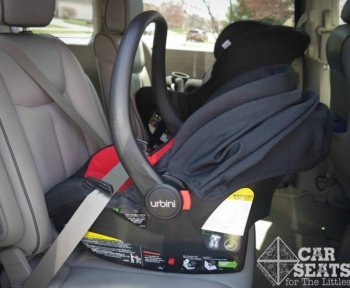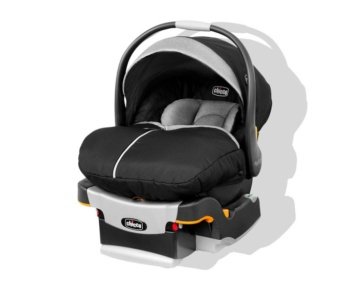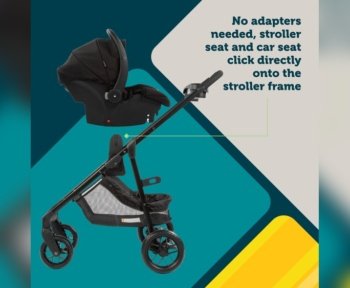
When it comes to your baby’s safety, every detail matters—especially the angle of the infant car seat. You might think it’s just about clicking the seat in place, but the right angle can make a big difference in protecting your little one during every trip.
Getting this angle wrong could cause discomfort or even risk your baby’s breathing and safety. You’ll discover exactly what angle your infant car seat should be installed at, why it matters, and how to get it right every time. Keep reading—your baby’s comfort and safety depend on it.
Recommended Car Seat Angles
Choosing the right angle for an infant car seat is key to your baby’s safety and comfort. The seat’s recline angle affects breathing and support. A correct angle helps keep your baby’s head from falling forward. This section explains recommended car seat angles for different baby stages.
Ideal Recline For Newborns
Newborns need a recline angle between 30 and 45 degrees. This position supports their head and neck well. It also keeps airways open for easy breathing. Most car seats have built-in angle indicators. Use these to set the seat correctly. Too upright can cause the head to flop forward. Too flat may reduce protection in a crash.
Adjusting Angle As Baby Grows
As your baby grows, adjust the seat angle slightly. Older infants can sit more upright. This helps them see better and stay comfortable. Check your car seat manual for angle guidelines. Some seats have multiple recline positions. Change the angle as your baby gains neck control. Always ensure the seat stays secure after adjustment.
Credit: csftl.org
Why Angle Matters
The angle of an infant car seat is very important. It affects the baby’s safety and comfort during travel. Correct installation angle helps protect the baby’s airway and keeps them comfortable. A wrong angle can cause serious problems. Parents should know why the angle matters to keep their baby safe.
Safety And Airway Protection
An infant’s airway is delicate and can easily get blocked. A proper seat angle keeps the baby’s head from falling forward. This helps keep the airway open for easy breathing. Too steep or too flat can make breathing hard. Car seats must be installed at the right angle to avoid choking risks.
Preventing Slumping And Discomfort
Babies can slump if the seat angle is wrong. Slumping can cause discomfort and make the baby upset. It also increases the risk of the head falling forward. A good angle supports the baby’s head and body well. This keeps the baby comfortable and calm during the ride.
How To Measure Car Seat Angle
Measuring the angle of an infant car seat is important for your baby’s safety and comfort. The right angle helps keep your baby’s airway open and prevents slumping. You can check this angle using simple tools or built-in indicators on the car seat. Knowing how to measure the angle correctly ensures a safer ride for your little one.
Using Built-in Angle Indicators
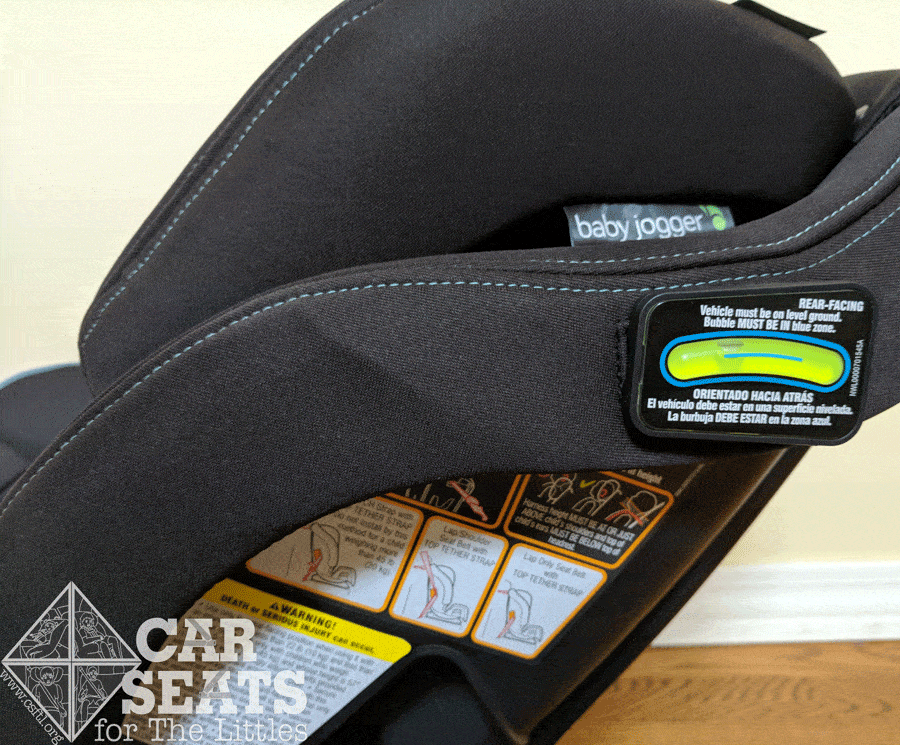
Many infant car seats have built-in angle indicators. These indicators are usually stickers or markers on the side of the seat. They show the correct angle range for installation. Check the indicator when you place the seat in the car. Adjust the seat until the indicator shows the seat is at the right angle.
Some seats have a bubble level or a line that should be parallel to the ground. These make it easy to see if the seat is too upright or too reclined. Follow the car seat manual to understand the indicator correctly.
Tools For Accurate Measurement
You can use tools to measure the car seat angle more precisely. A simple protractor or a digital angle finder works well. Place the tool on the base or side of the seat. Read the angle to see if it matches the recommended range.
Use a smartphone app with an inclinometer function for quick checks. These apps measure angles accurately when you place the phone on the seat. Make small adjustments and recheck until the angle is correct.
Credit: www.chiccousa.com
Common Installation Mistakes
Installing an infant car seat at the right angle is very important. Many parents make common mistakes that reduce safety. These errors can cause discomfort and increase risk during travel.
Understanding these mistakes helps you keep your baby safe and comfortable. Here are two frequent errors to avoid when setting the car seat angle.
Too Upright Or Too Reclined
Setting the car seat too upright can harm a baby’s neck and airway. Babies need a slight recline to keep their heads back and airways open.
On the other hand, a seat that is too reclined can cause the baby to slump forward. This position can block breathing and increase injury risk in a crash.
Check the car seat manual for the correct recline angle. Many seats have angle indicators or adjusters for help.
Ignoring Vehicle Seat Slope
Vehicle seats are not always flat. Some have a slope that affects car seat installation angle.
Ignoring this slope can make the seat too steep or too flat. This mistake reduces the car seat’s effectiveness.
Use an angle indicator or a rolled towel to adjust the car seat. This simple step ensures the correct angle despite vehicle seat shape.
Tips For Correct Installation
Installing an infant car seat at the right angle is very important for your baby’s safety. A correct angle keeps your baby’s head from falling forward. It helps keep their airways open during travel. Follow these tips for a safe and secure installation.
Proper installation also prevents the seat from moving in a crash. Small adjustments can make a big difference. Always check your car seat’s manual for angle guidelines.
Securing The Base Firmly
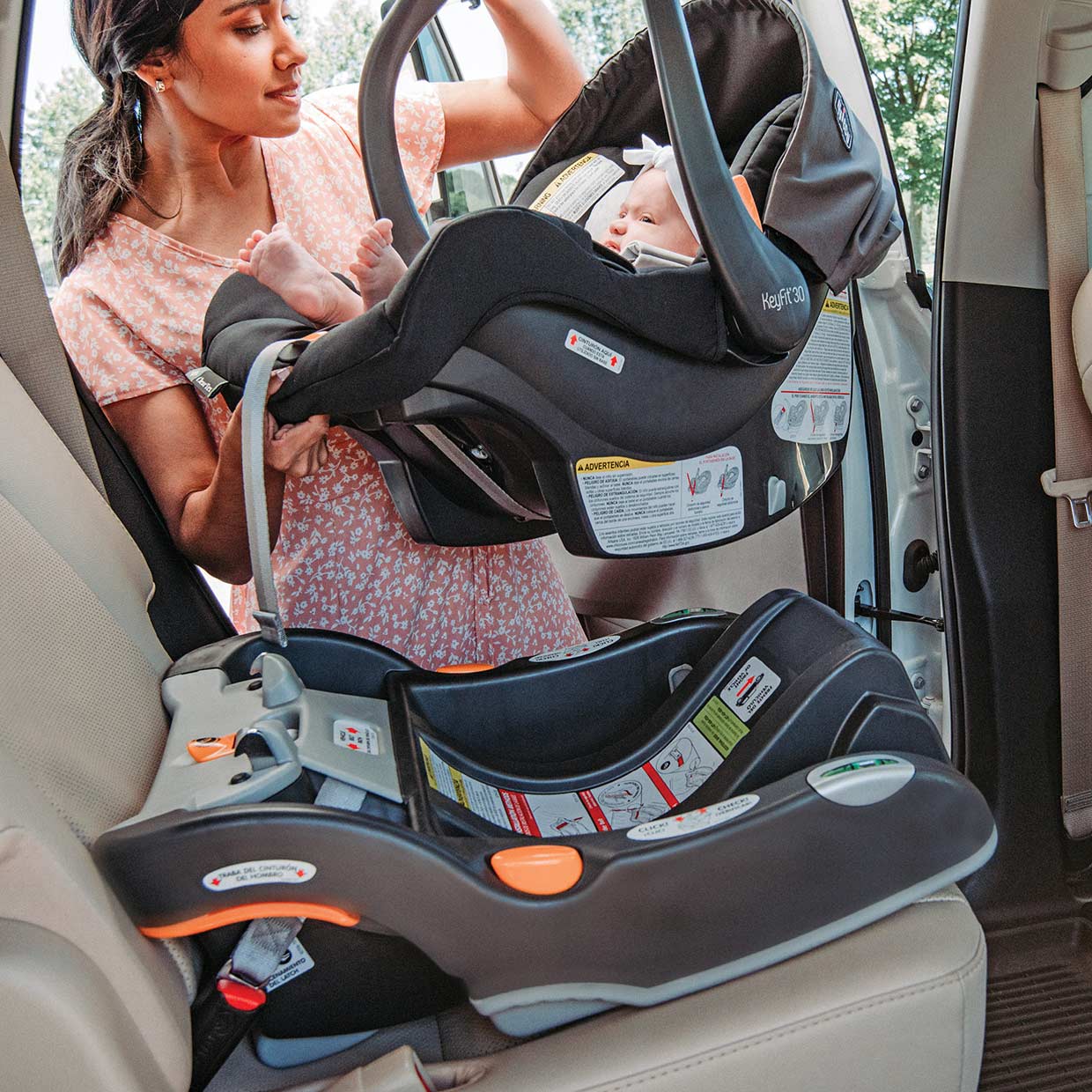
First, place the car seat base on the vehicle seat. Use the seat belt or LATCH system to secure it tightly. The base should not move more than one inch side to side or front to back. Tighten the straps until the base feels solid. A loose base can change the angle and reduce safety.
Checking Angle Regularly
Many infant car seats have an angle indicator. Use it to set the seat at the correct tilt. Check the angle every time you install the seat. The angle can shift after driving or adjusting the seat. Adjust as needed to keep your baby safe and comfortable.
Credit: www.chiccousa.com
Adjusting Angle In Different Vehicles
Adjusting the angle of an infant car seat is important for safety and comfort. Different vehicles have seats that slope in many ways. This changes how the car seat fits and how it should be installed. Knowing how to adjust the angle helps keep your baby safe during every ride.
Handling Sloped Seats
Many car seats have a natural slope. This can make it hard to find the right angle for the infant seat. Check the car seat’s angle with the seat level indicator. If the seat slopes too much, the infant may lean too far forward or backward. Use the car seat’s recline settings to balance this slope. Make sure the baby’s head stays supported and does not fall forward.
Using Additional Supports Safely
Some vehicles need extra supports to get the right angle. Rolled towels or pool noodles can help. Place them under the base but never under the baby or harness straps. Use only items allowed by the car seat manual. These supports keep the seat steady without blocking safety features. Always check the car seat level after adding supports.
Signs Angle Needs Adjustment
Knowing when the infant car seat angle needs adjustment is important for safety and comfort. A wrong angle can harm your baby’s breathing and cause discomfort. Watch for signs that show the seat is not at the right angle. These signs help you fix the angle quickly and keep your baby safe.
Baby’s Head Position
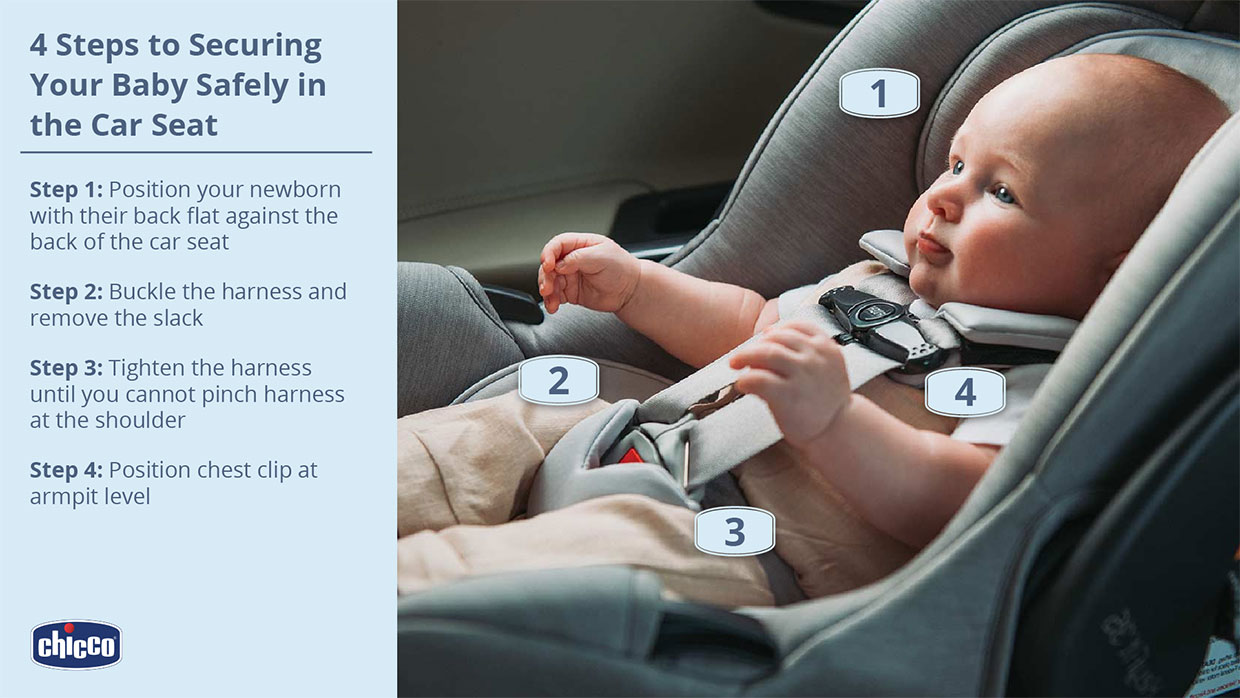
Check your baby’s head while in the car seat. The head should rest comfortably without falling forward. If the head drops down toward the chest, the angle is too steep. This position can block airways and cause breathing problems. A slight tilt back keeps the airway open and supports the neck well.
Comfort And Fussiness
Notice how your baby acts in the car seat. If your baby is fussy or cries more than usual, the angle might be wrong. Discomfort from a bad angle often makes babies restless. Adjust the seat to a more reclined position to ease pressure. A comfortable angle helps your baby relax and stay calm during rides.
Expert Advice And Resources
Getting the right angle for an infant car seat is very important for safety. Expert advice and reliable resources help parents install the seat correctly. This section guides you to trusted information and professional help. It makes sure your baby’s seat is safe and comfortable.
Consulting Manufacturer Guidelines
Every car seat has a manual with clear instructions. These guidelines show the correct angle and positioning. Reading the manual helps avoid common mistakes. Manufacturers test their seats and know the best angle for safety. Follow the steps carefully for the best results. Manuals also explain how to use angle indicators or adjusters.
Professional Installation Services
Experts can install your infant car seat for you. They check the seat angle and secure it tightly. Certified technicians have training and experience with many car seat types. This service ensures the seat meets all safety standards. Many local fire stations and hospitals offer free inspections. Getting help reduces stress and increases your baby’s protection.
Frequently Asked Questions
What Is The Ideal Angle For Infant Car Seats?
The ideal angle for infant car seats is typically between 30 to 45 degrees. This angle ensures the baby’s head stays in a safe position. It prevents airway blockage and offers proper support during travel. Always check the car seat manual for specific angle recommendations.
How Do I Check My Infant Car Seat Angle?
To check the angle, use the built-in recline indicator on the car seat. Many seats have a level or bubble indicator to guide proper installation. You can also use a digital angle finder for more accuracy. Proper angle ensures baby’s safety and comfort.
Why Is The Car Seat Angle Important For Infants?
Proper car seat angle is crucial to keep an infant’s airway open. A wrong angle can cause the baby’s head to fall forward, restricting breathing. It also provides necessary support to the neck and back during a ride. Safety depends on correct installation angle.
Can I Adjust The Angle Of The Infant Car Seat?
Yes, most infant car seats have adjustable recline positions. Adjust the seat to the recommended angle for newborns or small infants. Use the recline foot or base adjustments as per the manufacturer’s instructions. Proper angle adjustment enhances comfort and safety.
Conclusion
Installing an infant car seat at the right angle keeps your baby safe. Too steep or too flat can cause discomfort or danger. Most seats have angle indicators or adjusters. Always follow the car seat manual for exact instructions. Double-check the angle each time you install the seat.
A proper angle supports your baby’s head and breathing. Safety matters most during every ride. Take time to get it right. Your careful effort helps protect your little one on the road.