When it comes to keeping your child safe in the car, choosing the right installation method can feel overwhelming. You’ve probably heard about both LATCH and seat belt installation, but which one truly offers better security and ease?
Understanding the differences can make a big impact on your peace of mind every time you buckle up. You’ll discover the pros and cons of each method, helping you make the best choice for your family’s safety. Keep reading to find out which installation method suits your needs best—and why it matters more than you might think.
Latch System Basics
Choosing between LATCH and seat belt installation depends on your car seat and vehicle type. LATCH offers a quick, secure fit, while seat belts work in almost all cars. Understanding both helps ensure your child’s safety on every trip.
What Is The Latch System?
The Latch system is a method to install child car seats safely. It stands for Lower Anchors and Tethers for Children. Cars made after 2002 have special metal anchors. These anchors connect with the car seat without using the car’s seat belts. This system helps make car seat installation easier and more secure.
How Does The Latch System Work?
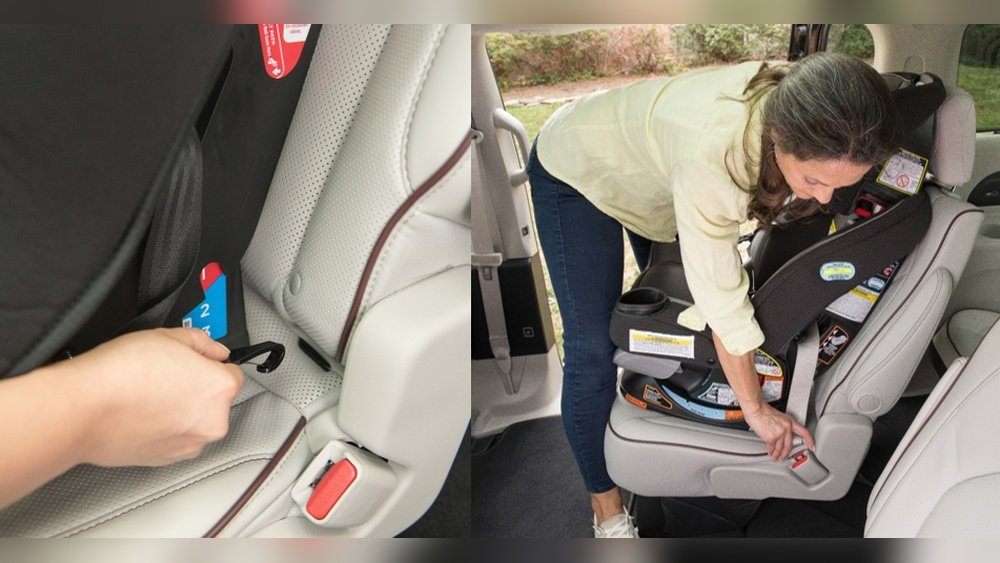
The Latch system has two lower anchors and one top tether. The lower anchors are in the seat crease. The car seat has connectors that clip onto these anchors. The top tether attaches to a hook behind the seat or roof. This setup keeps the car seat tight and stops it from moving too much.
Benefits Of Using The Latch System
The Latch system reduces installation errors. It often feels faster and simpler than seat belts. It helps keep the car seat stable during a crash. This system also fits many car seats and vehicles. It gives parents more confidence in car seat safety.
Credit: www.capitalone.com
Seat Belt Installation Basics
Choosing between latch and seat belt installation depends on your car seat and vehicle type. Latch offers quick attachment, while seat belts provide more flexibility. Both methods keep your child safe when installed correctly.
Understanding Seat Belt Installation
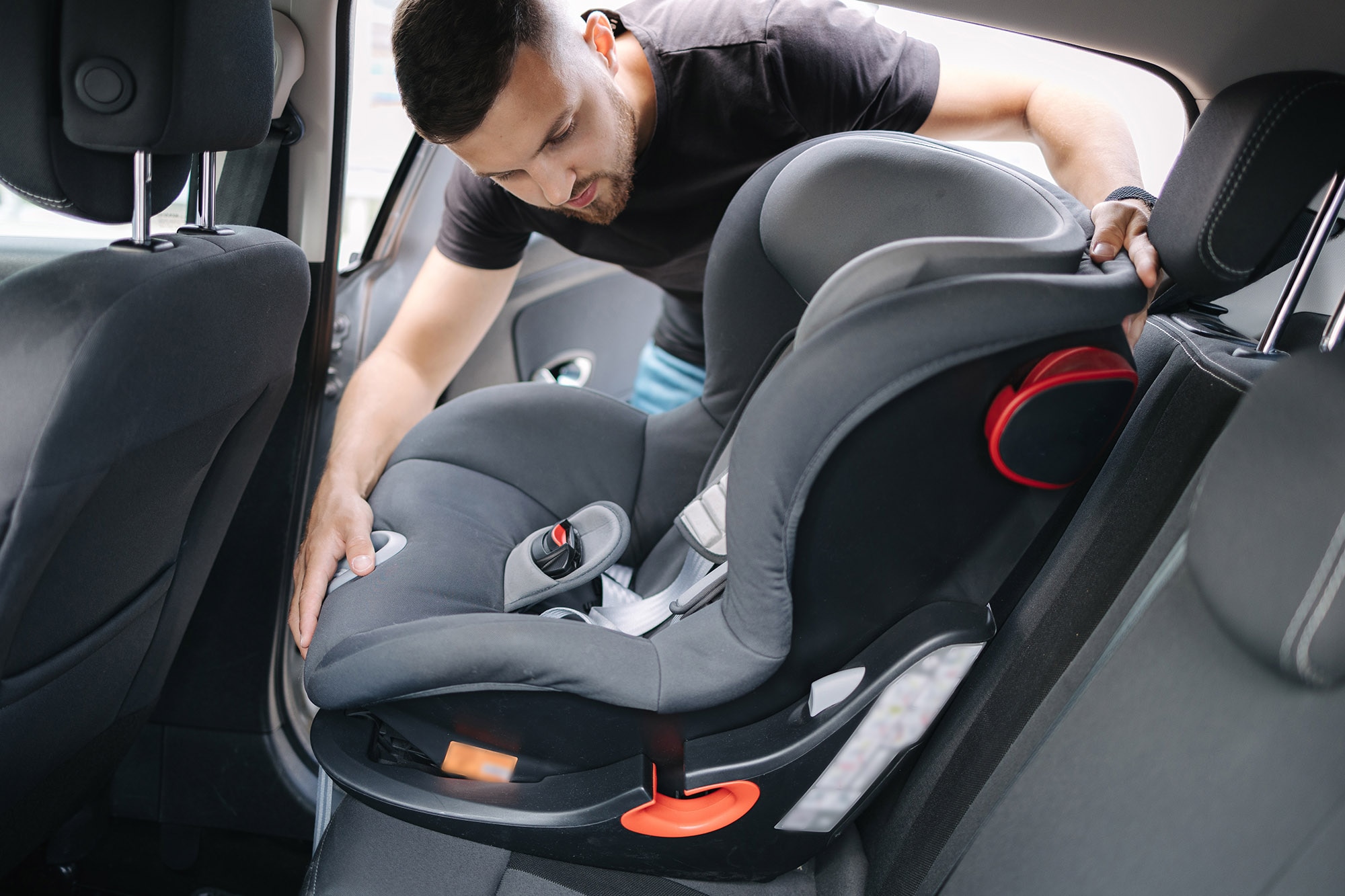
Seat belt installation is a common method to secure child safety seats. It uses the vehicle’s seat belt to hold the seat firmly in place. Knowing how to install it correctly keeps your child safe during travel.
Each vehicle and seat belt system may vary slightly. Reading the car and child seat manuals is important. This helps avoid mistakes and ensures a tight fit without movement.
Steps For Proper Seat Belt Installation
Start by placing the child seat in the vehicle seat. Pull the seat belt all the way out to activate the locking feature. Thread the belt through the correct belt path on the child seat.
Buckle the seat belt securely and remove any slack. Press down firmly on the child seat while tightening the belt. The seat should not move more than one inch side to side or front to back.
Common Mistakes To Avoid
Not locking the seat belt can cause the child seat to shift. Twisting the belt reduces its strength and safety. Using the wrong belt path leads to an insecure fit.
Not checking for tightness after installation is risky. Always test the seat by pushing and pulling it firmly. A loose seat belt installation can endanger your child in a crash.
Installation Process Comparison
Installing a child car seat safely is very important. The two main methods are LATCH and seat belt installation. Each has its own steps and ease of use. Understanding the installation process helps parents choose the best option. This section compares how to install car seats using LATCH and seat belts.
Installing A Car Seat With Latch
LATCH stands for Lower Anchors and Tethers for Children. It uses built-in anchors in the car seat and vehicle. First, find the lower anchors in your car seat or vehicle. Next, attach the car seat’s connectors to these anchors. Tighten the straps until the seat feels secure. Finally, connect the top tether strap to the anchor behind the seat. This step reduces forward movement in a crash.
Installing A Car Seat With A Seat Belt
Seat belt installation works in almost every car. Start by threading the vehicle’s seat belt through the car seat belt path. Buckle the seat belt. Lock the seat belt by pulling it all the way out and letting it retract. Push down on the car seat and tighten the belt to remove slack. Attach the top tether strap if your car seat has one. This helps keep the seat stable.
Ease Of Installation
LATCH usually offers a simpler and quicker installation process. The connectors click into place, giving a clear sign of attachment. Seat belt installation takes more care to tighten the belt correctly. Incorrect tightening can make the seat unsafe. Checking the car seat manual is important for both methods. Parents often find LATCH more straightforward but seat belts work well too.
Safety Performance Analysis
Safety performance is the top priority when installing child seats. Parents want to protect their children during every trip. Comparing LATCH and seat belt installation helps find the safer option. Both methods have strengths and limits. Understanding how each performs in crashes is important for making the best choice.
This section breaks down key safety aspects. It shows how each method holds the child seat in place. It also covers crash test results and real-world safety data. The goal is to provide clear facts on which method offers better protection.
Crash Test Results For Latch
Crash tests show LATCH usually holds seats firmly. It reduces seat movement in sudden stops. The lower anchors and tether straps work together well. Tests show less forward head movement with LATCH. This means better protection for the child’s neck.
Crash Test Results For Seat Belt Installation
Seat belt installation can also be very secure. Proper use of the belt locks the seat tightly. Some seats have locking clips to improve fit. Crash tests show seat belts can limit seat motion effectively. The protection is strong when the belt is used correctly.
Real-world Safety Data
Accident reports show both methods help reduce injuries. LATCH is easier to install correctly, lowering user errors. Seat belts require careful threading and locking. Mistakes with belts can reduce safety. Overall, correct installation matters most for child safety.
Ease Of Use Factors
Ease of use is a key factor in choosing between LATCH and seat belt installation. Parents and caregivers need quick and simple methods to secure child seats. The easier the system, the less time it takes to install the seat properly. This reduces frustration and increases safety for children.
Latch Installation Simplicity
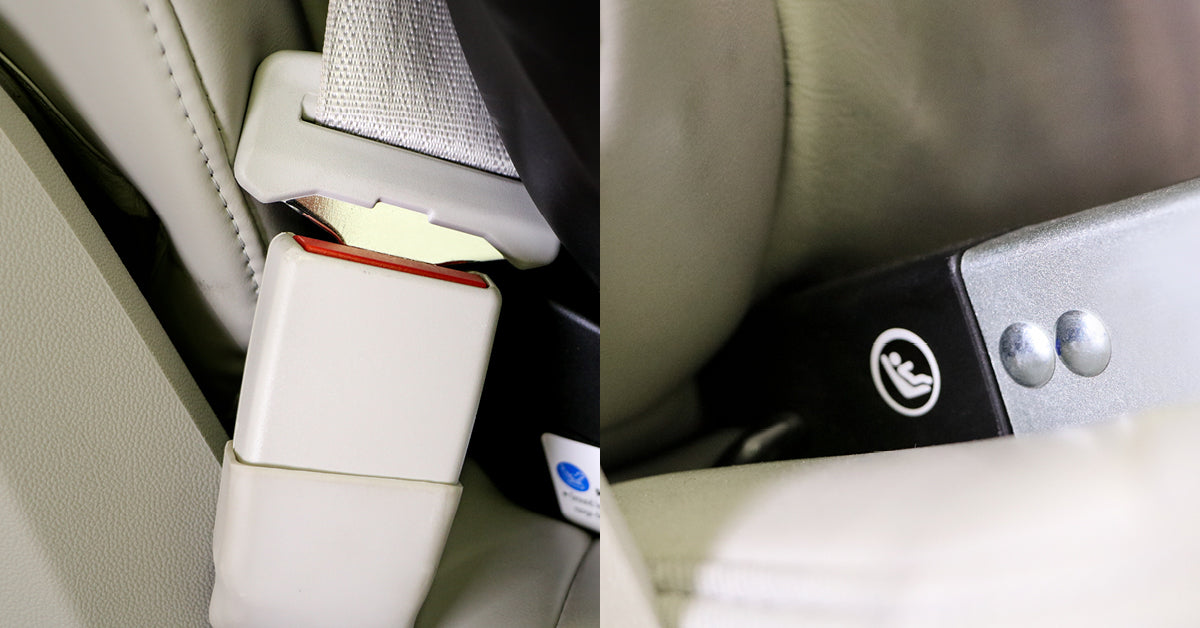
Latch uses built-in connectors that snap into anchors in the car seat. No need to thread belts through tight spaces. This makes installation faster and more straightforward. Many find LATCH easier because it requires less effort and fewer steps. Clear indicators on LATCH connectors help confirm secure attachment.
Seat Belt Installation Challenges
Seat belt installation involves threading the belt through the car seat. It needs careful tightening to avoid slack. This process can be tricky and time-consuming for some users. Beginners often struggle with locking the seat belt correctly. Mistakes can lead to unsafe installations if the belt is loose.
Adjusting And Reinstalling
Latch systems are easier to adjust or reinstall after removal. The connectors detach quickly and reconnect with little hassle. Seat belt installations require loosening and re-threading the belt. This can be cumbersome, especially if done frequently. LATCH offers more convenience for daily use or travel.
Credit: clekinc.com
Compatibility With Car Seats
Car seats fit differently with LATCH and seat belt installations. LATCH is easier but seat belts work in more cars. Choosing depends on your vehicle and car seat model.
Choosing between LATCH and seat belt installation depends on how well they fit your car seat. Not all car seats work the same way with both systems. Understanding this helps keep your child safe and secure.
Some car seats are made to connect easily to LATCH anchors. These anchors are built into many newer cars. They allow quick and firm attachment of the car seat. This can make installation faster and reduce errors.
Seat belts, on the other hand, are universal. Every car has seat belts, so every car seat can use them. Some car seats even require seat belt installation if LATCH anchors are missing or not strong enough.
Which Car Seats Work Best With Latch?
Infant and convertible car seats often fit well with LATCH. These seats have hooks or connectors designed for LATCH anchors. This system holds the seat tightly in place. It reduces the chance of movement during a crash.
Still, not all cars have LATCH anchors in every seating position. Some cars only have them in the back outboard seats. So, check your car manual before choosing this option.
Seat Belt Compatibility With Different Car Seats
Seat belts fit all car seats. They are a reliable option if LATCH is unavailable. Many booster seats require seat belts for installation. Seat belts can also work better for heavier car seats. LATCH has weight limits, usually around 65 pounds.
Always read the car seat and vehicle manuals. They explain how to use seat belts or LATCH correctly. Proper installation is key to your child’s safety.
Impact On Child Comfort
The impact on child comfort is a key factor in choosing between LATCH and seat belt installation. Comfort affects how well a child stays calm and secure during car rides. Both methods have different effects on the child’s seating experience.
Understanding these differences helps parents pick the best option for their child’s comfort and safety.
Latch Installation And Child Comfort
Latch installation uses built-in anchors in the car seat and vehicle. This method keeps the car seat tight and stable. A stable seat reduces unwanted movement, which helps children feel secure. Children often feel less jostled during travel with LATCH.
However, some cars have hard or rigid LATCH connectors. These can press against the child’s body or the car seat padding. This might cause slight discomfort during long trips. Still, most parents find LATCH seats hold children comfortably.
Seat Belt Installation And Child Comfort
Seat belt installation allows more flexibility in car seat placement. It can sometimes offer more space for the child. The seat belt can be tightened to fit snugly but might allow more seat movement than LATCH.
Some children may feel the seat belt strap pressing against them. This can cause discomfort, especially if the belt rubs on sensitive skin. Proper padding and adjustment help reduce this problem. The comfort level depends on how well the seat belt is installed.
Which Installation Feels Better For Children?
Children often prefer the stability of LATCH seats. Less movement means fewer distractions and better rest. Seat belts can feel looser, which might lead to shifting during the ride.
Each child is different. Some may find seat belts more comfortable if the car seat fits well. Testing both options helps find the best fit for comfort and safety.
Common Installation Mistakes
Installing a car seat correctly is very important for child safety. Many parents face challenges with LATCH and seat belt installations. Mistakes can weaken the protection these systems offer. Knowing common errors helps avoid risks and keeps children safer in cars.
Both LATCH and seat belt installations have typical mistakes. These errors reduce the seat’s stability. Understanding these issues helps ensure a secure fit every time.
Incorrect Strap Tightness
Straps that are too loose or too tight cause problems. Loose straps allow too much movement. Tight straps can damage the car seat or hurt the child. The belt or LATCH strap must be snug without forcing.
Wrong Angle Of The Car Seat
Car seats need to be at the right angle. Too upright or too reclined seats can harm a child in a crash. Many forget to check the recline indicator. Always adjust the seat angle before final installation.
Misuse Of Seat Belt Locking Mechanism
Seat belts must lock properly to hold the car seat firm. Some belts don’t automatically lock. Not using the locking clip or activating the lock can cause the seat to move. Check if your car belt locks before installation.
Using Both Latch And Seat Belt Together
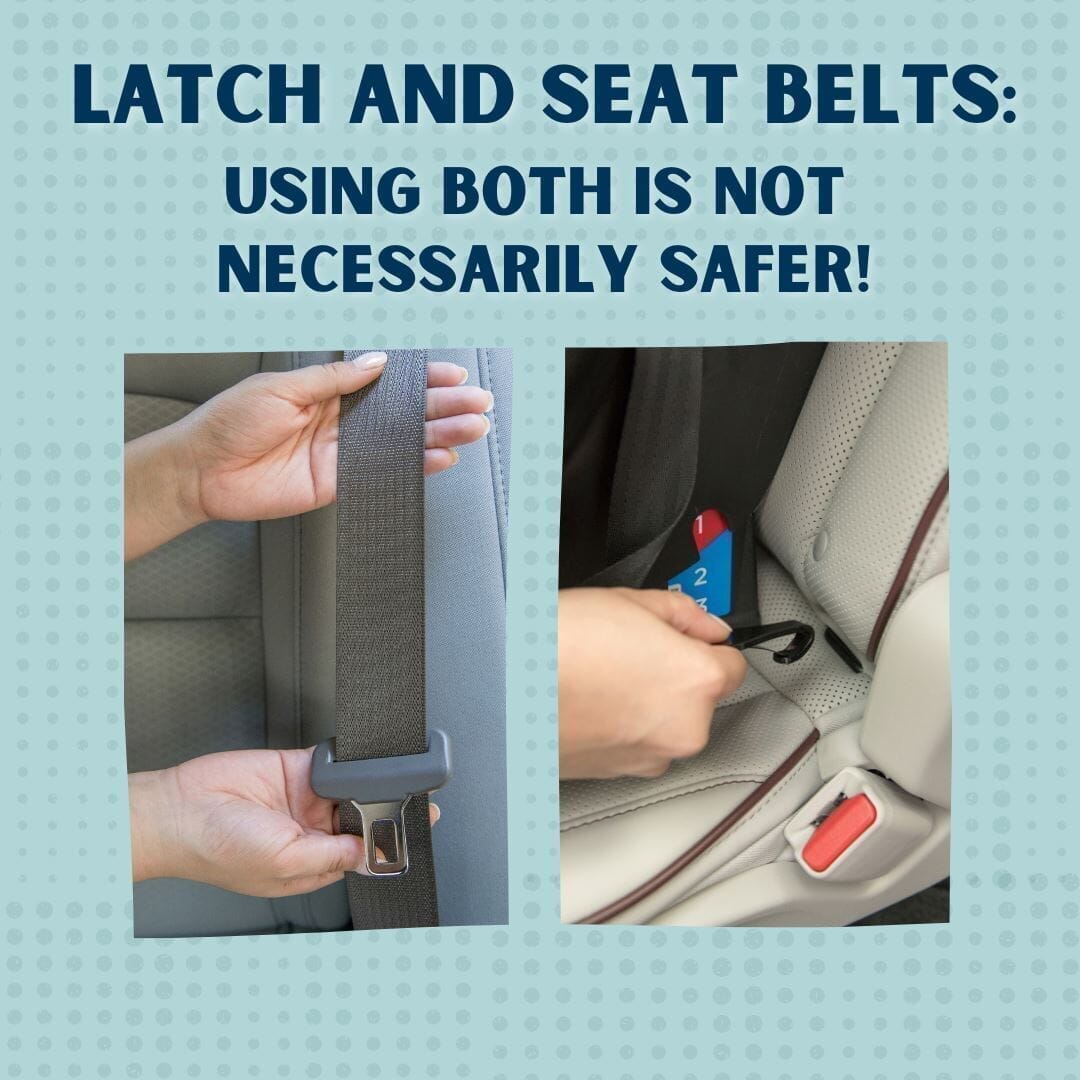
Using LATCH and seat belt at the same time is often wrong. Most car seats require using one method only. Combining them can cause incorrect tension and reduce safety. Follow the car seat manual for the right method.
Ignoring Weight And Height Limits
Each car seat has weight and height limits for LATCH and seat belts. Exceeding these limits can make the installation unsafe. Parents should check these limits before installing. Switching to seat belts might be necessary after reaching limits.
Regulatory Standards And Guidelines
Regulatory standards guide the safe installation of child restraints in vehicles. These rules help protect children during car rides. Understanding them is key to choosing the best option between LATCH and seat belt installation.
Federal Safety Regulations
The U.S. government sets strict rules for child car seats. The National Highway Traffic Safety Administration (NHTSA) enforces these laws. They require all child seats to meet crash test standards. Both LATCH and seat belt systems must comply with these rules.
Latch System Requirements
LATCH stands for Lower Anchors and Tethers for Children. It must meet specific strength and durability tests. Cars made after 2002 have LATCH anchors. These anchors hold child seats firmly without using seat belts. The system limits seat movement during a crash.
Seat Belt Installation Standards
Seat belts must lock tightly to keep child seats stable. They follow strict federal guidelines for strength and performance. Seat belt installations work in all vehicles, even those without LATCH anchors. Proper use ensures the child seat stays secure in a crash.
Cost And Accessibility
Cost and accessibility are key factors when choosing between LATCH and seat belt installation. Parents want a safe option that fits their budget. They also need a system easy to use every day. Both methods have pros and cons in price and ease of use.
Cost Of Latch Installation
Latch systems come built into newer cars. No extra cost if the car has them. But not all cars have LATCH anchors. Older cars may need an adapter. Buying adapters adds to the total cost. Latch-compatible car seats can be pricier. The convenience may justify the higher price for some families.
Cost Of Seat Belt Installation
Seat belt installation works in almost all cars. No need for special anchors or adapters. Car seats that use seat belts are often less expensive. No extra cost for adapters. Seat belt installation can be cheaper overall. It offers a budget-friendly safety option for many families.
Accessibility Of Latch Installation
Latch connectors are easy to attach and detach. They reduce installation errors. Many parents find LATCH simpler and faster. Not all cars have LATCH anchors in every seat. Accessibility depends on the vehicle model and year. Some cars limit LATCH use to only two rear seats.
Accessibility Of Seat Belt Installation
Seat belts are available in every car seat. Every vehicle has seat belts in all seating positions. Installation takes a bit more practice and care. Seat belts can twist or loosen if not installed right. Learning proper seat belt use is important. Seat belt installation works in more vehicles and seats.
Expert Recommendations
Experts share clear advice on LATCH versus seat belt installation. Their recommendations help parents keep children safe in vehicles. Understanding their views guides proper car seat use and improves child safety.
Safety professionals focus on correct installation above all. Each method has pros and cons. Experts stress choosing the best option for your car and car seat type.
Latch System: When Experts Recommend It
Experts suggest using LATCH when available and easy to use. It offers a simple way to secure car seats firmly. LATCH often reduces installation errors, which lowers risk.
They recommend checking the vehicle’s manual for LATCH weight limits. Some car seats weigh too much for LATCH alone. Following weight limits keeps the system reliable.
Seat Belt Installation: Expert Tips
Experts say seat belts remain a strong option for many car seats. They fit in nearly all vehicles and work well with heavier seats. Proper seat belt routing and locking are crucial.
Experts advise parents to lock the seat belt tightly. This prevents movement during travel. Using a locking clip can add extra security if needed.
Combining Latch And Seat Belt: Expert Views
Experts warn against using LATCH and seat belt together unless instructions allow it. This can cause incorrect installation and risk. Always follow car seat and vehicle manuals carefully.
Some newer seats allow combination use, but experts stress reading all guidelines first. Safety depends on correct installation, not just method choice.
Credit: bucklemecoats.com
Choosing The Right Option
Deciding between LATCH and seat belt installation can feel confusing. Each method has its own benefits and best uses. Understanding these can help make the safest choice for your child’s car seat.
Both systems secure child seats but work differently. Picking the right option depends on your car, seat type, and ease of use.
Understanding Latch Installation
LATCH stands for Lower Anchors and Tethers for Children. It uses special hooks and anchors built into the car. This system is designed to make car seat installation easier and more secure.
LATCH works best with newer cars and seats. Many parents find it simpler to click the seat in place. It reduces the chance of loose installation.
Knowing Seat Belt Installation
Seat belts are the traditional way to secure car seats. Almost every car has seat belts, making this method very common. It works well for many types of car seats.
Seat belt installation can be more flexible. It fits older cars without LATCH anchors. Some seats require a tighter fit that seat belts can provide.
Factors To Consider
Check your car manual first. Some cars limit the weight or type of seats used with LATCH. Consider your child’s age, weight, and seat type.
Think about ease of use. LATCH might be quicker for daily use. Seat belts might take more effort but offer strong security when done right.
Frequently Asked Questions
What Is The Main Difference Between Latch And Seat Belt Installation?
LATCH uses special anchors in cars for child seats. Seat belts use the car’s regular belt system to secure seats.
Which Installation Method Is Safer For Child Car Seats?
Both methods meet safety standards if used correctly. LATCH is easier to install tightly, reducing movement.
Can I Use Latch And Seat Belts Together?
Using both at the same time is not recommended. Choose one method to ensure proper seat installation.
Is Latch Installation Easier Than Using Seat Belts?
LATCH is generally easier and faster to install. Seat belts require more care to secure tightly.
Are All Cars Equipped With Latch Anchors?
Most cars made after 2002 have LATCH anchors. Older cars might only allow seat belt installation.
Does Seat Belt Installation Fit All Types Of Car Seats?
Seat belts can secure any car seat type. LATCH compatibility depends on the car and seat model.
How Often Should I Check My Car Seat Installation?
Check your car seat installation before every trip. Tighten straps and anchors to keep the seat secure.
Can I Switch Between Latch And Seat Belt Installation?
Yes, switching is possible but not during one trip. Use only one method per journey for safety.
Conclusion
Choosing between LATCH and seat belt installation depends on your car and child seat. Both methods keep your child safe when used correctly. Check your car manual to see what fits best. Practice installing the seat to ensure it is tight and secure.
Safety is the top priority, so pick the method you find easiest and most reliable. Regularly inspect the seat and straps for wear or damage. Your child’s protection matters most, no matter which installation you choose. Simple steps make a big difference in safety.