Have you ever wondered if it’s truly safe for your baby to sleep in a car seat while you’re driving? As a parent, keeping your little one comfortable and secure is your top priority.
But safety isn’t just about buckling up—it’s about understanding the risks and best practices to protect your baby on the road. You’ll discover what experts say about your baby’s safety during those peaceful car rides. Keep reading to learn how to make every trip as safe as it is soothing for your child.
Credit: www.thesilverlining.com
Risks Of Sleeping In Car Seats
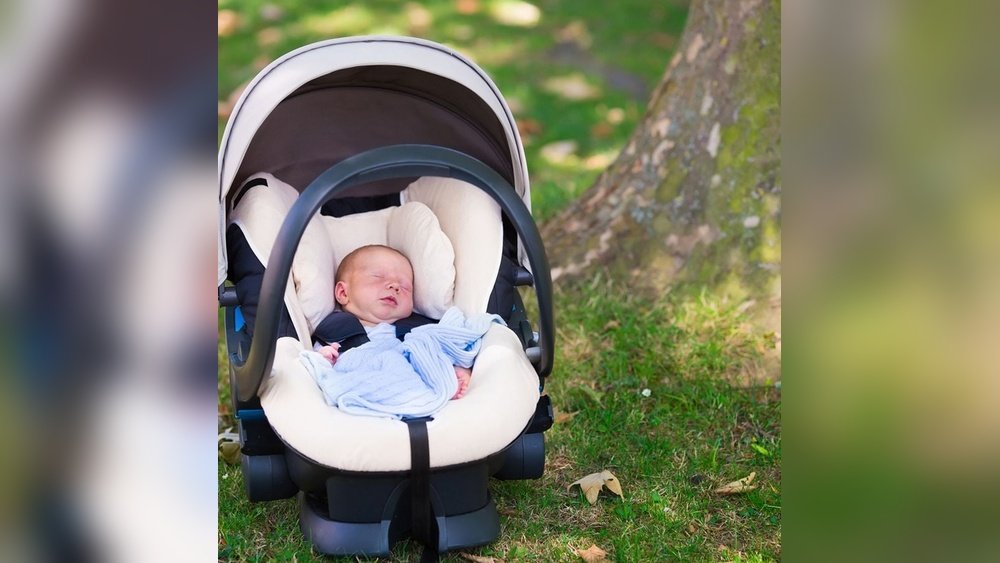
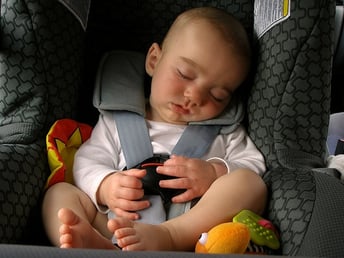
Babies often fall asleep during car rides. While it seems safe, sleeping in a car seat has risks. Parents should know these risks to keep their babies safe.
Unsafe Head And Neck Position
Babies’ neck muscles are weak. Their heads can flop forward while sleeping in car seats. This position can block the airway. It makes breathing hard and unsafe.
Risk Of Overheating
Car seats can cause babies to get too warm. Straps and padding hold heat close to their bodies. Overheating increases the risk of sudden infant death syndrome (SIDS).
Limited Movement And Circulation
Car seats restrict babies’ movement. Being in one position too long can reduce blood flow. Poor circulation may cause discomfort or more serious health issues.
Not Meant For Long Sleep
Car seats are made for travel, not long naps. Sleeping for hours in a seat can stress a baby’s body. It is better to move babies to a flat sleep surface after travel.
Credit: www.consumerreports.org
Car Seat Safety Standards
Car seat safety standards protect babies during car rides. These rules ensure car seats meet strict safety tests. They reduce risks in crashes and protect your child’s head, neck, and body.
Understanding these standards helps parents choose the safest car seat. Not all car seats are the same. Some meet higher safety requirements than others.
Federal Motor Vehicle Safety Standards (fmvss)
FMVSS sets rules for car seat design in the United States. Each car seat must pass crash tests. These tests check impact resistance and how well the seat holds the child.
Seats must have labels showing they meet FMVSS 213. This label means the seat is approved for use in cars.
European Safety Standards (ece R44/04 And R129)
Europe uses two main car seat safety standards. ECE R44/04 is older but still common. R129, or i-Size, is newer and stricter.
R129 focuses on side-impact protection and better fit for children. It requires car seats to be tested with real crash data.
Importance Of Proper Installation
Standards also cover how to install car seats safely. Seats must fit tightly in the car with seat belts or ISOFIX anchors.
Correct installation prevents seat movement during sudden stops or crashes. This keeps your baby secure and reduces injury risk.
Proper Car Seat Installation
Proper car seat installation is key to your baby’s safety during car rides. A correctly installed seat keeps your child secure and reduces injury risk. It also helps prevent the seat from moving or tipping in sudden stops.
Every car seat has specific installation instructions. Follow these carefully to ensure the seat fits well in your vehicle. Using the right method makes a big difference in safety.
Check The Seat Belt Or Latch System
Use the seat belt or LATCH system to fix the car seat tightly. The seat should not move more than one inch side to side or front to back. Tighten the belt or straps firmly to hold the seat in place.
Position The Car Seat Correctly
Place the car seat at the right angle, usually rear-facing for babies. This position supports the baby’s head and neck better. Make sure the seat reclines as the manual recommends to prevent the baby’s head from falling forward.
Secure The Harness Properly
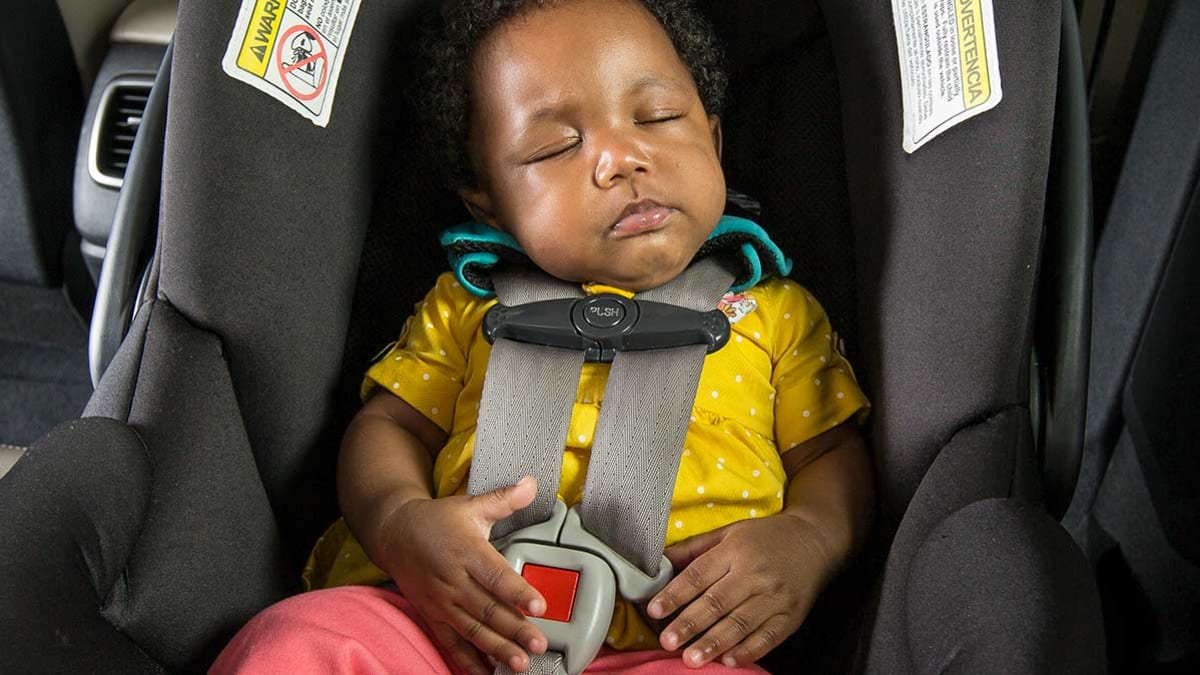
Adjust the harness straps so they fit snugly on your baby. The straps should lie flat without twists. The chest clip should be at armpit level to keep the harness in place.
Age And Weight Guidelines
Age and weight are key factors to consider for a baby’s safety in a car seat. Car seats have specific limits based on these two points. Following these guidelines helps protect your child during travel.
Babies grow fast. Their bodies need proper support during trips. Car seats designed for newborns suit smaller weights and ages. Using the right seat reduces risk and improves comfort.
Age Recommendations For Car Seat Use
Most experts advise that babies under 2 years old ride in rear-facing car seats. Rear-facing seats support the head, neck, and spine better. This position helps absorb crash forces safely. After age 2, children may switch to forward-facing seats if they meet weight limits.
Weight Limits For Rear-facing Seats
Rear-facing seats usually support babies from 4 to 40 pounds. Always check the car seat label for exact limits. Babies under 20 pounds often need special infant car seats. These seats fit snugly and offer extra padding for small babies.
When To Transition To Forward-facing Seats
Move your child to a forward-facing seat only after they outgrow the rear-facing limits. This means exceeding the maximum weight or height. Forward-facing seats have higher weight limits, often up to 65 pounds. Keep your child in a rear-facing seat as long as possible for safety.
Positioning Your Baby Correctly
Positioning your baby correctly in a car seat is very important for safety. Proper positioning helps protect your baby’s head, neck, and back. It also keeps your baby comfortable during the drive.
Incorrect positioning can cause breathing problems or increase injury risk. Parents must learn the right way to place their baby in the car seat. This ensures safer travel and peace of mind.
Place Your Baby In A Rear-facing Car Seat
Always use a rear-facing car seat for babies under 2 years old. This position supports the baby’s head and neck better in a crash. It spreads crash forces over the entire body, reducing injury.
Keep The Baby’s Back And Bottom Flat
Make sure your baby’s back and bottom lie flat against the car seat. Avoid slouching or leaning to one side. This keeps the spine aligned and prevents breathing problems.
Adjust The Harness Straps Correctly
Straps should be snug but not too tight. Place the harness straps at or below the baby’s shoulders. Use the chest clip at armpit level to keep straps in place.
Support The Baby’s Head Safely
Use head supports designed for car seats only. Avoid bulky blankets or pillows as they can block breathing. The head should not flop forward or sideways.
Check The Angle Of The Car Seat
Set the car seat at the correct recline angle. A 30 to 45-degree angle helps keep airways open. Many seats have built-in angle indicators to guide placement.
Duration Limits For Car Seat Use
Babies need special care when traveling in a car seat. One key concern is how long a baby can safely stay in the car seat. Staying too long in a car seat can cause discomfort and health risks. Parents should know the safe duration limits to protect their little ones.
Car seats are designed mainly for short travel times. Experts suggest keeping baby car seat time under two hours at once. This helps prevent breathing problems and reduces pressure on the baby’s developing body.
Recommended Maximum Time For Car Seat Use
Most safety guidelines say babies should not stay in a car seat for more than two hours continuously. This limit helps avoid poor posture and restricted airflow. Taking breaks during long trips is very important.
Signs Baby Needs A Break From The Car Seat
Watch for fussiness, sweating, or red marks on the skin. These signs show your baby needs to move out of the car seat. Let your baby stretch and change position when safe to do so.
How To Safely Manage Longer Trips
Plan stops every hour or so for baby breaks. Remove the baby from the seat and hold them upright. This helps blood flow and reduces stress on their body. Carry a portable carrier or stroller for safe movement.
Signs Of Discomfort Or Danger
Watching for signs of discomfort or danger is very important when a baby sleeps in a car seat. Babies cannot tell you if they feel bad. You must watch their behavior and body closely. Some signs show that the baby needs help or needs to be moved.
Babies can get uncomfortable or even unsafe in a car seat during a drive. Recognizing these signs early helps keep your baby safe and calm. Being alert means noticing small changes in breathing, position, or mood.
Changes In Breathing Patterns
Watch your baby’s breathing closely. Fast or very slow breathing can be a warning. If the baby sounds like they are struggling to breathe, stop the car. This can mean the baby is not getting enough air.
Unusual Body Position
Check if your baby’s head falls forward or sideways. This can block airways. The baby’s neck should stay straight. Slumping or twisting can cause danger. Make sure the harness holds the baby safely without being too tight.
Signs Of Distress Or Crying
Listen for loud or continuous crying. This may show pain or discomfort. Quiet fussing can also mean the baby is upset. Sometimes babies cry because they are too hot or cold. Look for other signs along with crying.
Skin Color Changes
Look at your baby’s skin color. Pale, blue, or very red skin means trouble. These changes show the baby might not have enough oxygen. Stop the car and check the baby if you see this.
Alternatives For Napping On The Road
Napping on the road can be tricky for babies. Car seats keep them safe during travel. Yet, long naps in car seats are not ideal. Parents often worry about comfort and safety. Finding good alternatives helps both baby and driver. Here are some smart options for baby naps while traveling.
Portable Travel Crib
A portable travel crib offers a safe, flat space to rest. It is lightweight and easy to carry. Parents can set it up during stops. Babies can sleep comfortably outside the car seat. This reduces the risk of breathing problems during long naps.
Car Seat With Adjustable Recline
Some car seats allow gentle recline adjustments. A slight tilt helps baby rest more naturally. It prevents the head from falling forward. Reclining seats improve comfort without compromising safety. Check the car seat manual for proper use.
Frequent Breaks For Naps
Stopping often during long drives benefits babies and parents. Taking breaks lets baby stretch and nap outside the car. Fresh air and a quiet spot calm the baby. Short naps in a safe place are healthier than long car seat naps.
Using A Baby Carrier At Rest Stops
Baby carriers provide a cozy spot for naps during breaks. Parents can hold the baby close, soothing them. The upright position helps breathing and digestion. This option is perfect for short naps between drives.
Emergency Situations And Car Seats
Emergency situations demand quick decisions and safe actions, especially when babies are involved. Car seats protect babies during travel and play a vital role in emergencies. Understanding how car seats work in urgent moments can help keep babies safe.
Knowing what to do if an emergency happens while driving is important. Parents and caregivers must act fast but carefully. The car seat is designed to keep the baby secure, but it cannot prevent all risks. Awareness and preparation can improve safety in emergencies.
How Car Seats Protect Babies In Crashes
Car seats are built to absorb impact and reduce injury risk. They hold babies tightly and prevent sudden movement. The straps and padding work together to keep the baby safe. Even in a crash, the car seat lowers chances of serious harm.
What To Do If You Must Stop Suddenly
Stop the car safely and turn on hazard lights. Check your baby’s condition before moving them. Never take the baby out of the car seat in moving traffic. Move the car seat only if the situation is life-threatening.
Car Seat Safety During Medical Emergencies
In medical emergencies, keep the baby secured in the car seat. Paramedics can help remove the baby safely. The car seat protects the baby until professionals arrive. Always inform emergency responders about the car seat use.
Preparing For Emergencies With Your Baby
Keep the car seat properly installed and always use the harness. Carry emergency supplies like a first aid kit and a phone charger. Practice quick but safe removal of the baby from the car seat. Stay calm and focused to handle emergencies better.

Credit: www.todaysparent.com
Tips For Stress-free Travel
Traveling with a baby can feel stressful. Small steps help make trips calm and safe. Planning ahead and staying organized ease the journey.
Simple habits keep your baby comfortable. A smooth ride means less fuss and more smiles.
Prepare The Car Seat Properly
Check the car seat fits your baby well. Tighten straps and secure buckles correctly. Make sure the seat reclines at the right angle.
Use the car seat only for travel, not as a regular sleeping spot.
Pack Essentials For Comfort
Bring enough diapers, wipes, and extra clothes. Carry a favorite toy or blanket for comfort. Have snacks and water ready for breaks.
Plan Regular Breaks
Stop every one to two hours to stretch and feed your baby. Use breaks to check on your baby’s comfort and safety. Fresh air and movement help calm both of you.
Keep The Car Temperature Comfortable
Maintain a cool, steady temperature inside the car. Use sunshades to block direct sunlight. Dress your baby in light clothes to avoid overheating.
Stay Calm And Focused
Your calmness helps your baby feel safe. Talk softly or sing to soothe your baby. Avoid loud noises or sudden movements during the drive.
Frequently Asked Questions
Is It Safe For Babies To Sleep In Car Seats While Driving?
Babies can sleep safely in car seats during driving if the seat is properly installed. Always use a car seat approved for your child’s age and size. Never leave a baby unattended in a car seat.
How Long Can A Baby Sleep In A Car Seat Safely?
Babies should not sleep in car seats for more than two hours at a time. Prolonged use can cause breathing or circulation issues. Take breaks during long trips to remove the baby safely.
Can Sleeping In Car Seats Cause Breathing Problems For Babies?
Poor positioning in car seats can block a baby’s airway and cause breathing problems. Always ensure the baby’s head is supported and the seat reclined correctly. Check on your baby often during the trip.
What Are The Risks Of Leaving A Baby Sleeping In A Car Seat?
Leaving a baby sleeping in a car seat outside the car can risk overheating or suffocation. Car seats are for travel, not as a regular sleeping spot. Always move the baby to a safe crib or bassinet soon.
Should I Use A Car Seat For Naps Outside The Car?
Car seats are not designed for regular naps outside the car. They do not provide flat, safe sleeping surfaces like cribs. Use car seats only during travel to keep your baby safe.
How To Keep A Baby Comfortable While Sleeping In A Car Seat?
Use a properly fitted car seat with good padding and support. Dress your baby in comfortable clothes and keep the car at a safe temperature. Avoid adding extra cushions or blankets that may affect safety.
When Should A Baby Transition From A Car Seat To A Stroller Or Crib?
Babies should stay in car seats only during travel or short periods. Once at home or a safe place, move them to a stroller or crib for proper rest. This helps reduce risks linked to long car seat use.
Conclusion
Babies need safety first when traveling by car. Car seats protect them during trips. But letting babies sleep in car seats while driving can be risky. Their position might block breathing or cause discomfort. Always follow safety guidelines and use car seats correctly.
Take breaks to check on your baby’s comfort and breathing. Choose car seats that fit well and meet safety standards. Keeping your baby safe is the most important thing on the road. Drive carefully and keep your little one secure at all times.