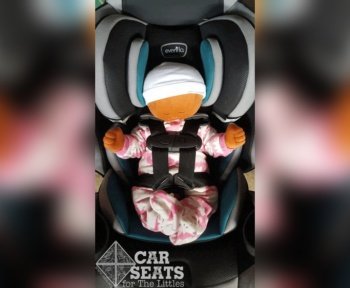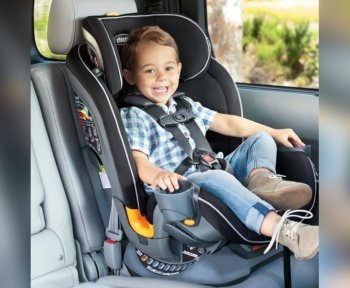
Getting the angle just right when reclining your convertible car seat for your newborn can feel tricky. You want your baby to be safe, comfortable, and secure every time you hit the road.
But how do you know if the seat is reclined correctly? If you get it wrong, it can affect your baby’s breathing and overall comfort. In this guide, you’ll discover simple, clear steps to adjust your car seat’s recline perfectly.
Keep reading to learn how to protect your little one and make every ride smooth and worry-free.
Credit: csftl.org
Choosing The Right Convertible Car Seat
Choosing a convertible car seat for a newborn is very important. The seat must keep the baby safe and comfortable. A good car seat helps you set the right recline angle for the newborn. This angle supports the baby’s head and neck properly. It also reduces the risk of breathing problems.
Not all car seats have the same features or recline options. Some are better for newborns than others. Picking the right seat means checking its safety features and how well it reclines. These factors help ensure your baby rides safely and comfortably every trip.
Key Features For Newborn Safety
Look for a car seat with strong side impact protection. This helps protect the baby’s head and body in a crash. A five-point harness is best. It holds the baby securely in place. The harness should be easy to adjust as your baby grows.
Padding and inserts designed for newborns add extra support. Make sure the seat has breathable fabric. This keeps your baby cool and comfortable. Also, check if the seat passes all safety tests. Labels and certifications show this information.
Comparing Recline Capabilities
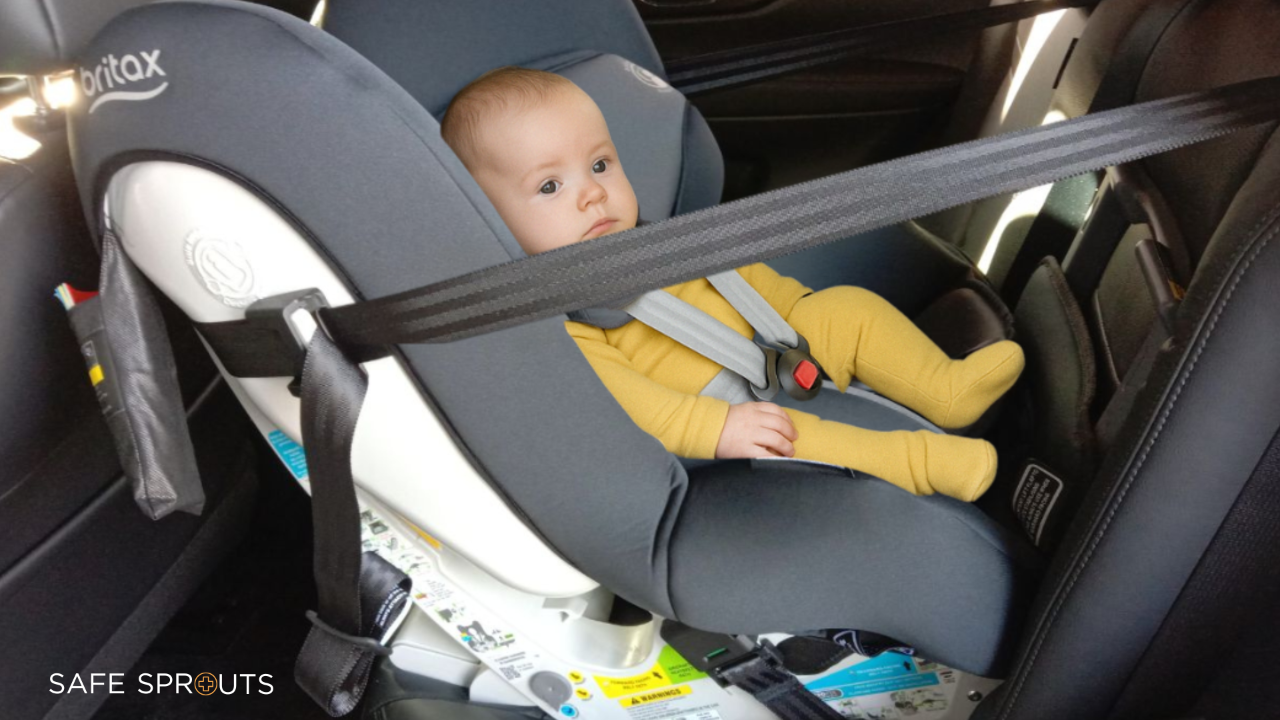
Recline options vary between different car seats. Some have multiple recline positions for a perfect fit. Others may offer fewer settings. Choose a seat that allows a near-flat recline for newborns. This position helps keep the airway open and safe.
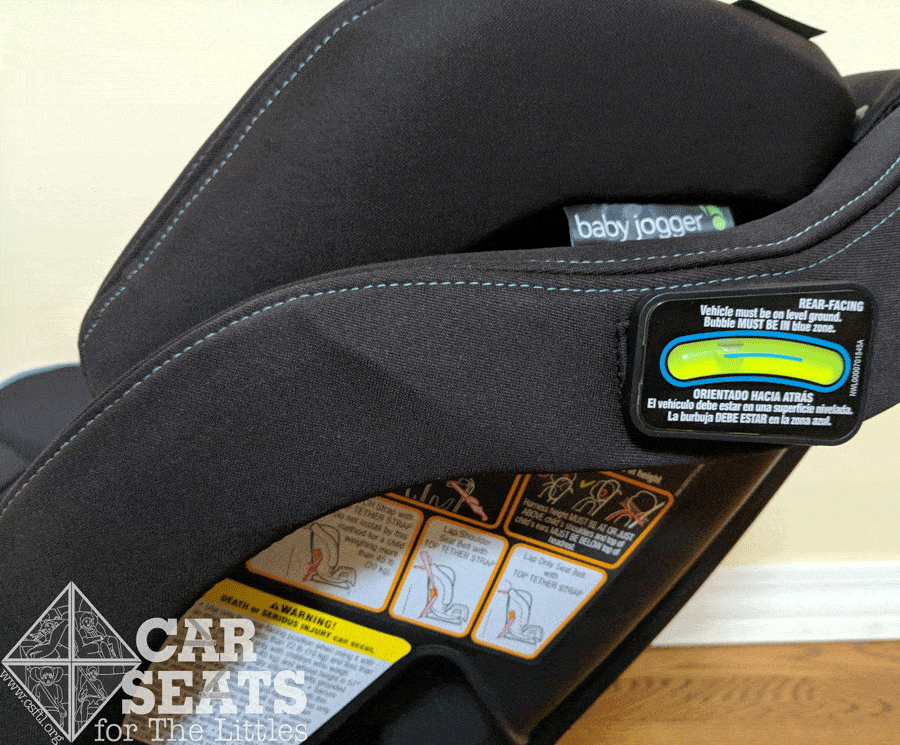
Check if the seat has a clear recline indicator. This helps you set the correct angle easily. Some seats have built-in levelers or adjustable bases. These features make adjusting the recline angle simple and quick.
Credit: www.safesprouts.com.au
Ideal Recline Angle For Newborns
Finding the ideal recline angle for a newborn in a convertible car seat is very important. It helps keep your baby safe and comfortable during travel. Newborns need proper support to keep their head and airways clear. Too upright or too flat can cause problems. This section explains the best recline angle for newborns and why it matters.
Why Recline Matters
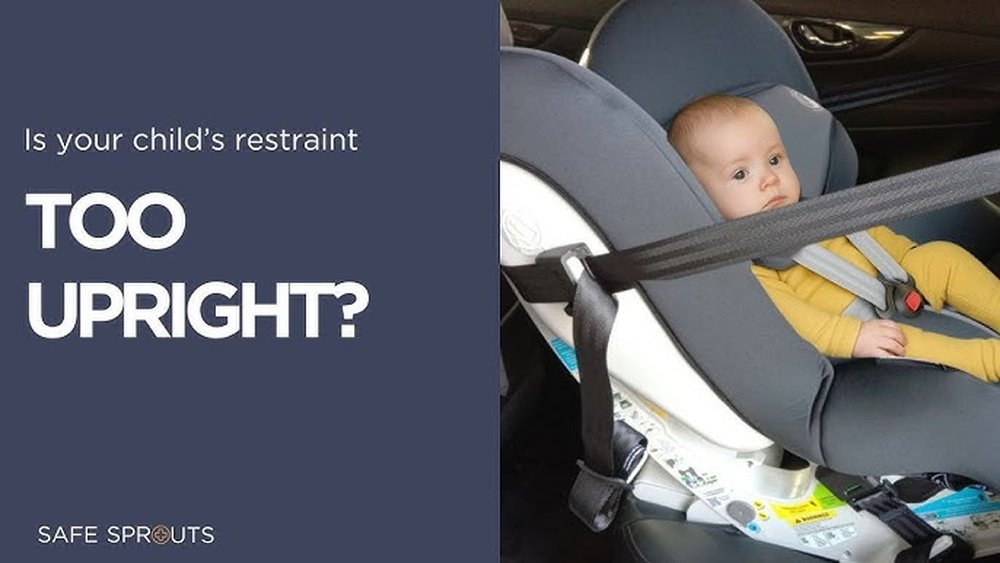
Newborns have weak neck muscles. They cannot hold their heads up well. A good recline angle supports their head and neck. It stops the head from falling forward. This keeps the airway open for easy breathing. A wrong angle can cause the head to slump. That may block the airway and create danger.
Proper recline also helps protect babies in a crash. It spreads the force over the back and shoulders. This reduces injury risk. Comfort is another reason. Newborns sleep a lot. A good angle helps them rest better on trips.
Recommended Angle Range
The best recline angle for newborns is usually between 30 and 45 degrees. This range keeps the baby’s head from falling forward. It also supports the back and neck well. Many convertible car seats have a built-in recline indicator. Use it to set the right angle.
Check the car seat manual for the exact recline setting. Some models differ slightly. Always follow the manufacturer’s instructions. Make small adjustments until the angle fits within the safe range. Use a level or an angle tool if needed.
Steps To Adjust Recline Angle
Adjusting the recline angle of a convertible car seat is important for your newborn’s safety and comfort. Proper recline keeps your baby’s head from falling forward. It also helps maintain a clear airway. Follow these simple steps to set the right angle for your seat.
Locating Recline Mechanism
Find the recline mechanism on your car seat. It is usually at the base or back of the seat. Look for a lever, button, or dial. Some seats have a built-in level indicator. This shows the correct recline angle for newborns. Read your car seat manual for exact details.
Adjusting And Securing The Seat
Pull or push the recline lever or button. Move the seat to the newborn angle recommended. This is often between 30 and 45 degrees. Use the level indicator to check the position. Lock the recline mechanism firmly. Make sure the seat does not move after adjustment. Tighten the seat belts or latch system securely. Double-check everything before placing your baby inside.
Tools And Accessories For Proper Recline
Getting the right recline angle for a newborn in a convertible car seat is very important. Proper recline helps keep your baby safe and comfortable. Some tools and accessories make adjusting the seat easier and more accurate. These tools guide you to set the correct angle and provide extra support for your newborn’s delicate body.
Using Recline Indicators
Most convertible car seats include built-in recline indicators. These are simple tools that show the angle of the seat. They often look like a bubble level or a line scale. Check the indicator each time you install the seat. Adjust the seat until the indicator shows the right angle for newborns. This ensures your baby’s head does not flop forward.
Adding Support Inserts
Support inserts help keep a newborn snug and secure. Many car seats come with extra pads or cushions for this purpose. These inserts fill gaps and hold the baby in a safe position. Use inserts designed for your car seat model. They improve comfort and help maintain the correct recline angle. Avoid bulky items that can change the seat’s safety features.
Common Mistakes To Avoid
Adjusting a convertible car seat for a newborn requires care. Many parents make simple mistakes that can affect safety and comfort. Knowing what to avoid helps keep your baby safe on every trip.
Over-reclining Risks
Too much recline can cause your baby’s head to fall forward. This blocks the airway and makes breathing hard. It also increases the risk of suffocation. Follow the car seat manual for the correct angle. Most seats have a recline indicator to guide you. Keep the seat at the right tilt for newborns.
Incorrect Installation Pitfalls
Installing the car seat too loosely is dangerous. The seat must not move more than an inch side to side. Check that the seat belt or latch system is tight. A loose seat can fail in a crash. Also, avoid twisting the straps. Straps should lie flat without twists or slack. Proper installation ensures the best protection for your baby.
Checking And Maintaining Recline Angle
Checking and maintaining the recline angle of a convertible car seat is crucial for newborn safety. The right angle keeps a baby’s head from falling forward. It also ensures proper support and comfort during travel.
Regular checks help avoid unsafe positions. Car seats can shift or settle over time. Maintaining the correct angle reduces risks and keeps your baby safe.
Routine Angle Verification
Check the recline angle before every ride. Most car seats have built-in angle indicators or levelers. Use these tools to confirm the seat is at the correct angle.
Place the car seat on a flat surface. Look for the angle marker and see if it matches the recommended position. Adjust if needed. Keep this habit consistent to ensure safety.
Adjusting As Baby Grows
Newborns need a more reclined position for head support. As your baby grows, adjust the seat to a more upright angle. This provides better visibility and comfort.
Follow the car seat manual for the correct angle changes. Adjustments help your child stay safe and comfortable during every stage. Don’t delay these changes; your baby’s safety depends on it.
Expert Tips For Safe Travel
Traveling safely with a newborn requires careful attention to the car seat angle. A proper recline keeps your baby comfortable and secure. Follow expert tips to ensure safe travel every time you hit the road.
Regular Seat Inspections
Check your car seat before each trip. Look for cracks, loose parts, or worn straps. Make sure the recline mechanism works smoothly. Clean the seat regularly to avoid dirt buildup. A well-maintained seat protects your baby better.
Consulting Manufacturer Guidelines
Read the car seat manual carefully. Follow the exact instructions for reclining the seat. Each model has specific rules for the newborn angle. Use the recommended settings to avoid unsafe positions. Manufacturer guidelines help ensure your baby’s safety.

Credit: carseatsite.com
Frequently Asked Questions
How Do I Adjust The Recline Angle For A Newborn?
Locate the recline adjustment lever or knob on the car seat base. Tilt the seat to the recommended angle for newborns, usually around 45 degrees. Ensure the seat is securely locked in place before use.
Why Is The Recline Angle Important For Newborn Safety?
Proper recline prevents the newborn’s head from falling forward, which can obstruct breathing. It also ensures correct harness fit and maximizes crash protection. Always follow manufacturer guidelines for the safest angle.
Can I Use A Convertible Car Seat Fully Reclined For Newborns?
No, fully reclining is unsafe. Newborns require a specific recline angle, generally between 30-45 degrees, to support their airway and head. Check your car seat manual to find the correct angle range.
How To Check If The Recline Angle Is Correct?
Most car seats have built-in angle indicators or bubble levels. Place the seat on a flat surface and adjust until the indicator shows the recommended angle. This ensures the seat is properly reclined for newborn comfort and safety.
Conclusion
Setting the right recline angle keeps your newborn safe and comfortable. Always check the car seat manual before adjusting the angle. Ensure the seat is secure and the baby fits well. Small changes make a big difference in safety. Trust your instincts and stay calm while adjusting.
Safe travels start with proper car seat setup. Keep your baby’s comfort and safety as top priorities. Simple steps lead to peace of mind on every ride.