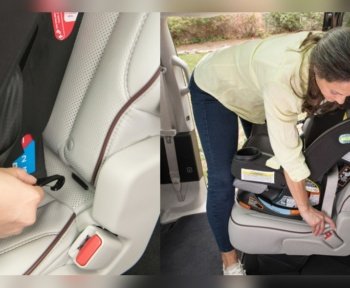
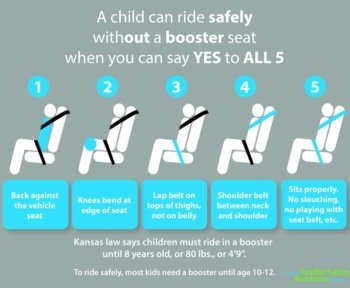
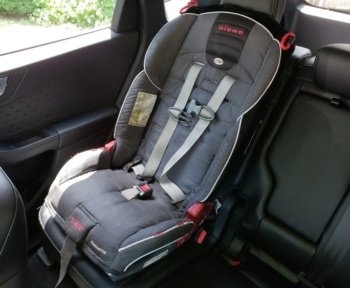
You want to keep your child safe every time they ride in the car. But how can you be sure that your car seat is installed correctly?
A wrong installation can put your little one at risk, even if you followed the instructions. You will learn simple, clear signs to check if your car seat is secure and ready to protect your child. By the end, you’ll feel confident that your child is safe and comfortable on every trip.
Keep reading—your peace of mind depends on it.
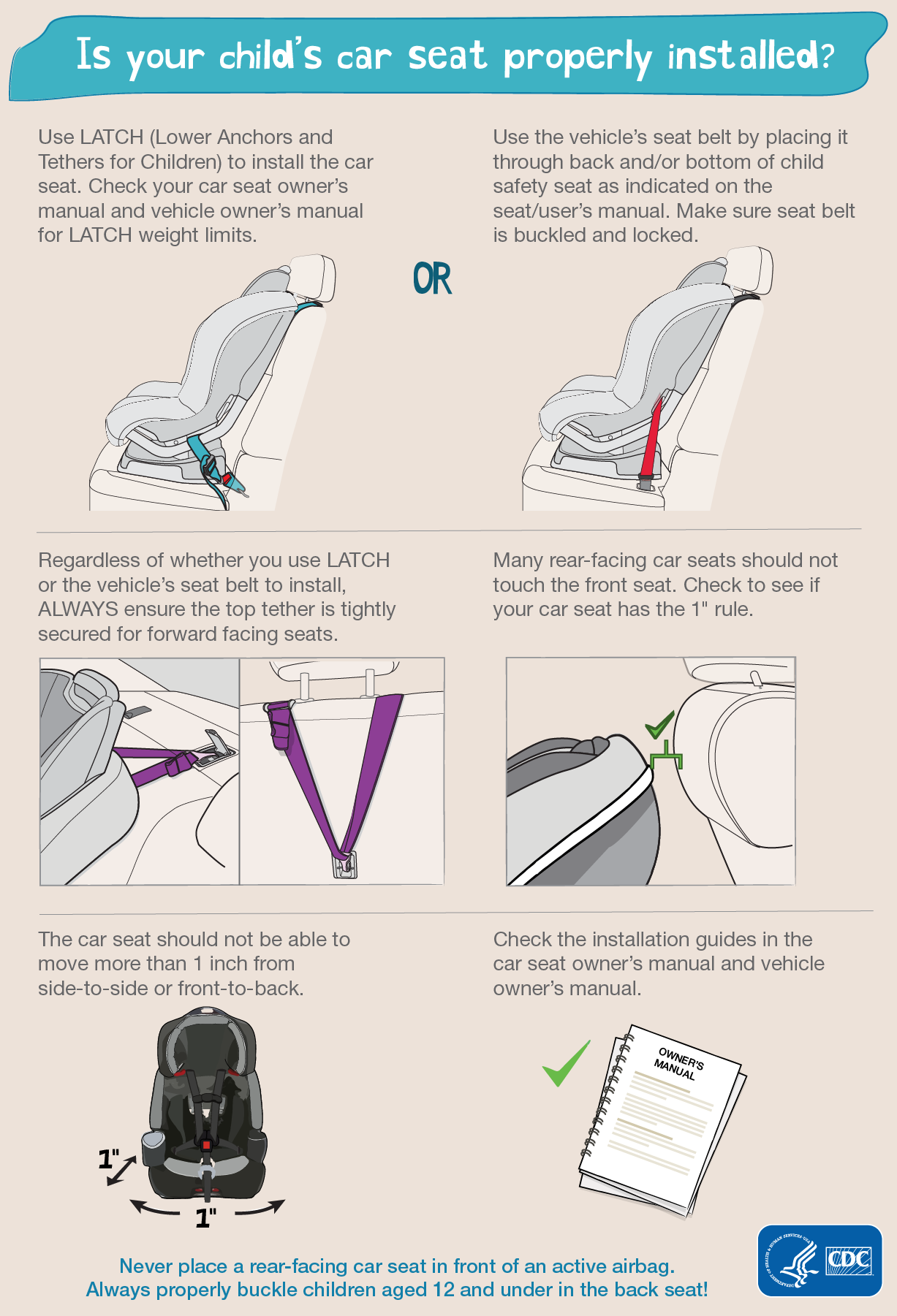
Credit: www.cdc.gov
Choose The Right Car Seat
Check that the car seat does not move more than one inch side to side or front to back. Make sure the harness straps are snug and lie flat against the child’s body. Confirm the seat is at the correct recline angle for safety and comfort.
Choosing the right car seat is the first step to keep your child safe. A good car seat fits your child’s size and weight. It also fits well in your car. This helps you install it properly and securely.
Car seats come in different types. Each type is designed for a specific age group and weight. Selecting the correct type ensures your child is well protected during travel.
Understand Car Seat Types
Infant car seats are for babies up to about 1 year old. They face the rear of the car. Convertible car seats can switch from rear-facing to forward-facing. They fit toddlers and older children. Booster seats help older kids use the car’s seat belt safely.
Check Size And Weight Limits
Every car seat has a label with size and weight limits. These numbers tell you which children fit safely. Use these limits to pick the seat that matches your child’s current size. Do not use a seat too big or too small.
Consider Your Vehicle
Not all car seats fit well in every vehicle. Check your car’s manual for special instructions. Some seats work better with certain car models. Make sure the seat you choose fits your car’s back seat securely.
Look For Safety Ratings
Safety ratings show how well a car seat protects in crashes. Look for seats tested by trusted organizations. Higher-rated seats give extra protection. This helps you choose a safer option for your child.
Check Car Seat Labels
Checking the car seat labels is a key step in making sure the seat is installed right. These labels give clear instructions about proper installation and safety limits. They help you confirm the seat fits your child’s size and weight.
Labels also provide important details about the car seat’s expiration date. Using a seat past this date can be unsafe. Reading these labels carefully ensures you use the seat as the maker intended.
Locate The Manufacturer’s Label
Find the main label on the car seat. It usually shows the brand, model, and serial number. This label helps identify the correct instructions for your seat.
Read Weight And Height Limits
The label lists the weight and height limits for the child. Make sure your child fits within these limits. This ensures the seat provides the best protection.
Check Installation Instructions
Look for instructions on how to install the seat. Some labels show diagrams or steps. Follow these closely to secure the seat properly.
Note The Expiration Date
Find the expiration date on the label. Car seats lose safety over time. Using an expired seat can risk your child’s safety.
Look For Recall Information
Labels sometimes include recall notices or contact info. Check this to make sure the seat is safe to use. If recalled, stop using it immediately.
Position The Car Seat Properly
Positioning the car seat properly is key to your child’s safety. A well-placed car seat keeps your child secure during travel. It also ensures the seat works as designed in a crash.
Every car seat has rules for placement. Follow them closely. Proper position depends on your child’s age, weight, and height. The car’s seat type also matters.
Choose The Right Seat Location
The back seat is the safest place for children. Place the car seat in the middle if possible. It offers the most protection from side impacts.
Side seats work if the middle is not an option. Make sure the seat fits well and does not move too much.
Check The Seat Angle
Newborns and infants need a reclined angle. This keeps their head from falling forward. Use the angle indicator on the seat to guide you.
Older children can sit more upright. Adjust the angle according to the car seat manual. A proper angle is vital for comfort and safety.
Secure The Seat Firmly
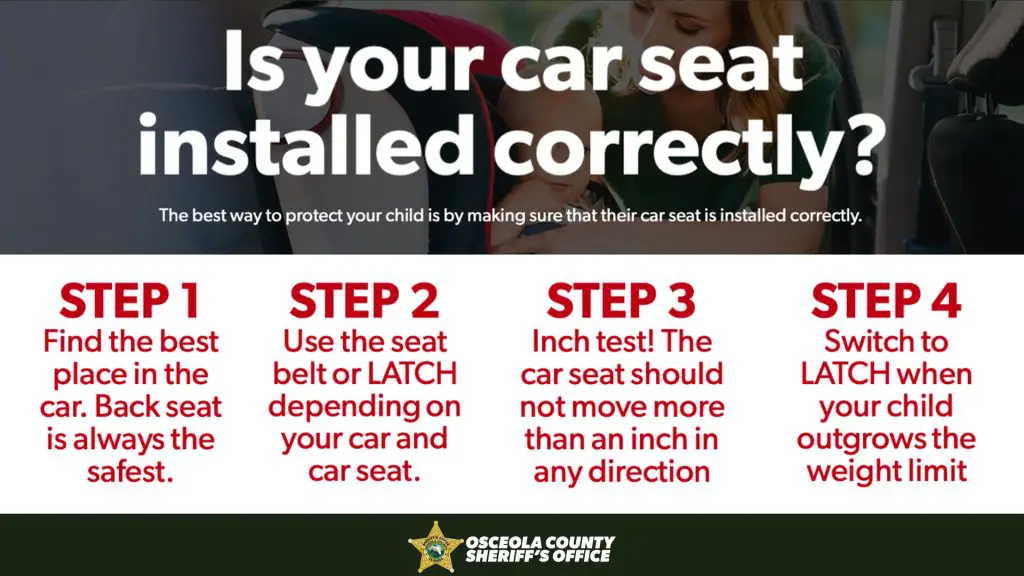
Use either the seat belt or the LATCH system to secure the seat. Tighten straps so the seat does not move more than one inch. Push down firmly while tightening.
Loose seats increase risk during sudden stops. Double-check after installation to confirm stability.
Use The Correct Installation Method
Using the correct installation method is key to keeping your child safe in their car seat. Car seats fit differently depending on the vehicle and the seat itself. Choosing the right method helps avoid mistakes that reduce protection. Two main ways exist to install a car seat: the LATCH system and the seat belt installation. Each method has its own rules and benefits. Learning both helps you pick the best option for your car and seat.
Latch System Basics
The LATCH system stands for Lower Anchors and Tethers for Children. It uses built-in anchors in your car to secure the car seat. This system is easy to use and often helps achieve a tighter fit. Make sure the car seat connectors attach firmly to the lower anchors.
Check the car seat manual and vehicle guide for anchor locations. After connecting, press down on the car seat and pull the straps tight. The seat should not move more than one inch side to side or front to back.
Seat Belt Installation
The seat belt installation uses your car’s regular seat belt to hold the car seat. This method works in almost all cars and seats. Thread the seat belt through the car seat belt path as shown in the manual.
Lock the seat belt to prevent it from loosening. Push down on the car seat while pulling the belt tight. The seat should stay stable and move less than an inch. Double-check the seat belt is locked and snug before every trip.
Secure The Car Seat Tightly
Securing the car seat tightly is key to your child’s safety. A loose car seat can move during a sudden stop or crash. This movement puts your child at risk of injury. The seat must not shift more than one inch side to side or front to back.
Check the tightness by grabbing the seat near the belt path. Pull and push firmly. If it moves too much, tighten the belt more. Use your body weight to press down on the seat while tightening the belt. This helps secure the seat better.
Use The Seat Belt Or Latch Correctly
Follow your car seat and vehicle manuals for belt or LATCH use. The belt must be locked and tight. LATCH connectors should click and hold firmly. Do not use both systems unless the car seat or vehicle allows it.
Test The Car Seat’s Movement
Hold the car seat at the belt path and try to move it. The seat should not shift more than one inch in any direction. A tight fit means less risk of injury in crashes.
Apply Your Body Weight While Tightening
Push down on the car seat with your body weight. This helps compress the vehicle seat and tighten the belt or LATCH strap. Then pull the belt or strap to remove any slack.
Adjust The Harness Correctly
Adjusting the harness correctly is crucial for your child’s safety in a car seat. The harness keeps your child secure during travel. A poorly adjusted harness can cause serious injuries in a crash. Focus on two main parts: harness height and harness tightness. These ensure the harness fits well and holds your child safely.
Harness Height
Set the harness straps at the right height. For rear-facing seats, straps should be at or below your child’s shoulders. Forward-facing seats need straps at or above the shoulders. Check the car seat manual for exact instructions. Adjust straps as your child grows to keep the right fit.
Harness Tightness
Make the harness snug but not too tight. You should not be able to pinch any slack at the shoulder. The harness must lay flat without twists. A loose harness lets your child move too much. A tight harness keeps your child secure and comfortable.
Check The Recline Angle
Checking the recline angle is an important step in installing a car seat. The right angle keeps your child safe and comfortable. Too much tilt or too little can cause problems during a trip.
Car seats usually have built-in angle indicators. These help you set the seat at the correct tilt. The right angle stops your child’s head from falling forward, which can block breathing.
Find The Angle Indicator On The Car Seat
Look for a bubble level or a line marker on the side of the car seat. This shows if the seat is tilted correctly. The indicator is often a small window with a colored bubble or a line.
Adjust The Seat To Match The Indicator
Tilt the seat back or forward to align the indicator with the correct position. Some seats have adjustable bases or recline settings. Make small changes and check the indicator each time.
Test With A Level Tool For Extra Safety
Use a small bubble level tool to double-check the angle. Place it on the car seat base to see if it is flat or tilted correctly. This step adds more certainty to your installation.
Follow Weight And Age Guidelines
The correct recline angle often depends on your child’s age and weight. Newborns need a more reclined seat. Older children can sit more upright. Check the car seat manual for these rules.
Credit: www.osceolasheriff.org
Test For Movement
Testing for movement is a key step to check if a car seat is installed right. A seat that moves too much can be unsafe for your child. You want the car seat to be tight and steady. This test helps you find out if the seat is secure enough before every ride.
How To Perform The Movement Test
Grab the car seat near the belt path. Pull the seat side to side and front to back. The seat should not move more than one inch. Use your fingers, not your whole hand, to measure the movement. This simple check shows if the seat is firmly in place.
Why Minimal Movement Matters
Too much movement means the seat may not protect your child well. In a crash, a loose seat can shift or tip. This raises the risk of injury. A tight seat keeps your child safer by staying in place during sudden stops.
What To Do If The Seat Moves Too Much
Try to tighten the seat belt or latch strap. Push down on the car seat while tightening. Check the car seat manual for specific instructions. If the seat still moves, reposition it or use a different seat belt path. Repeat the test until the seat moves less than one inch.
Inspect The Chest Clip Position
Checking the chest clip position is key to making sure the car seat is safe. This small clip keeps the harness straps in place on your child’s chest. If it is too low or too high, it can cause injury during a crash.
Learn how to inspect the chest clip position carefully. This helps keep your child secure and comfortable in the seat.
Locate The Chest Clip
Find the chest clip on the harness straps. It usually sits at the child’s chest level. The clip looks like a small plastic buckle connecting the two straps.
Position At Armpit Level
Move the chest clip to the child’s armpit level. It should sit flat across the chest. This position stops the child from slipping out during sudden stops.
Check For Snugness
The chest clip must hold the harness straps tightly. Loose straps can cause the child to slide forward. The clip should not pinch the child’s skin.
Adjust If Needed
If the chest clip is not at armpit level, slide it up or down. Make small changes until it is in the right spot. Always check the clip after tightening the harness.
Avoid Common Installation Mistakes
Installing a car seat correctly is vital for your child’s safety. Many parents make small mistakes that reduce protection. Avoiding these errors helps keep your child safe and secure. Below are common mistakes to watch out for.
Not Tightening The Seat Enough
One common error is a loose car seat. The seat must not move more than one inch side to side or front to back. Tighten the seat belt or LATCH system firmly to secure the seat. Loose installation can cause serious injury in a crash.
Incorrect Angle Of The Car Seat
The car seat angle is crucial for infant safety. Too upright or too reclined can harm a baby’s head and neck. Use the angle indicator on the seat to set the correct position. Adjust as needed until the angle is perfect.
Using The Wrong Belt Path
Car seats have specific belt paths for installation. Using the wrong path weakens the seat’s hold. Always follow the car seat manual for the correct belt route. Double-check before tightening the belt to avoid this mistake.
Not Securing The Harness Properly
The harness keeps your child in place during a crash. Straps should be snug without slack. The chest clip must be at armpit level to hold straps correctly. Loose or misplaced harnesses reduce safety significantly.
Ignoring Expiration Dates And Recalls
Car seats have expiration dates and recall notices. Using an expired or recalled seat is risky. Check the label for expiration and visit the manufacturer’s website for recalls. Replace or repair the seat if needed for safety.
Seek Professional Help
Installing a car seat can be tricky. Even small mistakes can reduce safety. Getting help from a professional ensures the seat is installed right. Experts check every detail to keep your child safe.
Car Seat Inspection Stations
Many communities offer car seat inspection stations. These places have trained staff who check your car seat. They make sure it fits your vehicle properly. They also verify the seat belt or LATCH system is tight and secure. Visits are often free or low cost. Find a nearby station through local health or fire departments.
Certified Technicians
Certified technicians have special training in car seat safety. They understand all types of seats and vehicles. They explain how to use the seat correctly. They show you how to adjust straps and buckles. Certified help gives confidence that the seat is safe. Always ask for advice or a check-up from these experts.

Credit: www.oviahealth.com
Maintain And Replace Your Car Seat
Keeping your car seat in good shape is key for your child’s safety. A well-maintained car seat works as it should in a crash. It also lasts longer and stays comfortable for your child.
Car seats wear out over time. Parts can break or become weak. Dirt and spills may affect the seat’s material and straps. Knowing when to replace your car seat keeps your child safe on every ride.
Check For Expiration Dates
Every car seat has an expiration date. It is usually on a label or molded into the seat. Using a seat past this date can be unsafe. Materials can weaken or break without warning.
Do not use a seat older than six years. Some seats last up to ten years. Check your car seat manual or manufacturer’s website to find the exact date.
Inspect For Damage
Look for cracks, broken parts, or worn straps. Check the harness and buckles for smooth working. Any sign of damage means the seat should be replaced.
Do not try to fix broken parts yourself. Only use parts from the original manufacturer. A damaged seat cannot protect your child properly.
Clean Your Car Seat Regularly
Keep the car seat clean from dirt and food spills. Use mild soap and water to clean the fabric. Avoid harsh chemicals that may weaken the material.
Remove the cover and straps for cleaning if the manual allows. Let everything dry before putting it back. A clean seat stays strong and safe.
Frequently Asked Questions
How Tight Should A Car Seat Installation Be?
The car seat should not move more than one inch side-to-side or front-to-back. Check by grabbing the base near the belt path.
Where Should The Car Seat Harness Be Positioned?
The harness straps must be at or below the child’s shoulders for rear-facing seats. For forward-facing seats, straps go at or above shoulders.
How To Check If The Car Seat Is At The Correct Angle?
Look for the car seat’s angle indicator or adjuster. It ensures the seat is reclined enough for safety and comfort.
Can I Use Both Seat Belt And Latch System Together?
Use either the seat belt or LATCH system, not both. Using both can cause improper installation and reduce safety.
How Do I Know If The Car Seat Is Securely Latched?
Hear a firm click when attaching the LATCH connectors. Tug the seat to confirm it does not move more than one inch.
What Common Mistakes Affect Car Seat Installation Safety?
Loose seat belts, wrong angle, or incorrect harness height are common errors. These mistakes reduce the seat’s protection during a crash.
Should The Car Seat Base Move After Installation?
No. The base should be tightly secured with less than an inch of movement. Movement means the seat is not installed correctly.
How Often Should I Check The Car Seat Installation?
Check the installation every time before driving. Regular checks ensure the seat stays secure and safe for your child.
Conclusion
A correctly installed car seat keeps your child safe on every trip. Check the tightness and angle carefully. Make sure the harness fits snugly and the seat does not move more than an inch. Follow the car seat manual and your vehicle’s guide.
Ask a certified technician to inspect your installation if unsure. Safety matters most. Double-checking your work gives peace of mind. Keep your child secure and enjoy worry-free rides.