Installing an infant car seat without a base can feel tricky, but it doesn’t have to be. If you want to keep your baby safe during every ride, knowing the right steps is key.
You might wonder if it’s even possible or if it’s safe. This guide will walk you through simple, clear instructions so you can do it confidently. By the end, you’ll have the skills to secure your little one correctly, no base needed.
Keep reading—you and your baby deserve peace of mind every time you hit the road.
Choosing The Right Infant Car Seat
Choosing the right infant car seat is important for your baby’s safety. A good car seat fits your child well and works with your car. It should be easy to install without a base. This helps when you travel or switch cars often.
Not all car seats are the same. Some are made to be used with a base only. Others work well without a base. You need to find one that fits your needs and your baby’s size.
Safety Standards And Certifications
Always check for safety labels on the car seat. Look for certification from safety groups. These show the seat meets important rules. A certified seat gives you peace of mind.
Weight And Size Limits
Choose a car seat that matches your baby’s weight and height. Seats have limits on how big or small a baby can be. Use a seat that fits your baby now and in the near future.
Ease Of Installation Without Base
Some seats are easier to install without a base. Look for seats with clear instructions and simple straps. This saves time and ensures the seat is secure.
Compatibility With Your Vehicle
Check if the seat fits well in your car’s back seat. Some seats work better with certain car models. Test the seat in your car before buying if possible.
Comfort Features For Baby
Pick a seat with good padding and support. Your baby should feel safe and cozy. Extra head support and soft fabrics are plus points.
Preparing Your Vehicle
Preparing your vehicle is the first step for a safe infant car seat installation without a base. You need a clean, clear space in the back seat. Remove any loose items that might get in the way.
Check the seat belt system. Make sure it works smoothly and locks properly. This helps to secure the car seat tightly.
Choose The Right Seat Position
Place the car seat in the back seat only. The middle seat is often the safest spot. Check if your vehicle’s seat belt can reach that area easily.
Clear The Seat Area
Remove heavy coats or cushions from the seat. These can affect the seat belt fit. A flat and firm surface is best for the car seat.
Check For Latch Anchors
Look for lower anchors between the seat cushions. Some cars allow using these anchors without a base. If present, these can add stability to the car seat.
Adjust The Seat Back Angle
Set your vehicle seat to an upright position. A reclined seat can cause the car seat to tilt. This adjustment helps keep your baby safe and comfortable.
Inspecting The Car Seat
Before installing an infant car seat without a base, start by inspecting the seat carefully. Checking the car seat ensures it is safe and ready to use. This step helps prevent mistakes and keeps your baby secure during travel.
Look for any visible signs of damage or wear. Even small cracks or broken parts can be dangerous. Make sure the car seat has all its parts, including straps, buckles, and padding. Missing pieces can affect the seat’s performance.
Check The Expiration Date
Every car seat has an expiration date printed on it. Using an expired seat is unsafe. Over time, materials weaken and safety standards change. Find the date on the label and do not use the seat if it is past that date.
Examine The Harness And Buckles
Inspect the harness straps for frays or tears. Straps must be strong and flexible. Test the buckles to see if they open and close smoothly. Buckles that stick or do not latch properly are unsafe and need repair or replacement.
Verify The Seat’s History
Never use a car seat involved in a crash. Even if it looks fine, internal damage may exist. Ask the seller or previous owner about the seat’s history. Do not use any seat with unknown or unsafe history.
Confirm Proper Labels And Manuals
Check that the car seat has clear labels showing weight and height limits. These labels guide correct use and installation. Keep the instruction manual handy. It provides important safety and installation details.
Credit: compassbank.us
Securing The Car Seat With A Seat Belt
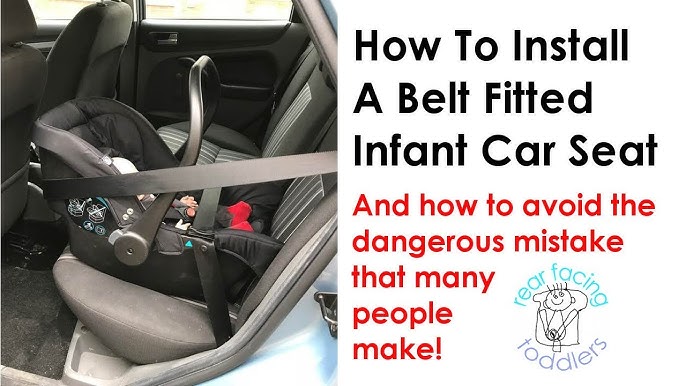
Securing an infant car seat without a base requires careful use of the seat belt. This method keeps the car seat stable and safe during travel. Understanding how to correctly fasten the seat belt is key to protecting your baby.
Follow clear steps to ensure the car seat stays firmly in place. The seat belt acts as the main anchor, so it must be tight and properly routed. Each car and car seat may have specific instructions, but the basic process is similar.
Locate The Correct Seat Belt Path
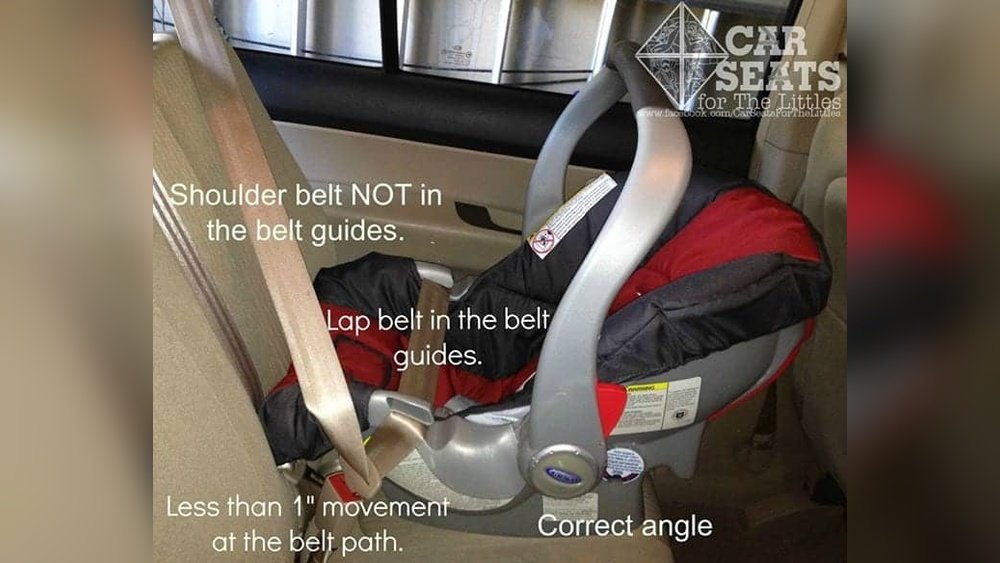
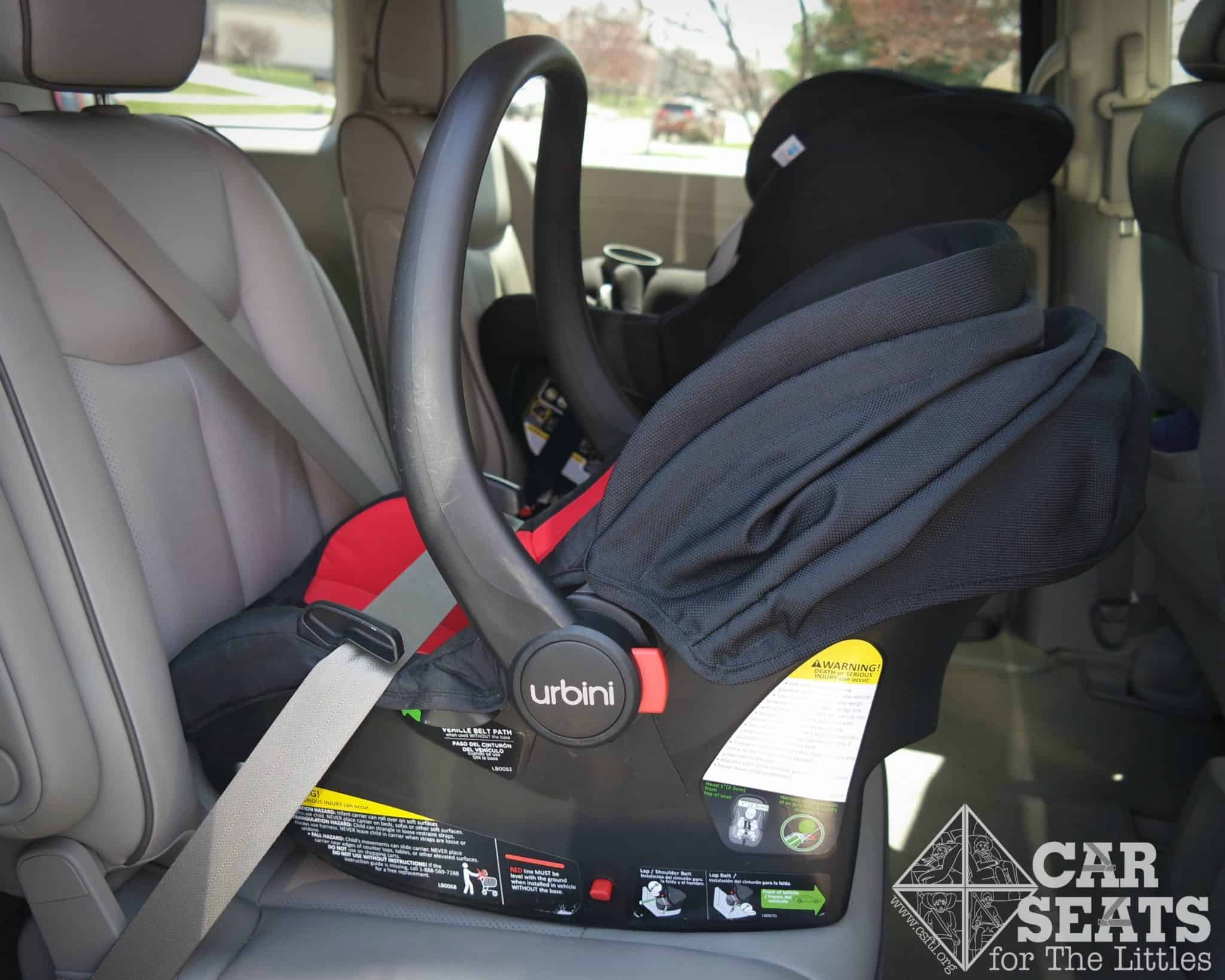
Find the belt path marked on the car seat. Usually, it is a slot or guide on the back or bottom of the seat. This path shows where the seat belt should go to secure the seat.
Use the path designed for seat belt installation, not the LATCH system. This ensures the seat belt holds the seat firmly without slipping.
Buckle And Tighten The Seat Belt
Pull the seat belt across the car seat. Insert the belt into the buckle and click it in place. Make sure the belt is locked and will not loosen.
Use your body weight to push down on the car seat. Pull the seat belt tight to remove any slack. The seat should not move more than one inch side to side or front to back.
Check The Seat Angle And Position
Confirm the car seat is at the proper angle for your infant. Many seats have an indicator to help set this angle. Adjust the seat so your baby’s head stays supported and does not fall forward.
Make sure the seat rests firmly against the vehicle seat. The seat belt should hold the car seat tightly without gaps or loose areas.
Using The Latch System Without A Base
Using the LATCH system without a base offers a secure way to install an infant car seat. This method keeps the seat tightly fixed to the car. It also makes it easier to move the seat between vehicles. Safety stays the top priority with this installation choice.
Follow clear steps to ensure the seat stays firmly in place. Check your car’s manual for LATCH anchor locations. Not all cars have anchors suited for base-less installation. Knowing this helps avoid mistakes and keeps your baby safe.
Locate The Latch Anchors In Your Car
Start by finding the lower anchors in your vehicle’s back seat. These are metal bars between the seat cushions. They hold the LATCH connectors from the car seat. Make sure the anchors are easy to reach and free from debris.
Attach The Car Seat Connectors Securely
Clip the car seat’s LATCH connectors onto the lower anchors. Push firmly until you hear a click. This sound means the connectors are locked in place. Avoid loose attachments; they reduce the seat’s safety.
Tighten The Latch Straps Properly
Pull the LATCH straps to remove slack. Tight straps keep the car seat from moving. Press down on the seat with your hand while tightening. Aim for less than one inch of side-to-side movement.
Check The Recline Angle Of The Car Seat
Ensure the seat reclines at the correct angle. Most seats have a level indicator. Adjust the seat angle to prevent your baby’s head from falling forward. Proper recline supports your baby’s breathing and comfort.
Secure The Baby Inside The Car Seat
Buckle your baby into the seat harness. Tighten the straps so they are snug but comfortable. The harness clip should be at armpit level. A secure fit protects your baby during sudden stops.
Checking The Angle Of The Car Seat
Checking the angle of the infant car seat is very important. A correct angle keeps your baby safe and comfortable during travel. Too steep or too flat can be dangerous. It can affect your baby’s head and breathing.
Without the base, you must pay close attention to how the seat sits. The car seat should not lean too much forward or backward. The right angle helps protect your baby in case of sudden stops or crashes.
Using The Built-in Angle Indicator
Most infant car seats come with a built-in angle indicator. This tool shows the proper tilt for your seat. Look for a bubble or line inside the seat frame. Adjust the seat until the indicator shows the correct angle.
Place the seat on the car seat. Shift it until the bubble or line is in the safe zone. This step helps ensure the seat is not too upright or too reclined.
Checking The Angle With A Towel Roll
Use a rolled-up towel or small blanket to adjust the angle. Place it under the car seat’s base or bottom edge. Add or remove the towel to get the right tilt.
Make small changes and check the angle indicator each time. This helps achieve a stable and safe position for your baby.
Confirming The Angle Before Every Ride
Always check the angle before each trip. The seat can shift while driving or during handling. Make sure the seat is still in the correct position before placing your baby inside.
Double-check the angle indicator and adjust if needed. This simple habit improves safety and comfort for your child every time.
Tightening The Car Seat Properly
Tightening the infant car seat properly is critical for your baby’s safety. A loose car seat can move during travel, increasing injury risk. Proper tightening keeps the seat stable and secure.
This step requires attention and care. You need to check the seatbelt or harness tightness to ensure the car seat does not shift more than an inch side-to-side or front-to-back.
Check The Seatbelt Path
Make sure the seatbelt follows the correct path through the car seat. The belt should lie flat without twists. Twisted seatbelts reduce the strength of the installation.
Pull The Seatbelt Tight
Hold the car seat firmly. Pull the seatbelt to remove all slack. Tighten the belt as much as possible to secure the seat.
Use Your Body Weight
Press down on the car seat with your body weight. This helps tighten the seatbelt further. Push the seat into the vehicle seat firmly while pulling the belt tight.
Test For Movement
Grab the car seat at the base near the belt path. Try to move it side to side and front to back. The seat should move less than one inch in any direction.
Adjust If Needed
If the seat moves too much, repeat tightening steps. Check the seatbelt path again. Pull the belt tighter and press the seat down with your weight.

Credit: bcmoorerankings.com
Ensuring The Harness Fits Correctly
Ensuring the harness fits correctly is critical for your baby’s safety. A proper fit keeps your infant secure during every car ride. The harness should hold your child snugly without causing discomfort. Too loose or too tight can both be dangerous. Follow simple steps to adjust the harness perfectly.
Check The Harness Height
The harness straps must be at or below your baby’s shoulders. For rear-facing seats, this position protects the neck and head. Adjust the straps by moving them through the slots. Make sure both sides are even before fastening.
Secure The Chest Clip
Place the chest clip at armpit level. This position keeps the harness straps in place. Avoid placing the clip too high or low. It should rest comfortably across your baby’s chest.
Tighten The Harness Straps
Pull the harness straps tight enough so you cannot pinch any slack. The straps should lay flat and not twist. Proper tension keeps your infant safe without hurting them. Always double-check the tightness before every ride.
Performing Safety Checks
Performing safety checks is a key step when installing an infant car seat without a base. These checks help ensure your baby stays secure during every trip. Skipping safety checks can lead to dangerous situations. Taking a few moments to inspect the seat and installation improves safety and peace of mind.
Careful safety checks reduce risks. They confirm the seat fits tightly and the harness works correctly. Safety checks also help spot any damage or wear. This section guides you through essential safety checks for your infant car seat installation.
Check The Seat Belt Tightness
Pull the seat belt firmly to remove slack. The car seat should not move more than one inch side to side or front to back. A tight seat belt keeps the seat stable during travel. Loose belts increase the risk of injury in a crash.
Inspect The Harness Straps
Ensure the harness straps are flat and untwisted. Straps should lie snugly against your baby’s body. Check the harness adjuster to confirm it tightens properly. A loose harness can allow excessive movement, which is unsafe.
Verify The Seat Angle
Look at the seat’s recline angle. It should be slightly reclined to keep your baby’s airway open. Many seats have built-in angle indicators. Adjust the seat until the indicator shows the correct position.
Examine For Damage And Recalls
Check the car seat for cracks, frayed straps, or broken parts. Damage weakens the seat’s protection. Visit the manufacturer’s website to see if your seat has any recalls. Using a recalled seat can be very risky.
Confirm The Seat Is Properly Installed
Press down firmly on the seat while tightening the belt. Test for movement again. The seat should feel secure and not shift. Proper installation reduces injury chances during sudden stops or crashes.
Credit: www.astra-lab.com
Common Mistakes To Avoid
Installing an infant car seat without a base can be tricky. Many parents make mistakes that affect safety. Knowing what to avoid helps protect your baby better.
Common errors can cause the seat to move too much or not fit well. This section highlights key mistakes to watch out for. Avoiding these issues makes the installation safer and easier.
Not Tightening The Seat Enough
Loose car seats can shift during a crash. Pull the seat belt tight to keep the seat secure. Check that the seat moves less than one inch side to side.
Using The Wrong Seat Belt Path
Infant car seats have specific belt paths. Using the wrong path weakens the seat’s hold. Always follow the seat manufacturer’s instructions carefully.
Skipping The Locking Clip
The locking clip keeps the seat belt from loosening. Not using it can cause the seat to move. Place the clip at the right spot, usually near the baby’s shoulder.
Incorrect Angle Of The Seat
The car seat must be at the right angle. Too upright or too reclined can harm the baby’s airway. Use the built-in angle indicator to adjust properly.
Failing To Check For Movement
After installation, push and pull the seat. It should not move more than one inch. If it does, tighten the seat belt and check again.
Frequently Asked Questions
How Do I Install An Infant Car Seat Without A Base?
Place the car seat rear-facing on the vehicle seat. Thread the seat belt through the car seat’s belt path and buckle it. Tighten the belt firmly to secure the seat.
Can I Use A Regular Seat Belt To Install The Car Seat?
Yes, a regular seat belt can secure an infant car seat without the base. Make sure to use the correct belt path and lock the seat belt tightly.
Is It Safe To Install An Infant Car Seat Without The Base?
Installing without the base is safe if done correctly. Always follow the car seat and vehicle manuals for proper installation.
How Tight Should The Seat Belt Be When Installing?
The seat belt should be very tight with no slack. Test by pushing the car seat side to side; it should not move more than one inch.
Can I Use The Latch System Without A Base?
Most infant car seats cannot use LATCH without the base. Check your car seat manual to confirm if LATCH is possible without the base.
What Angle Should The Infant Car Seat Be Placed At?
The car seat should be reclined at about a 45-degree angle. This position keeps the baby’s airway open and safe during travel.
How Do I Know If The Car Seat Is Installed Correctly?
Check for no more than one inch of movement at the belt path. The car seat should be reclined properly and the seat belt locked tight.
Conclusion
Installing an infant car seat without a base is simple and safe. Always read the car seat and vehicle manuals first. Tighten the seat belt firmly to keep the seat steady. Check the seat angle to protect your baby’s head and neck.
Double-check all straps and locks before every ride. Practice a few times to feel confident. Safety matters most. Keep your baby secure on every trip.