Choosing the right infant car seat travel system can feel overwhelming, especially when you’re trying to keep your baby safe and your life simple. You’ve probably heard about the Doona and wondered how it stacks up against a regular infant car seat travel system.
Which one will fit your lifestyle better? Which option will save you time, space, and stress? You’ll discover the key differences, benefits, and drawbacks of both so you can make a confident choice for your family’s needs. Keep reading to find out which travel system truly works for you and your little one.

Credit: www.youtube.com
Doona Car Seat Features
The Doona car seat stands out with unique features that combine safety and convenience. This product blends the car seat and stroller into one device. It offers parents an easy way to travel without extra equipment. The design focuses on making outings simple and fast. Below are the key features that make the Doona car seat special.
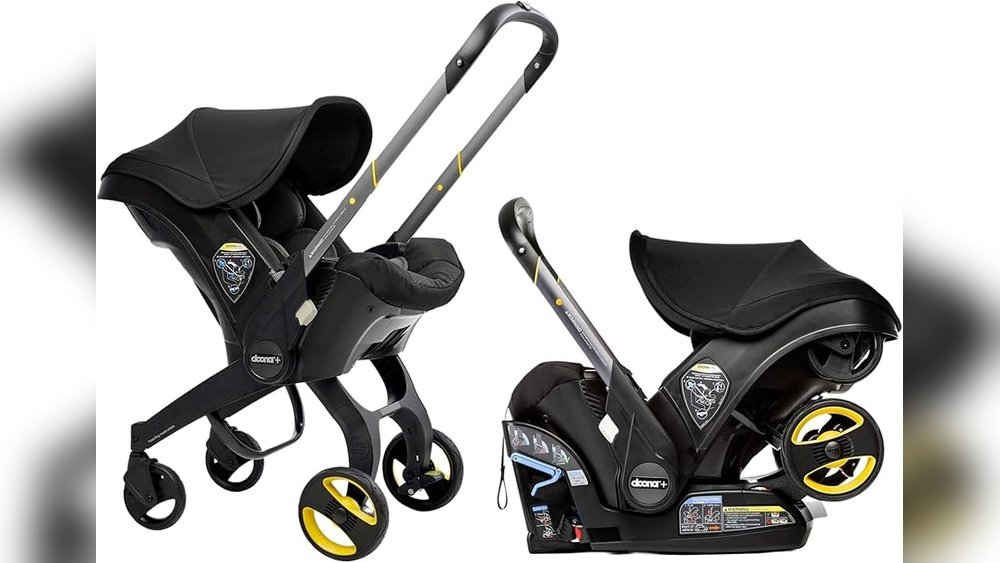
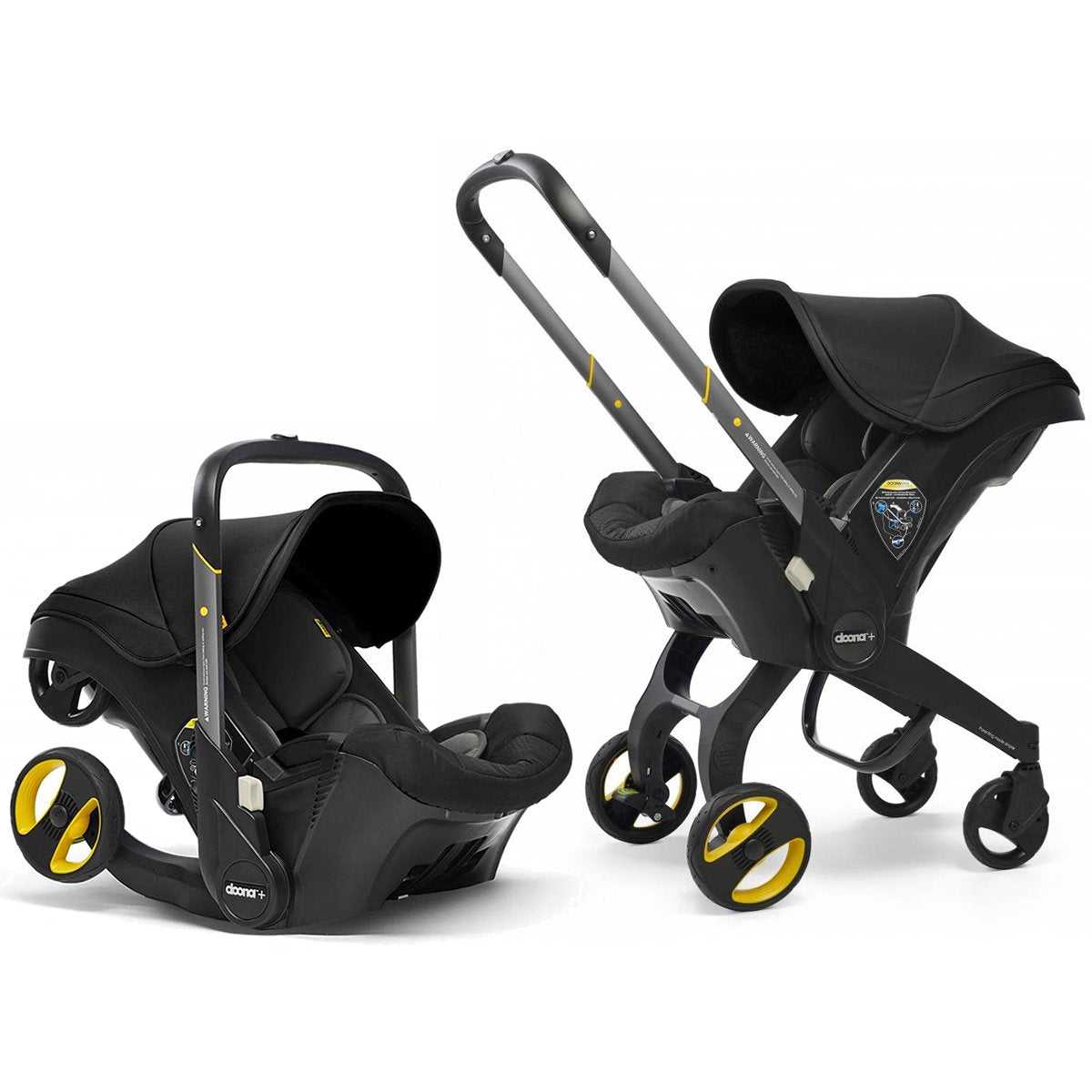
Built-in Stroller Design
The Doona has a built-in stroller frame. This means you can switch from car seat to stroller in seconds. No need to carry a separate stroller or adapters. The wheels fold out smoothly from the car seat base. This design saves space and effort during travel. It’s perfect for busy parents on the go.
Safety Certifications
Safety is a top priority with the Doona car seat. It meets strict safety standards in several countries. The seat includes side-impact protection to shield your baby. It has passed rigorous crash tests for car travel. This gives parents peace of mind on every trip.
Ease Of Installation
Installing the Doona car seat is quick and simple. It uses a standard LATCH system for secure attachment. The base clicks firmly into place with clear indicators. No complicated steps or tools are needed. This ease helps parents save time and avoid errors.
Weight And Portability
The Doona is lightweight compared to many infant car seats. It weighs about 16 pounds, making it easy to carry. The compact size fits well in small cars and tight spaces. Parents can lift and move it comfortably during travel. Portability adds to the overall convenience of this seat.
Regular Infant Car Seat Features
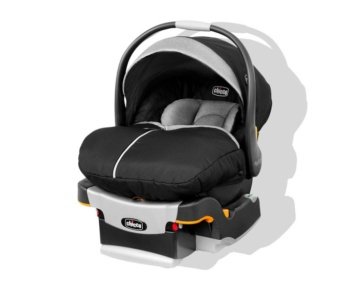
Regular infant car seats come with features designed for safety and convenience. These seats work with strollers but are separate pieces. Parents use both parts during travel and walks.
Understanding these features helps parents choose the right system for their needs. Regular seats have strengths and some challenges worth knowing.
Separate Car Seat And Stroller
Regular infant car seat travel systems have two main parts: the car seat and the stroller. Each piece is used alone or combined. The car seat fits inside the car for safety. The stroller is used outside for carrying the baby.
This setup allows parents to move the baby without waking them. It also lets parents swap strollers or car seats if needed. The system offers flexibility for different situations.
Safety Standards
These car seats meet strict safety rules. They pass crash tests and use strong materials. Most models have side impact protection. The harness system keeps the baby secure and snug.
Parents can trust these seats for daily use. They are made to protect babies during car rides. Safety checks happen regularly to keep standards high.
Installation Methods
Regular infant car seats attach to the car using a base or seat belt. Bases stay in the car for quick seat clicks. Some parents prefer seat belt installation for flexibility.
Installation can be tricky for new parents. Instructions must be followed closely for safety. Many seats have clear labels and guides for correct use.
Weight And Bulkiness
Regular infant car seats tend to be heavy and bulky. Carrying them with a baby inside can be hard. The stroller and seat add extra weight when traveling.
This bulkiness affects ease of use in tight spaces. Parents may find it challenging during quick trips or public transport rides.
Safety Performance Comparison
Safety is the most important factor in choosing an infant car seat travel system. Parents want to protect their babies during every trip. Comparing the safety features of the Doona and regular infant car seat systems helps make a better choice. This section breaks down key safety aspects of both options.
Crash Test Results
Crash tests show how well a car seat protects a baby in an accident. The Doona car seat has passed several safety tests with good results. Regular infant car seat travel systems also meet safety standards. Some models score higher in frontal crash tests. Both types meet required safety rules but differ slightly in test scores.
Side Impact Protection
Side impact crashes can cause serious injuries. The Doona includes extra padding on the sides to protect the baby’s head and body. Many regular car seats offer side impact protection too. Some have deep side wings and energy-absorbing foam. Both systems focus on shielding the baby from side collisions.
Harness And Restraint Systems
The harness keeps the baby secure in the seat. Doona features a 5-point harness that is easy to adjust. Regular infant seats also use 5-point harnesses but may require extra steps to tighten. Both types have strong, durable straps to hold the baby safely. Quick adjustments help ensure a proper fit every time.
Stability In Different Vehicles
Car seats must stay stable during travel. The Doona’s unique design integrates wheels, which may affect stability in some cars. Regular infant car seats use a base that locks firmly into the car seat anchors. Most parents find regular seats more stable across many vehicle types. Proper installation is key to safety for both options.

Credit: bergsbaby.com
Convenience And Usability
Convenience and usability are key factors when choosing between a Doona and a regular infant car seat travel system. Parents want products that make travel and daily outings easier. Simple design, easy handling, and comfort all matter. Both options offer unique benefits in these areas.
Transition Between Car And Stroller
The Doona excels at quick transitions. It combines a car seat and stroller in one unit. Parents can switch from car to walking mode in seconds. No need to carry or attach extra parts. Regular travel systems require detaching the car seat and clicking it into the stroller frame. This can take more time and effort, especially with a fussy baby.
Storage And Handling
Doona’s all-in-one design saves storage space. It folds compactly, fitting easily in small car trunks. Handling is simple as there are fewer parts to manage. Regular travel systems can be bulky. They include separate stroller frames and car seats that need more storage room. Carrying and assembling these parts may be harder for some parents.
Adjustability And Comfort
Regular travel systems often offer more adjustability. Stroller seats can recline fully and have adjustable handles. They allow more customization for child comfort and parent height. Doona provides basic comfort features but fewer adjustment options. It is designed mainly for short walks and quick errands. Both provide good safety and comfort for infants.
Maintenance And Cleaning
Cleaning the Doona is straightforward due to its compact design. Its fabric parts are easy to remove and wash. Regular travel systems have more components, which can make cleaning slower. Stroller seats and car seat covers may require separate cleaning. Both systems use durable fabrics that resist stains and wear with proper care.
Price And Value Analysis
Price matters a lot when choosing between a Doona and a regular infant car seat travel system. Parents want the best for their babies but also need to stay within budget. This section looks closely at costs and value for both options. Understanding these points helps you make a smart choice.
Initial Cost
The Doona car seat costs more upfront. It combines a car seat and stroller in one. Regular travel systems usually cost less but require separate stroller and car seat purchases. Buying parts separately can add up. Doona saves money by including both features in one product.
Longevity And Growth Potential
Regular travel systems often grow with your child. Many strollers and car seats convert to fit toddlers. The Doona is mainly for infants and stops being useful once your child grows. This limits how long you can use it. Regular systems may offer better long-term value.
Additional Accessories
Regular travel systems often need extra accessories. You might buy rain covers, car seat bases, or adapters. These add to the total cost. Doona comes mostly ready to use without many add-ons. This reduces surprise expenses and adds convenience.
Resale Value
Doona seats hold good resale value due to their unique design. Parents who want easy travel seek them out. Regular travel systems may lose value faster as parts wear out. Selling a complete travel system can be tricky if pieces are missing or damaged.
Credit: shop.saferide4kids.com
Parent And Expert Reviews
Parents and experts share valuable insights on Doona and regular infant car seat travel systems. Their reviews help understand the practical benefits and challenges. Many focus on ease of use, safety, and convenience.
These opinions guide new parents in choosing the best option for their needs. Both products have loyal users and specific advantages. Let’s explore what users and experts say.
User Experiences
Parents often praise Doona for its compact design and quick setup. It folds easily into a stroller, saving time and space. Many find it perfect for short trips and city life.
Regular infant car seat systems get high marks for comfort and long-term use. Parents like the option to switch between car seat and stroller frame. It works well for daily walks and longer outings.
Expert Recommendations
Child safety experts highlight Doona’s integrated stroller feature as a plus. They note it meets strict safety standards and is convenient for quick errands. Experts advise checking compatibility with your car model.
Experts often recommend regular travel systems for families needing more versatility. These systems allow upgrades to toddler seats and larger strollers. They suit parents planning extended use from infancy to toddlerhood.
Common Concerns
Some users find Doona heavier than traditional car seats. This can make carrying it for long periods tiring. Others worry about limited stroller size and suspension on rough roads.
Regular travel systems can be bulky and harder to install. Switching parts between car seat and stroller may take extra time. Some parents find storing the full system challenging in small cars.
Preferred Use Cases
Doona fits parents needing a quick, all-in-one solution. It works best for urban families and short trips. Ideal for those who prioritize portability and fast transitions.
Regular travel systems suit families wanting flexible options. They are better for long walks, varied terrains, and growth stages. Great for parents who prefer customizable setups and future upgrades.
Frequently Asked Questions
What Is The Main Difference Between Doona And Regular Car Seats?
Doona is an all-in-one car seat and stroller, while regular seats need separate strollers. Doona offers quick transitions, saving time and space. Regular systems provide more customization but can be bulkier and less convenient for travel.
Are Doona Car Seats Safer Than Regular Travel Systems?
Both Doona and regular car seats meet strict safety standards. Doona’s integrated design reduces installation errors. Regular systems offer various safety features depending on the brand. Always ensure proper installation and use for maximum safety.
Which Is More Convenient For Travel: Doona Or Regular Systems?
Doona is highly convenient for travel due to its compact, foldable design. It eliminates the need for an extra stroller. Regular systems may be bulkier and require separate components, making travel less hassle-free. Convenience depends on personal travel needs.
Can Doona Fit In All Car Models Like Regular Seats?
Doona fits most car models but may not suit all due to size. Regular seats offer a wider range of sizes and compatibility options. It’s important to check car compatibility before purchase to ensure a proper fit.
Conclusion
Choosing between a Doona and a regular infant car seat travel system depends on your needs. The Doona offers a built-in stroller for easy movement. Regular travel systems give more flexibility and choices. Both keep your baby safe during travel.
Think about how often you travel and your budget. Each option has its own advantages. Choose what fits your lifestyle best. Safety and comfort matter most for your little one. Take your time to decide. Your baby deserves the best travel experience.