When you send your child off to school every day, their safety on the bus is probably one of your biggest concerns. You might wonder, “Do kids really need booster seats on a school bus?” This question isn’t just about comfort—it’s about protecting your child during every ride.
Understanding the role booster seats play can help you make the best choice for your family’s peace of mind. Keep reading, and you’ll discover why booster seats could be more important than you think when it comes to your child’s safety on the school bus.
School Bus Safety Basics
School bus safety is very important for every child. Buses are designed to keep kids safe during their ride to school. Understanding the basics helps parents and caregivers feel confident about bus travel. Safety features on school buses work together to protect children from harm.
How School Buses Protect Kids
School buses have strong bodies made to protect children in crashes. Their high seats with padded backs act like seat belts. Drivers are trained to drive carefully and watch for kids at stops. Bright colors and flashing lights make buses easy to see on the road.
Common Safety Features
Buses have flashing red lights to warn traffic when children get on or off. Stop arms extend from the side to block cars from passing. Emergency exits are found at the back and sides for quick escapes. Most buses have mirrors to help drivers see all around the vehicle.
Booster Seats Explained
Booster seats help keep children safe during bus rides. They raise kids up so seat belts fit properly. This reduces the risk of injury in a crash. Understanding booster seats helps parents choose the right option for their child.
Purpose And Benefits
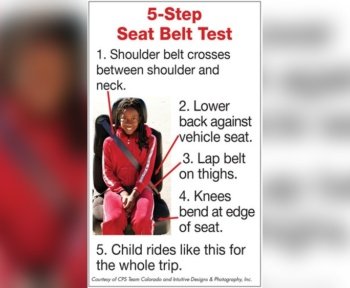
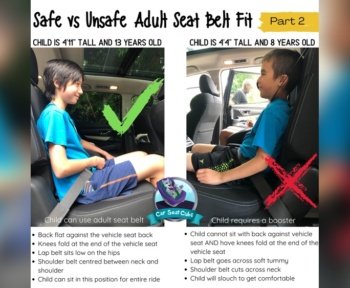
Booster seats lift children so the seat belt fits across the chest and hips. This fit helps the belt protect the child better in accidents. Without a booster, the belt may sit too high on the neck or stomach. This can cause serious injuries.
Using booster seats also improves comfort. Kids feel more secure and less squished. This makes bus rides less stressful for both children and drivers.
Types Of Booster Seats
There are two main types of booster seats: high-back and backless. High-back boosters provide head and neck support. They are good for buses without headrests. Backless boosters are smaller and easier to carry. They work well when the bus seat has a high back.
Some boosters come with extra features like armrests or cup holders. Choosing the right type depends on your child’s size and the bus seat design.
Current Booster Seat Laws
Booster seat laws for school buses vary widely across the country. These laws help protect children during their daily rides. Understanding current rules can guide parents and schools on safety measures. Laws depend on the child’s age, height, and weight. Knowing these details keeps kids safer on every trip.
States set their own rules, which can confuse many families. Federal guidelines offer a basic safety framework. Both state and federal rules work together to protect children. Here is a clear look at these important regulations.
State-by-state Regulations
Each state decides if booster seats are required on school buses. Some states require boosters for younger children only. Others set rules based on a child’s height or weight. A few states do not require booster seats at all on buses.
Many states require children under a certain age to use booster seats. Some states also require seat belts on school buses. These laws aim to reduce injuries during accidents. Parents should check their state laws to stay informed.
Federal Guidelines
Federal safety rules guide school bus design and equipment. These rules do not always require booster seats. Instead, they focus on bus structure and seat design for safety. The National Highway Traffic Safety Administration recommends booster seats for small children.
Federal guidelines encourage states to add booster seat laws. They support using seat belts with booster seats for better protection. The goal is to lower injury risks and save lives. States may adopt these guidelines to improve child safety on buses.
Risks Without Booster Seats
Riding a school bus seems safe. Yet, without booster seats, children face real dangers. Booster seats help seat belts fit children properly. Without them, kids risk serious injuries during accidents or sudden stops.
Seat Belt Fit Issues
Standard seat belts are made for adults. They often sit too high or too low on children. A belt that crosses the neck or face can hurt more in a crash. A loose belt can allow children to slip out. Booster seats lift kids to fit belts correctly. Without boosters, belts fail to protect well.
Injury Statistics
Studies show many children get hurt in bus crashes. Most injuries occur because belts do not fit right. Children under 8 years old are at the highest risk. Booster seats reduce injuries by keeping belts in the right place. Data proves booster use lowers serious injuries on buses.
Challenges Of Using Booster Seats On Buses
Booster seats help keep kids safe in cars. But school buses are different. Using booster seats on buses brings many challenges. These problems make it hard to use boosters on school buses every day.
Space is one big issue. Buses have many seats close together. Booster seats take extra room. This makes fitting all kids difficult. Installation is also tricky. Buses do not have seat belts made for boosters. This creates safety concerns.
Space And Installation
School buses have narrow aisles and tight seats. Booster seats need more space than regular seats. This limits how many children can fit on the bus. Installing boosters is not simple. Most buses have lap belts only. These belts do not secure booster seats well. Proper installation requires special equipment. Many buses do not have this gear. This causes problems for safe booster use.
Cost And Maintenance
Buying booster seats for many children costs a lot. School budgets are often tight. Maintaining these seats adds extra expense. Booster seats need regular checks for damage. Cleaning is harder on a bus than in a car. Damaged or dirty boosters can reduce safety. These costs and care needs make boosters harder to use on buses.
Expert Opinions And Studies
Experts and researchers have studied the need for booster seats on school buses. Their findings help parents and schools make safe choices for children. Understanding these studies shows the real safety benefits and concerns.
Safety Research Findings
Studies show that booster seats can improve child safety in cars. But school buses are different. Their seats have high backs and strong seat belts. Research finds that school bus design already protects children well.
Some tests reveal booster seats may help smaller kids stay in place better. Yet, in crashes, bus seats spread impact forces over a large area. This reduces injury risk without extra restraints. Experts say more research is needed for clear answers.
Recommendations From Authorities
National safety groups usually do not require booster seats on school buses. The National Highway Traffic Safety Administration says buses are safe as they are. They focus on proper seat belt use and bus maintenance.
State rules vary. Some states suggest booster seats for certain ages or sizes. Others do not have clear laws. Schools often follow state guidelines and expert advice. Parents should check local rules and talk to bus drivers or school officials.
Alternatives To Booster Seats
Booster seats are common safety tools for children in cars. But school buses have different needs. Many schools and manufacturers explore other ways to keep kids safe without booster seats. These options focus on better fitting seat belts and added safety features inside the bus.
Improved Seat Belt Designs
New seat belt designs aim to fit children better. Some belts adjust automatically to the child’s height and size. This reduces the need for booster seats. They help keep the belt in the right position on the child’s body. Proper belt fit lowers the risk of injury during accidents.
Some buses use three-point seat belts like cars. These belts go over the shoulder and lap. They provide more protection than simple lap belts. Easy-to-use buckles make it quicker for kids to fasten their seat belts. This encourages more consistent use.
Other Safety Measures
Besides seat belts, buses can have extra safety features. Padded seats soften impacts in crashes. High-backed seats offer support and protection for children’s heads and necks. Bus drivers receive special training to drive safely around children.
Emergency exits and clear instructions help in case of accidents. Some buses install cameras to monitor behavior and ensure safety. These measures work together to protect children without needing booster seats.
Tips For Parents And Schools
Keeping children safe on school buses is important for parents and schools. Both need to work together to protect kids during their rides. This section shares useful tips for choosing safety gear and advocating for safer bus travel.
Choosing The Right Safety Gear
Parents should pick booster seats that fit their child well. The seat must match the child’s height and weight. Look for seats with good safety ratings. Make sure the seat is easy to install on the bus. Schools can help by allowing booster seats on buses. They should check that seats meet safety rules. Proper gear keeps children secure and reduces injury risks.
Advocating For Safer Transport
Parents can talk to school officials about bus safety needs. Requesting booster seats or better seat belts is important. Schools should train bus drivers on safety practices. They can also create policies supporting child safety gear. Community support helps push for safer school bus travel. Together, parents and schools make a stronger case for change.
Frequently Asked Questions
Do Kids Need Booster Seats On A School Bus?
Booster seats are generally not required on school buses. School buses have built-in safety features like high seat backs and compartmentalization that protect children without booster seats.
At What Age Should Kids Use Booster Seats On Buses?
Booster seats are typically recommended for children under 8 years old or under 4 feet 9 inches tall. However, school buses often do not require them due to their unique safety design.
Are Booster Seats Legally Required On School Buses?
Booster seat laws vary by state and district. Most school buses are exempt from booster seat laws because of their federally regulated safety standards.
How Do School Buses Protect Kids Without Booster Seats?
School buses use compartmentalization, with padded, high-backed seats placed close together. This design absorbs crash impact, reducing the need for booster seats.
Conclusion
Booster seats help keep children safer on school buses. They make sure seat belts fit properly. This reduces the risk of injury during sudden stops or accidents. Many states have different rules about booster seats on buses. Parents should know local laws and follow safety advice.
Schools also play a role in protecting kids during bus rides. Choosing the right safety gear shows care and caution. Safety on the bus matters for every child’s well-being. Small steps can make big differences in protection.