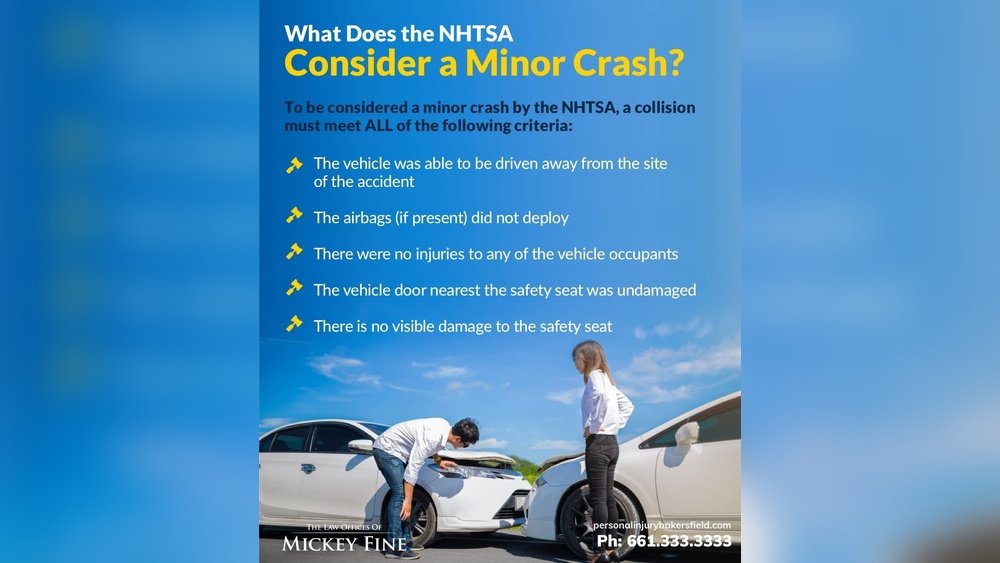
Have you ever wondered if your car seat is still safe after a minor accident? You might think a small bump won’t cause any damage, but when it comes to your safety, can you really take that risk?
Your car seat plays a crucial role in protecting you and your loved ones every time you drive. This article will help you understand when it’s necessary to replace your car seat and how to make the best decision for your peace of mind.
Keep reading—your safety depends on it.
Assessing Seat Damage
After a minor accident, assessing your car seat damage is important. The seat might look fine but have problems inside. Knowing what to check helps you decide if replacement is necessary. This section guides you through signs of damage and when to ask for expert help.
Signs Of Visible Damage
Look closely at the seat cover for tears or holes. Check for broken stitching or loose fabric parts. Notice any dents or cracks in the plastic parts around the seat. Make sure the seat frame is not bent or twisted. Visible damage can mean the seat needs repair or replacement.
Hidden Structural Issues
Damage is not always easy to see. The internal frame might be cracked or weakened. Seat belts and their anchors could be damaged too. Padding and springs inside the seat may lose strength. These hidden problems reduce safety during a crash.
When To Seek Professional Inspection
Experts can find damage you might miss. A professional inspection ensures the seat is safe. They use tools to check the frame and belt systems. After an accident, getting a professional opinion is smart. It protects you and your passengers on the road.

Credit: saferide4kids.com
Safety Risks Of A Compromised Seat
A car seat plays a crucial role in protecting passengers during a crash. Even a minor accident can weaken the seat without clear signs. A compromised seat might not keep you safe in the next crash.
Damage to the seat structure affects safety features. It changes how the seat works with belts and airbags. This can increase injury risk in future accidents.
Impact On Seatbelt Functionality
The seatbelt depends on a strong seat to hold you in place. A damaged seat may cause the belt to loosen or fail. This reduces its ability to stop your body during a crash.
Seatbelt anchors could bend or break after impact. Weak anchors make the seatbelt less reliable. This puts passengers at higher risk of injury.
Airbag Deployment Concerns
Airbags work with the seat to protect you. A seat that shifts or bends might affect airbag timing. Airbags could deploy too early or too late.
Incorrect airbag deployment can cause serious injuries. A damaged seat may interfere with sensors that trigger airbags. This lowers the overall protection for passengers.
Potential For Injury In Future Collisions
A weakened seat cannot absorb crash forces properly. This increases the chance of injury during a collision. Broken parts inside the seat may fail to support the body.
Even small cracks or bends in the seat frame can cause harm. The seat might collapse or move unexpectedly in a crash. Safety systems need a solid seat to work well.
Manufacturer Guidelines
After a minor accident, understanding the manufacturer guidelines is important before deciding to replace a car seat. These guidelines help you know if the seat is still safe or if it needs to be replaced. Manufacturers provide clear instructions to protect your child and keep the seat effective.
Checking The Owner’s Manual
The owner’s manual is the first place to check after an accident. It often tells you what to do if the car seat was involved in a crash. Some manuals clearly state that any seat in a crash must be replaced, even if damage is not visible. Others might have different rules based on the accident’s severity. Reading the manual gives exact advice for your seat model.
Recommendations From Car Seat Makers
Car seat makers usually recommend replacing the seat after any crash. They explain that hidden damage can weaken the seat’s safety. Some manufacturers offer specific guidelines for minor accidents or low-speed impacts. Following these recommendations helps ensure your child’s safety and the seat’s reliability.
Recalls And Safety Notices
Always check for recalls or safety notices related to your car seat. Manufacturers update these notices to fix safety issues. Recalls might change the rules about seat replacement after accidents. Staying informed about recalls keeps your car seat safe and up to date.
Legal And Insurance Considerations
Legal and insurance issues matter after a minor car accident. These aspects guide your next steps about car seat replacement. Knowing your rights and obligations helps in safe and lawful vehicle use.
Insurance Claims And Repairs
Insurance companies may cover seat repairs or replacement. Claim approval depends on the damage extent and policy terms. Report the accident quickly to start the process.
Keep photos and notes about the accident and damages. An adjuster may inspect your vehicle to verify the claim. Follow the insurer’s instructions to avoid claim denial.
Legal Requirements For Vehicle Safety
State laws often require safe and functional car seats after an accident. Using a damaged seat can lead to fines or failed inspections. Check local laws for specific rules on seat replacement.
Ensure the replacement seat meets safety standards. Certified parts and professional installation keep you legal and safe. Unsafe repairs may void your insurance coverage.
Documentation For Seat Replacement
Keep all documents related to the accident and repairs. Receipts, inspection reports, and insurance papers prove the seat’s condition. These documents help in future insurance claims or legal issues.
Record the replacement date and installer details. Proper documentation protects you during traffic stops or accidents. It shows you took necessary safety steps.
Cost Vs. Safety: Repair Or Replace
Deciding between repairing or replacing a car seat after a minor accident involves weighing costs against safety. The choice affects your protection and budget. Understanding repair options, costs, and safety benefits helps in making the right decision. Here is a breakdown to guide you.
Evaluating Repair Options
Minor damage can sometimes be fixed with a repair. Upholstery tears or small frame bends are often repairable. A professional can assess if the seat’s structure remains strong. Repairing may restore comfort and look. Yet, safety parts like airbags or seatbelt mounts might need full replacement.
Cost Analysis Of Replacement Seats
Replacement seats cost more upfront than repairs. Prices vary by car model and seat type. Used seats offer a cheaper option but come with unknown history. New seats guarantee safety but can be expensive. Consider labor costs for installation too. Budgeting helps balance immediate expenses and long-term value.
Long-term Safety Benefits
Safety is the top priority after an accident. A damaged seat may fail in another crash. Replacement seats meet safety standards and provide reliable protection. Repairs might not restore full strength or safety features. Investing in a new seat reduces risk for you and passengers. Think about peace of mind and future safety.

Credit: saferide4kids.com
Steps To Take After A Minor Accident
After a minor car accident, knowing the right steps to take is important. Acting quickly helps keep you safe and protects your rights. The car seat might look fine but could be damaged. Checking it carefully is a smart move.
Immediate Inspection Tips
Check the car seat for any visible damage. Look for cracks, tears, or broken parts. Test the seatbelt and buckle to see if they work well. Sit on the seat to feel for any strange movements. Use a flashlight to see hidden damage under the seat. Note any changes in how the seat feels or looks.
When To Contact Professionals
Call a car safety expert if you see any damage. They can check the seat more deeply. A professional can tell if the seat must be replaced. Contact your insurance agent to report the accident. They may send an inspector to your car. Keep professionals involved to avoid future safety risks.
Maintaining Records And Reports
Write down details about the accident and the seat check. Take photos of the car seat and any damage. Save all repair bills and insurance papers. Keep a copy of the police report if you have one. These records help with insurance claims and repairs. Store all documents in a safe place for easy access.
Credit: www.chiccousa.com
Frequently Asked Questions
Do I Need To Replace My Car Seat After A Minor Accident?
Not always. Inspect the seat for visible damage or deformation. If safety features like airbags or seatbelts are compromised, replacement is necessary.
How Can I Check If My Car Seat Is Safe After Impact?
Look for cracks, broken frames, or loose parts. Test seatbelt functionality and airbag sensors. If unsure, consult a professional for a thorough safety check.
Will Insurance Cover Car Seat Replacement After A Minor Accident?
Coverage depends on your policy and accident severity. Review your insurance terms or contact your provider to confirm if seat replacement costs are included.
Can A Minor Accident Affect Car Seat Airbags?
Yes, airbags integrated into seats may deploy or malfunction during impact. After any accident, have airbags inspected to ensure they function properly.
Conclusion
A minor accident can still affect your car seat’s safety. Check the seat carefully for any damage. Cracks, broken parts, or loose straps mean replacement is needed. Safety should always come first on the road. Don’t risk using a seat that might fail.
A new seat keeps you and your passengers protected. When unsure, ask a professional for advice. Staying safe is worth the extra care. Your peace of mind matters most after any crash.