Have you ever faced the challenge of your child refusing to use their booster seat because they feel too embarrassed? It’s frustrating and worrying at the same time.
You want to keep your child safe, but they just don’t want to cooperate. You’re not alone, and there are simple ways to handle this tricky situation. Keep reading to discover practical tips that will help your child feel confident and comfortable using their booster seat every time.
Reasons Kids Avoid Booster Seats
Many children refuse to use booster seats. Parents often wonder why kids avoid these safety tools. Understanding the reasons helps parents support their kids better. Kids have feelings and worries that adults may miss. These feelings affect their willingness to sit in booster seats.
Fear Of Looking Different
Kids want to fit in with their friends. Using a booster seat may make them feel different. They worry others will tease or laugh at them. This fear of standing out can stop them from using the seat. Feeling normal is very important to children.
Desire For Independence
Children want to show they can do things alone. Sitting in a booster seat feels like being a baby. Kids want to prove they are growing up. Saying no to booster seats is a way to assert control. This desire for independence can cause resistance.
Discomfort Or Fit Issues
Booster seats may feel uncomfortable for some children. The seat might not fit their size well. Hard edges or straps can irritate their skin. Uncomfortable seats make kids avoid sitting in them. A good fit is key for comfort and safety.
Safety Risks Of Skipping Booster Seats
Skipping booster seats can cause serious safety risks for children. Booster seats help position the seatbelt correctly on a child’s body. Without this proper fit, seatbelts may not protect children during a crash. Parents must understand these dangers to keep their kids safe on the road.
Proper Seatbelt Positioning
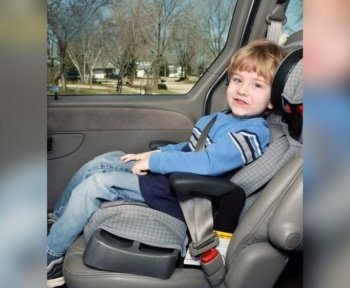
Booster seats lift children so seatbelts fit right. The lap belt sits low on the hips, not the stomach. The shoulder belt crosses the chest, not the neck or face. Without a booster, the belt may cause injury or fail to restrain properly.
Increased Injury Risk
Children without boosters have a higher chance of injury in crashes. Seatbelts meant for adults can hurt a child’s stomach or neck. This can cause serious harm during sudden stops or accidents. Booster seats reduce this risk by keeping kids safer.
Legal Requirements
Many places require children to use booster seats by law. The rules set age, height, or weight limits for booster use. Not following these laws can lead to fines or penalties. More importantly, these laws protect children’s safety in cars.
How To Encourage Booster Seat Use
Getting a child to use a booster seat can be tough if they feel embarrassed. Parents need gentle ways to help kids accept this safety step. Encouraging booster seat use takes patience and clear guidance. The goal is to make the child feel confident and safe, not pressured.
Involve Kids In Choosing Seats
Let your child pick their booster seat. Show them several options with fun colors or designs. Kids feel proud when they make choices. This helps them want to use the seat more. It turns the booster seat into something personal and special.
Use Positive Reinforcement
Praise your child each time they use the booster seat. Say things like “Great job buckling up!” or “You look so safe!” Small rewards can help too. Stickers or extra playtime work well. Positive attention makes them feel good about the seat.
Set Clear Rules And Expectations
Explain why booster seats are important. Use simple words that your child understands. Make clear rules like “Booster seat every car ride.” Stay firm and calm about these rules. Consistency helps children accept the booster seat as normal.
Making Booster Seats More Appealing
Making booster seats more appealing helps children feel comfortable and happy. A child who likes their seat is more likely to use it without fuss. Parents can try different ways to make the booster seat a fun and cozy place. This section explores simple ideas to help children enjoy their booster seats.
Comfort And Design Options
Choose booster seats with soft cushions and good back support. A comfortable seat feels nice for long rides. Look for seats with breathable fabric to keep kids cool. Some seats come in bright colors or cool patterns. These options catch a child’s eye and make the seat look less boring.
Personalizing The Seat
Let the child add their name or favorite stickers to the seat. Personal touches make the seat feel special and unique. Use removable decorations to change the look anytime. Personalizing gives kids a sense of ownership. They feel proud to use a seat that looks like theirs.
Incorporating Fun Elements
Add small toys or pockets for snacks on the booster seat. Fun elements keep children busy and relaxed during trips. Some seats have built-in cup holders or trays for drawing. These features turn the booster seat into a fun space. Kids enjoy sitting there and forget about feeling embarrassed.
Role Of Parents And Caregivers
Parents and caregivers play a key role when a child refuses to use a booster seat. Their actions shape the child’s attitude toward safety. Patience and understanding help guide children through their fears and embarrassment. Consistent support builds trust and encourages good habits early on.
Modeling Good Behavior
Children learn a lot by watching adults. When parents use seat belts and booster seats, children see safety as normal. This example makes children more likely to follow the rules. Show excitement about safety gear to make it less scary.
Communicating Safety Importance
Talk about why booster seats protect children during rides. Use simple words to explain how seats keep them safe. Avoid scary stories. Focus on keeping them safe and comfortable. Repeat these messages often to help the child understand.
Handling Resistance Calmly
Children may say no or feel shy about booster seats. Stay calm and patient. Listen to their feelings without arguing. Offer gentle encouragement and praise small steps. Avoid forcing, which can create fear or anger. Calm conversations build trust and help children accept booster seats.
When To Transition Out Of Booster Seats
Knowing when to transition out of booster seats is important for your child’s safety. Children need proper support to keep seat belts in the right place. Moving too early or too late can cause risks during travel. This section explains key signs and rules for making the change safely.
Height And Weight Guidelines
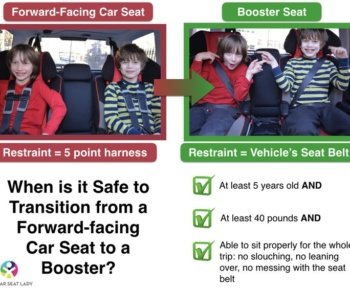
Booster seats have limits for height and weight. Most children use boosters until they reach about 4 feet 9 inches tall. Weight limits usually range from 40 to 100 pounds. Check your booster seat’s manual for exact numbers. Follow these guidelines to keep your child safe.
Signs Your Child Is Ready
Your child may be ready to stop using a booster seat if the seat belt fits properly. The belt should lie flat across the upper thighs, not the stomach. The shoulder belt must cross the chest and shoulder, not the neck or face. Your child should sit comfortably without slouching or leaning forward.
Ensuring Continued Safety
Even after leaving the booster, keep your child safe by buckling up correctly every time. Teach your child to sit still and wear the seat belt properly. Use car seats or boosters for younger children until they meet height and weight rules. Safety always comes first on every trip.
Frequently Asked Questions
Why Does My Child Refuse Booster Seats?
Children may refuse booster seats due to embarrassment or feeling different from peers. They might want to appear “grown-up” and avoid attention. Understanding their feelings can help parents gently encourage booster seat use for safety without causing shame or discomfort.
How Can I Make Booster Seats Less Embarrassing?
Involve your child in choosing a fun booster seat design. Praise them for using it and explain its safety benefits clearly. Using positive reinforcement and making booster seats a normal part of the routine reduces embarrassment and encourages consistent use.
When Is A Child Too Old For A Booster Seat?
Children typically transition out of booster seats between ages 8 and 12. They should be tall enough for the seatbelt to fit properly without a booster. Safety experts recommend booster use until the adult seatbelt fits correctly to ensure optimal protection.
What Are Safety Risks Without Booster Seats?
Without booster seats, seatbelts may not fit properly, increasing injury risk during crashes. A booster seat ensures the seatbelt rests on strong bones, protecting vital areas. Using booster seats significantly reduces the chance of serious injury in car accidents.
Conclusion
Helping a child feel comfortable using a booster seat is key. Talk kindly about safety and how the seat helps protect them. Let them choose their seat or add fun accessories. Praise small steps and be patient with their feelings.
Safety matters more than embarrassment. Keep trying with love and understanding. This will help your child feel safe and confident during every car ride.