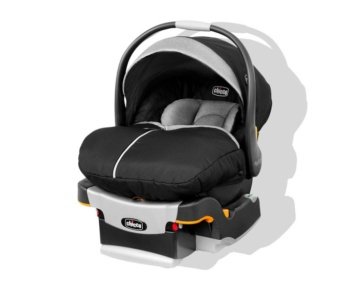
Are you wondering if it’s safe or even allowed to put your infant’s car seat in the front seat of your truck? You’re not alone.
Many parents face this question when they want to keep their little one close or need extra space in the back. But before you make this choice, it’s important to understand the risks and rules involved. Keep reading to discover what experts say, what the law requires, and how to keep your baby as safe as possible on every trip.
Your child’s safety depends on the right information—and we’re here to give it to you.
Risks Of Front Seat Placement
Placing an infant car seat in the front seat of a truck carries serious risks. The front seat is not designed for young children. Airbags and the dashboard can cause harm in a crash.
Many safety experts warn against this practice. It is safer to keep infants in the back seat. The back seat offers better protection from impact and airbags.
Airbag Danger For Infants
Airbags deploy with great force. This force can injure or even kill a baby. The airbag hits the infant’s head and chest first. The impact can cause severe injuries.
Crash Impact Risks
The front seat is closer to the point of impact. This position increases injury risk during a crash. The infant car seat may not absorb the shock well. The baby faces greater danger in front seat crashes.
Improper Seat Belt Use
Seat belts in the front may not fit an infant seat correctly. Incorrect installation reduces the seat’s effectiveness. Loose or tight belts can cause the seat to move. This movement puts the baby at risk.
Legal Restrictions
Laws often forbid placing infants in the front seat. These rules aim to protect children. Violating these laws can lead to fines and penalties. Following legal guidelines ensures better safety for your child.
Airbag Dangers For Infants
Airbags protect adults in car crashes, but they can hurt infants badly. These airbags inflate with great force. This force can cause serious injury to a baby in a car seat.
Infant car seats are designed to be used in the back seat. Placing them in the front seat puts infants close to airbags. This is very dangerous for small children.
Why Are Airbags Dangerous For Infants?
Airbags deploy quickly and with strong pressure. A baby’s head and neck are very fragile. The airbag’s force can cause head trauma or broken bones. Infants cannot brace themselves during airbag deployment.
How Airbags Affect Infant Car Seats
Airbags open near the dashboard or steering wheel. An infant car seat in the front seat is in the airbag’s path. The sudden impact can push the car seat hard. This can damage the seat or harm the baby inside.
Safety Guidelines For Infant Car Seat Placement
Experts recommend placing infant car seats only in the back seat. The back seat is the safest spot away from airbags. This reduces the risk of injury in crashes. Always follow your vehicle’s manual and safety rules.
Truck Seat Design And Safety
Truck seat design plays a key role in child passenger safety. Truck seats differ from car seats in shape and function. These differences affect where and how to install an infant car seat safely.
Understanding truck seat design helps parents make safer choices. The front seat of a truck often has airbags and less space. These factors can increase risks for infants in car seats.
Front Seat Airbags And Infant Safety
Most trucks have airbags in the front seat. Airbags deploy with force during a crash. This force can harm an infant in a car seat. Experts advise against placing infant seats in front of active airbags.
Seat Belt And Latch System Compatibility
Truck seats may lack LATCH anchors in the front seat. LATCH anchors secure car seats firmly. Without them, seat belts must hold the infant seat tightly. Some trucks have seat belt designs that do not fit all car seats well.
Space And Seat Shape Considerations
Truck front seats can be narrow or slanted. This shape can make car seat installation tricky. Limited space may reduce the infant’s comfort and safety. Rear seats usually offer more room and better angles.
Legal Regulations On Car Seat Placement
Legal rules about where to place an infant car seat protect children’s safety. These laws vary by state and country. Knowing these rules helps parents avoid fines and keeps babies safe.
Most places require infants to ride in the back seat. This reduces injury risk during crashes. The front seat often has airbags that can harm babies.
National Laws On Infant Car Seat Placement
In many countries, laws say infants must be in the back seat. This is the safest spot in any vehicle, including trucks. Placing a car seat in the front seat is usually illegal for children under a certain age or weight.
State-specific Rules For Trucks
Some states have special rules for trucks. They may allow front seat use if the truck has no back seat. Even then, airbags must be turned off. Always check local rules before placing a car seat in a truck’s front seat.
Penalties For Breaking Car Seat Laws
Breaking these laws can lead to fines or tickets. More importantly, it increases the risk of injury for the child. Police enforce these rules strictly to protect young passengers.
Manufacturer Recommendations
Manufacturer recommendations guide the safest way to use infant car seats. These rules help protect babies from injury during travel. Most manufacturers provide clear instructions about where to place the car seat in a vehicle. Following these rules lowers the risk of harm in an accident.
Many infant car seat makers advise against placing the seat in the front seat of a truck. This is mainly due to airbags and the risk they pose. Airbags deploy with great force, which can seriously injure a baby in a car seat. The back seat is often the safest place for an infant car seat.
Rear Seat Placement
Manufacturers strongly recommend installing infant car seats in the rear seat. This area is farther from airbags and reduces injury risk. The middle rear seat is often best, away from doors and side impacts. Always check the vehicle’s manual for specific placement advice.
Airbag Warnings
Many infant car seat manuals include warnings about airbags. Airbags can cause severe injury if a car seat is in the front seat. Some manufacturers forbid front seat installation if there is an active airbag. Deactivating the airbag may be an option but always follow manufacturer guidance.
Installation Instructions
Each car seat comes with detailed installation instructions. These include how to secure the seat and adjust the straps. Correct installation is crucial to keep the infant safe. Manufacturers stress reading and following these instructions carefully every time.

Credit: www.youtube.com
Proper Installation Techniques
Proper installation of an infant car seat in the front seat of a truck is critical for safety. The right methods ensure the seat stays secure and protects your child in case of a crash. Every step matters to keep the infant safe.
Follow clear instructions from the car seat and truck manuals. Each vehicle and seat model has unique requirements. Correct installation reduces risks and increases comfort for the baby.
Choosing The Correct Seat Position
Place the car seat in the truck’s front seat only if no rear seats are available. Position it as far back as possible from the dashboard. This distance helps protect the infant from airbag impact. The safest spot is usually the center of the back seat, but trucks often lack this space.
Using The Seat Belt Or Latch System
Secure the car seat using either the seat belt or the LATCH system. Check which method the truck supports. Lock the seat belt tightly to prevent movement. The seat should not shift more than one inch side to side or front to back. Always follow the car seat’s instructions for your chosen method.
Adjusting The Recline Angle
Set the car seat at the correct recline angle to keep the infant’s airway open. Most seats have an angle indicator to help. Too upright or too reclined positions can be unsafe. Adjust the seat to the recommended angle before driving.
Securing The Infant Harness
Fasten the harness snugly around the infant. The straps should lie flat without twists. The chest clip must be at armpit level. Proper harness adjustment prevents the baby from slipping out or moving too much in a crash.
Alternatives To Front Seat Installation
Placing an infant car seat in the front seat of a truck is often unsafe. Many parents seek safer options to protect their babies. Exploring alternatives to front seat installation helps keep children secure during travel.
These alternatives focus on safety rules and proper seat placement. They follow expert guidelines and legal requirements. Parents gain peace of mind knowing their child is well-protected.
Rear Seat Installation
The safest place for an infant car seat is the rear seat. It reduces risk in case of a crash. Most trucks have a rear bench or jump seat suitable for car seats. Always use the vehicle’s seat belt or LATCH system to secure the seat tightly.
Using A Truck With A Rear Seat
Choose trucks with a rear seat if possible. Many modern trucks have spacious back seats. This space allows proper installation of infant car seats. Rear seats also keep children away from airbags that can be dangerous.
Installing On The Passenger Side Of Rear Seat
Install the infant car seat on the passenger side rear seat. This spot is easier to reach from the curb. It helps protect the child from traffic when loading and unloading. Make sure the seat is firmly installed without movement.
Utilizing A Car Seat Base
Use a car seat base to simplify installation. The base stays in the vehicle, making it easy to click the seat in and out. This method ensures the car seat is always installed correctly. It also saves time during travel.

Credit: theclarklawoffice.com
Common Mistakes To Avoid
Placing an infant car seat in the front seat of a truck involves risks. Many parents make simple errors that could harm their child. Knowing these common mistakes helps keep your baby safe.
Understanding what not to do is key. Avoid these errors to protect your infant during every trip.
Incorrect Airbag Awareness
Never install an infant car seat where the airbag is active. Airbags can cause serious injury to babies in crashes. Always check if the front passenger airbag can be turned off.
Wrong Seat Positioning
Facing the car seat forward is unsafe for infants. Always use a rear-facing position in the front seat, but only if no rear seats are available. Check your truck’s manual for specific guidance.
Loose Installation
Ensure the car seat is tightly secured. A loose seat can move during a sudden stop, putting your child at risk. Use the seat belt or LATCH system properly to lock the seat in place.
Ignoring Manufacturer Instructions
Each car seat has specific rules. Read and follow the instructions carefully. Ignoring them can lead to incorrect installation and danger.
Failing To Adjust Harness Correctly
The harness must fit snugly on the baby. Too loose or too tight straps reduce safety. Adjust the straps every time you use the car seat.
Tips For Securing Infant Seats In Trucks
Securing an infant car seat in a truck requires special care. Trucks have different seat designs and space limits. Proper installation keeps your baby safe and comfortable.
Follow these tips to make sure the infant seat is stable and secure in your truck.
Check The Truck’s Seat Belt System
Use the truck’s seat belt to fasten the infant seat tightly. Make sure the belt locks firmly. Avoid any slack or loose straps.
Use The Latch System If Available
Look for LATCH anchors in your truck’s back seat. They provide extra security for the car seat. Follow the car seat manual to attach the anchors correctly.
Position The Seat Properly
Place the infant seat rear-facing in the truck’s back seat. The back seat is safest for children under 13 years. Avoid placing the seat in the front passenger seat.
Adjust The Seat Angle
Set the infant seat at the right angle. A 30 to 45-degree recline helps prevent the baby’s head from falling forward. Use a level indicator if your seat has one.
Tighten The Seat Securely
Push down on the infant seat while tightening straps. The seat should not move more than one inch side to side or front to back. Double-check all attachments before driving.
Emergency Situations And Infant Safety
Emergency situations can happen without warning. Keeping an infant safe during such times is very important. The front seat of a truck may seem like a quick option for placing an infant car seat. Yet, safety rules must guide every choice. Understanding risks and proper actions helps protect your baby.
Risks Of Placing Infant Car Seat In Front Seat
The front seat often has airbags that can hurt babies. In a crash, airbags open with great force. This force can injure an infant in a car seat. Trucks have larger airbags, increasing the risk. Experts advise against placing infant car seats in front seats.
When Emergency Situations Require Quick Action
Sometimes, emergencies force quick decisions. Moving an infant car seat to the front might seem necessary. Still, it is best to avoid this unless no other option exists. Always secure the car seat tightly and face it rearward. Rear-facing seats provide better protection for infants.
Safer Alternatives During Emergencies
Keep the infant car seat in the back seat whenever possible. The back seat is the safest spot for children under 13. In trucks, the middle of the back seat offers extra safety. If the back seat is unavailable, find a spot away from airbags. Use the truck’s seat belt or LATCH system to secure the seat firmly.

Credit: www.eecusa.com
Frequently Asked Questions
Can You Place An Infant Car Seat In A Truck’s Front Seat?
Most safety experts advise against placing an infant car seat in the front seat of a truck. Airbags can seriously harm babies during a crash. Rear seats are safer for infant car seats.
Why Is The Back Seat Safer For Infant Car Seats?
The back seat is farther from airbags and front collisions. This reduces risk of injury for infants. It is the recommended spot by safety organizations.
Are Airbags Dangerous For Infants In The Front Seat?
Yes, airbags deploy with great force. They can cause serious injury to small children. Infants should never ride near active airbags.
Can I Legally Put An Infant Car Seat In A Truck’s Front Seat?
Laws vary by state, but many forbid infants in front seats with airbags. Check local rules before placing a car seat there. Safety always comes first.
What If My Truck Has No Back Seat?
If no rear seat exists, use the front seat but deactivate airbags if possible. Read your vehicle manual for instructions. Always secure the car seat properly.
How Should I Install An Infant Car Seat In A Truck?
Follow the car seat manual and truck owner’s guide carefully. Use LATCH or seat belts tightly. The seat should not move more than one inch side to side.
When Can My Child Move To The Front Seat Safely?
Children should stay in rear seats until at least age 13. This keeps them away from front airbags. Safety experts strongly recommend this rule.
Conclusion
Placing an infant car seat in the front seat of a truck is not safe. Airbags can harm a baby in a crash. The back seat is the safest place for children. Always follow the car seat and truck manuals.
Check local laws about child car seat rules. Safety should be the top priority for every trip. Keep your baby secure and protected at all times. Small steps make a big difference in safety.