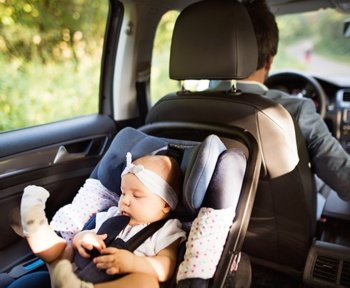
Are you wondering if your 3-year-old can still ride rear facing in their car seat? You’re not alone.
Many parents ask this question because they want to keep their child as safe as possible. Rear facing seats offer the best protection for little ones, but you might be unsure about when it’s time to switch. You’ll discover the important facts and expert advice to help you make the right choice for your child’s safety.
Keep reading to learn how to protect your toddler on every trip.

Credit: sportcafehuelva.com
Rear Facing Benefits
Rear facing car seats offer many benefits for young children. They protect the head, neck, and spine better during crashes. Experts recommend keeping children rear facing as long as possible. This is especially true for toddlers around three years old. The design of rear facing seats helps absorb crash forces and reduce injury risks.
Parents often wonder if a 3 year old can still ride rear facing. The answer depends on the child’s size and the car seat’s limits. Many modern car seats support rear facing up to 40 pounds or more. This allows toddlers to stay rear facing safely beyond their second birthday.
Why Rear Facing Is Safer
Rear facing seats support the child’s head and neck fully. In a crash, the seat moves with the child’s body. This spreads the crash forces across the entire back. It prevents the neck from snapping forward violently. Front facing seats do not offer this level of support.
Children’s bones and muscles are still soft and developing. Rear facing seats help protect these fragile areas. Studies show rear facing reduces serious injuries by up to 75%. That is a huge difference in protection.
Impact On Child’s Safety
Staying rear facing longer keeps children safer in real crashes. The risk of head and spinal injuries drops significantly. Toddlers who ride rear facing have better chances of walking away unharmed.
Rear facing also helps in side impacts and sudden stops. The child’s entire back acts as a shield. It keeps them in a safer position until the vehicle stops. This added protection can save lives and prevent lifelong injuries.
Age And Weight Limits
Age and weight limits play a key role in deciding if a 3 year old can still ride rear facing. Car seats have specific rules to keep children safe. These rules depend on the child’s size and the seat’s design. Understanding these limits helps parents make the best choice for their child’s safety.
Manufacturer Guidelines
Each car seat brand sets its own age and weight rules. Many rear-facing seats support children up to 40 pounds or more. Some allow kids to stay rear facing until age 3 or beyond. Always read the car seat manual carefully. It shows the exact limits for your seat model. Staying within these limits is very important for safety.
Legal Requirements By Region
Different places have different laws about rear-facing seats. Some regions require children to ride rear facing until age 2. Others focus on weight or height limits instead. Knowing your local law helps you follow the safest practice. Laws protect children and guide parents on when to switch seats.
Signs Your Child Is Ready To Switch
Deciding when a 3-year-old can switch from a rear-facing car seat is important for safety. Parents should watch for clear signs that show their child is ready. These signs help ensure the child stays protected while traveling.
Physical Growth Indicators
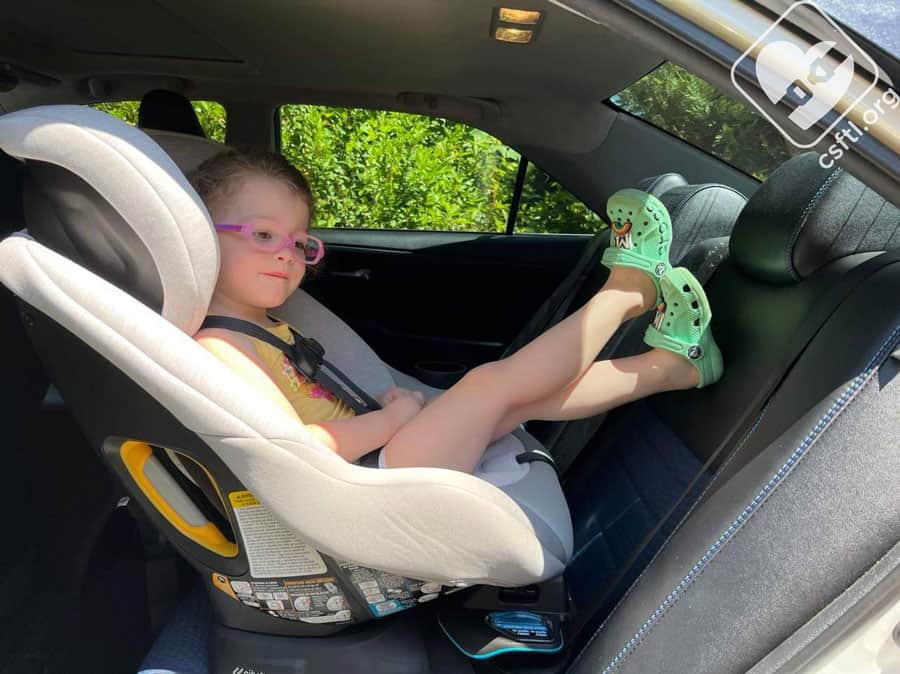
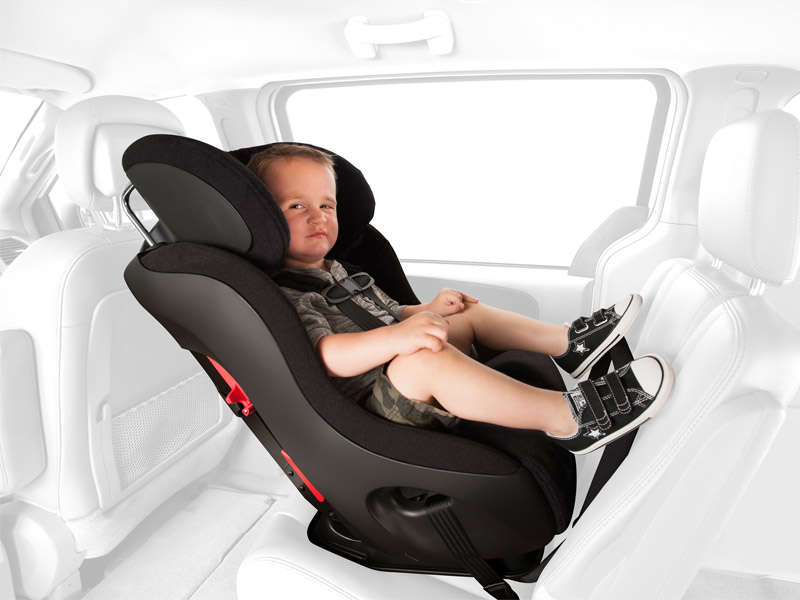
Check your child’s height and weight first. Most car seats have limits for rear-facing use. If your child is too tall or heavy, it might be time to switch. Also, notice if their head is close to the top of the seat. This means less protection in a crash. Leg length matters too. Long legs that bend awkwardly might mean your child is ready for a forward-facing seat.
Behavioral Readiness
Observe how your child behaves during rides. If they try to turn around or struggle in the seat, they may be ready to change. A child who can sit still and follow simple instructions is better prepared for a forward-facing seat. Comfort is key. If your child looks uncomfortable or restless, consider switching. Safety and comfort go hand in hand.
Credit: www.mithiagioielli.com
Choosing The Right Car Seat
Choosing the right car seat for a 3-year-old is important. Safety and comfort matter most. A proper seat can protect your child in an accident. It also keeps them comfortable on every ride.
Many parents ask if a 3-year-old can still ride rear facing. The answer depends on the car seat type and your child’s size. Rear facing seats offer better protection for young kids. Picking the right seat helps keep your child safe longer.
Types Of Rear Facing Seats
There are three main types of rear facing car seats. Infant seats fit babies up to about 1 year old. They are small and easy to carry. Convertible seats switch from rear to forward facing. They fit children from infancy to 3 or 4 years old. Extended rear facing seats allow kids to stay rear facing longer. Some seats support children up to 40 pounds or more. Check weight and height limits before buying.
Features To Look For
Look for a car seat with strong safety ratings. Five-point harnesses hold your child securely. Adjustable headrests help fit the seat as your child grows. Side impact protection adds extra safety in crashes. Seats with easy installation reduce mistakes. Some have removable covers for easy cleaning. Choose a seat that fits your vehicle well. Comfort features help your child enjoy the ride.
Installation Tips
Installing a rear-facing car seat for a 3-year-old needs care and attention. Proper installation keeps your child safe and comfortable during rides. Follow these simple steps to ensure the seat fits well and works correctly.
Proper Seat Positioning
Place the car seat in the back seat of your car. The middle position is safest if it fits well. Make sure the seat is at the right angle. Too flat or too upright can be unsafe. Most seats have an angle indicator. Use it to adjust the tilt properly. The seat should not move more than one inch side to side or front to back.
Securing The Harness
Check the harness straps for twists before buckling. The straps should lie flat and snug on your child. Position the harness at or below your child’s shoulders. Buckle the harness and chest clip securely. The chest clip must be at armpit level. Tighten the straps until you cannot pinch any slack. This keeps your child safe and secure during the ride.
Common Mistakes To Avoid
Keeping a 3-year-old rear facing in a car seat is safer. Many parents make mistakes that reduce this safety. Knowing what to avoid helps keep children protected. Below are common errors to watch out for.
Incorrect Harness Use
Harness straps must fit snugly. Loose straps can cause injury in a crash. The chest clip should be at armpit level. Too low or too high reduces protection. Check straps every trip to ensure proper fit.
Many parents forget to tighten straps after adjusting clothes. Bulky jackets under the harness can cause a loose fit. Remove thick clothing before strapping your child in. This ensures the harness works correctly.
Premature Forward Facing
Turning a child forward facing too soon is common. Many switch once the child turns 2 or reaches a certain height. Experts recommend keeping children rear facing until at least age 3.
Rear facing supports the head, neck, and spine better in a crash. Forward facing too early increases injury risk. Follow your car seat’s weight and height limits closely. Wait to turn the seat forward until your child meets these limits.
Additional Safety Measures
Additional safety measures improve the protection of a 3 year old riding rear facing. These steps help secure the car seat and reduce injury risks. Parents and caregivers should focus on maintenance and proper installation techniques.
Regular Seat Inspections
Check the car seat often for any damage or wear. Look for cracks in plastic parts or torn straps. Ensure the harness and buckles work smoothly. Clean the seat according to manufacturer instructions to keep it in good condition. Regular inspections catch problems before they become dangerous.
Using Tether And Latch Systems
Use the tether strap if the car seat allows it. This strap adds extra stability during sudden stops. The LATCH system helps secure the car seat tightly to the vehicle. Always follow the car seat manual to connect these systems correctly. Proper use of tether and LATCH reduces seat movement and improves safety.
Credit: www.matlensilver.com
Resources For Parents
Parents want the best for their children’s safety. Choosing the right car seat and using it correctly can be confusing. Good resources help parents learn the rules and check their car seats. Here are some trusted sources for parents to find support and information.
Safety Organizations
Safety organizations provide clear guidelines on car seat use. They offer facts about rear-facing seats for young children. These groups update parents on laws and safety standards. Examples include the National Highway Traffic Safety Administration and the American Academy of Pediatrics. Their websites have easy tips and videos for parents. Following their advice helps keep kids safe on every trip.
Car Seat Inspection Stations
Car seat inspection stations give hands-on help to parents. Trained experts check if seats are installed properly. They teach parents how to adjust straps and position the seat. Many fire stations and hospitals offer free inspections. Visiting a station can prevent common mistakes. It gives parents peace of mind knowing the seat is secure and safe.
Frequently Asked Questions
Can A 3 Year Old Safely Ride Rear Facing?
Yes, a 3 year old can safely ride rear facing. Experts recommend keeping children rear facing until at least age 2 or until they reach the car seat’s height and weight limits. Rear facing offers better protection for a child’s head, neck, and spine.
When Should A Child Switch To Forward Facing?
A child should switch to forward facing when they outgrow the rear facing limits. This usually happens after age 2 or when the child exceeds the car seat’s height or weight restrictions. Always follow the car seat manufacturer’s guidelines for safe transitioning.
What Are The Benefits Of Rear Facing At Age 3?
Rear facing at age 3 provides superior crash protection. It reduces the risk of serious injury by supporting the child’s head and neck during sudden stops or collisions. This position spreads crash forces more evenly across the child’s body.
Are All Car Seats Suitable For 3 Year Olds Rear Facing?
Not all car seats fit a 3 year old rear facing. Use a convertible or all-in-one car seat designed to accommodate toddlers in the rear facing position. Check the seat’s height and weight limits to ensure it fits your child properly.
Conclusion
A 3-year-old can still ride rear-facing safely and comfortably. This position protects the child’s head and neck better during a crash. Many experts recommend keeping children rear-facing as long as possible. Always check your car seat’s weight and height limits.
Follow your local laws and safety guidelines too. Rear-facing seats offer the best protection for young children. Choosing safety first helps keep your child secure on every trip. Trust the car seat rules and keep your little one safe.