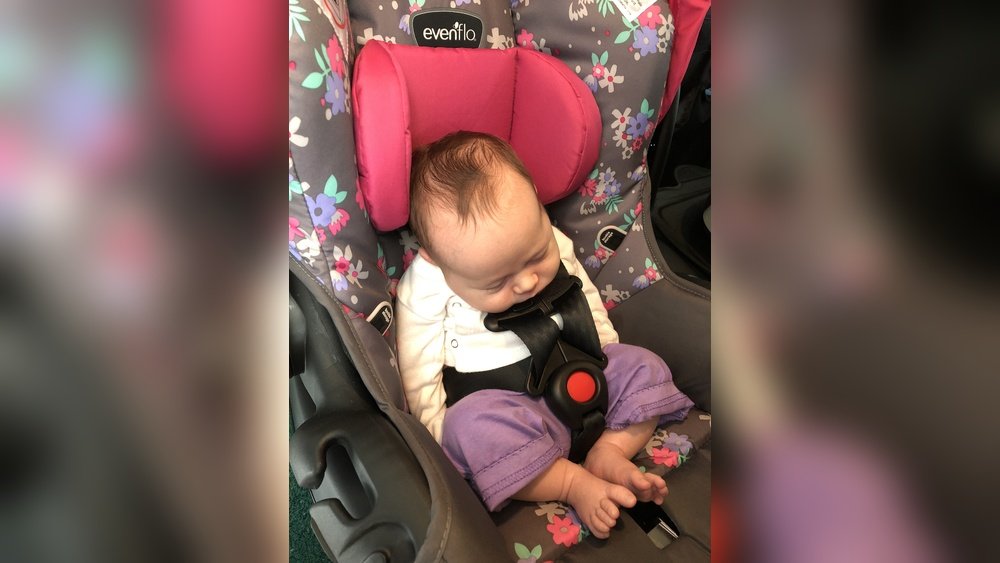
If you’ve ever noticed your baby slumping to the side in their car seat, you’re not alone—and it can be worrying. You want your little one to be safe and comfortable every time you hit the road.
But why does this happen, and what can you do about it? Understanding the reasons behind your baby’s position and how to fix it can give you peace of mind and keep your child secure. Keep reading to discover simple tips that can make a big difference in your baby’s comfort and safety during car rides.

Credit: vidaprev.com.br
Why Babies Slump In Car Seats
Babies often slump to the side in their car seats. This can worry many parents. Understanding why this happens helps keep babies safe and comfortable. Several key reasons explain this common issue.
Infant Muscle Control
Newborns have weak neck and back muscles. They cannot hold their heads up well. This lack of muscle control makes them tilt or slump easily. Their muscles need time to grow stronger.
Car Seat Angle
Car seats not positioned correctly can cause slumping. If the seat leans too far back or forward, babies may slide or lean to one side. The angle must support the baby’s head and back properly.
Improper Harness Use
Loose or incorrectly fastened harnesses increase slumping risks. A harness that is too loose lets the baby move too much. Tightening the straps correctly keeps the baby secure and upright.
Risks Of Slumping In Car Seats
Slumping to the side in an infant car seat can cause serious problems. Babies need to sit properly for their safety and comfort. When they slump, several risks arise that parents must know about. Understanding these risks helps keep babies safe during every ride.
Breathing Difficulties
Slumping can block a baby’s airway. The head may fall forward, making it hard to breathe. This position can cause shallow breathing or pauses. Babies cannot adjust their position alone. This increases the chance of breathing problems.
Increased Injury Risk
A slumped baby is less secure in the seat. The car seat straps may not fit correctly. In a sudden stop or crash, the baby can move too much. This movement raises the risk of injury. Proper seating protects the baby’s head and body better.
Discomfort And Fussiness
Babies feel uncomfortable when slumped over. The position can strain their neck and back. Discomfort often leads to crying and fussiness. A comfortable baby is calmer and safer. Correct positioning helps keep babies happy during travel.
Choosing The Right Car Seat
Choosing the right car seat is very important for your baby’s safety and comfort. A good car seat helps prevent your baby from slumping to the side. It supports your baby’s head and body well. The right seat also fits your baby’s age and size perfectly. This keeps your baby secure during car rides.
Age And Size Appropriateness
Car seats come in different types for various ages and sizes. Newborns need seats that support their small heads and necks. Seats for older babies offer more space and support for growing bodies. Choose a car seat that matches your baby’s weight and height. This reduces the risk of slumping and improves comfort.
Support Features
Look for car seats with good head and body support. Extra padding around the head area helps keep your baby upright. Some seats have adjustable straps and inserts for better fit. These features help hold your baby in a safe position. Proper support stops your baby from leaning or slumping to one side.
Safety Certifications
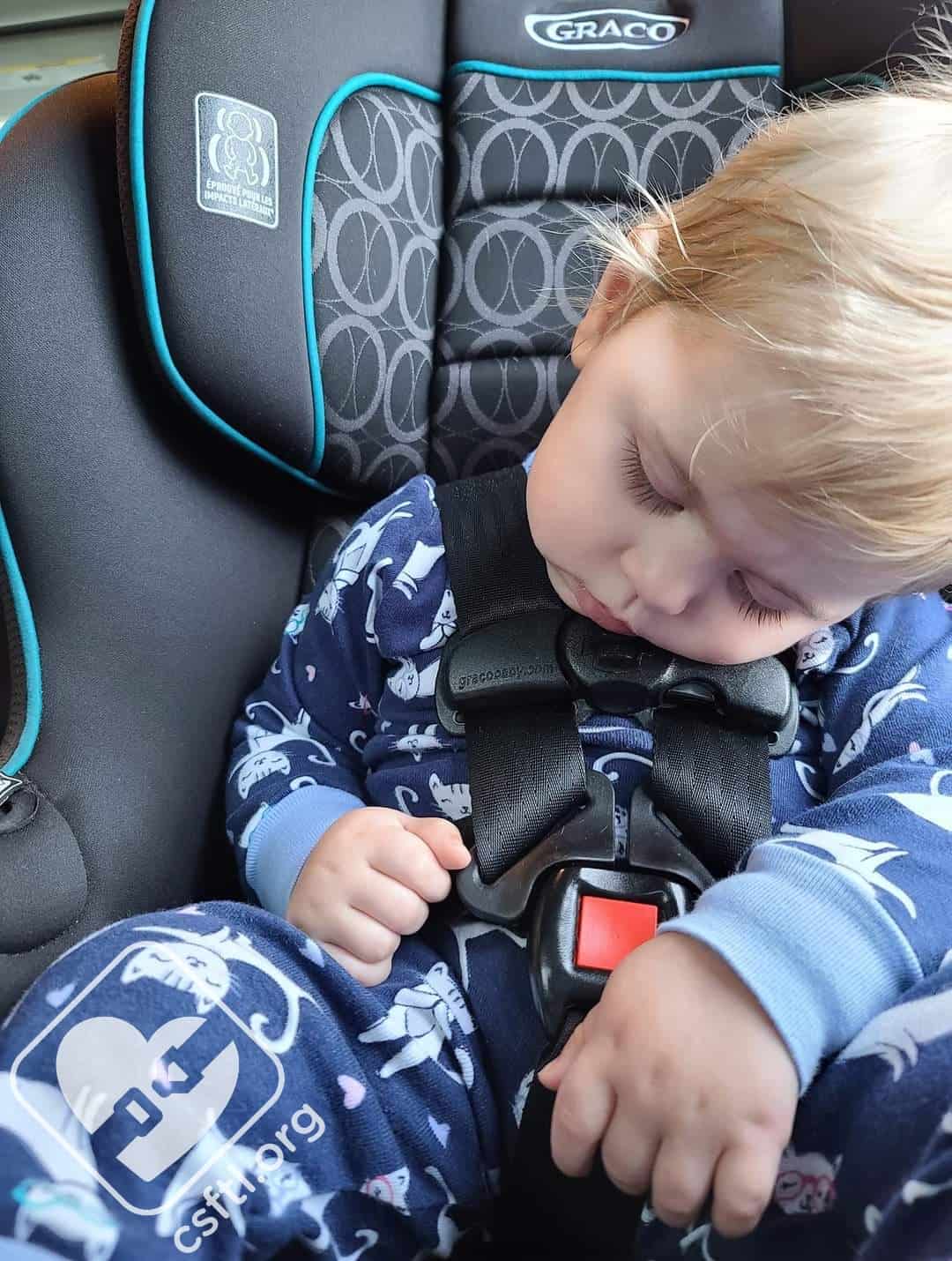
Check if the car seat has proper safety certifications. Approved seats meet strict safety rules and tests. Certifications show the seat can protect your baby in a crash. Only use seats that pass safety standards in your country. This ensures your baby’s well-being on every trip.
Credit: csftl.org
Proper Installation Techniques
Proper installation techniques help keep your baby safe and comfortable in the car seat. A well-installed seat prevents your baby from slumping to the side. It also reduces the risk of injury during travel. Pay close attention to the angle, harness fit, and accessories used.
Correct Seat Angle
The car seat must be at the right angle. Too upright or too reclined can cause your baby to slump. Use the angle indicator on the seat to check. The seat should support your baby’s head and neck well. Adjust the seat according to your baby’s age and size. A proper angle keeps the airway open and your baby safe.
Harness Adjustment Tips
The harness should fit snugly but not too tight. Place the straps at or below your baby’s shoulders. Buckle the chest clip at armpit level. Pull the harness straps until they lay flat without slack. Loose harness straps can cause your baby to slide or slump. Check the fit every time before starting your trip.
Using Support Accessories Safely
Only use accessories approved by the car seat manufacturer. Avoid bulky inserts not designed for the seat. Use thin rolled towels or blankets to support slumping if needed. Place support behind the baby’s back, not under the harness. Always ensure the harness fits properly over any support. Safe accessories improve comfort and prevent dangerous slumping.
Tips To Prevent Slumping
Preventing a baby from slumping to the side in an infant car seat is important for safety and comfort. Parents can take simple steps to keep their baby’s head and body well supported. These tips help maintain good posture during car rides and reduce the risk of breathing issues.
Frequent Position Checks
Check your baby’s position often during the ride. Stop the car safely and adjust the baby if needed. Make sure the head stays centered and the chin is not resting on the chest. Small shifts can cause slumping, so regular checks keep the baby safe.
Using Infant Inserts
Infant inserts provide extra support around the baby’s head and body. Use inserts designed for your car seat model. They help keep the baby upright and prevent the head from falling to the side. Always follow the car seat manual for proper use of inserts.
Encouraging Neck Strength Development
Strong neck muscles help babies hold their heads up. Give your baby plenty of tummy time while awake. This exercise builds neck and shoulder strength. A stronger neck reduces the chance of slumping in the car seat over time.
When To Consult A Pediatrician
Noticing your baby slumping to the side in the car seat can cause worry. Sometimes, this is normal. Other times, it may signal a need for medical advice. Knowing when to consult a pediatrician helps keep your baby safe and comfortable.
Check your baby’s posture often. Watch for patterns or any signs of discomfort. A pediatrician can provide guidance and support when needed.
Persistent Slumping Issues
If your baby slumps to the side every time in the car seat, talk to a doctor. Constant slumping may affect breathing or cause strain. A doctor can check if the car seat fits well or if your baby needs extra support.
Concerns About Muscle Tone
Weak or stiff muscles can cause poor posture in infants. A pediatrician can assess muscle tone during regular checkups. They may suggest exercises or therapy to improve your baby’s strength and control.
Signs Of Breathing Trouble
Watch for fast or noisy breathing while your baby is slumped. Skin color changes or pauses in breathing are serious signs. Seek medical help immediately if you notice these symptoms.

Credit: www.thread-amsterdam.com
Frequently Asked Questions
Why Is My Baby Slumping To The Side In The Car Seat?
Babies slump due to weak neck muscles or improper seat angle. Slumping can block airways and cause breathing issues. Ensure the car seat is reclined correctly and use infant inserts for better support to keep your baby safe and comfortable.
How Can I Prevent My Baby From Slumping In Car Seats?
Use properly sized infant inserts or rolled blankets for side support. Adjust the recline angle as per manufacturer guidelines. Always secure harness straps snugly to prevent slumping and regularly check your baby’s position during travel.
Is Slumping Dangerous For Infants In Car Seats?
Yes, slumping can restrict airflow and increase SIDS risk. It can also cause neck strain or injury during sudden stops. Always ensure your baby’s head and neck are supported and maintain the correct seating position for safety.
When Should I Stop Using Infant Inserts For Support?
Stop using inserts once your baby’s head stays upright without assistance. Typically, this is around 3 to 4 months but varies by infant development. Always follow car seat manufacturer recommendations for inserts to ensure safety.
Conclusion
Babies slumping to the side in car seats can worry many parents. Ensuring the car seat fits well and is installed correctly helps keep babies safe. Using proper straps and head supports can prevent slumping. Always check the car seat’s angle and adjust if needed.
Remember, a secure and comfortable ride protects your little one. Stay attentive and make small changes for better safety. Your baby’s comfort and safety matter most on every trip.