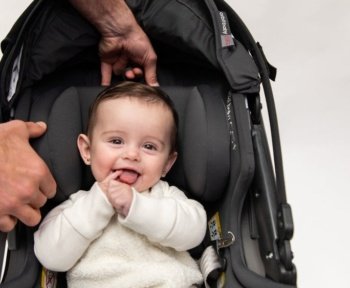
Based on the roundup below, the Graco SnugRide Lite LX is our top pick for the best infant car seat under $100 in 2026. It is one of the only true crash-tested infant car seats that genuinely sells under 100 dollars. Keep reading for a second budget option, why real seats rarely cost less, and the lookalike products you should skip.
Finding the best infant car seat under $100 is harder than it looks, not because there are too many options but because there are so few real ones. Most of what fills a budget search is cushions, pads, and lookalike products that have never been crash tested. A true infant car seat must pass a federal crash standard, and that engineering rarely fits under a double-digit price tag.
The good news is that it can be done. Below you will find the one certified seat that genuinely sells under 100 dollars, a second seat that frequently drops near that mark on sale, and a plain-spoken guide to spotting the products you should never strap your baby into.
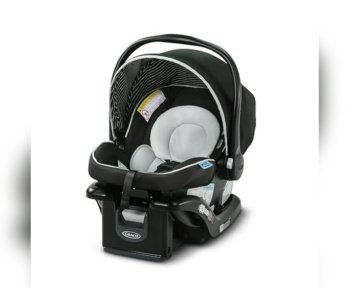
Graco SnugRide Lite LX: The Best True Car Seat Under $100
If you want a federally certified, crash-tested infant car seat that genuinely costs less than 100 dollars, this is the one to buy.
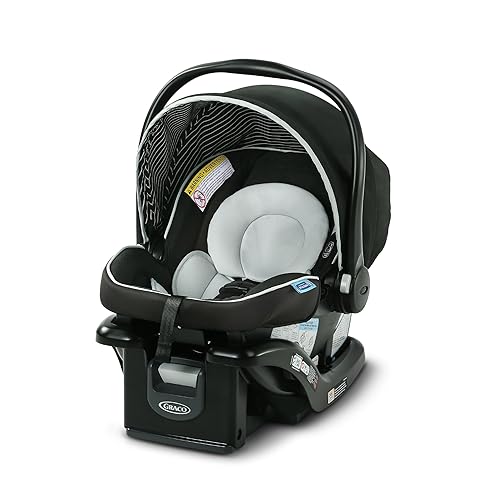
The SnugRide Lite LX is a rear-facing infant seat rated for babies from 4 to 30 pounds, and it lists at $79.99, which makes it the rare certified seat that sits comfortably under budget rather than hovering just above it. It holds a 4.8 star average across more than 9,000 reviews, and the praise keeps coming back to the same thing parents notice in the first week: the weight.
The carrier weighs about 7.2 pounds, one of the lightest infant carriers available at any price. That matters more than it sounds when you are lifting a carrier plus a growing baby in and out of the car several times a day. The stay-in-car base has a built-in level indicator so you can confirm the recline angle, and the no-rethread harness adjusts as your baby grows without pulling straps out of the shell.
At 16.5 inches wide, the shell also fits small cars and three-across back seats that swallow bulkier seats.
SnugRide Lite LX At A Glance
| Weight range | 4 to 30 pounds, rear facing |
| Carrier weight | About 7.2 pounds |
| Base | Stay-in-car base with level indicator |
| Seat width | 16.5 inches, fits three across |
Baby Trend EZ-Lift Plus: Just Over Budget, Often On Sale
This seat lists slightly above the 100 dollar mark, but it goes on sale near budget often enough to earn the second spot for price-watching shoppers.

The EZ-Lift Plus is a rear-facing infant seat with a stay-in-car base, and it lists at $109.99. That is over the line this roundup draws, so here is the honest framing: it earns its place because it is frequently discounted near 100 dollars, and a sale price puts a second certified option on your shortlist instead of leaving the SnugRide as the only choice.
Day to day, it keeps things simple. The carrier shell is lightweight, the harness adjusts without fuss, and the newborn comfort padding that ships with the seat gives small babies a snugger fit out of the box. That padding is the right kind, the kind that came from the manufacturer rather than a marketplace add-on. Parents rate it 4.7 stars across more than 7,000 reviews.
If it is on sale when you are shopping, compare it directly against the SnugRide. If it is at full list price, the Graco wins on price and carrier weight.
EZ-Lift Plus At A Glance
| List price | $109.99, frequently on sale near $100 |
| Type | Rear-facing infant seat |
| Base | Stay-in-car base included |
| Newborn fit | Manufacturer comfort padding included |
Why So Few Real Infant Car Seats Cost Under $100
Every car seat legally sold in the United States must comply with Federal Motor Vehicle Safety Standard 213, the federal crash standard for child restraints. Compliance is not a paperwork exercise. Manufacturers run dynamic sled tests that simulate a frontal crash with instrumented dummies, and the seat has to keep head movement and chest forces within strict limits. Building a product that passes costs real money before a single unit ships.
Look at what goes into a certified infant seat. The shell is engineered plastic, reinforced with steel at stress points like the belt path and handle hinge. Energy-absorbing foam lines the head and torso area to manage crash forces. The five-point harness uses metal hardware, a crash-rated buckle, and webbing that must meet its own federal requirements. Add the base, the level indicator, flammability testing, labeling, registration cards for recall notices, and liability coverage, and the floor price for a legitimate seat lands close to 80 dollars.
That is why the Graco SnugRide Lite LX at $79.99 is a genuine outlier rather than the start of a long list. When you see an infant car seat priced at 20 or 30 dollars, the realistic explanation is not a generous discount. It is almost always a cushion, a liner, or an unregulated lookalike that has never been near a crash sled and is not a certified car seat at all.
Warning: Cushions, Pads, And Liners Are Not Car Seats
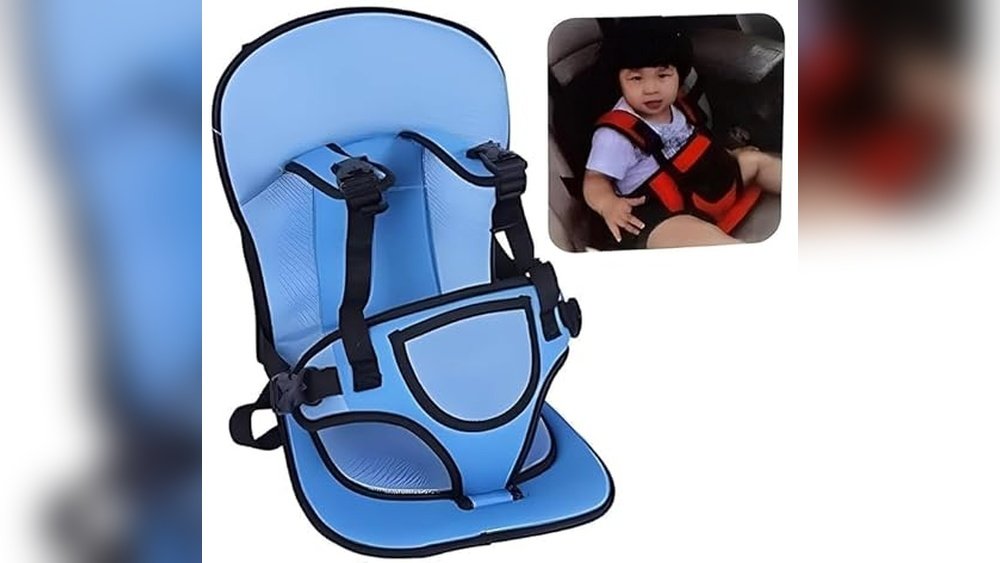
Search any marketplace for an infant car seat under 100 dollars and the results fill up with products that look helpful but are not car seats: head support cushions, crotch pads, strap covers, seat liners, back seat hammocks, and no-name infant seats with no brand, no manual, and no federal certification label. None of these are crash tested. No federal standard covers them, no sled testing sits behind them, and no recall system exists if they fail.
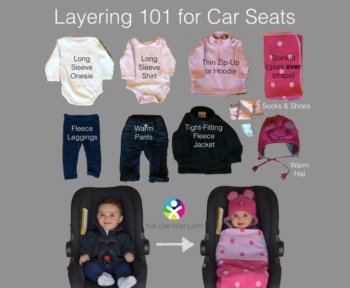
The bigger problem is what these products do to a real seat. A harness only works when it sits snug and flat against your baby’s body. Aftermarket padding placed between your baby and the harness, or between your baby and the shell, can compress in a crash. The harness that felt tight in the driveway suddenly has slack at the worst possible moment. That is why car seat manufacturers state that nothing should be added to the seat unless it came in the box or is approved in the manual.
The rule is simple. Only use inserts and padding that shipped with your specific seat, and treat anything sold separately as a no-go for the car. If a listing cannot name the federal standard it meets, it does not belong between your child and a crash.
How To Quickly Narrow Down Infant Car Seat Choices
Start by confirming you are looking at a real car seat: the listing should name an established brand, state that it meets FMVSS 213, and show a five-point harness with a base or seat belt routing. Then check the weight range, since a seat that starts at 4 pounds covers almost every newborn. Weigh convenience next, because carrier weight, base install, and harness adjustment are what you will live with daily. Most people miss this: at this budget there are only a couple of true contenders, so the real decision is which certified seat fits your car, not which of fifty lookalike listings to trust.
The 30-second Checklist For Infant Car Seats Under $100
- Does the listing state it meets FMVSS 213? If not, it is not a car seat.
- Does the weight range cover your baby from day one, ideally starting at 4 pounds?
- Is the carrier light enough to lift in and out of the car many times a day?
- Does the base install tightly with LATCH or the seat belt, with a level indicator to check the angle?
- Is the harness easy to adjust as your baby grows?
- Will the shell fit your back seat? Narrow seats like the 16.5 inch SnugRide help in small cars.
Common Regrets And Simple Fixes
Regret #1: Buying a cheap “infant seat” that turned out to be an accessory.
Only buy from established car seat brands and confirm the listing names FMVSS 213 compliance before checkout.
Regret #2: A carrier that is too heavy for daily lifting.
Check the carrier weight before buying. At about 7.2 pounds, the SnugRide Lite LX is among the lightest sold.
Regret #3: Waiting to afford a premium seat.
Every certified seat passes the same federal crash standard. A correctly installed budget seat protects your baby today, which beats a premium seat you are still saving for.
Decision Guide Table: Best Infant Car Seat Under $100
| If you want… | Choose this | Why |
|---|---|---|
| The cheapest true crash-tested seat | Graco SnugRide Lite LX | Lists at $79.99 with a 7.2 pound carrier and a stay-in-car base |
| A second certified option to price-watch | Baby Trend EZ-Lift Plus | Lists at $109.99 and frequently goes on sale near 100 dollars |
| A cushion, pad, hammock, or no-name seat | Skip it | These are not crash-tested car seats and can interfere with the harness |
Real-world Setup And Use Tips
- Read the seat manual before the first install. Budget seats install the same way premium ones do, and the manual settles every question.
- After installing the base with LATCH or the seat belt, grab it at the belt path and pull. It should move less than one inch side to side or front to back.
- Check the recline angle with the level indicator every time you reinstall the base. A seat that sits too upright can let a newborn’s head slump forward.
- Keep the harness snug and flat, with straps at or below shoulder level when rear facing. You should not be able to pinch a fold of webbing at the collarbone.
- Get your install checked for free by a certified Child Passenger Safety Technician. Most areas have inspection stations or scheduled check events.
Faqs: Best Infant Car Seat Under $100
Is A Cheap Infant Car Seat As Safe As An Expensive One?
Yes, in the way that matters most. Every car seat legally sold in the United States must pass the same federal crash standard, FMVSS 213. A higher price buys convenience features and plusher materials, not a higher passing grade.
What Features Do You Give Up Under $100?
Mostly extras: anti-rebound bars, load legs, premium fabrics, larger canopies, and smoother stroller compatibility. The core protection, a five-point harness, and a stay-in-car base are all present on the Graco SnugRide Lite LX.
How Do I Know A Listing Is A Real Car Seat?
Look for an established brand, a stated FMVSS 213 compliance, clear weight and height limits, and a five-point harness with a base or seat belt routing. If the listing is a cushion, pad, liner, or hammock, or has no brand and no manual, it is an accessory, not a car seat.
Can I Add A Cushion Or Insert To Make A Budget Seat More Comfortable?
No. Only use inserts and padding that shipped with your seat or that your manual approves. Aftermarket padding can compress in a crash and leave dangerous slack in the harness.
Will The Graco SnugRide Lite LX Fit In A Small Car?
It is one of the better choices for small cars. The shell is 16.5 inches wide, which fits compact back seats and even three-across arrangements that bulkier seats cannot manage.
Is A Used Car Seat A Better Budget Option?
Only if you know its full history. A used seat must be unexpired, never in a crash, and free of recalls, and you usually cannot verify that from a stranger. A new $79.99 seat with a warranty and registration card is the safer budget play.
How Long Will An Infant Seat Like These Last?
Until your baby reaches the seat’s weight limit, which is 30 pounds on the SnugRide Lite LX, or outgrows it by height, whichever comes first. Most babies outgrow infant seats by height before weight, then move to a rear-facing convertible seat.
Final Thoughts On Choosing The Best Infant Car Seat Under $100
Choosing an infant car seat on a tight budget is simpler than the search results make it look. There are only a couple of true crash-tested seats in this price range. The Graco SnugRide Lite LX is the one that genuinely sells under 100 dollars, and the Baby Trend EZ-Lift Plus is worth a look whenever it dips on sale.
Everything else that floods a budget search, the cushions, pads, liners, and no-name seats, belongs nowhere near your car. Buy a certified seat, install it tightly, keep the harness snug, and skip the add-ons. That combination protects your baby better than any premium feature you might be saving toward.