your insurance will cover replacing your car seat after an accident? It’s a question many drivers face but don’t always have a clear answer to.
your insurance will cover replacing your car seat after an accident? It’s a question many drivers face but don’t always have a clear answer to.
Your car seat is more than just a place to sit -it plays a big role in keeping you safe. After a crash, even if the damage isn’t obvious, your seat might need to be replaced to protect you properly. You’ll discover when insurance steps in, what factors affect coverage, and what you need to know to make sure you’re fully protected.
When Car Seats Need Replacement
Car seats protect children in crashes. After an accident, it is important to know when to replace them. Not every bump means a new seat. Some damage is hidden but serious. Safety must come first to keep your child safe on the road.
Damage That Warrants Replacement
Look for cracks in the plastic shell. Straps that are cut or torn need replacement. Padding that is crushed or misshaped cannot protect well. Any broken parts, like buckles or latches, make the seat unsafe. Even small damage can reduce the seat’s strength.
Manufacturer Recommendations
Car seat makers give clear rules. Most say to replace seats after a moderate or severe crash. Check the user manual for specific advice. Some seats have an expiration date after which they lose safety. Follow these guidelines to avoid risks.
Safety Concerns After Impact
Impacts can weaken the seat’s structure. Invisible damage might happen under the surface. The seat may not protect your child properly next time. Using a damaged seat increases injury risk. Always replace the seat after a serious crash.
Insurance Coverage For Car Seats
Car seats keep children safe during travel. After a car accident, replacing a damaged seat is important. Insurance can help cover these costs. Understanding how insurance covers car seats helps in making claims.
Policies vary on what they pay for car seat replacement. Knowing your coverage type is key. This section explains different policies, coverage types, and the claim process.
Types Of Insurance Policies
Auto insurance policies differ. Some cover damages to your vehicle only. Others include personal property inside the car. Car seats are considered personal property by many insurers.
Some policies may cover car seat replacement after an accident. Others require additional coverage or riders. Check your policy details carefully. This helps know if your car seat is protected.
Collision Vs. Comprehensive Coverage
Collision coverage pays for damage from a crash. It often covers the car seat if damaged during the accident. Comprehensive coverage pays for non-collision events. This includes theft, fire, or vandalism.
Car seat damage from a crash usually falls under collision coverage. Damage from other causes may be covered by comprehensive coverage. Knowing which applies saves time during claims.
Claim Process For Car Seat Replacement
Start by filing a claim with your insurer. Provide details about the accident and the car seat damage. Include photos and receipts if possible. These documents support your claim.
An adjuster may inspect your vehicle and the car seat. They decide if the damage is covered. If approved, the insurer will pay to replace the seat. Follow the insurer’s instructions closely for smooth processing.
Factors Affecting Insurance Approval
Insurance approval to replace a car seat after an accident depends on many factors. Understanding these factors helps you know what to expect. Each insurance company has its own rules and requirements.
Knowing what affects the decision can save time and reduce stress. It also helps you prepare the needed documents and information.
Policy Terms And Conditions
Every insurance policy has specific rules about car seat replacement. Some policies cover full replacement, while others cover only partial costs. Check your policy details carefully. Look for terms about child safety equipment and accident claims. Some policies require you to report damage quickly. Failure to follow these rules can lead to claim denial.
Accident Severity And Documentation
The seriousness of the accident matters. Insurance companies often require proof that the car seat was damaged in the crash. Photos, police reports, and repair bills help support your claim. Minor accidents may not qualify for replacement coverage. Detailed documentation increases the chance of approval. Keep all records safe and organized after the accident.
Age And Condition Of The Car Seat
Insurance may consider the car seat’s age and condition. Older seats may not be fully covered due to wear and tear. Seats past their expiration date often do not qualify for replacement. Newer seats in good condition have a higher chance of claim approval. Regular maintenance and proper use can affect insurance decisions.
Cost And Payment Options
Replacing a car seat after an accident can be expensive. Knowing the costs and payment options helps you plan better. Insurance may cover some or all of the expenses, but details vary. Understanding typical costs and how deductibles affect payments is essential. Other financial help might be available to ease the burden.
Typical Replacement Costs
Car seat replacement costs vary by model and damage level. Basic seats might cost around $100 to $200. High-end or special safety seats can exceed $500. Labor fees for installation may add extra charges. Always check prices from trusted sellers or dealers. Keep receipts for insurance claims.
Deductibles And Out-of-pocket Expenses
Insurance policies often include a deductible. This is the amount you pay before insurance covers the rest. Deductibles can range from $250 to $1,000 or more. You pay this amount yourself. The remaining cost is paid by insurance, if covered. Sometimes, you might pay all costs if the seat is not covered.
Alternative Financial Assistance
Some programs help with car seat costs replacing a car seat after an accidents. Charities or local safety groups may offer vouchers or discounts. Government programs sometimes provide free or low-cost seats. Ask your doctor or social worker for advice. Payment plans from stores can spread costs over time. Explore all options before deciding.
Tips For Filing A Successful Claim
Filing an insurance claim to replace a car seat after an accident can be smooth with the right approach. Clear steps help you avoid delays and increase your chances of approval. Being organized and prepared plays a key role in success.
Gathering Proper Evidence
Start by taking photos of the damaged car seat and surrounding areas. Include close-up shots to show the extent of damage. Get a copy of the accident report from the police or your insurer. Collect any medical reports if injuries involve the seat. Evidence builds a strong case for your claim.
Communicating With Insurance Adjusters
Speak clearly and stay calm when talking to insurance agents. Provide all requested information honestly and promptly. Ask questions if something is unclear. Keep your tone polite but firm. Good communication helps prevent misunderstandings and speeds up processing.
Keeping Records And Receipts
Save all documents related to the claim. Receipts for the original car seat and any repairs matter. Keep notes of phone calls and emails with dates and times. Organized records make it easier to track the claim’s progress. They also prove your expenses if needed.
Common Questions Parents Ask
Will Insurance Cover Car Seat Replacement After A Crash?
Yes, many insurance policies cover car seat replacement if damaged in an accident. Coverage depends on your policy terms and the extent of damage.
How Do I Claim Car Seat Replacement Costs?
To claim, document the damage, contact your insurer, and provide repair or replacement estimates. Follow their claim process promptly for smooth approval.
Does Collision Insurance Pay For Car Seat Damage?
Collision insurance often covers interior damages, including car seats, caused by an accident. Check your policy details to confirm this specific coverage.
Are There Specific Conditions For Car Seat Replacement Coverage?
Insurance may require the seat to be visibly damaged or safety compromised. Replacement approval depends on damage severity and policy conditions.
When the Other Driver Is at Fault
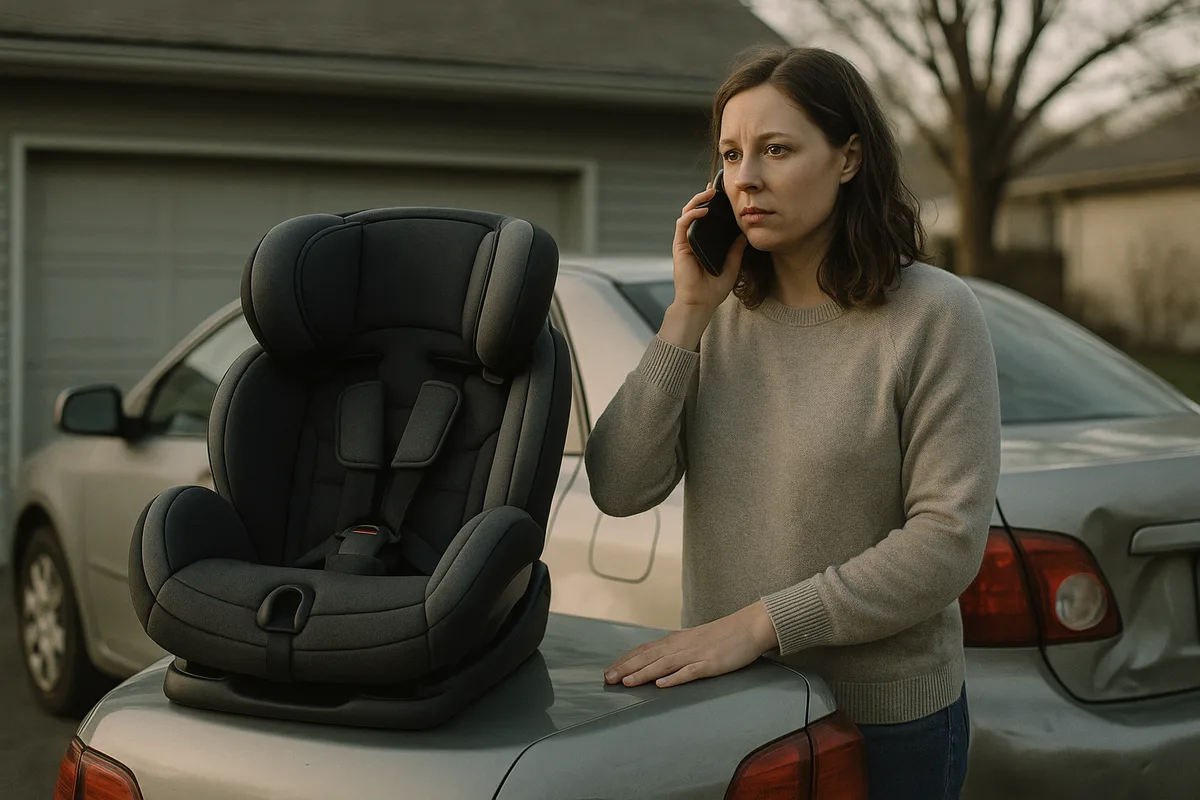
If another driver caused the crash, you usually do not need to run the car seat through your own collision coverage at all. The seat is your personal property that was damaged by their negligence, so it belongs in the property damage claim against their liability insurance, right alongside your vehicle repairs.
This route has two real advantages. First, there is no deductible on a third party claim, so you are not eating the first few hundred dollars yourself. Second, it does not count as a claim on your own policy history.
List the car seat as a separate line item when you talk to the at fault driver’s adjuster. State the make and model, when you bought it, and that the manufacturer requires replacement after a crash. If you are working with an attorney on an injury claim, tell them about the seat too. It is a small item that gets forgotten in bigger settlements, and once you sign a property damage release, you cannot go back for it.
How to Tell If Your Crash Counts as Minor
Not every fender tap requires a new seat, and adjusters know it. NHTSA allows continued use of a car seat after a minor crash only when every one of its conditions is met. If even one fails, the crash is treated as moderate or severe and the seat should be replaced.
Walk through the checklist honestly:
- The vehicle could be driven away from the scene. If it needed a tow, the crash was not minor.
- The door nearest the car seat was undamaged. Any dent or misalignment on that door fails the test.
- No one in the vehicle was injured. This includes whiplash that showed up the next day.
- No airbags deployed. Deployment signals crash forces strong enough to matter.
- The car seat itself shows no visible damage. Check the shell, the harness, and the base separately.
There is one more layer on top of this. Some manufacturers require replacement after any crash, period, regardless of severity. Your manual wins over the general checklist, so read the crash section before deciding. If the manual says replace, that instruction is also your strongest piece of evidence with the insurance company.
What to Do With the Crashed Seat Once the Claim Settles
Do not throw the old seat in the trash the day after the accident. Many insurers want to inspect, photograph, or take possession of the damaged seat before they pay, and disposing of it early can stall or sink your claim. Ask your adjuster directly whether they need the seat, and get the answer in writing or in your claim notes.
Once the insurer confirms they are done with it, retire the seat so it can never be used again:
- Cut the harness straps off completely. A seat without straps cannot be reinstalled by a well meaning neighbor or a stranger who finds it.
- Write “crashed, do not use” in permanent marker on the shell. This protects anyone who pulls it from a curb or dumpster.
- Remove the cover and padding. A bare, marked shell is obviously unusable.
- Check for local recycling programs. Some retailers and municipalities run car seat recycling events that accept crashed seats.
Never donate, sell, or hand down a crashed seat, even one that looks perfect. The whole reason insurance paid for a replacement is that crash damage hides inside the plastic where no one can see it. Passing that risk to another family defeats the point of everything you just did.

Graco Extend2Fit Convertible Car Seat
- Rear-facing harness from 4 to 50 lb, forward-facing harness to 65 lb
- 4-position extension panel adds up to 5 inches of legroom for longer rear-facing
- No-rethread harness and headrest adjust together in one motion
As an Amazon Associate, topcarseats.com earns from qualifying purchases at no extra cost to you.
Key Takeaways for Parents
Car seat replacement after a crash depends on your insurance policy. Most insurance plans cover damage from accidents, but check your details. Keep receipts and reports to ease the claim process. Safety matters most; a damaged car seat should never stay in use.
Always contact your insurance provider quickly after a crash. Knowing your coverage helps avoid surprises later. Stay safe on the road and protect your family with proper car seat care.