You want to keep your child safe, and that starts with making sure their car seat is reliable. But what if the car seat you have has been recalled?
You want to keep your child safe, and that starts with making sure their car seat is reliable. But what if the car seat you have has been recalled?
A recalled car seat could put your little one at risk without you even knowing it. Checking if your car seat has been recalled is easier than you think, and it could save your child’s life. You’ll learn simple, quick steps to find out if your car seat has any safety issues.
Don’t wait -your child’s safety depends on it.
Why Car Seat Recalls Matter
Car seat recalls matter because they protect your child’s safety. A recalled car seat may have defects that cause harm in a crash. These defects can be hard to see but very dangerous.
Using a recalled car seat puts your child at risk. The seat might not work as it should during an accident. This can lead to serious injuries or worse. Checking for recalls helps prevent these risks.
Preventing Injuries And Fatalities
Recalls fix problems that can cause injuries or death. Car seats must keep children safe in crashes. Defects can stop the seat from protecting your child properly. Fixing or replacing a recalled seat saves lives.
Ensuring Proper Function
A recalled car seat might have broken parts or poor design. These issues affect how the seat holds or secures your child. Proper function means the seat works well every time. Recalls help make sure the seat works as it should.
Saving Money And Stress
Ignoring a recall can lead to costly repairs or medical bills. Recalled seats often get fixed or replaced for free. Checking recalls early stops future problems. This saves money and prevents worry.
Following Safety Laws
Car seat recalls are part of safety laws. These laws protect children on the road. Using a recalled seat might break these rules. Staying updated on recalls keeps you legal and safe.
Common Recall Reasons
Car seat recalls happen for several common reasons. These issues can affect your child’s safety. Knowing the usual recall causes helps you spot problems quickly.
Manufacturers recall car seats to fix defects or hazards. Some problems may not be obvious at first. Being aware helps protect your child during travel.
Manufacturing Defects
Manufacturing defects include broken parts or weak materials. These flaws can cause the seat to fail in a crash. Sometimes, parts may come loose or break easily.
Defects might affect straps, buckles, or plastic frames. These issues reduce the car seat’s protection ability. A recall fixes or replaces faulty parts to ensure safety.
Incorrect Installation Instructions
Some recalls happen because instructions confuse parents. Wrong installation can make the seat unsafe. The seat may not hold the child properly in a crash.
Manufacturers update manuals or labels to fix this problem. Clear instructions help parents install car seats correctly every time.
Harness Or Buckle Problems
Defective harnesses or buckles can cause serious risks. The harness may fail to tighten or stay locked. Buckles might open too easily or get stuck.
Such issues can lead to a child slipping out during travel. Recalls replace or repair these parts to ensure secure use.
Flammability Issues
Some car seats use materials that catch fire too fast. This risk is dangerous in case of accidents. Recalls remove or treat these unsafe materials.
Safe materials help protect children from fire hazards. Always check for recalls related to flammability to stay safe.
Where To Find Recall Information
Knowing where to find recall information helps keep your child safe. Car seat recalls happen for many reasons. Checking recalls is important before using a car seat. There are trusted places to find recall details. These sources provide accurate and up-to-date information.
Government Websites
Government sites list all car seat recalls. The National Highway Traffic Safety Administration (NHTSA) is the main source. You can search by car seat brand or model number. These sites update recall data regularly. This ensures you get the latest safety alerts.
Manufacturer Resources
Car seat makers often post recalls on their websites. They provide recall instructions and contact info. You can find recall notices in the support or safety section. Some brands offer email alerts for recall updates. Check your car seat’s brand website first.
Retailer Notifications
Stores that sell car seats may send recall notices. They contact customers who bought affected products. Retailers also post recall information on their websites. Some offer exchanges or refunds for recalled seats. Keep your purchase receipt for easy tracking.
How To Identify Your Car Seat Model
Knowing your car seat model is the first step to check for recalls. Each car seat has a unique model number and manufacture date. These details help find recall information quickly. This section shows how to find these details on your car seat.
Locating The Model Number
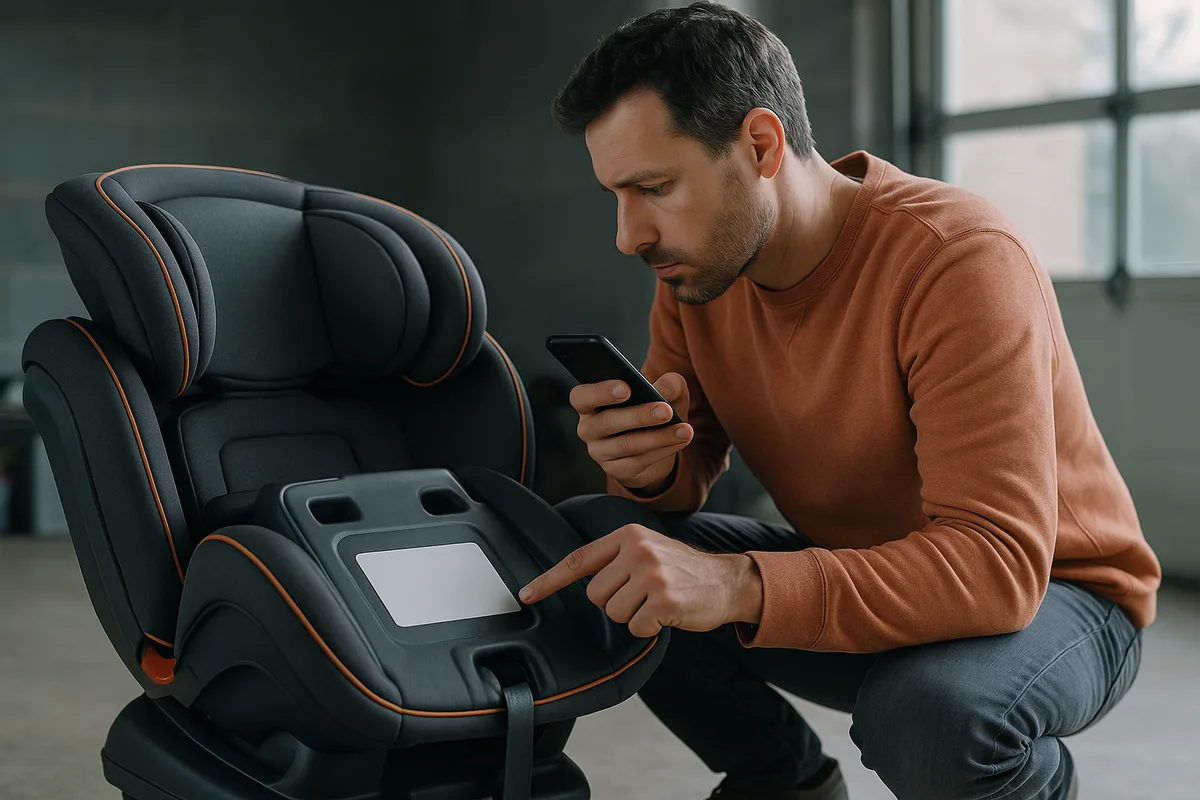
The model number is usually on a label or sticker. Check the back, bottom, or sides of the car seat. It may be near the harness or on the frame. The model number is a mix of letters and numbers. Write it down exactly as it appears.
Checking The Manufacture Date
The manufacture date tells when the car seat was made. It is important for recalls and expiration. Look for a date on a label close to the model number. The date format can be month and year or full date. Note this date for your recall search.
Using Online Tools To Check Recalls
Using online tools to check car seat recalls saves time and ensures safety. These tools offer quick access to recall information. They help parents confirm if their car seat needs attention.
Most websites ask for specific car seat details. This makes the search accurate and reliable. The process is simple and user-friendly for all users.
Inputting Model Details
Start by finding the car seat’s model number. This number is usually on a label at the back or bottom. Enter the model number exactly as shown into the online tool. Some tools also ask for the manufacture date. This date helps narrow down recall results. Double-check the information before submitting to avoid errors.
Interpreting Results
The tool will show if the model has any recalls. It may list the recall date and reason. Follow the instructions provided for recalled seats. Some recalls require repairs; others need replacement. If no recall appears, the seat is currently safe. Keep checking regularly to stay updated on recalls.
What To Do If Your Car Seat Is Recalled
Discovering your car seat has been recalled can cause worry. Knowing the next steps ensures your child’s safety. Acting quickly helps prevent accidents and injuries. Follow these clear steps to handle a recalled car seat safely.
Contacting The Manufacturer
Start by finding the manufacturer’s contact information. This is usually on the car seat label or manual. Call or email them to report your car seat. Provide the model number and manufacture date. Ask about the recall details and the next steps. Keep a record of your communication for reference.
Repair And Replacement Options
The manufacturer may offer free repairs or replacements. Avoid fixing the seat yourself; use only approved methods. Some recalls require you to return the seat. Others may send a repair kit or a new seat. Follow all instructions carefully to ensure safety. Check if the repaired or replaced seat meets current safety standards.
Tips To Stay Updated On Recalls
Keeping track of car seat recalls is vital for child safety. Recalls happen when a product has a defect or risk. Staying updated helps you act fast and protect your child. Use simple methods to get recall news directly.
Signing Up For Alerts
Many websites offer free recall alerts. Sign up with your email to get updates. Enter your car seat’s model and brand. Alerts come straight to your inbox. This saves time and keeps you informed. No need to check daily.
Regularly Checking Online
Visit official recall websites often. Search by your car seat’s details. Checking once a month is enough. These sites list all current recalls. You see the latest safety info. This habit helps you stay safe.
Common Questions Parents Ask
How Can I Check If My Car Seat Is Recalled?
Visit the National Highway Traffic Safety Administration (NHTSA) website. Enter your car seat’s model number or recall ID to see if it is recalled. This is the most reliable and updated source for car seat recall information.
Where To Find Car Seat Model Number For Recall Check?
You can find the model number on a label usually located on the car seat’s back or bottom. It includes the manufacturer’s name, model, and date of manufacture. This information is essential for accurate recall searches.
What Should I Do If My Car Seat Is Recalled?
Stop using the recalled car seat immediately. Contact the manufacturer for instructions on repair, replacement, or refund. Follow their guidance carefully to ensure your child’s safety.
Are Car Seat Recalls Dangerous For Child Safety?
Yes, recalled car seats may have defects affecting safety in crashes. Using a recalled seat can increase injury risk. Always check for recalls to protect your child during travel.
Register Your Car Seat So Recall Notices Come to You
The easiest recall check is the one you never have to do yourself. Every new car seat sold in the United States comes with a registration card in the box, and manufacturers are required to notify registered owners directly when a recall is issued. Mail that card back, or skip the stamp and register on the manufacturer’s website with your model number and date of manufacture.
Many parents toss the card because they assume it leads to junk mail. It does not. Registration information for car seats is meant for safety notifications, so the letter that shows up in your mailbox is the one telling you about a defect, not a sales pitch.
If you received the seat as a hand-me-down or lost the card during the newborn blur, you can still register. Find the label with the model number and manufacture date, then look for a registration page on the brand’s website. It usually takes less than five minutes, and it covers you for the entire life of the seat.
Recall, Expiration, or Crash Damage: Know Which Problem You Have
Parents often lump every car seat problem into the same mental bucket, but a recall is only one of three reasons a seat may need attention. Each one calls for a different response, and only one of them usually comes with a free fix.
| Situation | What It Means | What To Do |
|---|---|---|
| Active recall | A known defect the manufacturer must remedy | Contact the brand for a free repair kit or replacement |
| Expired seat | The seat is past the useful life printed on its label | Retire it and buy a new seat; there is no fix |
| Crash involvement | Possible hidden structural stress you cannot see | Follow your manual’s replacement rules, and ask your insurer about coverage |
The key difference: a recall means the manufacturer owes you a remedy at no cost. Expiration and crash damage are on you to handle, but they are just as important. A seat can pass every recall search and still be unsafe because it expired two years ago or rode through a fender bender last spring.
How to Retire a Recalled Seat So No One Else Uses It
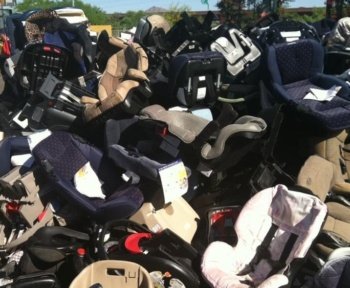
If the manufacturer tells you the seat must be replaced rather than repaired, do not just set it by the curb. An intact car seat in the trash or at a thrift store looks like a free find to another family, and they will have no idea it carries a known defect.
- Wait for confirmation first. Some recalls are fixed with a small repair kit. Only destroy the seat once the manufacturer confirms it should be taken out of service.
- Cut the harness straps. A few snips with scissors makes the seat unusable and signals to anyone who finds it that it should not be installed.
- Remove or shred the cover. A bare, strapless shell is far less tempting to salvage than a clean, complete seat.
- Write on the shell. Use a permanent marker to write “RECALLED, DO NOT USE” in large letters on the plastic.
- Never donate or resell it. Passing along a recalled seat moves the risk to a child whose parents trusted that it was safe.
Before you bag it for the trash, check whether a retailer near you runs a car seat trade-in event or whether your city accepts car seats for recycling. Some programs even offer a discount toward the replacement seat, which softens the sting of an unexpected purchase.

Graco Extend2Fit Convertible Car Seat
- Rear-facing harness from 4 to 50 lb, forward-facing harness to 65 lb
- 4-position extension panel adds up to 5 inches of legroom for longer rear-facing
- No-rethread harness and headrest adjust together in one motion
As an Amazon Associate, topcarseats.com earns from qualifying purchases at no extra cost to you.
Key Takeaways for Parents
Checking your car seat for recalls keeps your child safe. Visit official recall websites regularly. Enter the car seat’s model number and manufacture date. This quick step can prevent serious accidents. Stay informed and act fast if a recall shows up.
Safety matters most when it comes to children. Regular checks help you feel confident. Don’t wait -make checking recalls a habit today. Simple actions protect your family every time you drive.