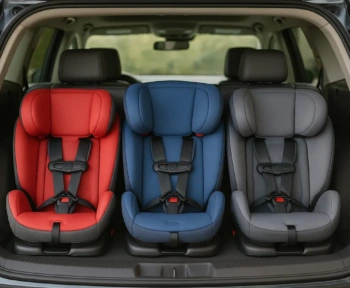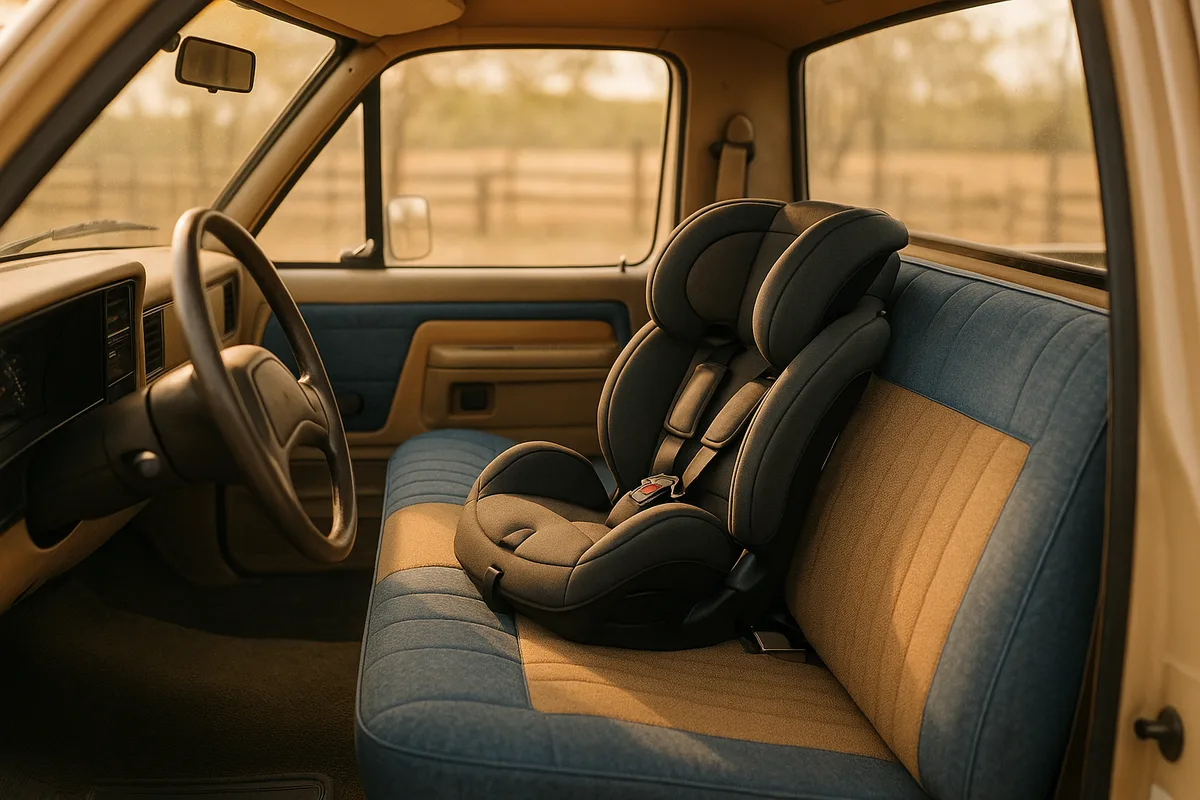
it’s safe to put a car seat in the front seat of your pickup truck? You want to protect your little one, but safety rules can be confusing.
it’s safe to put a car seat in the front seat of your pickup truck? You want to protect your little one, but safety rules can be confusing.
The truth is, where you place your child’s car seat can make a big difference in their safety during a ride. Before you take that next trip, you need to know the facts that could keep your child safer.
Car Seat Safety Basics
Car seat safety is very important for every child in a vehicle. It helps protect children during crashes. Knowing the basics of car seat safety keeps your child safer on the road. Proper placement and installation are key parts of this safety.
Many parents wonder if the front seat of a pickup truck is a safe place for a car seat. Understanding the risks and rules helps make the best choice for your child’s safety.
Why Car Seat Placement Matters
The location of a car seat affects how well it protects a child. The back seat is the safest place in most vehicles. It keeps children away from airbags and front impact crashes.
Pickup trucks often have smaller back seats. This makes parents think about placing car seats in the front. Still, safety experts advise the back seat as the best spot.
Risks Of Front Seat Installation
The front seat has more dangers for children. Airbags can cause serious injury or death to a child in a car seat. They deploy with great force during a crash.
Crash forces hit the front seat first, increasing risk. The child is closer to the dashboard and windshield. These hard surfaces can cause harm in a crash.
Many laws forbid car seats in front seats for young children. This rule protects children from these known dangers. Always check your local laws and vehicle manual before placing a car seat.
Pickup Truck Front Seat Challenges
Placing a car seat in the front seat of a pickup truck brings many challenges. Pickup trucks have unique designs that affect safety and comfort. Understanding these issues helps keep your child safe and comfortable during rides.
Pickup truck front seats differ from regular cars. Many safety features do not work the same way. Space can be tight, making it hard to install a car seat correctly.
Airbag Hazards
Front airbags are dangerous for children in car seats. They deploy with great force during a crash. This force can seriously hurt or kill a child. Pickup trucks often have large, powerful airbags. These airbags are not designed for child passengers in the front.
Seat Belt And Anchor Issues
Seat belts in pickup trucks may not fit car seats well. The belt angles can be too loose or too tight. Some trucks lack proper lower anchors for car seats. This makes securing the seat difficult and unsafe. Improper installation can cause the car seat to move too much.
Space And Comfort Limitations
Pickup truck front seats have less room than back seats. This limits space for larger car seats and all booster seat guidess. It can make the child uncomfortable during the ride. Limited space also makes it hard for adults to sit beside the child. Comfort and safety both suffer in tight spaces.
Legal Regulations And Recommendations
Knowing the legal rules and safety advice is key for placing car seats in pickup trucks. These rules protect children and guide parents on safe travel. Understanding laws and manufacturer tips helps keep kids safe on every trip.
Laws On Car Seat Placement
Most states have clear laws about car seat placement. Many forbid putting car seats in the front seat of pickup trucks. Airbags in front seats can cause serious injuries to children. Laws usually require children under a certain age or weight to ride in the back seat. These rules aim to reduce risks during accidents.
Some places allow front seat car seats only if the truck has no back seat. Always check your local laws before placing a car seat in the front. Following these laws helps avoid fines and ensures child safety.
Manufacturer Guidelines
Car seat makers give specific advice about where to install seats. They often warn against front seat placement in trucks. The presence of airbags and seat belt design affects safety. Many manuals recommend rear seats as the safest option.
Reading the car seat manual carefully is important. It explains proper installation and weight limits. Also, the truck’s owner manual may have safety tips for child seats. Combining both guides offers the best safety practice for your child.
Safe Alternatives For Pickup Trucks
Pickup trucks often lack traditional back seats, making car seat placement tricky. Choosing safe spots for car seats keeps children secure during travel. Several alternatives exist to protect young passengers without risking safety.
Rear Seat Installation Tips
Always place the car seat in the rear seat if available. Use the vehicle’s seat belts or LATCH system for a firm fit. Check the car seat manual and truck guide for proper installation. Make sure the seat does not move more than one inch side-to-side or front-to-back.
Keep the car seat away from airbags. Airbags can cause serious injury to children in car seats. Position the seat toward the center if possible. This spot offers extra protection from side impacts.
Using Extended Cab Spaces
Extended cab pickups provide extra space behind the front seats. These areas can sometimes fit car seats safely. Measure the space to confirm the car seat fits without obstruction. Ensure the seat belts or anchors are accessible and secure.
Keep children away from doors and windows. Use window locks to prevent accidental opening. Always check for airbags near the seating area before installation.
Aftermarket Safety Solutions
Some companies offer special brackets or car seat bases for trucks. These products help secure car seats in non-traditional spots. Choose only items tested and approved for safety standards. Avoid makeshift fixes that may fail in a crash.
Consult with a certified child passenger safety technician. They can recommend proper gear and installation tips. Using the right tools makes a big difference in safety.
Installing Car Seats Correctly
Installing car seats correctly is vital for your child’s safety in any vehicle. Pickup trucks have unique seating layouts, so extra care is needed. Ensuring the car seat fits well and is installed properly reduces injury risks. Follow clear steps to choose and install the right seat securely.
Choosing The Right Car Seat
Select a car seat based on your child’s age, weight, and height. Rear-facing seats suit infants and toddlers best. Forward-facing seats work for older children with proper harnesses. Check that the seat fits your pickup truck’s front or back seat safely. Avoid seats that feel loose or unstable in your vehicle.
Proper Installation Techniques
Read the car seat manual and your truck’s owner guide carefully. Use either the seat belt or LATCH system to secure the seat firmly. Pull the straps tight to minimize movement. Position the seat at the correct angle to support your child’s head and neck. Never place a rear-facing seat in front of an active airbag.
Checking For Secure Fit
After installation, test the seat’s stability by shaking it side to side. It should not move more than one inch. Check all straps and buckles for tightness and proper locking. Make sure the harness fits snugly on your child without slack. Regularly inspect the car seat for wear or damage to keep it safe.
Common Mistakes To Avoid
Using a car seat in the front seat of a pickup truck needs careful attention. Many parents make common mistakes that reduce safety. Avoiding these errors helps protect your child better. Below are key mistakes to watch out for.
Incorrect Harness Adjustment
The harness must fit snugly around the child. Loose straps can cause injury during sudden stops. Make sure the harness is flat and not twisted. Adjust the straps to sit at or below the child’s shoulders for rear-facing seats. For forward-facing seats, the straps should be at or above the shoulders.
Ignoring Vehicle Manual
The vehicle manual has important safety information. It shows where car seats can be installed safely. Some trucks have airbags or seat designs that are not safe for car seats. Follow the manual’s instructions carefully. This reduces risks and improves safety for your child.
Neglecting Regular Safety Checks
Car seats need regular checks for wear and tear. Check the harness, buckles, and seat base often. Make sure the seat is securely installed each time. Even small changes can affect safety. Regular checks keep the car seat working properly and protect your child.
Common Questions Parents Ask
Is It Legal To Place A Car Seat In A Pickup Truck’s Front Seat?
Laws vary by state, but many prohibit car seats in front seats due to safety risks. Always check local regulations before placing a car seat in the front of a pickup truck.
Why Is The Front Seat Unsafe For Car Seats In Pickups?
Front seats often have airbags that can harm children in car seats during accidents. Pickup trucks may have less space, increasing injury risk for front-seat car seats.
Can Airbags Harm A Child In A Front-seat Car Seat?
Yes, airbags deploy with great force and can seriously injure a child in a front car seat. Rear seats are safer because airbags there are either absent or designed differently.
What Is The Safest Place For A Car Seat In A Pickup Truck?
The back seat is the safest spot for car seats in pickup trucks. It reduces injury risk from airbags and frontal collisions significantly.
Know Your Cab Type Before You Decide
The right answer for your truck depends heavily on which cab you have. Parents often talk about “pickup trucks” as one category, but a regular cab, an extended cab, and a crew cab present three very different situations for a car seat.
| Cab type | Rear seating | Car seat reality |
|---|---|---|
| Regular cab | None | Front seat is the only position; airbag must be addressed first |
| Extended cab | Small jump seats or narrow bench | Sometimes workable, but check tether anchors and seat depth carefully |
| Crew cab | Full rear bench | Treat like a sedan back seat; this is the safe default |
Two truck-specific details trip up even experienced parents. First, side-facing jump seats in extended cabs are never appropriate for any car seat, in any direction. Second, top tether routing in pickups often works differently than in cars. Many trucks route the tether through a loop behind the seat to an anchor at another position, so read the truck manual’s child restraint section rather than assuming the setup matches your last vehicle.
If the Front Seat Is Truly Your Only Option
Some families drive a regular cab truck with no second row at all. If that is your situation, the goal shifts from “use the back seat” to “make the front position as safe as it can be.” Work through these steps in order.
- Deal with the airbag before anything else. A rear-facing seat must never go in front of an active airbag. Many regular cab trucks come with a factory passenger airbag on-off switch for exactly this reason. If yours does not, NHTSA has a process for authorizing a retrofit switch in vehicles without rear seats.
- Slide the vehicle seat all the way back. Distance from the dashboard matters for any child riding up front, including a forward-facing preschooler with the airbag active where the manual permits it.
- Confirm the position in both manuals. The truck manual tells you whether the front passenger position allows a child restraint and how to handle the airbag. The car seat manual may add its own restrictions for front-seat installs.
- Get the install checked. Front-seat truck installs involve enough unusual variables, belt geometry, airbag status, tether routing, that a free CPST inspection is worth scheduling rather than skipping.
When to Take a Different Vehicle Instead
Sometimes the honest answer is that the truck is the wrong tool for that particular trip. Making the front seat workable for an occasional ride is different from making it the daily arrangement for an infant.
Think about frequency and age together. A forward-facing four-year-old riding up front in a regular cab a few times a month, with the seat positioned correctly and the manuals followed, is a managed compromise. A rear-facing baby doing daily commutes in the same truck is a situation worth restructuring, because the youngest passengers benefit most from the back seat and have the least tolerance for compromise.
Practical workarounds many truck families use: let the parent with the four-door vehicle handle daycare runs, swap vehicles with a partner on days the child rides along, or lean on a trusted carpool for school trips. If a new-to-you vehicle purchase is on the horizon anyway, a crew cab solves the problem permanently and keeps the truck capability. None of these are admissions of defeat. They are the same risk-shuffling every family does, just applied to seating positions.

Graco Extend2Fit Convertible Car Seat
- Rear-facing harness from 4 to 50 lb, forward-facing harness to 65 lb
- 4-position extension panel adds up to 5 inches of legroom for longer rear-facing
- No-rethread harness and headrest adjust together in one motion
As an Amazon Associate, topcarseats.com earns from qualifying purchases at no extra cost to you.
Key Takeaways for Parents
Placing a car seat in the front seat of a pickup truck is often unsafe. Airbags can harm small children during accidents. Many experts and laws recommend using the back seat for car seats. Always check your vehicle’s manual and local rules.
Safety should be the top priority for every trip. Choosing the right seat position helps protect your child better. Remember, simple steps can make a big difference in safety. Keep your child secure and travel with peace of mind.