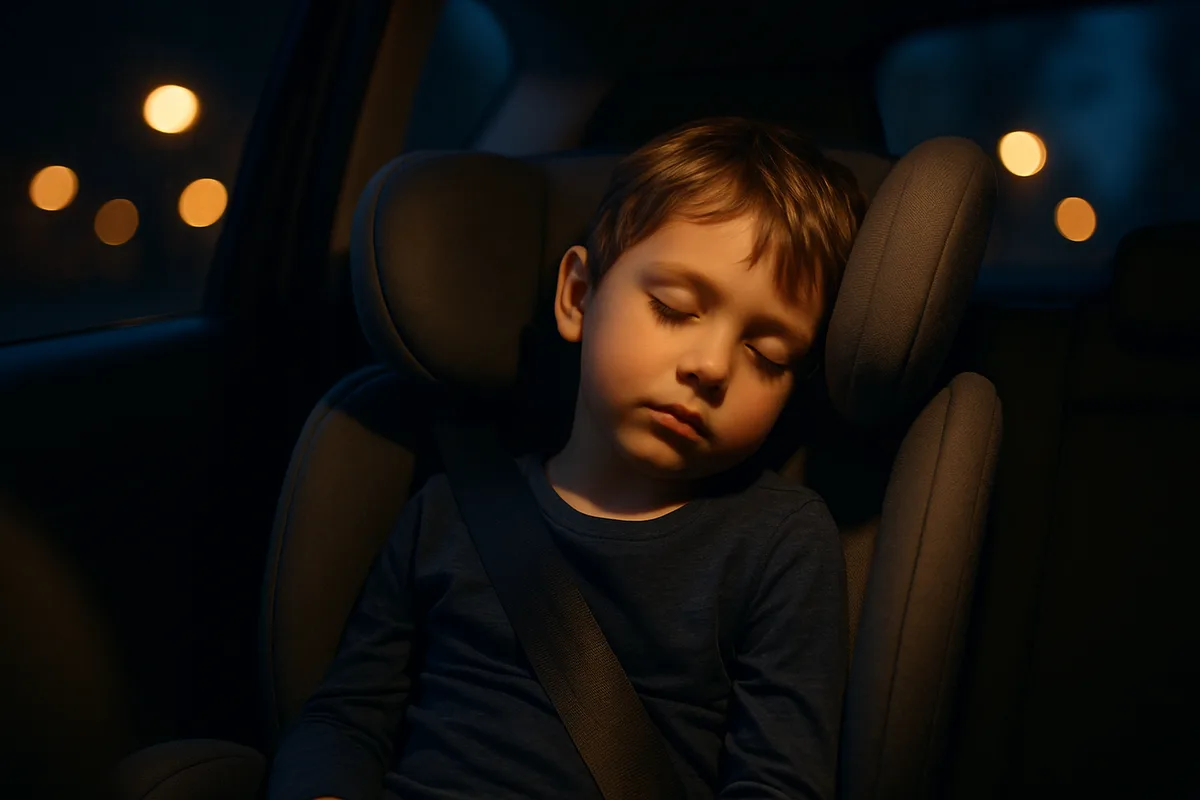
Have you ever noticed your child’s head suddenly flop forward while they’re sleeping in their booster seat? It’s a common sight that can worry any parent.
if it’s safe or what causes this sudden head drop. Understanding why this happens and how to keep your child comfortable and secure can make a big difference on every car ride.
Risks Of Head Flopping
Head flopping forward is a common issue when a child falls asleep in a all booster seat guides. This can cause discomfort and sometimes lead to injuries. Understanding the risks helps parents keep their children safe during car rides.
Potential Injuries
When a child’s head falls forward, the neck bends unnaturally. This can strain muscles and ligaments. In some cases, it causes neck pain or stiffness. A sudden jolt or stop might worsen the injury. The head may hit the booster seat or car window. This impact can cause bruises or cuts. Rarely, more serious injuries like concussions occur. Poor posture also reduces proper breathing. It may cause snoring or breathing difficulties during sleep.
Common Causes
Booster seats often lack head support for sleeping children. The seat belt may press uncomfortably on the neck. The child’s head is heavy compared to their neck strength. Long car trips lead to tired muscles and head drooping. The angle of the car seat can encourage forward falling. Children may lean forward to look outside or watch screens. Lack of proper seat adjustment increases the chance of head flop.
Choosing The Right Booster Seat
Choosing the right booster seat helps keep your child safe and comfortable. A good seat supports your child’s head and body. It prevents the head from flopping forward when they fall asleep. Picking the correct seat reduces risks during travel. Your child’s growth stage matters in this choice.
Each booster seat offers different features. Some seats have extra padding or adjustable headrests. Others focus on easy installation and cleaning. Understanding these options helps you select the best fit. Safety and comfort go hand in hand.
Seat Types And Features
Booster seats come in two main types: high-back and backless. High-back seats give extra head and neck support. They are best for cars without headrests. Backless seats are lighter and easy to move between cars. Both types use the car’s seat belt for safety.
Look for seats with side-impact protection. This feature cushions your child from side collisions. Adjustable headrests grow with your child. Some seats include armrests for added comfort. Choose features that match your child’s needs and your vehicle.
Proper Fit For Your Child
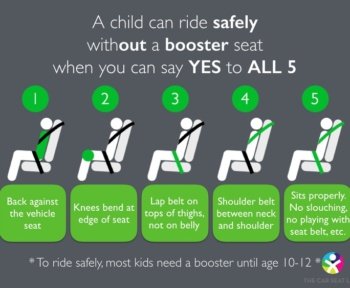
The right booster seat fits your child’s height and weight. Check the seat’s labels for limits. Your child’s back should rest against the car seat. The seat belt should lie across the chest and shoulder, not the neck or face. The lap belt must sit low on the hips.
Test the seat before buying. Your child should sit comfortably without slouching. Ensure the headrest supports the head when sleeping. A good fit keeps your child safe and comfortable during rides.
Safe Positioning Techniques
Keeping a child safe in a booster seat is important, especially when they fall asleep. Their head may flop forward, which can be uncomfortable or unsafe. Safe positioning techniques help keep the child’s head and neck supported. This reduces the risk of injury and improves comfort during travel.
Adjusting Seat And Headrest
Start by adjusting the booster seat properly. Make sure the seat fits your child’s size and weight. The headrest should be at the right height to support the head. It must not be too low or too high. Proper headrest position keeps the head stable and prevents it from falling forward. Adjust the seat belt to fit snugly but comfortably across the child’s chest and lap. This helps hold the child securely in place.
Using Neck Support Accessories
Neck support accessories add extra comfort for sleeping children. Use soft pillows or specially designed neck cushions. These supports keep the head from dropping forward. Choose accessories that attach safely to the booster seat. Avoid anything too bulky that could interfere with the seat belt. Make sure the materials are breathable and easy to clean. Neck supports improve rest and reduce strain on the child’s neck during trips.
Preventing Head Flop During Naps
Preventing head flop during naps in a booster seat is important for child safety and comfort. A child’s head falling forward can cause neck strain or breathing difficulty. Parents can use simple steps to reduce this risk and help children rest safely in the car.
It takes careful attention to posture and timing to keep a child’s head supported. Proper positioning helps the child stay comfortable and prevents sudden head drops. Managing ride length also plays a role in making naps safer and more restful.
Encouraging Good Posture
Teach your child to sit with their back straight against the booster seat. Use headrests or cushions designed for booster seats to support the head. Adjust the seat belt so it fits snugly without pressing on the neck. A good posture keeps the head steady and reduces flop risks. Remind children to avoid leaning forward or sideways during the ride.
Timing And Duration Of Rides
Shorter trips reduce the chance of deep naps with head flop. Plan breaks during long drives to let your child stretch and change position. Try to schedule naps before the car ride, so the child is less likely to sleep deeply. Avoid starting long trips when your child is very tired. Managing ride time helps keep naps safer and more comfortable.
Alternative Solutions For Sleepy Kids
Children often fall asleep during car rides. Their heads may flop forward in booster seats. This can be uncomfortable and unsafe. Parents need solutions to keep kids safe and comfy while sleeping in the car. Some options work better than others for sleepy kids. Here are two good alternatives.
Convertible Car Seats
all convertible car seat guidess adjust to different positions. They support a child’s head and neck well. These seats recline to a safer angle. This helps stop a child’s head from flopping forward. They grow with the child, so parents use them longer. Strong side padding adds extra protection. Convertible seats improve sleep comfort and safety.
Portable Travel Pillows
Travel pillows help support a child’s head during naps. They are soft and easy to carry. These pillows wrap around the neck or attach to the seat. They keep the head upright and reduce strain. Many designs fit booster seats perfectly. Travel pillows make car naps much safer and more comfortable.
Emergency Measures And When To Seek Help
When a child falls asleep in a booster seat and their head flops forward, quick action matters. Knowing what to do can protect your child from harm. This section explains emergency steps and signs that need medical help.
Recognizing Injury Signs
Watch for changes in your child’s behavior. Look for unusual sleepiness or difficulty waking up. Notice any vomiting or clear fluid from the nose or ears. Check if the child complains of a headache or shows confusion. Observe if the child has trouble moving arms or legs. Any loss of balance or seizures need urgent care.
First Aid Tips
Keep the child still and calm. Support their head and neck gently. Do not try to move the child unless necessary. If breathing stops, begin CPR immediately. Clear the airway if you see vomit or blockage. Apply a cold compress to the forehead if there is swelling. Call emergency services right away if injury signs appear.
Parental Tips safely
Watching a child fall asleep in a booster seat is common during car rides. Their heads may flop forward, which can worry parents. Simple steps can help keep your child safe and help you feel confident. Staying alert and teaching your child about safety are key parts of every trip. These tips will guide you through easy ways to protect your little one.
Monitoring During Trips
Stay attentive while driving. Check your child’s position often. Make sure their head stays supported. Adjust the seat belt and booster seat as needed. Stop safely if you notice discomfort. Use mirrors to watch your child without turning around. Small changes can prevent the head from flopping forward. Keep your child comfortable and secure the whole ride.
Educating Children About Safety
Talk to your child about car safety. Explain why sitting properly matters. Teach them to stay still in their seat. Show them how to use the seat belt right. Make safety fun with simple rules. Praise your child when they follow these rules. Good habits help prevent accidents and discomfort. Early lessons build lasting safety habits for every journey.
Common Questions Parents Ask
Why Does A Child’s Head Flop Forward In A Booster Seat?
A child’s head flops forward when asleep due to lack of neck support. Booster seats often don’t support a sleeping child’s head, causing discomfort and unsafe posture.
Is It Dangerous If A Child’s Head Falls Forward Asleep?
Yes, it can be dangerous. This posture may block airways and cause breathing difficulties. Always ensure proper head support for safety.
How Can I Prevent My Child’s Head From Falling Forward?
Use booster seats with headrests or neck support. Adjust seat positioning and consider car seats designed for sleeping children for better support.
When Should I Transition My Child From A Booster To A Car Seat?
Transition when your child outgrows the booster seat’s height or weight limits. Proper fit ensures safety and reduces head flop risks during sleep.
Uncomfortable or Unsafe? How to Tell the Difference
Here is the distinction that calms most parents down: a head tipped forward onto the chest usually looks far worse than it is for a booster-age child. What matters most in a crash is where the torso is. If your child’s back is still against the seat and the shoulder belt is still crossing the chest, the restraint can do its job even with a droopy head.
The situations that deserve a pull-over are different. Watch for the body sliding down or sideways until the belt is at the neck or off the shoulder entirely, or a child curled so far forward that the lap belt has migrated up onto the belly. Glance at the whole posture, not just the chin.
| What You See | What It Usually Means | What To Try |
|---|---|---|
| Head tipped forward, torso upright | Normal sleep posture, low concern | Check at the next stop; no urgent action needed |
| Whole body slumped sideways | Missing side support or headrest too low | Raise the high-back headrest or switch from backless to high-back |
| Belt at the neck or off the shoulder | Child has slid out of position | Pull over, reseat the child, and recheck belt guide height |
One more check worth doing: see whether your booster or vehicle manual allows a slightly reclined vehicle seat back. Even a small change in angle helps gravity keep a sleeping torso planted instead of folding forward.
If Your Child Sleeps on Most Rides, Rethink the Seat Itself
An occasional car nap is a positioning problem. A child who conks out on nearly every drive is a seat-selection problem, and that changes the decision.
A booster only works when the child holds their own position, awake or asleep. If your child still fits within the height and weight limits of a 5-point harness seat, moving back to the harness for this season of life is a legitimate and often smarter choice. The harness holds a sleeping body in place automatically, no repositioning required, and there is no downside to staying harnessed longer.
If your child has genuinely outgrown harness options, choose the booster with sleep in mind. A high-back model with deep head wings beats a backless booster for a known car sleeper, and the difference shows up on the very first highway nap. Save the backless booster for the carpool bag and short awake errands.
Schedule matters too. If a long drive is unavoidable at nap time, put the most sleep-friendly seat in the car for that trip, plan a stop roughly every couple of hours, and reposition your child at each break. Working with the nap instead of against it beats fighting posture for two hundred miles.
Skip the Head Straps and Tie-Back Gadgets
Search for a fix to head flop and you will find products that anchor a child’s head to the headrest: forehead bands, head hammocks, and strap-on slings. The promise is appealing. The physics are not.
In a crash, the body must be free to move with the restraint system as it was designed and tested. A strap that holds the head to the seat while the torso moves forward loads the neck in exactly the way restraints exist to prevent. No reputable car seat manufacturer tests their seats with these devices, which is why manuals tell you not to add anything that did not come with the seat.
- Avoid anything that fixes the head or neck to the seat. If it tethers, wraps, or clips the head in place, leave it on the shelf.
- Be cautious with bulky travel pillows. A thick wedge behind the head can push the head forward even when the child is awake. If you use one, keep it slim and make sure the shoulder belt still sits correctly.
- Let the seat do the supporting. Properly raised head wings on a high-back booster are the crash-tested version of everything those gadgets promise.
A crooked nap with a free-moving head is a comfort issue. A tethered head in a crash is a safety issue. Choose the comfort issue every time.
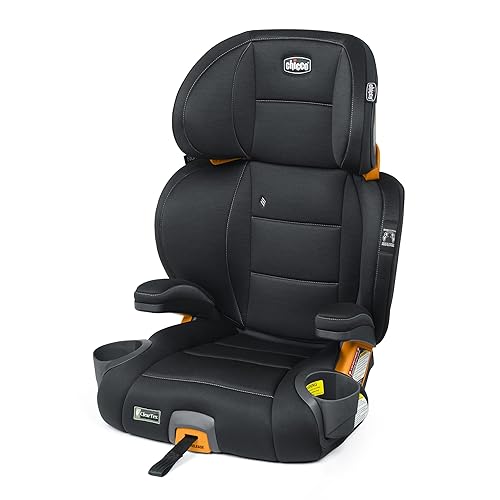
Chicco KidFit ClearTex Plus 2-in-1 Belt-Positioning Booster
- DuoGuard head and torso protection with 10-position height adjustment
- LATCH connectors with SuperCinch tightener keep the booster stable
- Flame retardant-free fabrics, removable and machine washable
As an Amazon Associate, topcarseats.com earns from qualifying purchases at no extra cost to you.
Key Takeaways for Parents
A child falling asleep in a booster seat can cause their head to flop forward. This may lead to discomfort or breathing problems. Parents should watch their child carefully during car rides. Adjusting the seat or using a neck support helps keep the head stable.
Safety and comfort go hand in hand on the road. Small changes make a big difference for young passengers. Always prioritize your child’s well-being to ensure a safe journey.