You want to keep your child safe, but what do you do when your car seat expires? Tossing it in the trash feels wrong, and if there’s a better way.
You want to keep your child safe, but what do you do when your car seat expires? Tossing it in the trash feels wrong, and if there’s a better way.
Knowing how to recycle or dispose of your expired car seat properly isn’t just good for the planet -it’s important for your family’s safety too. You’ll discover simple, practical steps to get rid of that old car seat responsibly.
Check Car Seat Expiration
Checking the expiration date on your car seat is very important. Car seats do not last forever. Over time, materials wear out and safety features may fail. Knowing when a car why car seats expires helps keep your child safe. It also guides you on how to recycle or dispose of the seat properly.
Locate The Expiration Date
Look for a label or sticker on the car seat. It is often found on the back, bottom, or side. The label shows the manufacture date and expiration date. The expiration date is usually six to ten years from the manufacture date. If you cannot find a date, check the user manual or manufacturer’s website. Never use a car seat without a clear expiration date.
Understand Safety Risks
Expired car seats can break or fail in a crash. Plastic parts may become weak or brittle. Harnesses and straps may lose strength. Padding and cushions can degrade and reduce protection. Using an old car seat puts your child at risk. Always replace car seats after their expiration date. Safety depends on using seats within their lifespan.
Assess Reusability
Assessing the reusability of an expired car seat is an important step before disposal. This helps reduce waste and may allow someone else to benefit from the seat. Careful checking ensures safety and usability for a new user. Take your time to evaluate the condition and possible options for reuse.
Inspect For Damage
Look closely at the car seat for any visible damage. Check for cracks, broken parts, or worn-out straps. Examine the buckle and harness for proper function. Even small damage can make the seat unsafe. Also, check the expiration date and any recall notices. A damaged or expired seat should not be reused for child safety.
Consider Donation Options
Some organizations accept gently buying a used car seats for donation. Confirm they allow expired seats and check their safety standards. Local charities or community groups might need car seats for families in need. Clean the seat thoroughly before donating. Donation gives the seat a second life and helps the environment.
Recycling Options
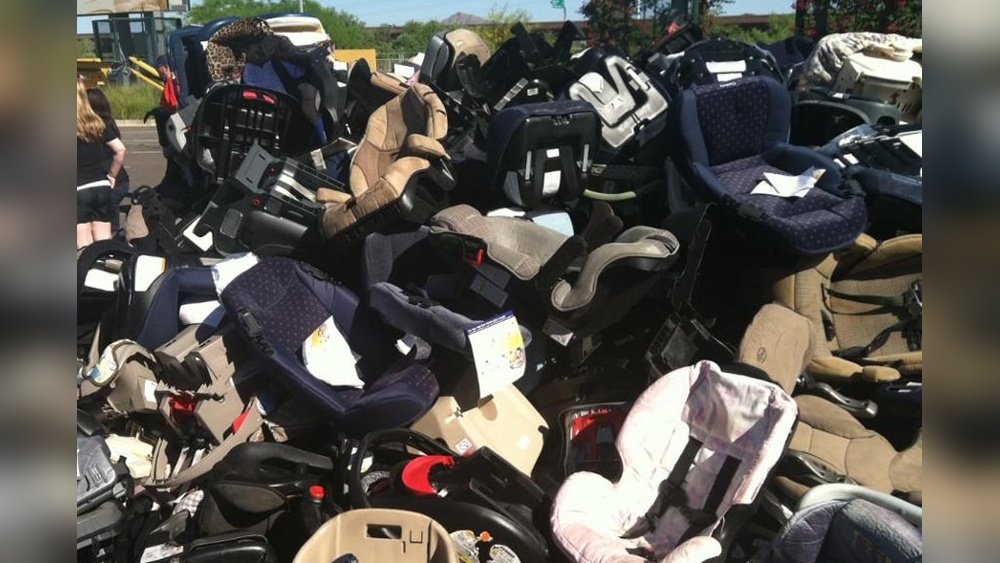
Expired car seats should not be thrown in the trash. Recycling helps reduce waste and protects the environment. There are several ways to recycle or dispose of your old car seat safely. Understanding your options makes the process easier and more effective.
Find Local Recycling Centers
Start by searching for recycling centers near you. Many communities have special programs for car seat recycling. Some centers accept car seats year-round, while others hold occasional collection events. Contact your local waste management or recycling facility to ask about car seat options. They can guide you on where and how to drop off your expired car seat.
Separate Materials For Recycling
Car seats are made of plastic, metal, and fabric parts. Separating these materials can help recycling centers process them better. Remove any removable fabric covers and straps. Metal parts can be recycled with scrap metal. Plastic components may need to be sorted by type. Check with your recycling center to know their requirements. Proper separation increases the chances of your car seat being recycled correctly.
Eco-friendly Disposal Methods
Expired car seats should not end up in landfills. They contain materials that can harm the environment. Eco-friendly disposal methods help reduce waste and protect nature. These methods make use of old car seats in smart ways. They turn trash into useful items or recycle parts safely.
Repurpose Parts
Many parts of a car seat can be reused. Fabric, foam, and plastic pieces can become new products. Old straps can turn into bag handles or belts. Foam padding can be used for cushions or pet beds. Repurposing keeps materials out of the landfill. It also saves resources and energy.
Use Specialized Disposal Services
Some companies offer safe car seat recycling. They break down seats into parts for recycling. Metals, plastics, and fabrics get processed separately. These services follow environmental rules to avoid pollution. Using them ensures car seats do not harm the planet. Find local recycling centers or waste management services for help.
Avoiding Environmental Harm
Expired car seats can cause harm to the environment if not disposed of properly. These seats contain materials that take a long time to break down. Avoiding environmental harm means finding ways to recycle or dispose of them safely. This helps protect nature and reduces waste in landfills.
Prevent Landfill Dumping
Throwing old car seats in landfills adds to pollution. Landfills fill up quickly and release harmful gases. Instead, find recycling centers that accept car seats. Some places break down the plastic and metal parts for reuse. This lowers the amount of waste and keeps land clean.
Handle Hazardous Components Safely
Car seats have parts like foam and straps that may be harmful. These materials can release toxins if burned or crushed. Remove batteries or electronic parts before disposal. Follow local rules for hazardous waste. This stops dangerous chemicals from entering soil and water.
Tips For Buying Sustainable Car Seats
Buying a sustainable car seat helps reduce waste and protect the environment. Choose a car seat that lasts long and uses eco-friendly materials. This way, you save money and help keep the planet clean.
Here are some tips to pick a car seat that is both safe and green.
Choose Recyclable Materials
Pick car seats made from recyclable plastics or metals. These materials can be reused instead of thrown away. Check product labels or ask the seller about the materials used. Avoid seats with mixed materials that are hard to recycle.
Recyclable seats reduce landfill waste and lower pollution. They also make it easier to dispose of the car seat safely after use.
Look For Longevity And Safety
Buy car seats that meet safety standards and last for years. Strong seats reduce the need to buy new ones often. Check for adjustable features that grow with your child.
Choose seats that can fit children of different sizes. This extends the seat’s life and cuts down waste. Prioritize safety certifications to keep your child protected.
Common Questions Parents Ask
How Do I Know If My Car Seat Is Expired?
Car seats usually have an expiration date printed on the label. Check the manufacturer’s manual or the plastic shell for the date. If it’s past, the seat may not provide proper safety in a crash.
Can Expired Car Seats Be Recycled Safely?
Most car seats contain mixed materials, making recycling challenging. Some local recycling centers accept parts, but verify first. Donating expired seats is unsafe, so recycling or proper disposal is best.
Where Can I Dispose Of An Expired Car Seat?
Check local waste management or hazardous waste facilities for guidelines. Some communities hold special disposal events for car seats. Avoid throwing seats directly in the trash to reduce landfill waste.
Is It Safe To Donate Or Sell An Expired Car Seat?
No, expired car seats should never be donated or sold. They may have weakened materials and outdated safety standards. Always dispose of expired seats responsibly to ensure child safety.
How To Strip A Seat For Recycling Step By Step
Recyclers want clean material streams, and a car seat is a sandwich of plastic, metal, and fabric. Twenty minutes with basic tools turns a bulky seat into sorted piles, and the same teardown makes the seat unusable, which protects the next family from pulling it out of a dumpster.
- Remove the fabric cover and padding. These go in the trash or textile recycling if your area accepts them.
- Cut the harness straps off completely and cut them into short pieces. This single step renders the seat unusable.
- Unscrew or pry off metal parts: the splitter plate, harness buckles, LATCH connectors, and any steel reinforcement bars. Metal recyclers take these.
- Pop off any rigid foam. EPS foam is rarely curbside recyclable but some drop off centers accept it.
- Mark the bare plastic shell with a permanent marker: EXPIRED, DO NOT USE. Check the shell for a resin code, usually 5 PP, and confirm whether your local facility accepts large rigid plastics.
If your area has no rigid plastic recycling, the stripped shell goes in regular trash. That is still a better outcome than a complete seat in a landfill, because the metal was recovered and the seat can never be reused.
Trade In Programs And Where To Look
Retail trade in events are the easiest disposal route because the store handles the recycling logistics and usually pays you to participate. Target has historically run a car seat trade in event roughly twice a year, offering a discount coupon toward new baby gear for each seat returned, and the event accepts expired, damaged, and incomplete seats. Walmart and other retailers have run similar events on and off.
Because dates and terms change every cycle, search the retailer name plus car seat trade in before you load the seat in the trunk, or ask at the service desk. Outside of event windows, check whether your city or county runs a hard to recycle collection day, and call local recycling centers directly. A few national programs also accept mailed in seats for a fee, which can be worth it if you live far from any participating facility.
Donating A Car Seat: When It Is Okay And When It Is Not
Donation feels generous, but with car seats the bar is high because the receiving family cannot verify the seat’s history. Only consider passing a seat along when every one of these is true:
- The seat has not expired and will not expire soon. Check the date label on the shell.
- It has never been in a crash, including minor fender benders.
- All parts are present, including the manual, padding, harness, and any required inserts.
- There are no recalls outstanding on the model. Check the manufacturer site with the model number and manufacture date.
- You know the recipient personally and they know the seat’s full history from you directly.
Most charity shops and shelters refuse used car seats for exactly these reasons. If any item on the list fails, recycle the seat instead. A free seat with an unknown history is not a gift, it is a risk transferred to someone with fewer options.

Graco Extend2Fit Convertible Car Seat
- Rear-facing harness from 4 to 50 lb, forward-facing harness to 65 lb
- 4-position extension panel adds up to 5 inches of legroom for longer rear-facing
- No-rethread harness and headrest adjust together in one motion
As an Amazon Associate, topcarseats.com earns from qualifying purchases at no extra cost to you.
Key Takeaways for Parents
Expired car seats need safe handling to protect children and the planet. Recycling parts helps reduce waste and pollution. Local recycling centers often accept old car seats. Some stores offer take-back programs for car seat disposal. Always check car how long convertible seats last dates before use.
Proper disposal prevents hazards and keeps communities clean. Small actions, like recycling, make a big difference. Choose safe, eco-friendly ways to get rid of old car seats. Protect your family and environment with smart disposal choices.