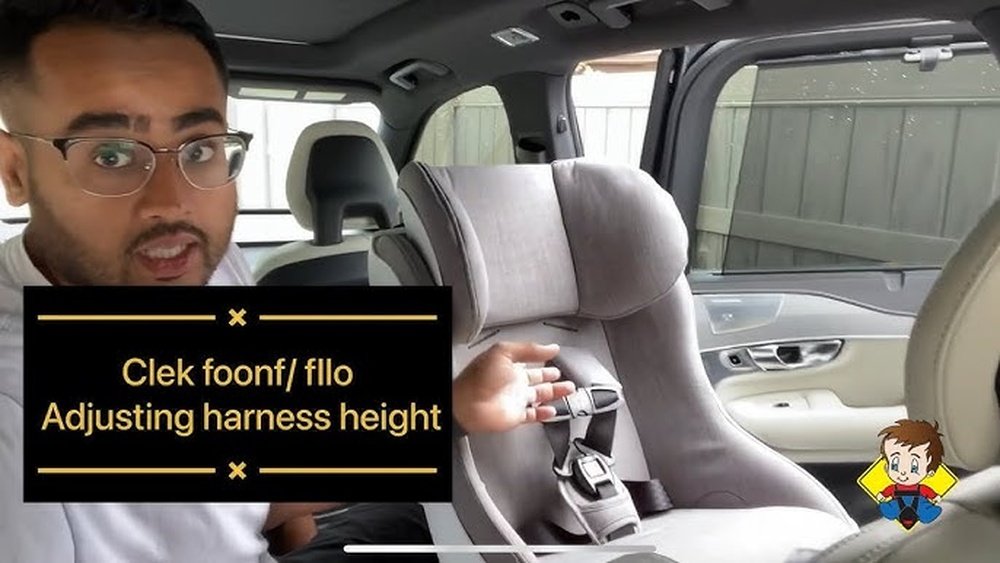
Making sure your child’s car seat harness fits just right is one of the most important steps to keep them safe on every ride. If the harness height isn’t adjusted properly, it can affect how well the seat protects your little one.
Making sure your child’s car seat harness fits just right is one of the most important steps to keep them safe on every ride. If the harness height isn’t adjusted properly, it can affect how well the seat protects your little one.
You might feel unsure about when and how to adjust it as your child grows. This guide will walk you through simple, clear steps to help you adjust the harness height quickly and correctly. By the end, you’ll have the confidence to keep your child secure and comfortable every time you buckle up.
Choosing The Right Harness Height
Choosing the right harness height is key to your child’s safety in a all convertible car seat guides. The harness must fit snugly and correctly. It keeps your child secure and comfortable during every ride. Adjusting the harness height depends on your child’s size and the car seat’s position. Knowing how to set it properly helps prevent injuries in case of sudden stops.
Age And Weight Guidelines
Check your car seat manual for age and weight limits. Most seats have harness slots designed for specific ranges. For infants, the harness straps should come through the slots at or below shoulder level. Toddlers need the straps at or above their shoulders. Adjust the harness height as your child grows. Use the slot closest to your child’s shoulders without forcing the straps.
Top-tether And Rear-facing Positions
Rear-facing seats offer extra protection for young children. In this position, harness straps should be at or below shoulder level. The top-tether strap anchors the seat to the vehicle. It limits forward movement during a crash. Make sure the tether is tight and properly attached. This setup keeps your child safer and the harness correctly positioned.
Tools Needed For Adjustment
Adjusting the harness height on a convertible car seat needs the right tools. These tools help make the process safe and simple. Sometimes, you only need your hands. Other times, a basic tool can make adjustment easier.
Knowing what tools are necessary saves time and avoids damage. Preparation is key for a smooth adjustment.
Checking The Manual
Start by reading the car seat manual. It lists tools needed for adjusting the harness height. Manuals often show step-by-step instructions. They also explain if tools like screwdrivers are needed. Follow these instructions carefully to avoid mistakes.
Common Adjustment Mechanisms
Most car seats use simple mechanisms for height adjustment. Some have a lever or button to move the harness straps. Others need a screwdriver to loosen and tighten screws. A few models require removing the straps and rethreading them. Knowing your car seat’s mechanism helps pick the right tool. Keep a flathead or Phillips screwdriver handy. Usually, no special tools are required beyond these basics.
Step-by-step Harness Height Adjustment
Adjusting the harness height of a convertible car seat is important for your child’s safety. A properly fitted harness holds your child securely during every ride. Follow these simple steps to adjust the harness height correctly. This guide helps you avoid common mistakes and keep your child comfortable.
Loosening The Harness Straps
Start by loosening the harness straps. Find the adjustment button or lever, usually near the front bottom of the seat. Press or lift it and pull the harness straps outward. Make sure the straps are loose enough to move freely over your child’s shoulders.
Repositioning The Harness Slots
Next, move the harness straps to the correct height. Slide the straps out of the current slots on the back of the seat. Choose the slots that are at or just above your child’s shoulders. Insert the straps into these new slots. Check that both straps sit evenly and are not twisted.
Re-tightening The Harness
Finally, tighten the harness straps again. Pull the adjustment strap until the harness fits snugly. The harness should lie flat and secure without any slack. Test the fit by sliding a finger between the harness and your child’s collarbone. It should be tight but comfortable.
Ensuring A Proper Fit
Ensuring a proper fit for your convertible car seat harness is key to your child’s safety. The harness must hold your child securely without causing discomfort. Adjusting the harness height correctly keeps your child safe in every ride. Follow simple steps to check and set the harness for the best fit.
Shoulder Strap Placement
Place the shoulder straps at or just below your child’s shoulders for rear-facing mode. For forward-facing, the straps should be at or just above the shoulders. This position helps keep your child secure in case of a sudden stop. Check the harness slots and move the straps as your child grows. Always use the slots closest to the shoulder level.
Chest Clip Positioning
Position the chest clip at armpit level. This keeps the straps centered on the chest. A chest clip too high or too low reduces protection. Snap the clip securely and adjust it after every harness height change. This small step improves the harness’s safety performance.
Snugness Check
Pull the harness straps tight enough so you cannot pinch any slack. The harness should feel snug but not uncomfortable. Loose straps can cause injury during a crash. Check the fit each time you place your child in the seat. A quick pinch test ensures the harness holds your child firmly in place.
Safety Tips And Common Mistakes
Adjusting the harness height on a convertible car seat is vital for your child’s safety. Small mistakes can reduce protection during a crash. Following safety tips helps keep your child secure. Avoid common errors that many parents make. These simple steps ensure the harness fits correctly every time.
Avoiding Twisted Straps
Straps must lie flat against your child’s body. Twisted straps can cause pressure points. They may also fail to hold your child properly. Always check the harness before buckling. Smooth out any twists or folds. This keeps the harness snug and safe.
Regularly Inspecting The Harness
Check the harness often for wear and damage. Look for frayed straps or broken parts. Replace the harness if you find any issues. Clean the straps as recommended by the manufacturer. Dirty straps can weaken the material and affect safety.
When To Adjust Again
Adjust the harness height as your child grows. The straps should be at or just above the shoulders. For rear-facing seats, straps go below the shoulders. For forward-facing, they go above. Check the fit every few months or after big growth spurts. Proper adjustment keeps your child secure and comfortable.
Additional Resources
Adjusting the harness height on your convertible car seat is important for your child’s safety. Sometimes, instructions can be confusing or unclear. Additional resources can help you get it right. These resources offer clear guidance and extra support. They ensure the harness fits your child perfectly.
Manufacturer Support
Most car seat makers offer detailed guides and videos. These resources explain how to adjust the harness height step-by-step. You can find them on the company’s website or in the user manual. Some brands also have customer service teams ready to answer questions. They provide advice tailored to your specific car seat model.
Professional Installation Help
Certified car seat technicians can help with adjustments. They check if the harness is at the right height and fits well. Many communities have car seat inspection stations. These experts can spot mistakes and show you how to fix them. This service often is free or low-cost. It gives peace of mind that your child is safe.
Common Questions Parents Ask
How Do I Know When To Adjust Harness Height?
Adjust the harness height when your child’s shoulders reach the seat’s current harness slot. Ensure the straps are at or just above the shoulders for forward-facing seats. Proper harness height improves safety and comfort during travel.
Can I Adjust Harness Height Without Rethreading?
Some convertible car seats offer no-rethread harness adjustments. Use the harness height adjuster lever or button to change strap height easily. This feature saves time and maintains the correct fit for your growing child.
How Often Should Harness Height Be Checked?
Check the harness height every time your child grows or changes position. Regular adjustments keep the harness snug and secure. Proper harness height prevents injury and ensures your child’s safety during car rides.
What Tools Do I Need To Adjust Harness Height?
Most convertible car seats require no tools to adjust harness height. Use built-in levers, buttons, or slots as instructed in the manual. Follow manufacturer guidelines to ensure a safe and correct adjustment.
Rethread or No Rethread: Know Which Seat You Have
Convertible seats handle height changes in two very different ways, and your routine depends on which one is in your car. A rethread harness uses fixed slots in the seat shell. To change height, you unhook the straps from the metal splitter plate on the back, pull them out, and feed them through a new pair of slots. A no-rethread harness ties the strap height to the headrest, so squeezing a handle and sliding the headrest up moves the straps with it.
No-rethread seats are faster, but they still need attention. After sliding the headrest, push down on it gently to confirm it clicked into a locked position rather than resting between notches. A headrest that is not locked can shift downward over time, leaving the straps lower than you set them.
Rethread seats reward a slower, deliberate process. Take a photo of the back of the seat before you start so you can confirm everything ended up routed the same way it began. Plan the change for a quiet moment at home, never in a parking lot with a waiting toddler.
Troubleshooting Strap Problems After an Adjustment
Most harness problems show up right after a height change, and almost all of them trace back to the same few causes. Before assuming the seat is broken, work through this list.
- One strap is suddenly longer than the other. The straps probably attached to the splitter plate unevenly, or one slid along the plate during rethreading. Unbuckle, look at the back of the seat, and confirm both straps sit in matching positions on the plate.
- The harness will not tighten. Check that the adjuster strap is not caught under the seat shell or pinched in the recline mechanism. Also confirm the straps glide freely through the new slots and are not folded inside the shell.
- The harness will not loosen. Press the release button fully while pulling both shoulder straps at the chest, not at the ends. Pulling one strap or pulling at an angle makes the adjuster bind.
- A strap looks twisted behind the shell. Fix it now, not later. A twist hidden behind the seat concentrates crash forces on a narrow band of webbing instead of spreading them flat.
After any fix, buckle your child in and run the full check again: strap height at the shoulders, pinch test at the collarbone, chest clip at armpit level. One change often nudges something else out of place.
If Your Child Keeps Slipping Arms Out of the Harness
Harness escapes feel like a discipline problem, but they are usually a fit problem, and harness height is the most common culprit. Straps that sit too low relative to the shoulders create slack near the neck that a determined toddler can wiggle through in seconds.
Start by rechecking the basics with your child seated and relaxed. Confirm the strap height matches the mode you are in, tighten until the pinch test passes, and slide the chest clip up to armpit level. Many escapes stop cold once those three things are right, because there is simply no room left to maneuver.
If your escape artist persists, remove bulky clothing that creates hidden slack, and make stopping the car your consistent response so the behavior never gets rewarded with attention mid-drive. Avoid aftermarket strap gadgets that did not come from your seat’s manufacturer, since anything not crash tested with the seat can change how the harness performs. If nothing works, call the manufacturer’s support line and ask what they approve for your model, and consider a visit to a certified technician who can watch your child in the seat and spot the specific gap they are exploiting.

Graco Extend2Fit Convertible Car Seat
- Rear-facing harness from 4 to 50 lb, forward-facing harness to 65 lb
- 4-position extension panel adds up to 5 inches of legroom for longer rear-facing
- No-rethread harness and headrest adjust together in one motion
As an Amazon Associate, topcarseats.com earns from qualifying purchases at no extra cost to you.
Key Takeaways for Parents
Adjusting your convertible car seat harness height keeps your child safe and comfortable. Always check the harness level as your child grows. The straps should sit at or just above the shoulders. Make small adjustments regularly for the best fit.
A properly fitted harness helps protect during every ride. Keep the process simple and follow the car seat manual. Safety starts with the right harness height. Stay attentive, adjust often, and drive with confidence.