Putting your newborn in a car seat for the first time can feel overwhelming. You want to keep your baby safe and comfortable, but it’s easy to worry if you’re doing it right.
Putting your newborn in a car seat for the first time can feel overwhelming. You want to keep your baby safe and comfortable, but it’s easy to worry if you’re doing it right.
Don’t worry -this guide will walk you through every step clearly and simply. By the end, you’ll feel confident and ready to travel with your little one safely.
Choosing The Right Car Seat
Choosing the right car seat is the first step to keep your newborn safe during travel. The right seat fits your baby well and matches your car’s design. It also meets safety rules and standards. This choice helps you feel confident and calm every time you drive with your baby.
There are many types of car seats, but not all fit newborns. Newborns need seats that support their small size and fragile bodies. The seat should protect their head and neck perfectly. Look for seats that are made for babies from birth to 12 months.
Check For Safety Standards
Always pick car seats that meet official safety rules. Look for labels showing approval by safety groups. These seats pass tough tests to protect your baby in accidents. Safety standards change. Choose a seat with the newest approval date.
Choose Rear-facing Car Seats
Newborns must ride in rear-facing seats. These seats support the head, neck, and spine better. They reduce injury risks in crashes. Rear-facing seats keep your baby safe and snug. Keep the seat rear-facing as long as the baby fits.
Consider The Size And Weight Limits
Every car seat has size and weight rules. Check these limits before buying. The seat should fit your newborn without extra space. A snug fit means better safety and comfort. Make sure it can hold your baby for many months.
Think About Installation Ease
Choose a seat that fits well in your car. It should be easy to install and remove. Clear instructions help avoid mistakes. Some seats come with base units that stay in the car. This makes it faster to click the seat in and out.
Preparing The Car Seat
Start by placing the car seat on a flat, stable surface. Secure the straps and check that the seat is tight and does not move. Gently lay your newborn in the seat, making sure the harness fits snugly around their body.
Check The Car Seat Manual
Start by reading the car seat manual carefully. Each model has specific instructions. Follow them strictly to ensure safety. The manual explains installation steps and harness adjustments. Keep it handy during setup for easy reference.
Inspect The Car Seat For Damage
Look over the car seat for cracks or broken parts. Check the straps for fraying or tears. Damaged seats may not protect your baby well. Use only seats in perfect condition to keep your newborn safe.
Install The Car Seat Correctly
Place the car seat in the back seat, facing rearward. Use the vehicle’s seat belt or LATCH system to secure it tightly. The seat should not move more than an inch side to side. Proper installation prevents movement during travel.
Adjust The Harness And Straps
Loosen the harness straps before placing your newborn inside. Position the straps at or below your baby’s shoulders. Buckle the harness and tighten it snugly. The harness must lie flat without twists for best security.
Add Newborn Support If Needed
Some car seats include inserts for newborns. Use these to provide extra head and neck support. Make sure the insert fits well and does not interfere with the harness. Proper support keeps your baby comfortable and safe.
Dressing Your Newborn Appropriately
Dressing your newborn properly is key for a safe car ride. Clothes should keep your baby comfortable and secure in the car seat. Thick coats or bulky clothes can stop the straps from fitting well. This reduces the car seat’s protection in a crash.
Choose soft, thin layers that warm your baby without bulk. Layers help adjust to changing temperatures. This way, your baby stays cozy without extra padding under the harness.
Dress Your Baby In Thin Layers
Thin layers trap heat but stay slim under the car seat straps. Use a soft onesie or a thin sleeper as a base. Add a lightweight jacket or blanket over the harness after buckling your baby in. This keeps warmth without blocking the straps.
Avoid Bulky Jackets And Snowsuits
Bulky coats make the harness loose. Loose straps can cause injury in a crash. Remove thick jackets before placing your baby in the car seat. Wrap a blanket over the harness for warmth instead. This keeps your baby warm and safe.
Check The Harness Fit Every Time
Always check the harness after dressing your baby. Straps should lie flat and be snug. You should not pinch any slack at the shoulder. Adjust straps if needed to keep your baby secure and comfortable.
Positioning The Car Seat In The Vehicle
Positioning the car seat in the vehicle is a crucial first step. The right placement keeps your newborn safe and secure during travel. Understanding the best spot and angle helps protect your baby in case of sudden stops or accidents.
Choosing the correct position also makes it easier to install the seat properly. It ensures the straps fit well and the seat stays stable. This part of the process requires careful attention.
Choose The Back Seat
Always place the car seat in the back seat. It is the safest place for a newborn. The middle of the back seat is best if the car design allows.
This spot avoids impact zones during side crashes. It also keeps your baby away from active airbags.
Face The Rear Of The Vehicle
Newborns must ride in rear-facing car seats. This position supports their head, neck, and spine. It helps reduce injury risk in crashes.
Make sure the seat faces the rear firmly. The angle should be about 45 degrees to keep your baby’s airway open.
Secure The Car Seat Tightly
Check that the car seat does not move more than an inch side to side. Use the seat belt or LATCH system to lock it in place.
Tightening the straps ensures the seat stays put. A loose seat can harm your baby in sudden stops.
Check The Angle Indicator
Most car seats have an angle indicator. It shows the correct tilt for newborns. Adjust the base until the indicator shows proper positioning.
This prevents your baby’s head from falling forward. Keep checking the angle after every trip.
Securing The Car Seat Properly
Securing the car seat properly is the most important step for your newborn’s safety. A correctly installed car seat protects your baby in case of sudden stops or accidents. It also keeps your baby comfortable and stable during the ride. Take time to make sure the seat is firmly attached and all straps are tight.
Check The Seat Belt Or Latch System
Use either the seat belt or the LATCH system to secure the car seat. Do not use both at the same time. Pull the belt or LATCH strap tight. Push down on the car seat to remove any slack. The seat should not move more than an inch side to side or front to back.
Position The Car Seat At The Correct Angle
Newborns need a reclined position to keep their airways open. Most car seats have an angle indicator. Adjust the seat until it shows the right angle. A wrong angle can cause breathing problems or discomfort.
Secure The Harness Straps Properly
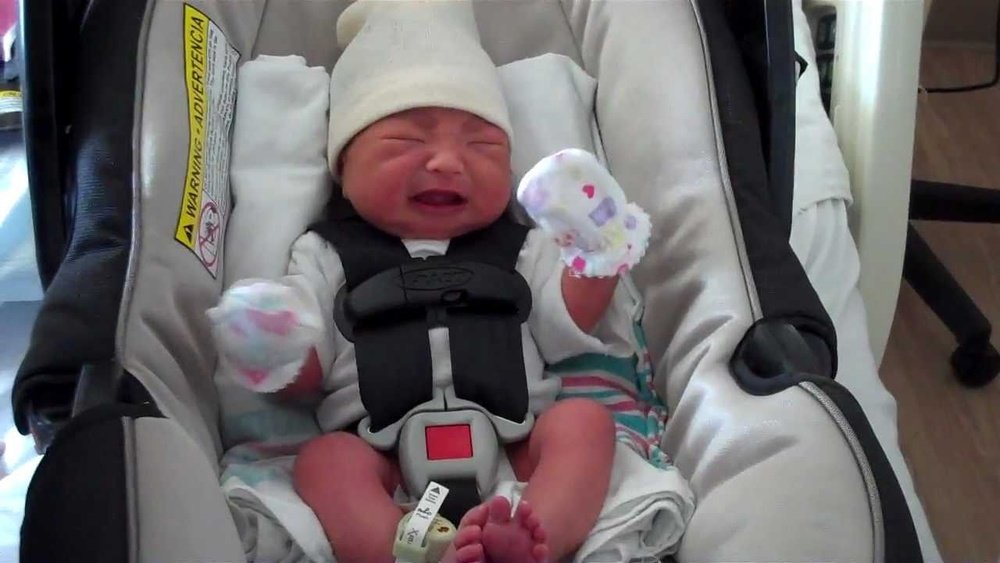
Place your baby in the car seat with the harness straps over their shoulders. The straps should be snug but not too tight. You should not be able to pinch any slack. The chest clip must be at armpit level to keep the straps in place.
Placing Your Newborn In The Seat
Placing your newborn in the car seat for the first time can feel tricky. The seat keeps your baby safe during every ride. Taking the right steps helps avoid discomfort and keeps your baby secure.
Start by preparing the seat and straps. Make sure everything is clean and ready. Your baby will feel more comfortable and safe.
Prepare The Car Seat Base And Straps
Check the car seat base is firmly installed in the car. The straps should lie flat without twists. Adjust the harness to the correct height for your baby.
Gently Place Your Newborn In The Seat
Lift your baby carefully, supporting the head and neck. Place the baby’s bottom and back firmly against the seat. Avoid bulky clothes that may affect harness fit.
Secure The Harness Straps Properly
Bring the harness straps over your baby’s shoulders. Buckle the chest clip at armpit level. Tighten the straps until snug but not too tight.
Double Check For Safety And Comfort
Ensure the harness does not pinch the skin. Your baby should lie flat and feel snug. Adjust as needed before starting your trip.
Adjusting The Harness Correctly
Adjusting the harness correctly is very important for your newborn’s safety. The harness holds your baby securely in the car seat. A loose or tight harness can cause discomfort or danger during travel.
Follow these simple steps to make sure the harness fits your newborn perfectly. Proper adjustment helps protect your baby from sudden stops or bumps.
Positioning The Harness Straps
Place the harness straps at or just below your baby’s shoulders. This position keeps the straps snug and prevents slipping. Check the car seat manual for exact strap height instructions.
Securing The Chest Clip
Slide the chest clip to the middle of your baby’s chest. It should be at armpit level, not too high or too low. This clip keeps the straps in the correct position.
Checking The Tightness Of The Harness
Pull the harness straps to remove slack. The harness should be snug but not tight. You should not be able to pinch any strap material at your baby’s shoulder.
Ensuring Comfort And Safety
Make sure the straps lie flat without twists. Check your baby’s clothing to avoid extra bulk under the harness. The right fit keeps your newborn safe and comfortable.
Checking For Proper Fit And Safety
Checking the proper fit and safety of a newborn in a car seat is very important. It ensures the baby stays secure and comfortable during travel. A well-fitted car seat can protect your baby in case of sudden stops or accidents. Always take time to double-check the straps, buckles, and seat position before starting your journey.
Checking Harness Straps For Snugness
Place your baby in the car seat and buckle the harness. Tighten the straps until they lie flat without twists. The harness should feel snug but not too tight. You should not be able to pinch any slack at the shoulder. This keeps the baby safely in place.
Positioning The Chest Clip Correctly
Slide the chest clip to armpit level. This keeps the harness straps in the right place. A chest clip too low or too high can reduce protection. It also helps prevent the baby from slipping out of the straps.
Adjusting The Seat Angle For Comfort
Newborns need a reclined position to keep airways open. Check the the correct infant-seat recline angle indicator to set the right tilt. The seat should not be too upright or too flat. A proper angle reduces the risk of breathing problems.
Ensuring The Car Seat Is Secure In The Vehicle
Attach the car seat firmly to the vehicle’s anchor points. It should not move more than one inch side to side or front to back. A loose seat can be very dangerous in sudden stops. Always follow the car seat manual for proper installation.
Common Mistakes To Avoid
Putting a newborn in a car seat for the first time can feel tricky. Many parents make simple mistakes that can affect safety. Knowing what to avoid helps keep your baby safe and comfortable.
Focus on proper steps and careful checks. Small errors can cause big problems. Here are common mistakes to watch out for.
Incorrect Harness Tightness
Too loose or too tight straps can harm your baby. Straps should fit snugly against the chest. You should not be able to pinch any slack.
Wrong Strap Position
Harness straps must be at or just below the baby’s shoulders. Straps placed too high or low reduce protection during a crash.
Using Bulky Clothing
Thick coats or blankets under the harness create gaps. This reduces the harness’s effectiveness in a crash. Dress your baby in thin layers and cover with a blanket after buckling.
Placing The Car Seat Too Loosely
The car seat must not move more than one inch side to side. A loose seat increases injury risk. Always secure the seat tightly using the seat belt or LATCH system.
Not Checking The Seat Angle
Newborns need a reclined angle to keep airways open. Too upright or too flat positions can cause breathing problems. Use the car seat’s angle indicators to adjust properly.
Tips For Stress-free First Rides
Taking your newborn on the first car ride can feel overwhelming. New parents often worry about safety and comfort. These tips help make the first rides calm and smooth. Simple steps can reduce stress for both you and your baby.
Start early by practicing how to place your baby in the car seat. This builds confidence. Keep your baby calm and happy during the trip with easy tricks.
Prepare The Car Seat Before The Trip
Install the car seat properly before placing your baby inside. Check all straps and buckles. Make sure the seat is tight and secure in the car. Use a mirror to see your baby while driving.
Dress Your Baby Comfortably
Choose soft, lightweight clothes for your newborn. Avoid bulky jackets or blankets under the straps. Layers work well to keep your baby warm without extra bulk.
Keep The Ride Short And Quiet
Start with short trips to help your baby get used to the car. Drive slowly and avoid sudden stops. Play soft music or keep the car quiet to soothe your baby.
Use Soothing Sounds Or Toys
Soft lullabies or white noise can calm your newborn. A favorite small toy or pacifier helps too. Keep the items safe and attached to the seat.
Stay Close And Calm
Your calm presence helps your baby feel safe. Talk softly or sing quietly during the ride. Avoid loud noises or sudden movements.
Common Questions Parents Ask
How Do I Prepare The Car Seat For My Newborn?
Start by reading the car seat manual carefully. Place the car seat in the back seat, rear-facing. Make sure the base is tightly installed.
What Is The Safest Position For A Newborn In A Car Seat?
Always place your newborn rear-facing in the back seat. This position protects their head, neck, and spine in a crash.
How Tight Should The Car Seat Straps Be On A Newborn?
Straps should be snug but comfortable. You should not be able to pinch any slack at the shoulder.
Can My Newborn Wear A Jacket In The Car Seat?
Avoid bulky jackets or blankets under the straps. Use a thin layer and cover your baby with a blanket after buckling.
How Do I Check If The Car Seat Is Installed Correctly?
The car seat should not move more than an inch side to side. Use the level indicator to ensure correct angle.
When Is The Best Time To Put A Newborn In The Car Seat?
Put your newborn in the car seat right before you start driving. Never leave your baby unattended in the seat.
How Do I Position The Car Seat Straps At First Use?
Place the straps at or below your baby’s shoulders. Ensure the chest clip is at armpit level for safety.

Chicco KeyFit Max Zip ClearTex Infant Car Seat
- Anti-rebound bar and 5-position headrest help maximize rear-facing time
- Two bubble level indicators and premium LATCH for an accurate base install
- Flame retardant-free ClearTex fabrics, GREENGUARD Gold certified
As an Amazon Associate, topcarseats.com earns from qualifying purchases at no extra cost to you.
Key Takeaways for Parents
Putting your newborn in a car seat can feel tricky at first. Practice makes the process easier and faster. Always check the straps and buckles for safety. Keep your baby snug but not too tight. Remember, comfort matters for a happy ride.
Stay calm and patient during each trip. Your baby’s safety is the most important thing. Soon, this will become a simple routine. Trust yourself -you are doing a great job. Enjoy every moment with your little one.