why something as simple as a car ride turns into a meltdown.
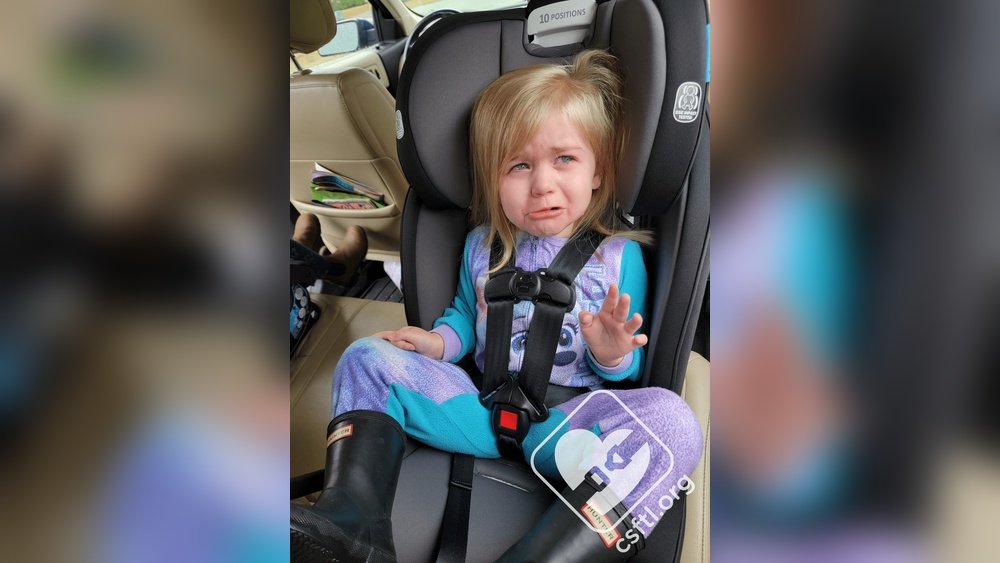
If you’ve ever felt frustrated or worried because your baby cries every time they’re in their car seat, you’re not alone. why something as simple as a car ride turns into a meltdown.
Understanding the reasons behind your baby’s tears can make those trips smoother and less stressful for both of you. You’ll discover the common causes of car seat crying and practical ways to help your little one feel calm and comfortable.
Common Triggers For Crying In Car Seats
Babies often cry in their car seats for many reasons. Understanding what triggers their discomfort helps parents find quick solutions. This section covers common causes of crying during car rides.
Recognizing these triggers can make trips smoother for both baby and parent. Knowing what makes your baby unhappy helps you act faster.
Discomfort From The Car Seat
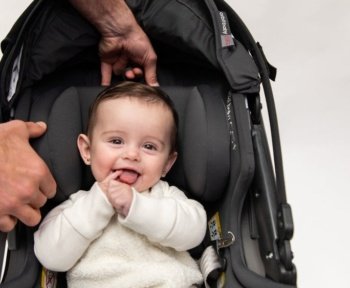
Car seats can feel tight or awkward for babies. Straps may press too hard or sit too loosely. Babies might not like the seat’s texture or temperature. These small discomforts can cause fussiness.
Hunger Or Thirst
Babies often cry when hungry or thirsty. Car rides can delay feeding times. Even a short wait can make them upset. Check feeding schedules before starting the trip.
Need For Sleep
Car seats can make it hard for babies to sleep well. Bright lights, noise, or movement may keep them awake. Tired babies cry more and become fussy quickly.
Feeling Too Hot Or Cold
Temperature affects baby comfort greatly. A seatbelt or blanket might cause overheating. Cold air from vents can chill babies. Adjust the car temperature to keep your baby comfortable.
Motion Sickness Or Discomfort
Some babies feel sick from car movement. The rocking or bouncing can upset their stomach. Motion sickness leads to crying and restlessness. Short breaks may help ease their discomfort.
Discomfort From Car Seat Position
Babies often cry in their car seats due to discomfort from the seat’s position. The way a car seat holds a baby affects their comfort. If the seat is too tight or awkward, babies may feel uneasy. This feeling can cause them to cry during car rides.
Car seats come in many shapes and sizes. Not every seat fits every baby well. A poor fit can cause pressure points or restrict movement. Babies need enough room to move their arms and legs comfortably. The wrong angle can also strain their neck or back.
Seat Angle And Baby’s Neck Support
The angle of the car seat matters a lot. A seat tilted too far forward or backward can hurt a baby’s neck. Babies have weak neck muscles and need proper support. A bad angle forces their head to fall forward or sideways. This leads to discomfort and crying.
Straps That Are Too Tight Or Loose
Straps that hold the baby in place must fit just right. Tight straps can pinch the skin or limit blood flow. Loose straps fail to provide needed support, causing the baby to slip. Both situations make babies feel unsafe and upset.
Insufficient Padding And Hard Surfaces
Car seats with thin padding or hard plastic surfaces cause discomfort. Babies sit for long periods, so soft cushioning is important. Lack of padding creates pressure points on delicate skin. This can make babies restless and fussy during rides.
Improper Seat Size For Baby’s Growth
Babies grow fast, and their car seat needs to keep up. Seats too small or too big affect comfort. A small seat squeezes the baby, causing pain. A large seat may not hold the baby securely, leading to discomfort.
Temperature Issues Inside The Car
Babies often cry in car seats because they feel too hot or too cold inside the car. Temperature changes can make them uncomfortable and restless. Keeping the car at a steady, comfortable temperature helps calm your baby during rides.
How Heat Affects Your Baby In The Car Seat
Cars can become very hot inside, even on mild days. Babies feel the heat more because they cannot move away or cool down easily. The car seat straps and padding can trap heat, making your baby uncomfortable. This discomfort often causes crying and fussiness.
Heat makes it hard for babies to regulate their body temperature. Their skin may become sweaty or flushed. Babies may also feel restless and irritable from the heat.
Signs Your Baby Is Too Hot In The Car
Watch for signs like redness on the skin or damp clothes from sweat. Heavy breathing and flushed cheeks show your baby is too warm. Your baby might push against the seat straps or move a lot. These are clear signals of overheating.
Tips To Keep Your Baby Cool And Comfortable
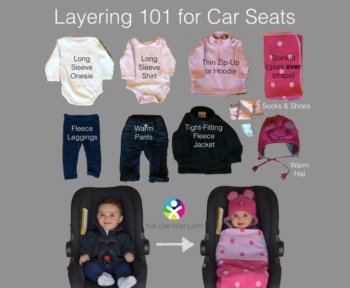
Use light, breathable clothes for your baby during car rides. Park in shaded areas to avoid direct sunlight on the car seat. Open windows or use air conditioning to circulate fresh air. Remove thick blankets or covers that may trap heat. Check your baby often for signs of heat stress.
Hunger Or Thirst While Traveling
Babies often cry in their car seats because they feel hungry or thirsty. Traveling can make it hard for them to tell you they need food or drink. The motion and noise might distract them from calm feelings.
When babies get hungry or thirsty, they become upset quickly. Their small stomachs need regular feeding. Without enough food or drink, crying is their way to ask for help.
Signs Your Baby Is Hungry In The Car Seat
Watch for lip smacking or sucking motions. Babies may also turn their heads toward a breast or bottle. Fussiness and restlessness can show hunger too. These signs often appear before full crying.
How Thirst Affects Your Baby While Traveling
Thirst can cause dry mouth and fussiness. Babies cannot tell you they need water. In warm cars, dehydration happens faster. Crying might be the only way they express thirst.
Tips To Keep Your Baby Fed And Hydrated
Bring bottles or breastfeed before trips. Offer small sips of water for babies over six months. Stop often for feeding breaks on long drives. Keep snacks ready for older babies. Staying ahead of hunger helps prevent crying spells.
Need For Diaper Change
Babies often cry in their car seats for many reasons. One common cause is the need for a diaper change. Wet or dirty diapers make babies uncomfortable quickly. They feel cold, sticky, or itchy, which causes distress.
When a baby sits in a soiled diaper, the discomfort grows. The car seat can press the diaper against their skin, increasing irritation. This pressure can make the baby cry louder or more often.
Parents can check the diaper before starting a trip. Regular diaper changes keep babies happy and calm in the car seat. A clean diaper helps the baby relax and enjoy the ride.
Signs Your Baby Needs A Diaper Change
Look for fussiness or sudden crying in the car seat. Touch the diaper area gently to check if it feels wet or heavy. A strong smell might also signal a diaper change is needed.
How A Dirty Diaper Affects Baby’s Comfort
Wet diapers cause skin irritation and rashes. The baby’s sensitive skin reacts to moisture and bacteria. This discomfort often leads to crying and restlessness in the car seat.
Tips To Prevent Crying Due To Diaper Needs
Change the diaper right before placing the baby in the car seat. Use diapers that absorb well and fit snugly. Keep extra diapers handy during trips for quick changes.
Overstimulation From Surroundings
Babies can feel overwhelmed by the sights and sounds around them. In a car seat, many new things happen at once. Bright lights, loud noises, and moving objects can all add to their stress. This can cause your baby to cry often during car rides.
Overstimulation happens when the brain gets too much information to handle. Babies have small brains that are still developing. They need quiet and calm to feel safe. Too much activity can make them upset and restless.
Bright Lights And Flashing Images
Cars often pass by bright lights and shiny surfaces. Streetlights, headlights, and reflections can be confusing. These lights can make your baby feel uneasy. They may cry to show discomfort with the brightness.
Loud Noises And Sudden Sounds
Engines, horns, and road noise can be very loud for babies. Sudden sounds can startle them easily. Babies have sensitive hearing. Loud noises can make them feel scared or stressed.
Constant Movement And Changing Views
The car moves fast, and the view changes quickly. This can confuse your baby. They may find it hard to focus on one thing. The constant motion can make them feel dizzy or uneasy.
Too Many People Or Talking
More voices and faces inside the car can overwhelm a baby. Too much talking or noise from passengers adds to the stress. Babies need quiet time to relax and feel secure.
Separation Anxiety In The Car
Separation anxiety is a common reason babies cry in their car seats. Babies feel safe when close to parents. The car seat creates distance, making them feel alone. This triggers their anxiety and leads to tears. Understanding this helps parents soothe their babies better.
Why Separation Anxiety Happens In The Car
Babies need constant comfort from parents. Moving to a car seat changes their environment quickly. They cannot see or touch their parents easily. This sudden separation feels scary to them. The unfamiliar setting adds to their worry.
Signs Of Separation Anxiety In The Car
Crying starts as soon as the baby is placed in the seat. The baby may look around for parents. Some babies cling to the car seat straps. They might scream louder than usual. These signs show they want to be close to parents.
How To Calm Your Baby During Car Rides
Talk to your baby softly before and during the ride. Play gentle music or sing a lullaby. Use a favorite toy or blanket in the car seat. Stop often to hold and comfort your baby. These actions help reduce anxiety and tears.
Motion Sickness And Its Effects
Babies often cry in car seats due to motion sickness. This happens when their inner ear senses movement, but their eyes see a different scene. The brain gets mixed signals. This confusion can make babies feel dizzy and upset.
Motion sickness affects many children during car rides. It causes nausea, discomfort, and sometimes vomiting. Babies cannot explain how they feel, so crying is their way to show distress.
How Motion Sickness Develops In Babies
The inner ear helps balance and sense motion. In a moving car, the ear detects movement. If the eyes do not see this movement clearly, the brain gets confused. This causes motion sickness symptoms.
Common Signs Of Motion Sickness In Car Seats
Watch for pale skin, drooling, and fussiness. Babies may also yawn or rub their faces often. Crying without clear reason can be a sign of motion sickness.
Why Babies Are More Sensitive To Motion
Babies’ nervous systems are still developing. Their inner ears and vision do not always work well together. This makes them more likely to feel sick in moving cars.
Lack Of Proper Sleep Or Rest
Babies need enough sleep to feel calm and happy. Lack of proper sleep or rest can make a baby fussy and upset. Sitting in a car seat might make it hard for them to sleep well. This can cause crying during car rides.
Car seats can limit a baby’s movement. This restriction can make it difficult to find a comfortable sleeping position. When a baby cannot rest properly, they get tired and irritable.
How Sleep Affects Baby’s Mood In The Car Seat
Tired babies often cry more. Sleep helps them stay calm and relaxed. Without enough rest, babies feel frustrated and uncomfortable. Crying is their way to express these feelings.
Signs Your Baby Needs More Rest Before Car Trips
Look for yawning, rubbing eyes, or fussiness. These signs show your baby is sleepy. Starting a trip when your baby is well-rested can reduce crying. Try to plan car rides around their nap times.
Ways To Help Your Baby Sleep Better In The Car Seat
Use soft blankets or a head support for comfort. Keep the car temperature cozy, not too hot or cold. Play gentle music or white noise to soothe your baby. These steps can improve their rest and reduce crying.
Strategies To Soothe Your Baby In The Car
Babies often cry in their car seats because they feel uncomfortable or scared. Finding ways to calm your baby can make car rides easier. Simple steps help your baby feel safe and relaxed during travel.
These strategies focus on soothing your baby’s needs. They help reduce fussiness and make the car seat a cozy place.
Use Soft Blankets Or Toys
Place a soft blanket or a favorite toy near your baby. Familiar items comfort and distract them. Make sure these items are safe for the car seat.
Play Gentle Music Or White Noise
Soft sounds soothe babies and block out loud noises. Use gentle lullabies or white noise machines. Keep the volume low to avoid startling your baby.
Maintain A Comfortable Temperature
Adjust the car’s temperature to keep your baby cozy. Avoid too hot or too cold settings. Dress your baby in comfortable clothes suitable for travel.
Take Breaks During Long Trips
Stop the car every 30 minutes to check on your baby. Let them stretch and get fresh air. Breaks help reduce discomfort and restlessness.
Ensure Proper Car Seat Positioning
Check that your baby is seated correctly. The car seat should support their head and neck well. Proper positioning prevents pain and keeps them calm.
Common Questions Parents Ask
Why Does My Baby Cry In The Car Seat Every Time?
Babies often cry in car seats due to discomfort or feeling confined. The car seat might be too tight or the baby may feel scared from motion.
How Can I Make My Baby Comfortable In The Car Seat?
Use soft padding and adjust straps to avoid tightness. Bringing a favorite toy or blanket can also soothe your baby.
Is It Normal For Babies To Dislike Car Seats?
Yes, many babies dislike car seats because they limit movement. They may cry as a way to express their discomfort.
Can Hunger Or Tiredness Cause Crying In The Car Seat?
Hunger and tiredness are common reasons babies cry in car seats. Feeding or soothing your baby before the ride can help.
Does Car Motion Make Babies Feel Sick Or Upset?
Car motion can cause motion sickness or discomfort in some babies. Gentle driving and frequent breaks may reduce crying.
Should I Check The Car Seat Fit If My Baby Cries?
Yes, an improper car seat fit can cause pain or discomfort. Always ensure the seat is checking if your car seat is installed correctly and fits your baby well.
Can Loud Noises Or Bright Lights Affect My Baby In The Car Seat?
Loud noises and bright lights can stress babies in car seats. Using sunshades and playing soft music can calm them down.

Chicco KeyFit Max Zip ClearTex Infant Car Seat
- Anti-rebound bar and 5-position headrest help maximize rear-facing time
- Two bubble level indicators and premium LATCH for an accurate base install
- Flame retardant-free ClearTex fabrics, GREENGUARD Gold certified
As an Amazon Associate, topcarseats.com earns from qualifying purchases at no extra cost to you.
Key Takeaways for Parents
Babies cry in car seats for many simple reasons. They might feel uncomfortable or bored. Sometimes, hunger or tiredness makes them fussy. Checking the straps and padding helps a lot. Playing soft music or talking gently can calm them. Taking breaks during long rides gives relief too.
Understanding your baby’s needs makes trips easier. Patience and small changes create a better car ride experience. Keep trying different ways to find what works best. Your baby will soon feel safe and happy in the seat.