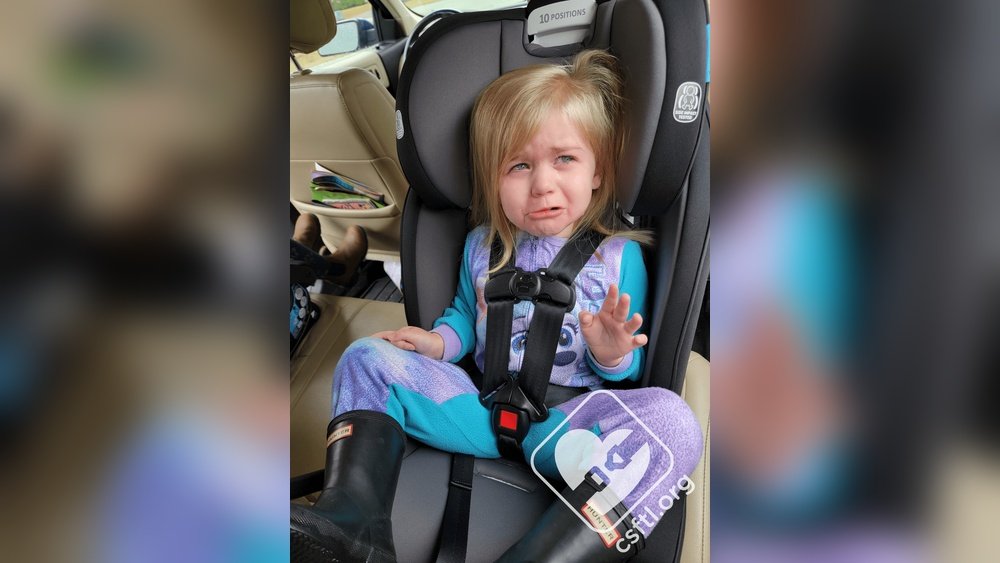
You know that feeling when your baby starts screaming in the car seat, and no matter what you try, the noise just won’t stop? It’s stressful, exhausting, and can make every trip a challenge.
You know that feeling when your baby starts screaming in the car seat, and no matter what you try, the noise just won’t stop? It’s stressful, exhausting, and can make every trip a challenge.
But what if you could find simple, effective ways to calm your little one and make car rides peaceful again? You’ll discover easy tips and tricks to stop your baby from screaming in the car seat -helping you enjoy smoother, happier journeys together.
Reasons Babies Cry In Car Seats
Babies often cry in car seats. It can be hard for parents to understand why. Knowing the reasons helps to find the right solution. Babies use crying to tell us they need something.
Car seats can feel strange and uncomfortable for babies. Their needs change quickly. Sometimes, they cry because they feel unsafe or bored. Other times, physical discomfort causes crying. Understanding these reasons can make trips calmer.
Physical Discomfort
Car seats can press on babies in the wrong places. Tight straps or hard edges can hurt their skin. Babies may feel hot or cold in the seat. A wet or dirty diaper adds to discomfort. All these make them cry loudly.
Hunger Or Thirst
Hunger is a common cause of crying. Babies need to eat often. If they get hungry in the car, crying starts quickly. Thirst can also make them fussy. They cannot tell us with words, only by crying.
Boredom Or Lack Of Stimulation
Long drives can be boring for babies. They need toys or something to watch. Without these, they feel restless and unhappy. Sitting still for a long time feels strange. Bored babies cry to get attention.
Fear Or Anxiety
The car seat can feel like a small, tight space. Babies may feel trapped or scared. Loud noises or sudden movements increase anxiety. New or loud environments can make crying worse. Babies need comfort and reassurance.
Fatigue Or Sleepiness
Tired babies often cry in car seats. It may be hard for them to fall asleep. The car’s motion can be soothing or upsetting. Bright lights or loud sounds prevent rest. When babies cannot sleep, they become upset.
Choosing The Right Car Seat
Choosing the right car seat is a key step to stop your baby from screaming in the car. A good car seat keeps your baby safe and comfortable. Comfort reduces fussiness and crying during rides. Safety helps you feel confident and calm. Both matter a lot for a peaceful trip.
Babies have different needs at various ages. The right seat fits your baby’s size and weight. It supports their body well and keeps them cozy. A poorly fitting seat can cause discomfort, making your baby upset.
Check The Size And Weight Limits
Each car seat has size and weight limits. Follow these rules closely. A seat too small or too big can hurt your baby. Choose a seat that matches your baby’s current size. This helps prevent slouching or pressure on the body.
Look For Comfortable Padding
Padded seats soften the ride. Soft cushions protect your baby from bumps. They also make sitting still easier. Choose a seat with breathable fabric to avoid sweating. Comfort helps your baby stay calm and quiet.
Choose Easy-to-adjust Harnesses
The harness keeps your baby secure. Adjustable straps allow a perfect fit. Tight but not too tight is best. Straps that pinch or rub cause crying. Pick a car seat with simple, smooth adjustments.
Consider The Seat’s Recline Positions
Babies sleep better in reclined seats. A good the correct infant-seat recline angle supports their head and neck. This prevents strain and fussing. Find a seat with multiple recline settings. It adapts to your baby’s comfort needs.
Ensuring Proper Car Seat Installation
Proper car seat installation plays a big role in keeping your baby calm during rides. A well-installed seat feels secure and comfortable. This reduces fussiness and screaming. Parents often overlook this step, but it matters a lot for safety and peace.
Check the seat’s position and how tightly it fits. A loose or tilted seat can make your baby uneasy. Correct installation also protects your child in case of sudden stops or accidents. Let’s explore simple ways to ensure the car seat is installed right.
Check The Car Seat Angle
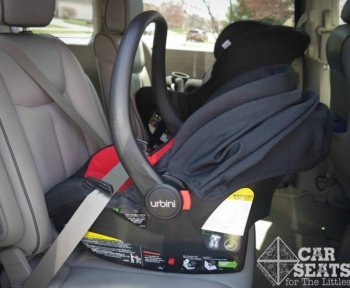
The angle of the car seat affects your baby’s comfort. Too upright or too reclined can cause discomfort. Most car seats have built-in angle indicators. Use them to set the seat at the right tilt for your baby’s age and size.
Secure The Seat Belt Or Latch System
Use the seat belt or LATCH system to fix the car seat tightly. The seat should not move more than an inch side to side or front to back. Pull the belt or straps firmly to hold the seat in place.
Adjust Harness Straps Correctly
The harness straps keep your baby snug and safe. Adjust them to sit at or just below your baby’s shoulders. Tighten the straps so you cannot pinch any slack. Loose straps allow too much movement, causing distress.
Read The Manual Carefully
Each car seat has unique installation steps. Read the manual thoroughly before starting. Follow the instructions step-by-step. Do not guess or skip any part. Manuals provide vital information for proper fitting.
Seek Professional Help If Needed
Car seat installation can be tricky. Many local fire stations or hospitals offer free checks. Professionals can ensure the seat is checking if your car seat is installed correctly. This gives you peace of mind and keeps your baby safe.
Comfort Measures For Baby
Keeping a baby calm in a car seat can be tough. Comfort measures help soothe your baby and stop crying. Small changes make a big difference. Try these simple ways to keep your baby happy and quiet while traveling.
Adjust The Car Seat Position
Make sure the car seat is at the right angle. A slightly reclined position supports your baby’s head and neck. This helps your baby feel safe and cozy. Avoid too upright or too flat seats. Check the car seat manual for the best angle.
Use Soft, Breathable Fabrics
Dress your baby in soft clothes that don’t irritate the skin. Cover the car seat with breathable fabric to avoid sweating. Natural materials like cotton work best. Soft fabrics help your baby feel comfortable and calm during the ride.
Provide A Favorite Blanket Or Toy
Bring a familiar blanket or small toy along. These items give your baby a sense of security. The familiar smell and touch can stop crying quickly. Keep the item within your baby’s reach but safe in the seat.
Check Temperature Inside The Car
Keep the car at a comfortable temperature. Babies get upset if they are too hot or too cold. Use sunshades on windows to block strong sunlight. Dress your baby in layers so you can adjust clothing easily.
Using Soothing Sounds And Music
Using soothing sounds and music can calm a baby in a car seat. These sounds create a peaceful space. They help reduce crying and fussiness quickly. Soft melodies and gentle noises remind babies of the womb. This feeling makes them feel safe and secure.
Playing the right sounds helps distract and relax your baby. It also blocks out loud car noises. Babies react well to steady rhythms and soft tunes. This method is simple and easy to try during car rides.
Choosing The Right Sounds For Your Baby
Pick sounds that are soft and steady. White noise, nature sounds, or lullabies work well. Avoid loud or fast music. Sounds with a slow, calm beat help your baby relax.
Test different sounds to see what your baby prefers. Some babies like ocean waves, others like gentle rain. Change the sound if your baby stays upset.
Using Music Players Or Apps Safely
Use a small speaker or phone safely in the car. Keep volume low to protect your baby’s ears. Use apps made for babies with soothing sound options. Set a timer so the sound stops after a while.
Timing And Consistency Matter
Play sounds as soon as your baby is in the car seat. Use the same sounds for each trip. This routine helps your baby know it is time to calm down. Consistent use can reduce screaming over time.
Engaging Toys And Distractions
Keeping a baby calm in a car seat can be tough. Engaging toys and distractions help a lot. They focus the baby’s attention and reduce crying. Toys that are easy to reach and safe work best. Bright colors and different textures keep babies interested. Sounds and lights add extra fun and can soothe your little one. Small, soft toys that attach to the car seat are perfect.
Choose Safe And Soft Toys
Soft toys prevent injuries in a moving car. Choose toys without small parts that can break off. Toys with loops or clips attach easily to car seats. This stops them from falling on the floor. Soft toys with different textures help babies explore safely.
Use Toys With Lights And Sounds
Toys that light up or play gentle sounds keep babies entertained. These toys catch attention and distract from discomfort. Use toys with volume control to avoid loud noises. Battery-powered toys should be checked often to keep them working.
Introduce Interactive Toys
Interactive toys invite babies to touch and explore. Toys with buttons, mirrors, or flaps make playtime fun. Babies learn cause and effect while playing. Choose toys that are easy for little hands to hold.
Rotate Toys To Keep Interest
Changing toys often keeps the baby curious. Rotate toys every few trips to avoid boredom. Keep a small selection ready for car rides. New or favorite toys make trips feel special and fun.
Feeding And Timing Trips Wisely
Feeding and timing trips wisely can help reduce baby’s fussiness in the car seat. Babies often cry when hungry or tired. Planning feeding times and trips carefully keeps your baby calm and happy.
Feed Your Baby Before The Trip
Give your baby a full feed before placing them in the car seat. A well-fed baby feels comfortable and less restless. Avoid long drives right before feeding time to prevent hunger cries.
Plan Trips Around Nap Times
Schedule car rides during your baby’s regular nap times. Sleeping babies rarely scream in the car seat. The gentle motion helps them relax and fall asleep easily.
Keep Trips Short And Sweet
Short trips reduce the chances of fussiness. Babies get tired or bored during long rides. Break longer drives into smaller segments with breaks for feeding and play.
Taking Breaks During Long Drives
Taking breaks during long drives helps your baby stay calm and happy. Sitting in a car seat for too long can make babies uncomfortable. Breaks give them a chance to stretch and move around. They also help reduce fussiness and screaming.
Stopping every hour or so allows your baby to relax outside the car. Fresh air and a change of scenery can make a big difference. Breaks also give parents time to check if the baby needs feeding, changing, or cuddling. These moments can prevent crying during the drive.
Plan Regular Stops
Set a schedule for breaks before the trip. Aim to stop every 45 to 60 minutes. Use rest areas, parks, or safe spots along the road. Consistent breaks help your baby feel secure and less stressed. It also helps parents stay refreshed.
Use Breaks For Play And Comfort
Take your baby out of the car seat during stops. Hold and comfort your baby to ease any discomfort. Gentle play or a short walk can distract and calm them. Use toys or soft talking to keep your baby engaged. This helps your baby feel happy and relaxed.
Check Baby’s Needs During Breaks
Use breaks to feed your baby if hungry. Change diapers to keep your baby dry and comfortable. Check if your baby is too hot or cold. Adjust clothes or blankets as needed. Meeting these needs reduces fussiness and screaming.
Maintaining A Calm Environment
Keeping a calm environment helps reduce your baby’s distress in the car seat. Babies sense tension and noise easily. A peaceful setting soothes them and stops screaming.
Soft sounds and gentle voices calm your baby. The right atmosphere can make car rides smoother. You can create this calm space with simple steps.
Creating A Quiet Space
Lower car noises by closing windows and turning off loud music. Use soft music or white noise to mask outside sounds. Silence helps babies feel safe and relaxed.
Using Soft Lighting
Dim the car lights or use a small nightlight. Harsh lights can upset your baby. Gentle light keeps the environment calm and comforting during the ride.
Speaking In A Gentle Voice
Talk to your baby softly and slowly. Your calm tone helps reduce their anxiety. Soft words can comfort and distract your baby from fussing.
Maintaining Comfortable Temperature
Keep the car temperature moderate -not too hot or cold. Babies feel uncomfortable quickly. A pleasant temperature helps your baby stay calm and happy.
When To Seek Professional Advice
Sometimes, a baby’s crying in the car seat is more than just fussiness. Persistent screaming might point to a deeper issue. Knowing when to seek help can protect your baby’s health and your peace of mind.
Signs Of Physical Discomfort
Watch for signs like constant arching of the back or stiffening the body. Frequent rubbing of ears or head could signal ear pain. If your baby cries sharply and cannot be soothed, consult a doctor.
Behavior Changes And Sleep Issues
Notice if your baby suddenly sleeps less or has trouble falling asleep. Excessive irritability or changes in feeding habits may also need professional attention. These signs can indicate underlying problems.
Suspected Medical Conditions
Look for symptoms such as fever, vomiting, or difficulty breathing. Any sign of injury or rash should prompt a doctor’s visit. Early diagnosis helps prevent complications.
Persistent Crying Despite Comfort Measures
If soothing techniques fail repeatedly, it might be time for expert advice. Continuous crying may mean pain, discomfort, or emotional distress. A healthcare professional can offer solutions and support.
Common Questions Parents Ask
Why Does My Baby Scream In The Car Seat?
Babies often scream due to discomfort, hunger, or boredom. The car seat might feel tight or hot, causing distress.
How Can I Make The Car Seat More Comfortable?
Use soft padding and dress your baby in light clothes. Check the straps to avoid tightness that causes pain.
What Are Quick Ways To Calm A Screaming Baby In The Car?
Try singing softly or playing gentle music. A favorite toy or pacifier can also soothe your baby fast.
Can Feeding Before The Ride Reduce Car Seat Screaming?
Feeding your baby before the trip can help. A full tummy often makes babies calm and less fussy.
Is It Safe To Stop The Car To Calm My Baby?
Yes, stopping safely allows you to check and comfort your baby. It’s better than driving while distracted.
How Does Car Temperature Affect Baby’s Mood In The Seat?
Too hot or cold temperatures can make babies uncomfortable. Keep the car well-ventilated and dress your baby accordingly.
When Should I Consult A Doctor About My Baby’s Screaming?
If your baby screams nonstop and shows signs of pain or illness, see a doctor. Persistent crying may need medical attention.

Chicco KeyFit Max Zip ClearTex Infant Car Seat
- Anti-rebound bar and 5-position headrest help maximize rear-facing time
- Two bubble level indicators and premium LATCH for an accurate base install
- Flame retardant-free ClearTex fabrics, GREENGUARD Gold certified
As an Amazon Associate, topcarseats.com earns from qualifying purchases at no extra cost to you.
Key Takeaways for Parents
Stopping your baby from screaming in the car seat takes patience. Try gentle distractions like toys or songs. Make sure the seat is comfortable and safe. Take breaks during long trips to calm your baby. Stay calm yourself; babies sense your mood.
Small changes can make rides peaceful and happy. Keep trying different ideas until you find what works. Enjoy the journey with less crying and more smiles.