Are you sure your child’s car seat meets the latest rules? Car seat laws are changing in 2025, and these updates could affect how you keep your little ones safe on the road.
Knowing the specific laws in your state isn’t just smart -it’s essential. You’ll discover exactly what you need to know to stay compliant and protect your child. Don’t risk fines or, more importantly, your child’s safety.
Federal Car Seat Regulations
Federal car seat regulations set safety standards for all car seats sold in the U.S.
These rules protect children during car rides by reducing injury risks in crashes.
The National Highway Traffic Safety Administration (NHTSA) oversees these regulations.
Safety Standards For Car Seats
All car seats must pass strict crash tests before sale.
These tests check how well the seat protects a child in a crash.
Labels on car seats show if they meet federal standards.
Age And Weight Guidelines
Federal rules recommend car seat use based on a child’s age and weight.
Infants should use rear-facing seats until they reach the seat’s weight limit.
After that, children switch to forward-facing seats with harnesses.
Installation Requirements
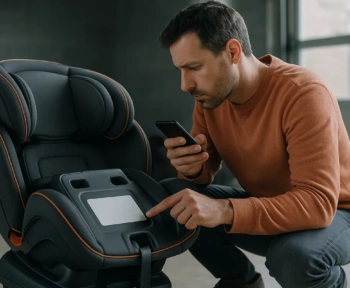
Proper installation is key to car seat safety.
Federal regulations require seats to fit securely using seat belts or LATCH systems.
Parents must follow instructions carefully to ensure correct installation.
Labeling And Instructions
Car seats must have clear labels with weight and height limits.
Instructions should be easy to read and include installation steps.
This helps parents use the seat correctly every time.
Age And Weight Requirements
Car seat laws vary widely across states in 2025. Understanding age and weight requirements is vital for child safety. Each state sets its own rules based on age and weight. These rules aim to protect children from injury during car rides.
Age and weight requirements determine the type of car seat a child must use. Infants, toddlers, and older kids all have different seat rules. Knowing these helps parents follow the law and keep kids safe.
Age Requirements For Car Seats
States set specific age limits for car seats. Most require rear-facing seats for babies under 2 years. Some states allow forward-facing seats after age 2 but with weight limits. all booster seat guidess often start at ages 4 to 8. Many states require kids to use booster seats until at least 8 or 80 pounds.
Weight Limits For Rear-facing Seats
Rear-facing seats protect babies better in crashes. Weight limits vary but often range from 20 to 40 pounds. Children must stay rear-facing until they reach the top weight limit. This rule helps reduce head and neck injuries.
Weight And Height For Forward-facing Seats
Forward-facing seats have weight limits from 30 to 65 pounds. Height limits also matter, usually around 40 to 50 inches. Kids must use forward-facing seats with harnesses until they outgrow these limits.
Booster Seat Weight And Height Rules
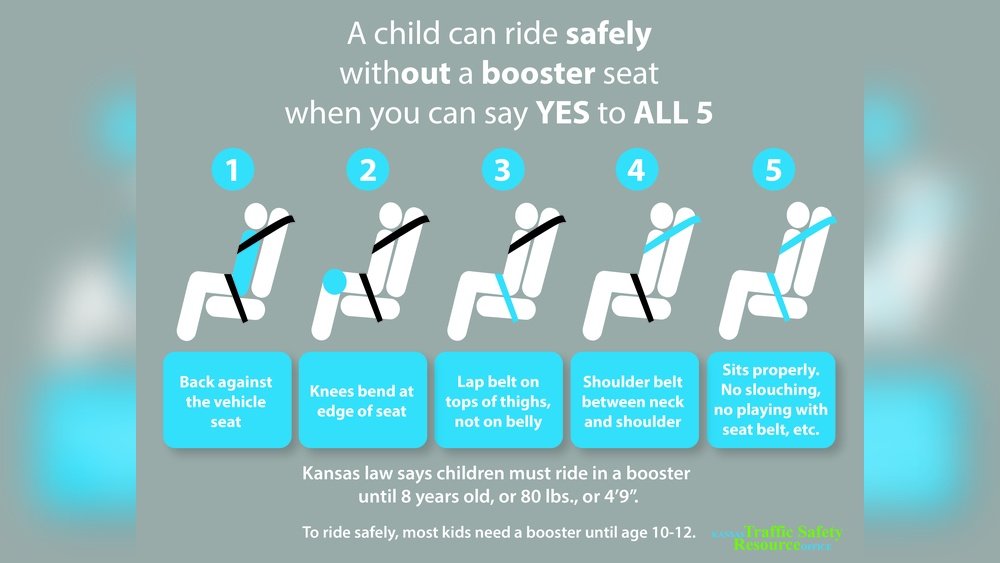
Booster seats help kids use seat belts properly. Weight limits start at about 40 pounds. Height limits typically reach up to 57 inches. Children should stay in booster seats until seat belts fit well without it.
Rear-facing Seat Rules
Rear-facing car seats offer the best protection for babies and toddlers. They support the head, neck, and spine in a crash. Many states have rules about how long children must remain rear-facing. These laws help keep little passengers safe during travel.
Knowing the rules in your state helps you follow the law and protect your child. Some states require children to stay rear-facing until age 2 or beyond. Others set weight or height limits for rear-facing seats. Understanding these rules can prevent fines and keep kids safer on the road.
Age Requirements For Rear-facing Seats
Most states require children to remain rear-facing until at least 2 years old. Some states extend this to 3 or even 4 years old. The American Academy of Pediatrics recommends keeping children rear-facing as long as possible. This is usually until they reach the seat’s maximum height or weight.
Weight And Height Limits
Rear-facing seats have specific weight and height limits. These limits vary by car seat brand and model. Many states require children to stay rear-facing until they reach these limits. Parents should check the car seat manual for exact details. Exceeding these limits means it’s time to switch to a forward-facing seat.
State Variations In Rear-facing Laws
States differ in their rear-facing seat laws. Some have strict rules, while others are more flexible. Certain states enforce fines if children are not properly restrained. Others focus on education and awareness. Always check your state’s latest laws for accurate information.
Forward-facing Seat Guidelines
Forward-facing car seats keep toddlers safe during travel. Laws vary by state on when to switch from rear-facing to forward-facing seats. Parents must follow specific rules to protect young children.
These guidelines focus on age, weight, and height limits. They help reduce injury risks in accidents. Understanding your state’s rules ensures proper car seat use.
Age Requirements For Forward-facing Seats
Most states require children to stay rear-facing until at least age 2. Some states allow switching at age 1 with proper weight. Check local laws to know the exact age limit.
Weight And Height Limits
Children must meet minimum weight before moving to forward-facing seats. Usually, this is around 20 to 25 pounds. Height limits also apply to ensure the seat fits well.
Seat Belt Use With Forward-facing Seats
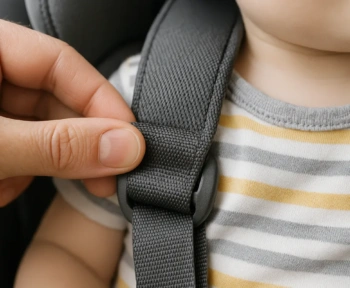
Forward-facing seats use a harness system to secure children. The harness should fit snugly and rest at shoulder level. Seat belts alone are not safe for young kids.
Booster Seat Transition
After forward-facing seats, children when your child is ready for a booster seats. This usually happens when they outgrow the forward-facing seat’s limits. Booster seats help use car seat belts correctly.
Booster Seat Mandates
Booster seat laws help keep children safe during car rides. States set rules on when kids must use booster seats. These rules protect kids by making seat belts fit better.
Each state has its own age, height, and weight limits. Knowing these rules helps parents follow the law and protect their children. Below are key points about booster seat mandates across the U.S. in 2025.
Age Requirements For Booster Seats
Most states require booster seats until children reach ages 7 to 9. Some states set the minimum age at 8 years old. These rules ensure kids use booster seats long enough.
Children younger than the required age must stay in booster seats. This helps seat belts fit properly across their chest and hips.
Height And Weight Limits
Height limits usually range from 4 feet 8 inches to 5 feet tall. Weight limits vary, often between 40 and 80 pounds. Children must meet both height and weight rules to when a child can stop using a boosters.
Booster seats raise kids to fit seat belts safely. Without boosters, belts can cause injury in crashes.
Penalties For Not Following Booster Seat Laws
States enforce booster seat laws with fines and tickets. Penalties may start at $50 and increase for repeat offenses. Some states add points to the driver’s record.
Following booster seat laws avoids fines and keeps children safer on the road.
Seat Belt Use For Older Children
Seat belt use for older children is a key safety rule in every state. States set different rules based on age, height, and weight. These laws help protect kids as they grow and ride in cars.
Older children must use seat belts properly to stay safe. Seat belts reduce injury risks in crashes. Parents and caregivers should know the laws to keep kids protected on the road.
Age And Size Requirements For Seat Belt Use
States often require children to use seat belts after outgrowing booster seats. Usually, this means kids aged 8 or older. Some states focus on height or weight instead of age. Knowing these rules helps parents choose the right seat belt use.
When Can Kids Stop Using Booster Seats?
Booster seats keep seat belts fitting correctly. Most children stop using boosters between ages 8 and 12. Proper fit means the seat belt lies across the chest and lap, not the neck or stomach. This fit lowers injury chances in accidents.
Penalties For Not Following Seat Belt Laws
Many states fine drivers or parents if kids do not wear seat belts. Some states have primary enforcement, meaning police can stop cars for seat belt violations. Others have secondary enforcement, where tickets come after other stops. These penalties encourage safer behavior.
Tips For Ensuring Older Children Use Seat Belts
Parents should always buckle children in every ride. Teach kids why seat belts matter. Check that belts fit well and are not twisted. Make seat belt use a rule, not an option, for every trip.
State-by-state Law Variations
Car seat laws differ widely across the United States. Each state has its own rules on car seat use. These laws protect children but vary in age, weight, and height requirements.
Understanding these differences helps parents and caregivers keep kids safe. Knowing the exact rules in your state ensures compliance and safety on the road.
Age Requirements For Car Seats
Some states require children to stay in rear-facing seats until age 2 or older. Others allow forward-facing seats sooner. Age limits vary from 1 to 4 years for rear-facing seats.
Weight And Height Limits
States set different weight and height limits for car seat stages. Some use weight alone, others combine weight and height. These limits decide when a child can move to the next type of seat.
Booster Seat Laws
Booster seat rules also differ. Many states require booster seats until a child is 8 to 12 years old. Height and weight requirements can influence booster seat use.
After booster seats, children must use seat belts properly. States have different age and size rules for when seat belts alone are allowed.
Fines and penalties vary by state. Some states impose heavy fines and points on licenses. Others focus on education or warnings for first offenses.
Penalties For Non-compliance
Penalties for not following car seat laws vary by state in 2025. States enforce these rules to keep children safe. Breaking these laws can lead to fines and other punishments.
Penalties aim to encourage proper use of car seats. They remind drivers that safety is a priority. Understanding these penalties helps avoid costly mistakes.
Fines And Monetary Penalties
Most states charge fines for not using car seats correctly. Fines can range from $50 to over $500. Repeat offenses often lead to higher fines. Some states add court costs to the fine amount.
Points On Driver’s License
Certain states assign points to a driver’s license. Points increase insurance rates and risk license suspension. The number of points depends on state rules. Accumulating points can affect driving privileges.
Mandatory Safety Classes
Some states require offenders to attend safety classes. These classes teach proper car seat installation and usage. The goal is to prevent future violations. Completing classes may reduce fines or points.
Vehicle Impoundment
A few states may impound vehicles for serious violations. This action usually follows repeated offenses. Drivers must pay fees to retrieve their cars. This penalty is rare but severe.
Impact On Child Custody Cases
Ignoring car seat laws can affect custody decisions. Courts view child safety as a top concern. Violations may influence custody or visitation rights. Parents should follow laws strictly to avoid issues.
Car Seat Inspection Programs
Car Seat Inspection Programs help keep children safe in cars. These programs offer free checks of car seats. Experts make sure the seats are checking if your car seat is installed correctly. Proper installation reduces injury risk in crashes.
Many states have special locations for inspections. Parents can bring their car seats for a quick review. Inspectors also teach how to use seats properly. This service supports following state car seat laws.
What Are Car Seat Inspection Programs?
These programs provide safety checks by trained technicians. They look for correct seat installation and fit. Technicians also check if the car seat is right for the child’s age and weight.
How To Find A Car Seat Inspection Station
Many police stations, fire departments, and hospitals offer inspections. State websites often list nearby inspection sites. Appointments may be required but some accept walk-ins.
Benefits Of Using Car Seat Inspection Programs
Inspections lower the chance of car seat misuse. Proper use improves child safety in vehicle crashes. Parents gain confidence knowing seats meet safety standards.
What To Expect During An Inspection
Technicians check the seat’s fit in the car. They review harness tightness and seat belt routing. Parents receive tips on correct car seat use and placement.
Traveling Across State Lines
Traveling across state lines with children requires extra care. Each state has its own car seat laws. These laws can differ a lot. Knowing the rules helps keep kids safe and avoids fines.
Car seat rules cover the type, size, and placement of seats. States set age, weight, and height limits for car seats. These limits may not match between states. Parents must follow the laws of the state they are in.
Check Car Seat Laws Before Traveling
Before a trip, research car seat laws for every state on your route. State websites offer clear and updated information. This helps avoid surprises and keeps children protected.
Follow The Stricter Law
If laws differ, use the stricter one. This usually means better safety for children. Some states require booster seats longer or use harnesses at different ages.
Be Prepared For Inspections
Some states enforce laws with roadside checks. Police may stop cars to check child safety seats. Always have the correct seat installed and secure. This prevents tickets and ensures child safety.
Use Portable And Approved Car Seats
Choose car seats that meet federal safety standards. Portable seats help when traveling through many states. Make sure the seat fits your child and car properly.
Tips For Choosing The Right Car Seat
Choosing the right car seat is very important for your child’s safety. Each child is different in size and age. A proper car seat fits your child well and keeps them secure on every trip.
Many states have different rules about car seats. Knowing these rules helps you pick the right seat. This guide gives simple tips for choosing a car seat that matches your child’s needs and state laws.
Understanding Your Child’s Age And Weight Limits
Check the car seat labels for age and weight limits. Babies need rear-facing seats. Toddlers use forward-facing seats. Older kids may need booster seats. Choose a seat that fits your child’s current size.
Checking State Laws For Car Seat Requirements
Each state has its own car seat laws. Some states require rear-facing seats longer. Others have specific booster seat rules. Follow your state’s laws to avoid fines and keep your child safe.
Choosing A Seat That Fits Your Vehicle
Not all car seats fit every car. Measure your car’s back seat space. Try installing the seat before buying. Choose a seat that locks in tightly without moving.
Looking For Ease Of Installation
Car seats that are easy to install reduce mistakes. Seats with clear instructions save time. Seats with LATCH systems often install securely. Practice installing the seat several times.
Considering Comfort And Durability
Soft padding keeps your child comfortable on trips. Choose a seat made of strong, durable materials. Check for washable covers to keep the seat clean. Comfort helps your child stay calm and safe.
Common Car Seat Myths Debunked
Car seat safety protects children in every car ride. Many parents have questions about the rules. Some ideas about car seats are not true. Clearing up these myths helps keep kids safer.
Understanding the facts about car seats can prevent mistakes. Laws change by state and by year. Knowing the truth helps parents follow the right rules for 2025.
Myth 1: Rear-facing Seats Are Only For Babies
Many think children outgrow rear-facing seats quickly. Experts say kids should stay rear-facing until at least age 2. Some kids need rear-facing longer for better protection.
Myth 2: Car Seats Are Not Needed For Short Trips
Short rides can be just as dangerous as long ones. Crashes happen close to home often. Buckling up every time is the safest choice.
Myth 3: Using A Secondhand Car Seat Is Unsafe
Secondhand seats can be safe if they have no damage. Check for recalls, expiration dates, and wear. Follow instructions to install the seat properly.
Myth 4: Kids Can Move To Booster Seats At Age 4
Age alone does not decide booster seat use. Children must meet height and weight guidelines first. Booster seats fit children who have outgrown car seats.
Myth 5: Car Seat Straps Should Be Loose For Comfort
Straps must be snug to protect children in a crash. Loose straps increase injury risk. Always check strap tightness before driving.
Common Questions Parents Ask
What Are The Basic Car Seat Laws In The Us For 2025?
Every state has rules for child car seats based on age, weight, and height. These laws ensure kids ride safely in cars. Check local rules for exact requirements.
Meeting the minimum legal requirement is not the same as keeping your child as safe as possible. NHTSA and the AAP both recommend children stay rear-facing, in a harness, and in a booster well beyond the minimum age or weight in most state laws.
How Do Car Seat Laws Differ By State In 2025?
Each state sets its own rules for car seats, including age limits and types of seats. Some states require booster seats longer than others. Always follow your state’s specific laws.
What Age Requires A Car Seat Or Booster Seat?
Most states require car seats for children under 8 years old. Booster seats are often needed until kids reach 4 feet 9 inches tall. Age and size guide the correct seat.
Are There Fines For Breaking Car Seat Laws In 2025?
Yes, many states fine drivers if children are not in proper car seats. Fines vary but can be costly. Following the law keeps kids safe and avoids penalties.
Can A Child Ride In The Front Seat In 2025?
Most states recommend children under 13 years ride in the back seat. Front seat airbags can harm young kids. Check your state’s rules for exceptions.
When Can A Child Stop Using A Car Seat?
Children can stop using car seats when they meet age, height, and weight limits set by law. Usually, this is around 8 to 12 years old. Use booster seats until kids fit seat belts properly.
Do Car Seat Laws Cover Taxis And Rideshares?
Some states require car seats even in taxis and car seats in Uber and Lyft cars, but rules vary. Parents should bring their own car seats if possible. Confirm local laws before travel.
How Can I Find The Car Seat Law For My State?
State government websites and DMV offices provide current car seat laws. Many sites offer easy guides and charts. Always check before traveling or buying a car seat.
Key Takeaways for Parents
Car seat laws change in every state for 2025. Parents and caregivers must know these rules well. Keeping children safe in cars is very important. Follow the right car seat rules for your state. It helps protect kids during every trip.
Stay updated to avoid fines and keep kids safe. Remember, safety starts with the right car seat. Check your state’s laws regularly. Protect your child on the road. Simple steps make a big difference.

Graco Extend2Fit Convertible Car Seat
- Rear-facing harness from 4 to 50 lb, forward-facing harness to 65 lb
- 4-position extension panel adds up to 5 inches of legroom for longer rear-facing
- No-rethread harness and headrest adjust together in one motion
As an Amazon Associate, topcarseats.com earns from qualifying purchases at no extra cost to you.
Primary Sources
This article is cross-referenced against the following primary sources.
- GHSA State Child Passenger Laws – Governors Highway Safety Association state-by-state directory. ghsa.org/state-laws
- NHTSA Car Seats & Booster Seats – Federal guidance on child restraint use. nhtsa.gov
- IIHS Child Safety Topics – Independent research on state law comparisons. iihs.org
- AAP Child Passenger Safety – Pediatric medical policy statements. aap.org